The Merry Temperament the Bichon Frise Standard Demands
Bringing a Bichon Frise into your life often means envisioning a fluffy, cheerful companion, a little cloud of joy trotting happily by your side. But what does the "merry temperament" actually mean, especially when it's literally written into the breed standard, and how do you ensure your own Bichon embodies this delightful disposition? This comprehensive guide will delve deep into the heart of the Bichon Frise's character, exploring its historical roots, typical behaviors, and the crucial role you play in nurturing that famously joyful spirit.
Understanding the Bichon Frise Temperament: What "Merry" Really Means
When you hear "merry temperament" associated with the Bichon Frise, it’s far more than just a cute descriptor; it’s a fundamental characteristic embedded in the breed's very identity. The official breed standard often uses terms like "gay, outgoing, vivacious, and charming" to describe this core essence. It paints a picture of a dog that radiates happiness, not just occasionally, but as a consistent aspect of their personality. This isn't about being hyperactive or constantly demanding attention; rather, it’s a deep-seated cheerfulness and an eagerness to engage with the world around them.
Defining "Gay and Vivacious" in a Bichon Frise
The words "gay" and "vivacious" might sound a little old-fashioned, but in the context of the Bichon Frise standard, they are incredibly descriptive. "Gay" here speaks to an inherent joyousness, a lightheartedness, and a generally happy outlook on life. It's the dog that wakes up wagging its tail, eager for the day to begin. They often have a bounce in their step, a sparkle in their dark eyes, and an overall demeanor that suggests they are perpetually delighted to be alive.
"Vivacious," on the other hand, describes their lively and animated nature. These aren't couch potatoes by design. A vivacious Bichon is often alert, playful, and responsive. They might be the first to greet you at the door with an enthusiastic dance, or the one to instigate a game of chase with a favorite toy. This energy isn't frantic, but rather an engaging zest for interaction and activity, always ready to participate in family life. It's part of what makes them such captivating companions.
The Charm and Outgoing Nature
A truly "charming" Bichon Frise possesses an irresistible quality that draws people in. This charm often manifests as a combination of their gentle affection, their playful antics, and their inherent desire to please. They are masters of making eye contact, offering a little head tilt, or subtly nudging your hand for a pet, all in an endearing way. This isn't manipulative behavior; it's simply their natural inclination to connect with humans and spread happiness.
Their "outgoing" nature means they typically aren't shy or reserved. A well-socialized Bichon will often approach new people and situations with curiosity and confidence rather than fear. They are generally friendly towards strangers and other animals, keen to make new friends. This doesn't mean they're indiscriminate in their affections, but they tend to be open-hearted and approachable, making them wonderful therapy dogs or companions for those who enjoy taking their dog out and about. They thrive on positive interactions and view the world as a place full of potential fun and friendship.
Why This Temperament is So Prized
The breed standard emphasizes this merry temperament because it’s what truly defines the Bichon Frise beyond their fluffy white coat. It's the emotional core of the dog. Breeders strive to produce puppies with this innate joyousness, as it makes for a resilient, adaptable, and loving pet. A dog with a stable, merry temperament is less prone to anxiety or aggression, easier to train, and a pleasure to live with. It means they can handle the normal ups and downs of family life, new experiences, and even minor inconveniences with a cheerful bounce-back quality. This cherished disposition is why many families fall in love with the breed and why What Merry Means in the Bichon Frise Standard is such a crucial aspect for anyone considering bringing a Bichon into their home. Without it, a Bichon Frise wouldn't truly be a Bichon Frise.
The Historical Roots of the Bichon's Cheerful Disposition
To fully appreciate the Bichon Frise's temperament, it's helpful to look back at their history. These little dogs weren't bred for hunting, guarding, or herding; their primary purpose, from the very beginning, was companionship and entertainment. This historical role profoundly shaped the "merry" disposition we see today, making it a deeply ingrained part of their genetic makeup. They were literally bred to be happy little entertainers, and that legacy lives on in every cheerful wag of their tail.
From Sailor's Lapdog to Royal Court Companion
The ancestors of the Bichon Frise were often found on ships, traveling the Mediterranean with sailors. These small, charming dogs served as companions, keeping the sailors' spirits high during long voyages. Their ability to adapt to new environments and their engaging personalities made them ideal shipmates. They were valued for their ability to bring a smile to faces, even in challenging conditions.
Later, as they made their way from the docks to the royal courts of Europe, particularly in Italy and France, their role as beloved companions only solidified. Nobles, especially during the Renaissance, adored these fluffy white dogs for their affectionate nature and their talent for entertaining. They were pampered pets, often carried in laps, adorned with ribbons, and admired for their lively personalities. This close association with human interaction and their history of being cherished objects of affection fostered the development of a highly social and people-oriented temperament. It was a life of leisure and love, which certainly contributes to a merry outlook.
The Performing Years: Circus and Street Entertainment
Following periods of changing fashion and political upheaval, the Bichon Frise found themselves on the streets and in circuses. This might seem like a dramatic fall from grace, but it was in these environments that their innate intelligence, trainability, and captivating charm truly shone. They were natural performers, eager to learn tricks and delight audiences with their cheerful antics.
This period further refined their biddable nature and their capacity for engaging with people from all walks of life. To succeed as a street performer or a circus dog, a Bichon needed to be robustly confident, quick-witted, and genuinely enjoy the spotlight. They learned to work closely with their handlers, responding to cues and thriving on positive reinforcement from both trainer and audience. This history of performing for joy, rather than out of compulsion, reinforced their outgoing, cheerful disposition and their desire to please, proving they were not just pretty faces but intelligent, adaptable creatures. This rich history explains The Household a Bichon Frise Was Bred For and why they fit so seamlessly into modern family life.
The Legacy in Today's Bichon Frise
The legacy of these diverse historical roles is evident in the modern Bichon Frise. They inherit generations of selective breeding that favored dogs who were friendly, adaptable, intelligent, and inherently happy. This means that a Bichon Frise is predisposed to be a joyful companion, a trait that is deeply ingrained rather than simply learned. They genuinely love being part of a family, thrive on attention, and are often keen to participate in whatever their human companions are doing.
Of course, genetics are only part of the equation; environment and training play a vital role too. But knowing that their ancestors were literally bred to be charming and entertaining helps us understand why a truly merry Bichon Frise comes by its delightful personality so naturally. It’s not an accident; it's a carefully cultivated trait passed down through centuries, making them truly special companions.
Common Behavioral Traits of a Well-Adjusted Bichon Frise
A Bichon Frise living up to its breed standard is a joy to behold. Their merry temperament manifests in a range of delightful behaviors that make them exceptional pets. These aren't just isolated incidents of happiness; they are consistent traits that form the bedrock of their personality. Understanding these common behaviors can help prospective owners know what to expect and current owners appreciate their furry friend even more.
The Ever-Present Tail Wag and Affectionate Nature
One of the most defining characteristics of a well-adjusted Bichon Frise is their almost constant tail wag. It's often a vigorous, full-body wag that seems to emanate from their very core, signaling contentment, excitement, and readiness for interaction. This isn't just reserved for meal times; you'll see it when you wake up, when you come home, and often during quiet moments when they're just happy to be near you. It's a visual manifestation of their inner joy.
Coupled with this is their deeply affectionate nature. Bichons are often "velcro dogs," preferring to be close to their human companions. They love to cuddle on the sofa, follow you from room to room, and generally be involved in whatever you're doing. They give generous licks, enjoy being petted, and will often lean into you for reassurance or just a loving touch. This need for closeness isn't clingy in a negative sense, but rather a profound desire for connection and belonging, a testament to their companion animal heritage.
Playfulness and the Famous "Bichon Blitz"
Bichons are remarkably playful, often retaining a puppy-like exuberance well into their senior years. They love games of fetch, chasing toys, and engaging in playful wrestling with their owners or other dogs. This playful spirit keeps them mentally and physically active, and it's a wonderful way to bond with them. They might bring you a toy, drop it at your feet, and then give you an expectant look, inviting you to join in the fun.
Perhaps the most famous manifestation of their playfulness is the "Bichon Blitz," also affectionately known as "zoomies." This is when your Bichon suddenly gets a burst of energy and dashes around the house at top speed, often in circles, with their tail tucked and a look of pure glee on their face. It's a spontaneous explosion of joy and energy, typically short-lived but incredibly entertaining. It often happens after a bath, a walk, or simply when they're feeling particularly happy and need to let off some steam. Understanding The Bichon Blitz and What It Means is key to appreciating this unique and comical aspect of their character.
Adaptability and Sociability
Another hallmark of a well-adjusted Bichon is their impressive adaptability. While they thrive on routine, they generally take changes in stride, whether it's a new environment, a different schedule, or meeting new people. This makes them excellent travel companions and suitable for various living situations, from apartments to larger homes. Their companion nature means they simply want to be where their people are, and they adjust accordingly.
Their sociability is also paramount. A Bichon Frise typically enjoys meeting new people and is generally friendly towards other animals. They are not usually aggressive or overly territorial. They'll often greet visitors with enthusiastic tail wags and a polite sniff, quickly making friends. This isn't to say every Bichon will instantly adore every stranger, but a properly socialized one will typically display a welcoming and open demeanor. This sociability extends to other pets, and many Bichons happily coexist with cats and other dogs, thriving in a multi-pet household. You'll find that Whether a Bichon Frise Greets Every Visitor is often a resounding yes, provided they've had good early experiences.
Challenges and Nuances: When "Merry" Becomes Something Else
While the merry temperament is truly wonderful, it's important to understand that no dog is a robot, and a Bichon's cheerful disposition can sometimes manifest in less-than-ideal ways or be masked by underlying issues. "Merry" doesn't mean "perfect," and being a responsible owner means recognizing when a behavior is a healthy expression of their personality versus a sign of a problem. Sometimes, what looks like exuberance can actually be anxiety, or a lack of proper guidance.
Over-Exuberance or Anxiety?
A truly merry Bichon is joyful, but not constantly over-the-top. There’s a fine line between enthusiastic greetings and excessive jumping or barking. Sometimes, what seems like extreme excitement can actually be a sign of underlying anxiety or a lack of impulse control. For instance, if your Bichon greets every visitor with frantic jumping, nipping, or prolonged barking, it might not just be "merry"; it could be an indication of over-arousal, stress, or inadequate training.
Similarly, separation anxiety can manifest in behaviors that mimic hyperactivity when you return, coupled with destructive tendencies or inappropriate urination when you're gone. It's crucial to distinguish genuine joy from anxious energy. A truly "gay" dog is confident and secure, able to be calm as well as playful. If your Bichon seems perpetually wired, struggles to settle, or exhibits distress when left alone, it's worth exploring whether anxiety or insufficient mental/physical stimulation might be at play. This is where early, structured training and plenty of enrichment become so vital.
Barking and Potential Nuisance Behavior
Bichon Frises, despite their small size, can have surprisingly big voices. Their "outgoing" and "vivacious" nature can sometimes translate into a tendency to bark at everything that catches their attention – the mailman, a leaf blowing by, a squirrel in the yard, or a passerby outside the window. While an alert bark is natural, excessive or nuisance barking can become a real challenge for owners and neighbors alike.
This isn't necessarily a sign of a bad temperament, but rather an unmanaged one. Their desire to be part of everything and their inherent alertness can lead them to vocalize their observations quite readily. Without proper training and management, this can escalate, making what should be a charming trait into a source of frustration. Understanding the triggers for their barking and employing consistent positive reinforcement training is key to managing this trait. If left unchecked, what seems like a 'merry' announcement of every single movement can actually push the boundaries of patience, making The Window Barking a Bichon Frise Does a common complaint.
Temperament Changes Due to Health Issues or Lack of Socialization
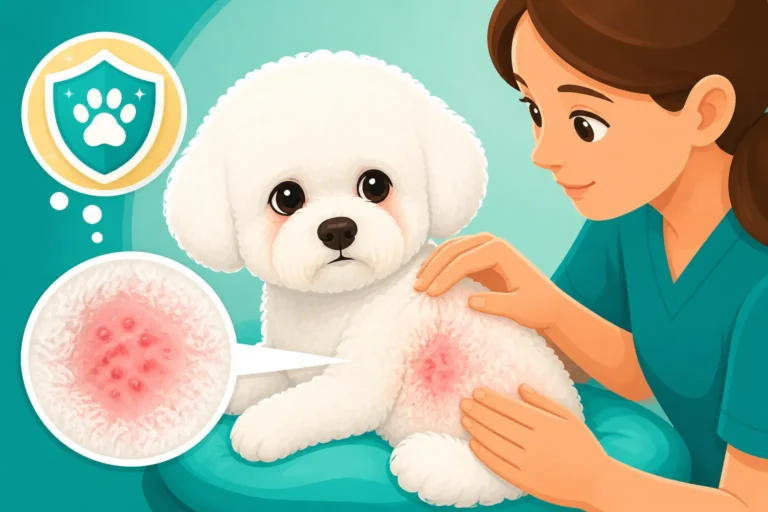
It’s heartbreaking but true: a Bichon Frise whose health is compromised or who hasn't been properly socialized can quickly lose their merry disposition. A dog in pain, whether from dental disease, joint problems like Slipping Kneecaps in a Bichon Frise, or the discomfort of bladder stones, will often become withdrawn, irritable, or even snap when handled. Their natural cheerfulness is overshadowed by their physical discomfort. This is why regular vet check-ups and prompt treatment for any health concerns are paramount for maintaining their good nature.
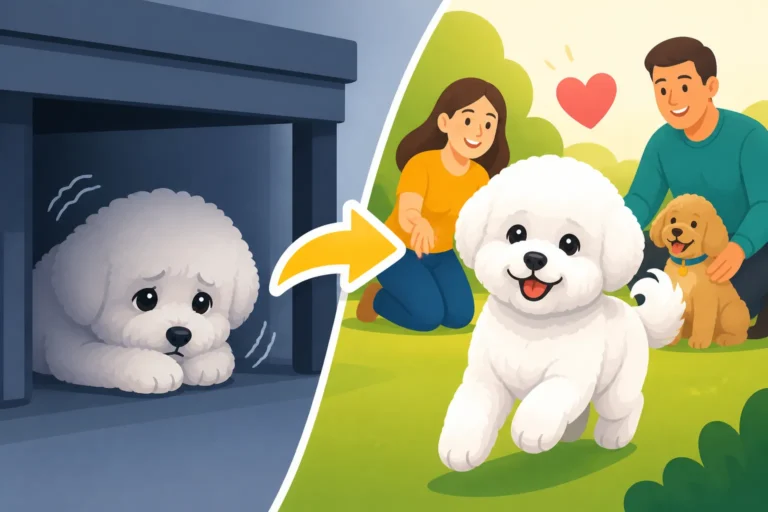
Likewise, a lack of early socialization can lead to fearfulness, shyness, or aggression, which are antithetical to the breed's standard temperament. A Bichon puppy isolated from varied sights, sounds, people, and other friendly dogs during their critical socialization period (roughly 3-16 weeks) may grow into an anxious adult. Instead of being outgoing and charming, they might be timid, reactive, or even defensive. It's a stark reminder that while the genetics provide the blueprint, positive experiences build the stable, merry house. This emphasizes that Whether a Bichon Frise Is Ever Aloof is not typical, and often indicates an underlying issue.
Nurturing the Merry Temperament: Early Socialization and Training
The Bichon Frise's merry temperament is a wonderful foundation, but it truly blossoms with proper nurturing through early socialization and consistent, positive training. You're not just training them to sit or stay; you're actively shaping their confidence, their understanding of the world, and their ability to express their natural joyousness in appropriate ways. This investment in their early development pays dividends throughout their entire life.
The Critical Window of Socialization
The period between 3 and 16 weeks of age is absolutely vital for a Bichon Frise puppy's development. During this time, they are most open to new experiences and form lasting impressions of the world. Proper socialization means safely exposing them to a wide variety of people (different ages, genders, appearances), sounds (doorbells, vacuums, traffic), sights (different environments, objects), and other friendly, vaccinated animals. Each positive exposure builds their confidence and teaches them that the world is a safe and interesting place.
Think of it as building their emotional resilience. A puppy that has positive encounters with children will be more likely to be gentle and patient with them later. One that experiences car rides as fun adventures will be a calm traveler. Enrolling in a well-run puppy class is an excellent way to provide structured socialization in a safe environment. For those looking for comprehensive guidance, online platforms like BAXTER & Bella offer invaluable resources and structured courses that can help new owners navigate this crucial period from the comfort of their home, ensuring a broad range of positive early experiences.
Positive Reinforcement Training: Building Trust and Confidence
Bichon Frises are intelligent and eager to please, making them highly responsive to positive reinforcement training. This method focuses on rewarding desired behaviors with treats, praise, or toys, rather than punishing unwanted ones. It builds a strong bond of trust between you and your dog, fostering a willing and enthusiastic learner. When training, keep sessions short, fun, and upbeat – this matches their natural vivacious spirit and prevents them from becoming bored or frustrated.
Consistency is key. Everyone in the household should use the same commands and expectations. Training isn't just about teaching commands; it's about teaching your Bichon how to navigate the human world politely and confidently. Simple commands like "sit," "stay," "come," and "leave it" become foundations for good manners and ensure that their outgoing nature remains charming, not unruly. Remember, What a Bichon Frise Will Work For is usually a tasty treat or an enthusiastic "Good dog!" and they thrive on that positive feedback.
Addressing Common Behavioral Pitfalls Early On
Even with a naturally merry temperament, some behavioral challenges are common in Bichons if not addressed early. Housetraining, for example, can be notoriously tricky for the breed. Their small bladder size and sometimes a disinclination to go out in bad weather can lead to accidents. Instead of getting frustrated, approach this with patience, a strict potty schedule, and positive reinforcement for outdoor successes. Consistency and vigilance are your best tools here. For owners who feel they are constantly cleaning up messes, it can certainly feel like Why a Bichon Frise Is Famously Hard to Housetrain.
Similarly, barking, as discussed, needs early management. Teach a "quiet" command, identify triggers, and reward calm behavior. Nipping or mouthing during puppyhood should also be redirected to appropriate chew toys, teaching bite inhibition early. By proactively addressing these potential pitfalls with kind, consistent training, you empower your Bichon to express their merry temperament in ways that are enjoyable for everyone. Utilizing resources like durable chew toys readily available on Amazon can be a practical way to redirect puppy nipping and encourage appropriate chewing habits from the start.
Living with a Merry Bichon: Daily Life and Management
Embracing the merry temperament of a Bichon Frise means integrating their unique needs and joyful spirit into your daily life. It’s about creating an environment where they can thrive, express themselves, and continue to be the charming, vivacious companions they are meant to be. This involves attention to their physical, mental, and emotional well-being, ensuring their merriness isn't just tolerated, but celebrated.
Exercise and Mental Stimulation
While Bichons aren't built for marathons, they do require regular exercise to maintain their physical health and channel their vivacious energy. Daily walks, a good romp in a secure yard, or energetic playtime indoors are usually sufficient. Two 20-30 minute walks a day, combined with some interactive play, can go a long way. This prevents boredom and the destructive behaviors that can sometimes arise from pent-up energy, ensuring their cheerfulness doesn't turn into restlessness.
Mental stimulation is just as important as physical exercise. These intelligent little dogs love to learn and solve problems. Incorporate puzzle toys, training games, and opportunities for them to use their brains. Hiding treats around the house for them to sniff out, practicing new tricks, or rotating their toys to keep things fresh can keep them engaged. A mentally stimulated Bichon is a happy and calm Bichon. Whether a Bichon Frise Is Playful Into Old Age is often directly linked to how much they continue to be engaged both physically and mentally throughout their lives.
Grooming: A Regular Practice for Temperament Maintenance
The Bichon Frise's iconic fluffy white coat requires significant grooming, and making this a positive experience is crucial for their overall temperament. Regular brushing, at least every other day, and professional grooming every 4-6 weeks are essential to prevent mats and maintain skin health. This isn't just about aesthetics; a matted coat can be painful, leading to a grumpy, withdrawn, or even aggressive Bichon during handling.
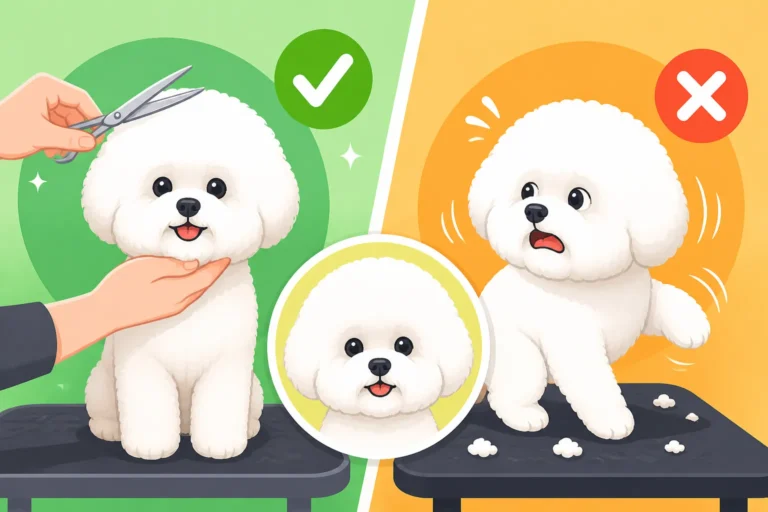
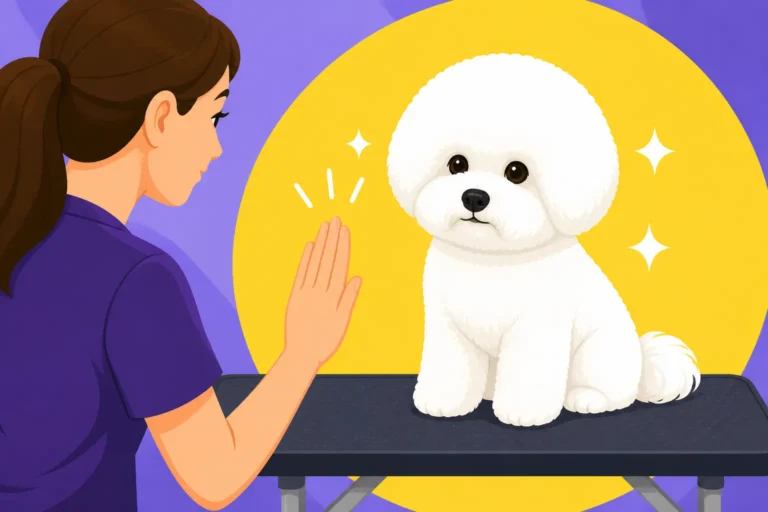
Introduce grooming tools and handling early in puppyhood, making it a positive, treat-filled experience. Teach them to tolerate being touched all over, especially their paws, ears, and face. A Bichon that is comfortable with grooming will be a much happier and more cooperative dog in the long run. If they dread grooming sessions, it can dampen their generally cheerful outlook. Making grooming a pleasant routine helps maintain their sunny disposition and ensures Teaching a Bichon Frise to Stand for an Hour of Scissoring becomes a manageable, rather than stressful, task. You can find many of the necessary brushes, combs, and conditioning sprays on Amazon to start your home grooming routine on the right foot.
The Importance of Routine and Consistent Expectations
Bichons, like many dogs, thrive on routine. A predictable schedule for feeding, potty breaks, walks, and playtime provides a sense of security and reduces anxiety. They learn what to expect, which fosters confidence and a calm demeanor. While they are adaptable, a consistent daily structure helps them feel settled and secure, allowing their merry temperament to shine through without unnecessary stress.
Consistent expectations across all family members are also vital. If one person allows begging at the table while another punishes it, your Bichon will become confused and frustrated. Clear, consistent boundaries and rules, enforced kindly by everyone, help your Bichon understand their place in the household and what is expected of them. This structure, combined with plenty of love and positive reinforcement, empowers them to be their best, most charming selves.
The Importance of the Breed Standard in Temperament
The breed standard for the Bichon Frise isn't just a set of guidelines for physical appearance; it is a holistic blueprint that includes their temperament. For reputable breeders, adhering to this standard means carefully selecting breeding stock not only for their beautiful coats and correct structure but also for their stable, merry disposition. This commitment to the standard is what helps preserve the delightful personality that makes the Bichon Frise so unique and cherished.
Why Temperament is a Breeding Priority
For ethical Bichon Frise breeders, temperament is often as high a priority, if not higher, than physical traits. A dog with a beautiful coat but a nervous or aggressive personality is not a true representation of the breed. Breeders carefully assess the temperaments of both parents, observing their interactions with people, other dogs, and various situations. They look for that inherent joyousness, confidence, and sociability that defines the Bichon.
They also pay close attention to the temperament of the puppies as they grow, noting their curiosity, playfulness, and resilience. This careful selection process helps ensure that the merry temperament is consistently passed down through generations. A breeder aiming for the standard understands that they are not just producing puppies; they are guardians of the breed's character. If you're looking for a puppy, always inquire about the temperament of the parent dogs; it speaks volumes about the breeder's commitment to the standard.
Conformation Shows and Temperament Assessment
Conformation shows, often seen as beauty pageants for dogs, actually place significant emphasis on temperament. A Bichon Frise being judged in the show ring is expected to be confident, outgoing, and handle various situations – from being examined by a judge to being around other dogs and a noisy crowd – with composure and a cheerful attitude. Any signs of shyness, fear, or aggression would be a serious fault, indicating a deviation from the breed standard.
Judges are looking for a dog that embodies the "merry" spirit even under pressure. This rigorous assessment in the show ring helps to reinforce the importance of temperament in breeding programs. It encourages breeders to prioritize not just physical perfection but also the essential character traits that make the Bichon Frise such a wonderful companion. This is why The Powder Puff Outline the Bichon Frise Standard Describes is only one piece of the puzzle; the dog inside the fluff must also fit the ideal.
Avoiding "Puppy Mills" and Irresponsible Breeding
Understanding the importance of the breed standard in temperament highlights the dangers of purchasing a Bichon Frise from a "puppy mill" or an irresponsible breeder. These operations often prioritize profit over health and temperament, breeding dogs without proper health screenings or temperament evaluations. The resulting puppies may lack the stable, merry disposition that is so characteristic of the breed.
Puppies from such backgrounds are more likely to inherit genetic predispositions to anxiety, fearfulness, or aggression, and they often miss out on crucial early socialization. This can lead to significant behavioral problems down the line, turning the dream of a cheerful companion into a challenging reality. Always choose a breeder who is transparent about their breeding practices, health testing, and the temperaments of their parent dogs, and who prioritizes the welfare and the true spirit of the Bichon Frise.
Recognizing and Addressing Temperament Issues
Even with the best breeding and early care, individual differences can arise, or life events might impact a Bichon's temperament. As responsible owners, it's crucial to recognize when a deviation from the typical "merry" disposition occurs and to understand how to address these issues effectively and kindly. Early intervention is always best to help your Bichon regain their cheerful balance.
Signs That Merriness is Fading
A gradual change in a Bichon Frise's typical sunny disposition can be a subtle but important indicator that something is amiss. Keep an eye out for these signs:
- Increased Irritability or Snapping: A Bichon that suddenly growls or snaps when touched, especially in certain areas, could be experiencing pain. This often points to an underlying health issue.
- Withdrawal or Hiding: If your previously outgoing Bichon starts to shy away from interaction, hides under furniture, or seems less enthusiastic about playtime, it could signal fear, anxiety, or illness.
- Excessive Barking, Whining, or Destructive Behavior: While Bichons can bark, an increase in incessant vocalization, whining, or destructive habits (chewing furniture, digging) often indicates anxiety, boredom, or a lack of appropriate outlets for their energy.
- Changes in Appetite or Potty Habits: These are almost always signs of a physical problem first, which can then impact temperament. A dog feeling unwell won't be merry.
- Unusual Fearfulness: If your Bichon suddenly develops a fear of something new (like loud noises, specific people, or objects) or becomes generally timid, it suggests a confidence issue that needs careful, positive intervention.
Any significant or sustained change from their usual cheerful self warrants attention.
Consulting Your Veterinarian for Health Concerns
Before assuming a behavioral problem, always schedule a vet visit to rule out any underlying medical conditions. As discussed, pain or illness can drastically alter a dog's temperament. Conditions like dental pain, urinary tract infections, chronic ear infections (Recurrent Ear Infections in a Bichon Frise are common), or orthopedic issues can make a dog grumpy, withdrawn, or unwilling to be handled. Addressing these physical ailments is the first and most critical step in restoring their natural disposition.
Your vet can perform a thorough examination, run diagnostic tests, and recommend appropriate treatment. Sometimes, simply alleviating physical discomfort is enough to bring your merry Bichon back. Don't underestimate the profound impact that feeling unwell can have on a dog's emotional state; a healthy body is fundamental to a happy mind.
Seeking Professional Behavioral Guidance
If health issues have been ruled out, and your Bichon is exhibiting persistent temperament issues such as excessive fear, anxiety, reactivity, or aggression, it's time to seek professional behavioral guidance. This isn't a sign of failure on your part, but a proactive step towards helping your dog. A certified professional dog trainer or a veterinary behaviorist can help identify the root cause of the behavior and develop a tailored modification plan.
They use humane, science-based methods to help your Bichon learn new, more appropriate coping mechanisms and responses. Early intervention is crucial, as behavioral problems can become more ingrained and challenging to resolve over time. Think of it as investing in your Bichon's emotional well-being and ensuring they can truly live up to the joyful potential of their breed. There are many resources available, and a good trainer can make all the difference, helping you and your Bichon navigate these challenges.
Bichon Frise Temperament Traits: Ideal vs. Potential Pitfalls
Understanding the nuances of the Bichon Frise's temperament involves appreciating their ideal characteristics while also being aware of common challenges. This table offers a quick comparison to help owners identify healthy expressions of their "merry" nature versus potential areas that might require attention or training.
| Ideal Merry Temperament Trait | Potential Pitfall (Requires Attention) |
|---|---|
| Gay & Joyful: Happy, lighthearted, content | Over-Arousal: Frantic energy, inability to settle, constant demand for attention |
| Vivacious & Playful: Energetic, loves games | Hyperactivity/Anxiety: Restlessness, destructive chewing, excessive licking/pacing |
| Charming & Affectionate: Loving, seeks proximity | Separation Anxiety: Destructive behavior when alone, excessive vocalization upon owner return, shadow behavior |
| Outgoing & Sociable: Friendly to strangers & other pets | Fearfulness/Shyness: Hiding, growling/snapping at new people/dogs, avoidance |
| Intelligent & Biddable: Eager to learn, responsive to training | Stubbornness/Lack of Focus: Ignoring commands, slow to learn, easily distracted (often due to inconsistent training or boredom) |
| Adaptable & Resilient: Handles change well | Reactive Behavior: Excessive barking at external stimuli (e.g., mailman, passing dogs), lunging on leash |
| Alert & Observant: Notices surroundings | Nuisance Barking: Incessant barking at minor triggers, difficulty quieting down |
Disclaimer
This article is for general informational purposes only and does not constitute professional advice. Laws, prices and regulations vary by location and change over time. Consult a qualified professional for guidance on your specific situation.