The Six Week Bichon Frise Groom That Never Stops
Bringing a Bichon Frise into your home is an absolute joy, a whirlwind of fluffy love and playful antics. But if you're a new owner, or even if you've had a Bichon for a while, one of the biggest challenges you've likely faced is the never-ending task of keeping that gorgeous white coat looking its best. The truth is, that iconic powder puff look doesn't just happen – it's the result of a rigorous, consistent, and often demanding grooming routine that truly never stops. This guide is here to walk you through the ins and outs of maintaining your Bichon's coat, shedding light on why the six-week professional groom is a non-negotiable part of Bichon ownership, and how to manage the daily care in between.
Understanding the Bichon Frise Coat: Why It's So Unique and Demanding
The Bichon Frise coat is a marvel to behold – a cloud of soft, pure white curls that beckons you to bury your face in it. But this beauty comes with its own set of characteristics that make it particularly high-maintenance. It's not just "hair"; it's a complex double coat designed to protect the dog, and understanding its properties is the first step to mastering its care.
The Double Coat and Its "Non-Shedding" Nature
Many people are drawn to Bichons because they are often touted as "hypoallergenic" and "non-shedding." While it's true they shed significantly less than many other breeds, this label can be a bit misleading and often leads to unexpected grooming challenges. A Bichon Frise possesses a double coat: a soft, dense undercoat and a coarser, curly outer coat. When they do shed, the loose hairs get trapped within this dense, curly outer layer instead of falling out onto your furniture and floors.
This trapped hair is the primary culprit behind matting. If these shed hairs aren't regularly brushed out, they intertwine with the live hair, forming dense knots and tangles that can quickly become painful mats. Imagine trying to comb through tangled yarn that's been woven tighter and tighter – that's what a mat feels like on your Bichon's skin. The curly texture itself also contributes to tangling, making it a constant battle to keep the coat smooth and free-flowing. It's a testament to the breed's unique coat structure that even with daily attention, you can find a stubborn knot forming seemingly out of nowhere.
The Signature Powder Puff Look: What Groomers Strive For
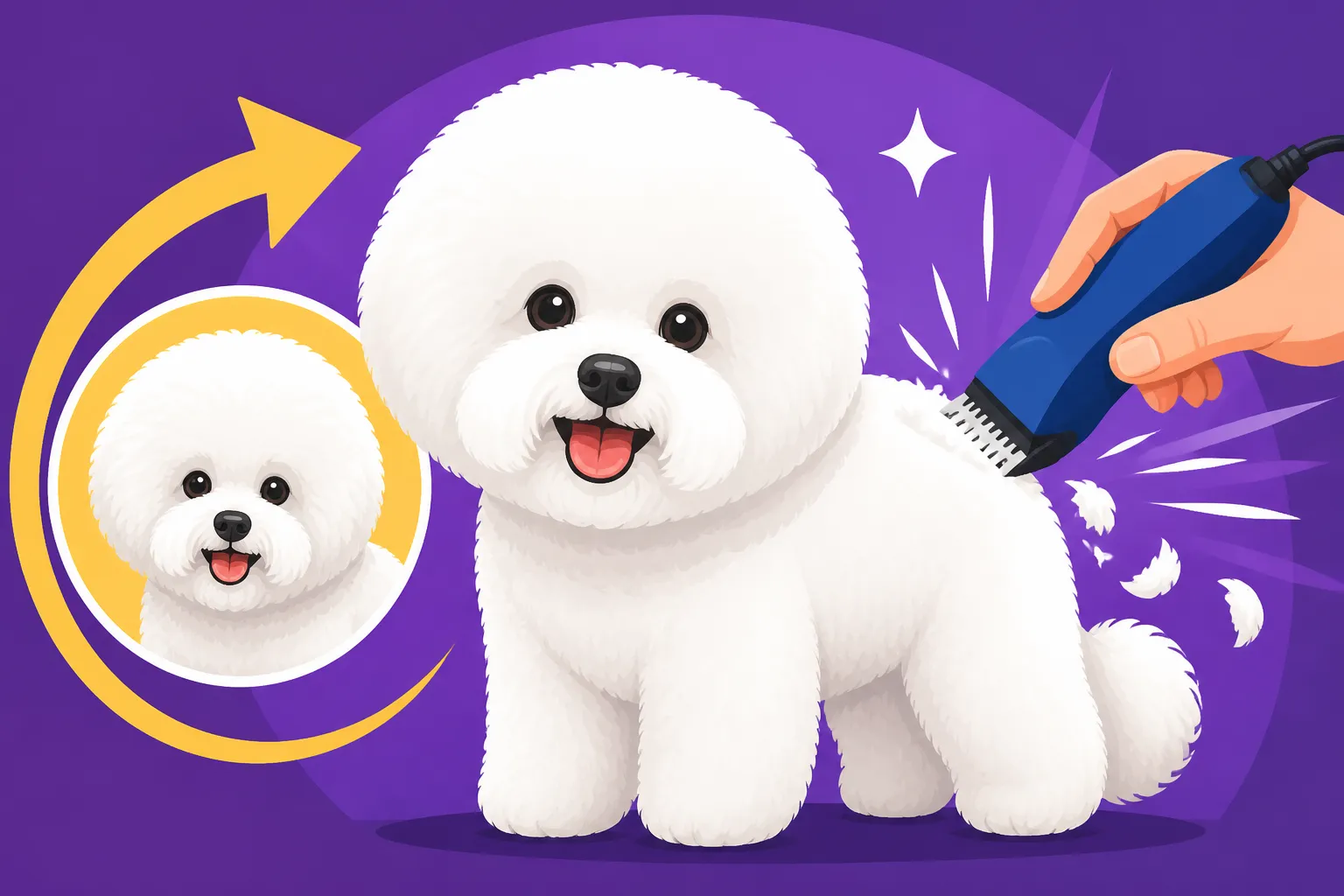
The idealized image of a Bichon Frise is that fluffy, perfectly rounded "powder puff" silhouette, especially around the head and tail. This distinctive look isn't just for show; it's a specific breed standard that professional groomers painstakingly create with expert scissoring techniques. Achieving this involves shaping the dog's entire coat, from the round head to the neatly trimmed paws and perfectly balanced body.
A skilled groomer understands the nuances of the Bichon's coat texture and growth patterns. They use specific tools and methods, often favoring scissors over clippers for the finishing touches, to give your dog that plush, sculpted appearance. It's an art form, really, transforming a shaggy dog into a fluffy, pristine cloud. The goal isn't just superficial beauty; it's about maintaining a comfortable length that allows for proper air circulation to the skin while preserving the breed's characteristic charm. This level of precision is why most pet owners find it incredibly difficult to replicate the professional finish at home, and why you really need a groomer who understands The Powder Puff Outline a Bichon Frise Is Scissored Into.
The Reality of White: Keeping It Pristine
Let's face it, a bright white dog is gorgeous, but it's also a magnet for dirt, dust, and all sorts of stains. The pure white coat of a Bichon Frise means that every splash of mud, every bit of grass stain, every tear streak, and every speck of food becomes glaringly obvious. Maintaining that pristine white is a constant battle against the elements and your dog's daily life.
Beyond the visible dirt, Bichons are prone to tear staining, which often appears as reddish-brown streaks beneath their eyes. This discoloration can also appear around their mouth from saliva, and on their paws from licking or walking on damp, dirty surfaces. These stains aren't just cosmetic; they can sometimes indicate underlying issues like allergies, blocked tear ducts, or yeast infections. Keeping the coat white often involves specialized shampoos, daily wiping, and sometimes even dietary adjustments or supplements. It's a commitment that goes beyond a simple bath; it's an ongoing effort to combat discoloration from multiple angles, which is why we often talk about Keeping a White Bichon Frise Actually White.
The Six-Week Grooming Cycle: What Happens Between Visits
For most Bichon Frise owners, the six-week mark becomes a highly anticipated (or dreaded!) milestone on the calendar. This isn't an arbitrary number; it's a carefully calculated period that balances the natural growth rate of their coat with the need for professional maintenance to prevent serious matting and skin issues. Sticking to this schedule is crucial for your Bichon's comfort and health.
The Importance of Regular Professional Grooming
Think of professional grooming not as a luxury, but as an essential health service for your Bichon. Their unique double coat, which grows continuously, requires expert handling. Without regular trims, the hair can become excessively long, making it even more prone to matting and difficult to manage at home. Mats, when left untreated, can pull at the skin, causing discomfort, pain, and even skin infections or hot spots hidden beneath the matted fur.
A professional groomer does more than just make your dog look pretty. They meticulously comb out tangles, trim nails, clean ears, express anal glands (if needed), and provide a thorough bath with specialized shampoos and conditioners. This comprehensive approach ensures that all aspects of your Bichon's physical well-being related to their coat are addressed. Furthermore, a good groomer can often spot skin problems, lumps, or other health issues that you might miss during your daily routine, providing an early warning system that can be invaluable for your dog's health.
Why Six Weeks is the Magic Number for Most Bichons
The six-week interval is generally considered the optimal timeframe for a Bichon Frise. By this point, the coat has typically grown enough to start looking a bit shaggy and lose its defined shape, but it hasn't usually progressed to severe matting, assuming consistent home care has been maintained. If you stretch it much longer, say to eight or ten weeks, you drastically increase the chances of significant matting, which then requires more extensive and often more stressful dematting or even a full shave-down.
This consistent schedule also helps your Bichon get used to the grooming process. Dogs, like people, thrive on routine. Regular visits to the groomer from a young age can help them feel more comfortable and less anxious during the experience. A familiar environment and a familiar groomer can make a world of difference. It also ensures the coat remains at a manageable length, making daily brushing easier for you and more pleasant for your dog. For more details on this, you might find our guide on How Often a Bichon Frise Needs Grooming helpful.
Recognizing When Your Bichon Needs Grooming Sooner
While six weeks is a general guideline, every Bichon is an individual, and sometimes circumstances call for an earlier trip to the groomer. Factors like rapid coat growth, an unusually active or messy lifestyle, or even specific health issues can accelerate the need for a professional touch. For instance, if your Bichon loves to roll in the mud, has an unexpected run-in with a sticky substance, or develops excessive tear staining, a quick "tidy-up" bath and trim might be necessary sooner.
Pay close attention to your dog's comfort and coat condition. If you notice persistent tangles that you can't easily brush out, or if your dog starts showing discomfort when being handled, it's a strong sign that mats are forming and becoming painful. Areas prone to matting, such as behind the ears, in the armpits, on the belly, and around the tail, should be checked daily. If these areas become difficult to manage even with diligent home care, don't hesitate to call your groomer for an earlier appointment. It's always better to address issues proactively rather than waiting for them to escalate into severe, painful matting that might necessitate a complete shave.
Essential Home Grooming Routines to Maintain the Coat
The professional groom every six weeks is vital, but it's only one part of the equation. What you do at home between those appointments is equally, if not more, important for keeping your Bichon's coat healthy and manageable. Without a consistent home routine, even the best professional groomer will struggle to keep mats at bay.
Daily Brushing and Combing Techniques
This is arguably the most critical aspect of home grooming for a Bichon Frise. Daily brushing isn't just about removing loose hair; it's about preventing mats from forming in the first place. You'll need a good quality slicker brush and a metal comb (preferably with both wide and fine teeth). The key is to "line brush," which means brushing in layers down to the skin, not just skimming the top of the coat.
Start by gently parting the hair near the bottom of your Bichon's leg or side, exposing the skin. Brush a small section of hair outwards and upwards, using the slicker brush to work through any tangles. Once that section is smooth, move up slightly, creating another part, and repeat the process, working your way across the body and up towards the back. After using the slicker, follow up with the metal comb to ensure no small tangles were missed. If the comb glides smoothly through the hair, you've done a good job. Pay extra attention to common matting areas like behind the ears, under the chin, in the armpits, and around the sanitary regions. A few minutes of consistent, gentle brushing each day can save hours of painful dematting later. It truly is necessary to understand How Long Brushing a Bichon Frise Takes.
The Role of Bathing Between Professional Grooms
While professional groomers provide thorough baths, occasional bathing at home can be beneficial to keep your Bichon clean and fresh. However, timing and technique are crucial. Generally, aim for a bath every 2-4 weeks, depending on how quickly your dog gets dirty. Always make sure to thoroughly brush and comb out any tangles before bathing. Water can tighten existing mats, making them nearly impossible to remove once wet.
Use a high-quality shampoo specifically formulated for dogs, preferably one that is conditioning and helps with whitening if tear stains or yellowing are a concern. Lather thoroughly, paying attention to all areas, and rinse even more thoroughly. Any shampoo residue left behind can irritate the skin and even attract dirt. After bathing, gently squeeze excess water from the coat, then use towels to blot (don't rub vigorously, as this can create tangles). A pet-safe high-velocity dryer, if you have one, can significantly speed up drying time and help straighten the coat, making it easier to brush. If air-drying, ensure you are brushing continuously as the coat dries to prevent matting.
Keeping Eyes, Ears, and Paws Clean
These areas require specific and frequent attention. For the eyes, daily wiping is essential to prevent tear stains and keep the area clear of crusts. Use a soft, damp cloth or a specialized tear stain wipe. Many owners find that regularly trimming the hair around the eyes also helps to minimize staining and prevent hair from poking into the eyes. We delve deeper into The Tear Stains Under a Bichon Frise's Eyes in another article.
Bichons are prone to ear infections, partly due to the hair that grows inside their ear canals, which can trap moisture and debris. Weekly ear cleaning with a veterinarian-approved ear cleaner is recommended. Gently lift the ear flap, apply the cleaner as directed, massage the base of the ear, and then wipe out any loosened debris with a cotton ball or soft cloth. Never insert anything into the ear canal itself. For paws, regularly trim the hair between the paw pads to prevent mats, reduce tracking dirt into the house, and improve traction on slippery surfaces. Keep nails trimmed short to prevent discomfort and potential lameness. You can use nail clippers or a grinder.
Common Grooming Challenges and How to Overcome Them
Even with the best intentions and a diligent routine, Bichon Frise grooming presents its share of common frustrations. Knowing these challenges and having strategies to tackle them will make the process less daunting for both you and your furry friend.
Battling Mats and Tangles: Prevention and Removal
Mats are the bane of every Bichon owner's existence. They are painful, difficult to remove, and can quickly spiral out of control. Prevention truly is the best medicine: adhere to your daily line brushing and combing routine. Consider using a detangling spray or conditioning spray specifically designed for dog coats; these can make brushing easier and help repel dirt. Brands like Chewy offer a wide range of detangling sprays and leave-in conditioners that can be a real lifesaver for those stubborn knots.
If you encounter a small mat, try to work it out gently with your fingers first, then use the end tooth of a metal comb to tease it apart, one strand at a time. Always hold the hair at the base of the mat close to the skin to prevent pulling on your dog's skin, which is very uncomfortable. For larger or tighter mats, a mat splitter or dematting tool can be used with extreme caution, but it's often best to leave these to a professional groomer. If the mat is very close to the skin and extensive, a professional groomer may recommend shaving it out to prevent pain and skin irritation, which is why Whether a Matted Bichon Frise Must Be Shaved is often the only humane option. Remember, patience is key. Forcing a comb through a mat will only cause pain and make your Bichon dread future grooming sessions.
Dealing with Tear Stains and Discoloration
Those reddish-brown tear stains under your Bichon's eyes are a common cosmetic concern, but they can also signal underlying issues. Excess moisture in the fur combined with bacteria and yeast growth leads to this discoloration. Consistent daily cleaning is paramount. Use a soft, lint-free cloth dampened with warm water or a pet-safe tear stain remover to gently wipe the area around their eyes. Be careful not to get any product in their eyes.
Some owners find success with filtered water instead of tap water, or by offering specially formulated diets that can sometimes reduce staining. Always consult your vet if the staining is excessive, appears suddenly, or is accompanied by other symptoms like redness, discharge, or irritation, as it could indicate an infection or blocked tear ducts. Trimming the hair very short around the eyes can also help by reducing the surface area for moisture to collect. Regular cleaning and attention to diet can go a long way in managing this persistent problem.
Managing Behavioral Issues During Grooming
Not all Bichons are thrilled about standing still for an hour of brushing or enduring the buzzing of clippers. Some can be quite squirmy, anxious, or even defensive, especially if they've had a negative grooming experience in the past. Early positive exposure is critical. Start handling your puppy's paws, ears, and mouth frequently from a young age, making it a positive experience with treats and praise.
For dogs who are already resistant, short, positive grooming sessions are more effective than long, frustrating ones. Break down the grooming into small steps. For example, just brush one leg, give a treat, then take a break. Gradually increase the duration as your dog becomes more comfortable. If your Bichon snaps or bites, consult a professional trainer or veterinary behaviorist. In severe cases, some groomers may recommend mild sedation from your vet for the safety and comfort of both the dog and the groomer. It's a challenging situation, and understanding Whether a Bichon Frise Learns to Fear the Groomer After Pain highlights the importance of making grooming a calm, positive routine.
The Cost of Constant Grooming: A Realistic Financial Look
While Bichons are relatively small dogs, their intensive grooming needs mean they often come with a higher ongoing cost than many larger breeds. It's crucial for prospective and current owners to understand these financial commitments to ensure they can provide the best care for their fluffy companions.
Understanding Professional Grooming Prices
Professional grooming for a Bichon Frise can vary significantly depending on your location, the groomer's experience, the dog's coat condition, and the specific services requested. In urban areas, a full groom could range anywhere from $60 to $100 or more per visit. Given the recommended six-week schedule, this means you're looking at roughly 8-9 grooming sessions per year.
Consider a conservative estimate of $75 per groom, multiplied by 8 sessions annually, and you're already at $600 a year just for professional grooming. This doesn't account for potential extra charges for dematting if your dog comes in heavily matted, or for specialized treatments. It's a substantial recurring expense that many new owners underestimate. Some groomers offer loyalty programs or discounts for regular clients, but the cost remains a significant part of What a Bichon Frise Costs a Year to Keep.
The Investment in Home Grooming Supplies
While professional grooms are indispensable, investing in quality home grooming supplies can make the time between visits much more manageable and prevent costly dematting fees. Here's a breakdown of what you'll typically need:
| Item | Estimated Cost Range | Frequency of Purchase | Purpose |
|---|---|---|---|
| Slicker Brush | $15 – $30 | Every 1-2 years | Daily detangling and removing loose undercoat |
| Metal Comb (fine/coarse) | $10 – $25 | Every 2-3 years | Finishing comb, checking for missed tangles |
| Dog Shampoo & Conditioner | $15 – $30 (per bottle) | Every 2-4 months | Home bathing, maintaining coat health and whiteness |
| Tear Stain Wipes/Solution | $10 – $25 (per pack/bottle) | Every 1-2 months | Daily eye cleaning, preventing discoloration |
| Ear Cleaner | $10 – $20 | Every 2-4 months | Weekly ear hygiene, preventing infections |
| Nail Clippers/Grinder | $15 – $40 | Every 2-5 years | Regular nail maintenance |
| Detangling Spray | $10 – $20 | Every 2-3 months | Easing brushing, preventing mats |
| Total Initial Investment | $85 – $190 | ||
| Approx. Annual Replenishment | $100 – $250 |
These costs are estimates, of course, but they illustrate that maintaining a home grooming kit is an ongoing investment. Buying supplies from trusted retailers like Chewy can often help you find good quality products at competitive prices, making it a little easier on your wallet.
How Pet Insurance Might Help (or Not)
When considering the comprehensive costs of owning a Bichon Frise, pet insurance often comes up. While a good policy like those offered by Healthy Paws can be invaluable for unexpected illnesses, accidents, and chronic conditions, it's important to understand that standard grooming expenses are almost never covered by pet insurance. These are considered routine care, similar to vaccinations or flea prevention.
Some pet insurance providers offer "wellness add-on" plans that might include a small allowance for routine vet visits, vaccinations, or even some dental care. However, even these expanded plans typically do not cover professional grooming services or the cost of grooming supplies. Your six-week groom is a predictable and necessary expense that you'll need to budget for separately. While pet insurance is a wise investment for your Bichon's overall health, don't rely on it to offset your regular grooming bills.
Beyond the Aesthetics: Health Benefits of Consistent Grooming
While the desire for a beautiful, fluffy Bichon is often the primary driver for diligent grooming, the benefits extend far beyond aesthetics. Consistent grooming plays a crucial role in your dog's overall health, comfort, and well-being, acting as a preventative measure against a host of potential problems.
Early Detection of Skin Issues and Parasites
Regular brushing and handling of your Bichon's coat provides an excellent opportunity to perform a routine "health check." As you comb through their fur, you'll naturally feel for any unusual lumps, bumps, or tender spots on their skin. You might also notice changes in skin texture, redness, flakiness, or the presence of rashes, which could indicate allergies, infections, or other dermatological problems.
Moreover, thorough grooming sessions are key to detecting parasites like fleas and ticks early. These tiny pests can hide deep within the dense Bichon coat, often going unnoticed until an infestation becomes severe. Spotting them early allows for quicker treatment, preventing discomfort for your dog and potential spread in your home. This proactive approach can save you significant vet bills and prevent your dog from unnecessary suffering, much like how Whether a Bichon Frise Needs Yearly Eye Exam helps catch ocular problems early.
Preventing Painful Matting and Skin Infections
We've talked extensively about matting, but it's worth reiterating its severe impact on a Bichon's health. Mats are not just unsightly; they can be incredibly painful. As they tighten, they pull on the skin, causing constant discomfort and restricted movement. In severe cases, large mats can cut off circulation, leading to skin necrosis or deep wounds. The dense, matted fur also creates an ideal breeding ground for bacteria and yeast, trapping moisture and heat close to the skin. This environment is ripe for developing painful skin infections (pyoderma) or hot spots, which can be difficult and costly to treat.
Consistent grooming ensures that the coat remains free of tangles, allowing the skin to breathe properly and preventing these painful conditions. It ensures a healthy skin barrier, which is your dog's first line of defense against environmental irritants and pathogens. It's a simple truth: a well-groomed Bichon is a more comfortable and healthier Bichon.
Maintaining Overall Hygiene and Comfort
Imagine wearing a heavy, tangled, dirty coat all the time, especially in warm weather. That's what a matted and unkempt coat can feel like for your Bichon. Regular grooming ensures that your dog is clean, free of debris, and comfortable in its own skin. It prevents the buildup of dirt, urine, and feces in the sanitary areas, which can lead to unpleasant odors, skin irritation, and even urinary tract infections.
Clean ears and trimmed nails contribute significantly to your dog's overall comfort. Untrimmed nails can grow long, curling under and piercing the paw pads, causing pain and difficulty walking. Overgrown hair between the paw pads can collect debris, lead to discomfort, and make it hard for your Bichon to get proper traction. By addressing these basic hygiene needs through regular grooming, you're not just making your dog look good; you're ensuring their physical well-being and enhancing their quality of life.
Finding the Right Groomer for Your Bichon Frise
Given the specific and intensive grooming needs of a Bichon Frise, choosing the right groomer is paramount. This isn't just about finding someone who can trim hair; it's about finding a professional who understands the breed, values your dog's comfort, and can be a trusted partner in your Bichon's care journey.
Qualities of a Bichon-Experienced Groomer
When searching for a groomer, look for someone with specific experience with Bichon Frises or similar double-coated, curly breeds. They should understand the breed standard and how to achieve that classic powder puff look through scissoring, rather than just clipping. Ask about their techniques for handling mats – a good groomer will prioritize your dog's comfort and avoid painful dematting whenever possible, opting for a humane shave if necessary.
A quality groomer will also be knowledgeable about Bichon-specific health concerns that can impact grooming, such as skin sensitivities, tear staining, and ear issues. They should be able to recommend appropriate shampoos and conditioners for your dog's coat type and any skin conditions. Observe how they interact with the dogs in their care; a calm, patient, and gentle demeanor is essential, especially for Bichons who might be anxious about grooming. Don't be afraid to ask for references or to view their portfolio of Bichon grooms. It's about finding someone who truly understands Why a Groomer Scissors a Bichon Frise Instead of Clipping It.
Building a Relationship with Your Groomer
Once you've found a groomer you trust, nurturing that relationship is key. Open and honest communication is vital. Clearly convey your expectations for your Bichon's trim, and be realistic about what can be achieved, especially if your dog comes in with mats. Share any behavioral quirks, health concerns, or sensitivities your Bichon might have. For example, if your dog gets anxious around loud dryers or has a sensitive spot on its paws, letting your groomer know upfront can help them tailor the experience.
Regular, consistent appointments help your Bichon become familiar with the groomer and the salon environment, reducing stress over time. The groomer will also get to know your dog's coat, temperament, and preferences, allowing them to provide more personalized and efficient care. Think of your groomer as a valued member of your Bichon's care team, alongside your veterinarian and perhaps even your dog walker or trainer.
When to Consider a Mobile Groomer or Home Grooming Course
For some Bichons, the traditional grooming salon environment can be overwhelming. The noise, the other dogs, and the unfamiliar smells can trigger anxiety, making grooming a stressful ordeal. In such cases, a mobile groomer might be an excellent alternative. Mobile groomers come directly to your home in a specially equipped van, providing a one-on-one, cage-free experience in a quieter, more familiar setting. While typically more expensive, the reduced stress for your dog can be priceless.
Alternatively, if you're dedicated and have the time, taking a home grooming course could be an option. This could involve online tutorials or even hands-on workshops. While it's incredibly challenging to achieve a professional "powder puff" finish yourself, learning basic clipping, scissoring for sanitary areas, nail trimming, and bathing techniques can save you money on intermediate tidy-ups and give you greater control over your Bichon's daily care. It's a significant time commitment, but for some owners, it’s a rewarding way to deepen their bond and manage costs, and perhaps avoid a scenario where Whether a Grooming Course Pays Off for a Bichon Frise Owner.
Disclaimer
This article is intended for informational purposes only and does not constitute professional veterinary advice. Always consult with a qualified veterinarian or professional groomer for any health concerns or before making any decisions about your Bichon Frise's care.