Whether a Bichon Frise Needs Its Glands Emptied
It's a common worry for Bichon Frise owners, often whispered in hushed tones at the dog park: "Do I need to get my Bichon's glands emptied?" This concern about anal glands can lead to unnecessary stress and even discomfort for our beloved fluffy companions. This guide will walk you through everything you need to know about your Bichon Frise's anal glands, when they actually need attention, and how to promote their natural, healthy function, so you can stop second-guessing every little scoot.
Understanding Your Bichon Frise's Anal Glands
Let's start by demystifying these tiny, often misunderstood organs. Your Bichon Frise, like all dogs, has two small glands, often called anal sacs, located on either side of the anus, just inside the rectum. Think of them as tiny scent glands, a bit like nature's calling card for canines.
What Are Anal Glands and Their Purpose?
Each of these sacs is lined with sebaceous glands and apocrine sweat glands, which produce a unique, strong-smelling, oily liquid. This liquid is normally expressed, or squeezed out, in tiny amounts every time your Bichon has a bowel movement. When stool passes, especially firm, well-formed stool, it puts pressure on these sacs, causing them to naturally release their contents. This is a completely natural process, and it's how dogs communicate with each other – leaving their individual scent behind as a territorial marker. It’s their equivalent of a handwritten note saying, "Bichon was here!"
Beyond communication, these glands also help lubricate the stool, making passage a little smoother. While we humans might find the smell rather pungent, to dogs, it's a vital part of their sensory world. When everything is working as it should, you'll rarely, if ever, notice these glands, and your Bichon will go about their day totally unaware of their internal scent factory doing its job. The ideal scenario is that you never have to think about them.
When Do Anal Glands Cause Problems?
Problems arise when these glands don't express naturally. The fluid can become thick, pasty, or even impacted, preventing it from releasing. Imagine a tiny, blocked drainpipe that just keeps filling up. When this happens, the sacs become engorged and uncomfortable. Your Bichon Frise might start to feel pressure, itchiness, or even pain around their rear end. It’s not just a minor annoyance for them; it can be genuinely distressing and painful, leading to changes in their behavior as they try to relieve the discomfort.
If left untreated, impacted anal glands can lead to infection, which can be even more painful and require antibiotics. In severe cases, an abscess can form, potentially rupturing and creating an open wound that needs immediate veterinary attention. This is why knowing the signs and understanding proper care is so important for Bichon owners. It's about nipping potential issues in the bud before they escalate from discomfort to a serious medical problem.
The Myth of Routine Anal Gland Expression
This is where a lot of confusion often creeps in, and it's a topic that has changed a lot over the years. Many groomers or even some vets have historically offered or recommended "routine" anal gland expression. However, for most Bichon Frises, this practice isn't just unnecessary, it can actually be counterproductive.
Why "Routine" Often Does More Harm Than Good
Think about it this way: if your Bichon Frise's anal glands are functioning perfectly well on their own, why interfere? Routinely expressing healthy glands can actually disrupt their natural rhythm. It can stretch the delicate tissue of the sacs and ducts, potentially weakening the muscles that are supposed to express them spontaneously. This can create a dependency, where the glands stop expressing on their own because they're being manually emptied. It’s like constantly doing someone else’s job for them until they forget how to do it themselves.
Furthermore, manual expression, especially if done improperly or too forcefully, can cause inflammation, irritation, or even trauma to the sensitive area. Repeated trauma can lead to scarring, which in turn can make future natural or manual expressions even more difficult. It's a vicious cycle that we want to avoid for our little white fluffballs. The goal should always be to support natural function, not to override it without good reason.
When Is Manual Expression Necessary?
Now, this isn't to say that manual expression is never needed. There are absolutely times when it's a necessary intervention. If your Bichon Frise is showing clear, persistent signs of discomfort related to impacted or full anal glands, then a professional expression by a veterinarian or a trained veterinary technician is essential. This is a medical procedure, not a grooming routine. Your vet can assess the consistency of the fluid, check for signs of infection, and perform the expression safely and effectively.
Sometimes, for dogs with chronic anal gland issues, regular manual expression (under vet guidance) might become part of their care plan. This is typically after a thorough examination has ruled out other causes and confirmed that the glands are indeed the root of the problem and are failing to express naturally. It's a targeted treatment for an existing problem, not a preventative measure for healthy glands. Always follow your vet's specific advice if your Bichon is one of those who unfortunately struggle with recurrent issues.
Signs Your Bichon Frise Might Need Gland Attention
Spotting the signs early can make all the difference, preventing a simple discomfort from escalating into a painful infection. As observant pet parents, we are our Bichons' first line of defense!
The Classic "Scoot" and What It Really Means
The most common and widely recognized sign of anal gland irritation is the "scoot." This is when your Bichon Frise drags their rear end across the floor, often carpeting, in an attempt to relieve itching or discomfort. It looks quite comical, but for your dog, it's a real struggle. However, it's crucial to understand that scooting isn't always about anal glands. While it's a primary indicator, other issues can cause similar behavior.
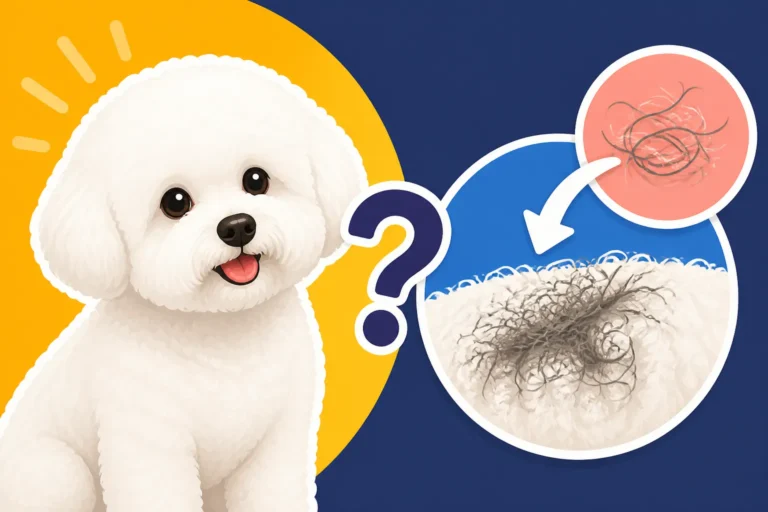
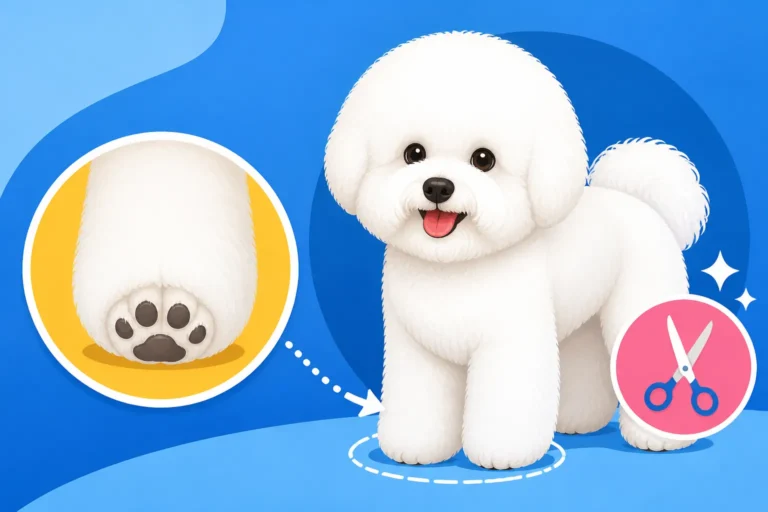
Your Bichon might be scooting due to simple fecal matter caught in their fluffy britches, especially if they have longer hair around their hindquarters that isn't regularly trimmed. They could also have an itch from fleas or other parasites, a skin irritation, or even an allergy. It could also be a sign of worms. So, while scooting should always prompt you to investigate, don't automatically jump to the conclusion that it's just the glands. It’s a good idea to perform a quick visual inspection and then consult your vet if the scooting persists or is accompanied by other symptoms.
Other Telltale Symptoms to Watch For
Beyond the scoot, there are several other key indicators that your Bichon Frise might be experiencing anal gland problems. Being aware of these can help you act quickly.
- Excessive Licking or Biting: If your Bichon is constantly licking, chewing, or biting at their rear end or under their tail, it's a strong sign of irritation or pain. This can lead to raw skin and secondary infections if not addressed.
- Unusual Odor: A distinct, foul, fishy odor emanating from your dog's hindquarters can indicate that the anal glands are full, leaking, or infected. This is usually quite noticeable and unpleasant.
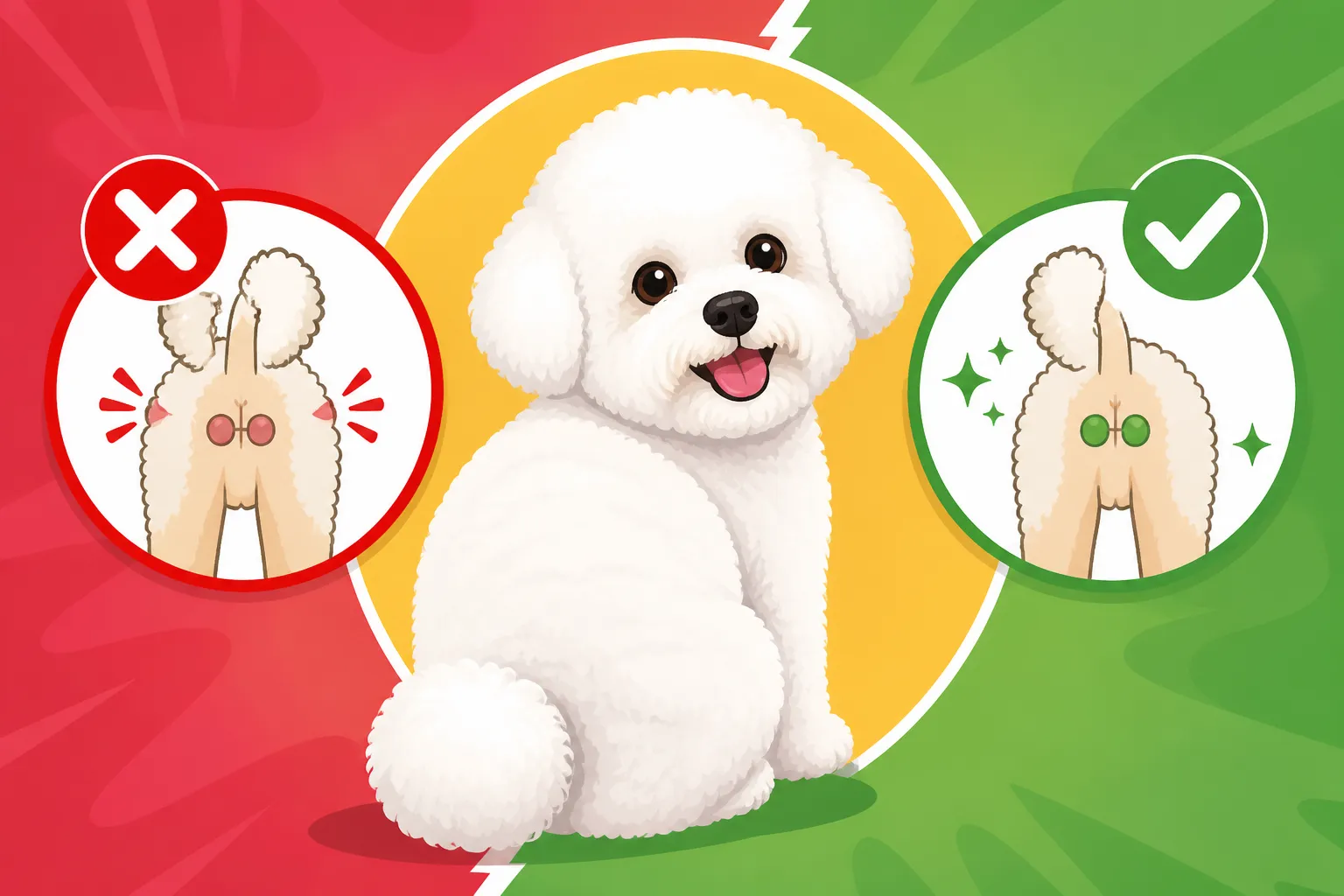
- Swelling or Redness: You might notice visible swelling, redness, or even an open sore (abscess) around the anus. This is a clear sign of inflammation or infection and requires immediate veterinary attention.
- Difficulty or Pain During Defecation: If your Bichon seems to strain, cry out, or shows reluctance to defecate, the pressure or pain from full anal glands could be the cause. This can sometimes be mistaken for constipation.
- Changes in Tail Carriage: A dog experiencing discomfort in their rear might carry their tail lower than usual, tuck it between their legs, or be reluctant to wag it. This is a subtle but important cue.
If you observe any combination of these symptoms, it's time to reach out to your veterinarian. They can properly diagnose the issue and provide appropriate treatment. For instance, sometimes what looks like general scooting might be something more serious like an inflammatory bowel issue or even a nerve problem, which is why a professional diagnosis is key.
Natural Ways to Promote Healthy Anal Gland Function
Our goal as Bichon parents should be to support our dogs' natural bodily functions, allowing their anal glands to express on their own without intervention. Thankfully, there are several practical steps we can take to help.
The Role of Diet and Fiber
One of the most impactful ways to promote healthy anal gland expression is through diet, specifically by ensuring adequate fiber intake. Firm, bulky stools are the best natural mechanism for squeezing those anal sacs as they pass. If your Bichon Frise consistently produces soft, loose stools, the glands won't get the necessary pressure to empty properly, leading to accumulation.
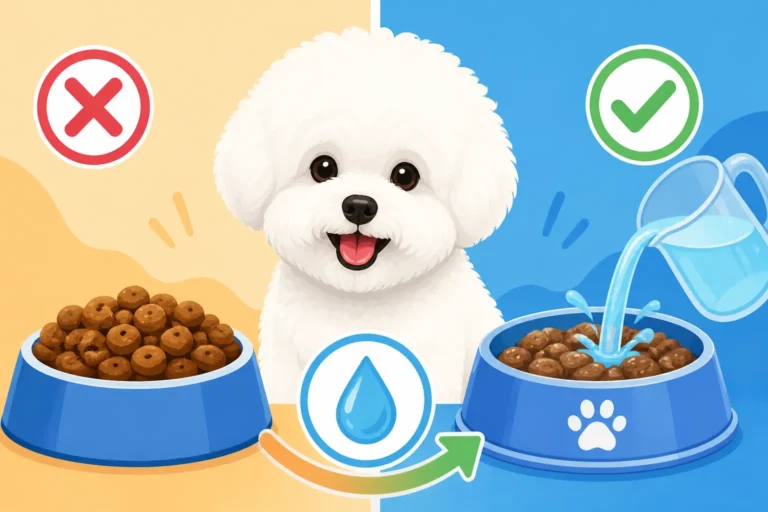
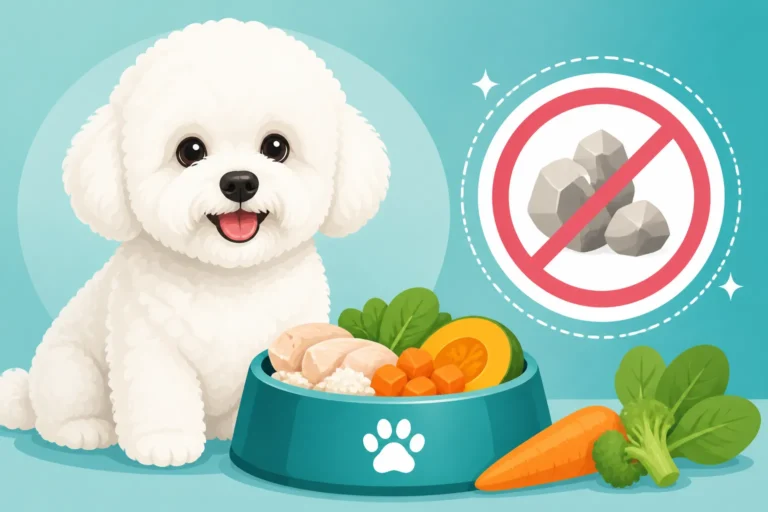
Consider a high-quality dog food that lists a good source of fiber as one of its main ingredients. Ingredients like beet pulp, pumpkin, psyllium husk, or ground flaxseed can contribute to healthy stool consistency. Some owners find success with fresh food diets, like those offered by Ollie, which tend to have a higher moisture content and often include whole food fiber sources. You can also add small amounts of plain, canned pumpkin (not pie filling!) to your Bichon's regular meals. Start with a teaspoon or two and see if it helps firm up their stool. Similarly, consulting with your vet about specific fiber supplements, or looking for high-fiber kibble brands on platforms like Chewy, can be beneficial. Just remember that any dietary change should be introduced gradually to avoid upsetting your dog's stomach. A consistent, firm stool is truly your best friend in preventing anal gland issues. Don't forget, if your Bichon is on a special diet for other health concerns, like for example, The Diet a Bichon Frise Stays On for Life or Feeding a Bichon Frise That Must Not Form Stones, make sure any added fiber is compatible with those dietary restrictions.
Importance of Weight Management and Exercise
Beyond diet, your Bichon's overall health plays a significant role in anal gland function. Weight management and regular exercise are key components. An overweight Bichon Frise might have excess fat around their anal area, which can interfere with the natural expression of the glands. The musculature around the anus might also be weaker or less effective if a dog is carrying too much weight, further hindering the process.
Regular exercise not only helps maintain a healthy weight but also promotes good muscle tone throughout the body, including the muscles involved in defecation. A well-exercised Bichon is more likely to have strong abdominal muscles and a healthy digestive tract, both of which contribute to normal, firm bowel movements. Short, brisk walks or playtime in the yard are wonderful ways to keep your Bichon fit and active. Think of it as a whole-body approach to health that supports all their bodily systems, including those tiny scent glands. Just like humans, a healthier, more active dog tends to have fewer minor health complaints, and anal gland issues are often among them. You might be surprised at how much regular activity impacts even seemingly unrelated issues. If you're wondering how much your adult Bichon should be eating to maintain a healthy weight, you can find more information in guides like How Much an Adult Bichon Frise Eats Daily. Similarly, if you suspect your Bichon is carrying extra weight, resources like Signs a Bichon Frise Is Carrying Too Much Weight and Getting Weight Off a Bichon Frise can provide helpful advice.
What to Do If You Suspect a Problem
So, you've noticed some of the signs – the scooting, the licking, maybe that tell-tale odor. What's your next step? Panic is not a strategy, but prompt action is always best for your Bichon's comfort.
When to Call the Vet
If your Bichon Frise is showing any of the symptoms discussed above, especially persistent scooting, excessive licking, or obvious pain, it's time to call your veterinarian. Don't try to express the glands yourself unless you've been specifically trained by a professional. Improper technique can cause significant pain, bruising, and even lead to infection or abscess formation. This isn't a DIY project; it's a job for someone who knows exactly what they're doing and can assess the situation properly.
Your vet will be able to perform a gentle but thorough examination. They can determine if the glands are indeed full, impacted, or if there's an infection or abscess brewing. They can also rule out other potential causes for your Bichon's discomfort, like allergies, skin issues, or parasites. Early intervention is key here. The sooner an impacted gland is expressed, the less likely it is to become infected or rupture, saving your Bichon from prolonged pain and you from a potentially more complicated (and costly) vet bill. Just know that a quick trip to the vet can bring immense relief to your furry friend.
The Vet's Approach to Anal Gland Issues
When you bring your Bichon Frise to the vet for suspected anal gland issues, they will typically follow a systematic approach to diagnosis and treatment.
First, the vet will conduct a physical examination, which includes carefully palpating the anal glands to assess their size, fullness, and consistency of the fluid. This helps them determine if the glands are indeed impacted and if there are any signs of inflammation or infection. If the glands are full, the vet will safely perform a manual expression. This involves carefully squeezing the sacs, either internally (rectally) or externally, to empty the built-up fluid. They'll also note the color and consistency of the expressed fluid, as this can give clues about underlying issues.
If the fluid is thick, bloody, or pus-like, or if there's significant swelling and pain, it suggests an infection. In such cases, your vet might prescribe antibiotics, pain medication, or anti-inflammatory drugs. For severe impactions or abscesses, flushing the sacs with an antiseptic solution or even minor surgical intervention might be necessary. In rare, chronic cases where a Bichon Frise suffers from recurring, severe impactions and infections that don't respond to other treatments, surgical removal of the anal glands (known as an anal sacculectomy) might be considered as a last resort. This is a significant surgery, however, and is only recommended after all other options have been exhausted.
It's a good idea to discuss preventive measures with your vet, such as dietary adjustments or fiber supplements, to help reduce future occurrences. Remember, the goal is always to get your Bichon comfortable and promote natural gland function whenever possible. For an overview of potential veterinary expenses, you might find articles like What a Bichon Frise's Yearly Vet Bill Looks Like helpful for general budgeting, though specific treatments will vary.
| Symptom | Possible Cause | Recommended Action |
|---|---|---|
| Scooting on floor/carpet | Full anal glands, itching, fleas, worms | Check for fleas/worms; observe stool; consult vet if persistent |
| Excessive licking/biting rear | Anal gland discomfort, skin irritation, allergies | Consult vet for diagnosis |
| Foul, "fishy" odor | Full/leaking anal glands, infection | Consult vet for assessment and expression |
| Swelling/redness near anus | Infection, abscess | Urgent vet visit |
| Straining/pain during defecation | Impacted glands, constipation, other GI issues | Consult vet |
| Tucked tail, reluctance to sit | Pain/discomfort in rear | Consult vet |
| Soft/loose stools consistently | Lack of fiber, digestive upset | Review diet, add fiber (pumpkin), consult vet if chronic |
| Weight gain / Obesity | Poor diet, lack of exercise | Adjust diet, increase exercise, consult vet |
Disclaimer
This article is for general informational purposes only and does not constitute professional advice. Laws, prices and regulations vary by location and change over time. Consult a qualified professional for guidance on your specific situation.