Getting Weight Off a Bichon Frise
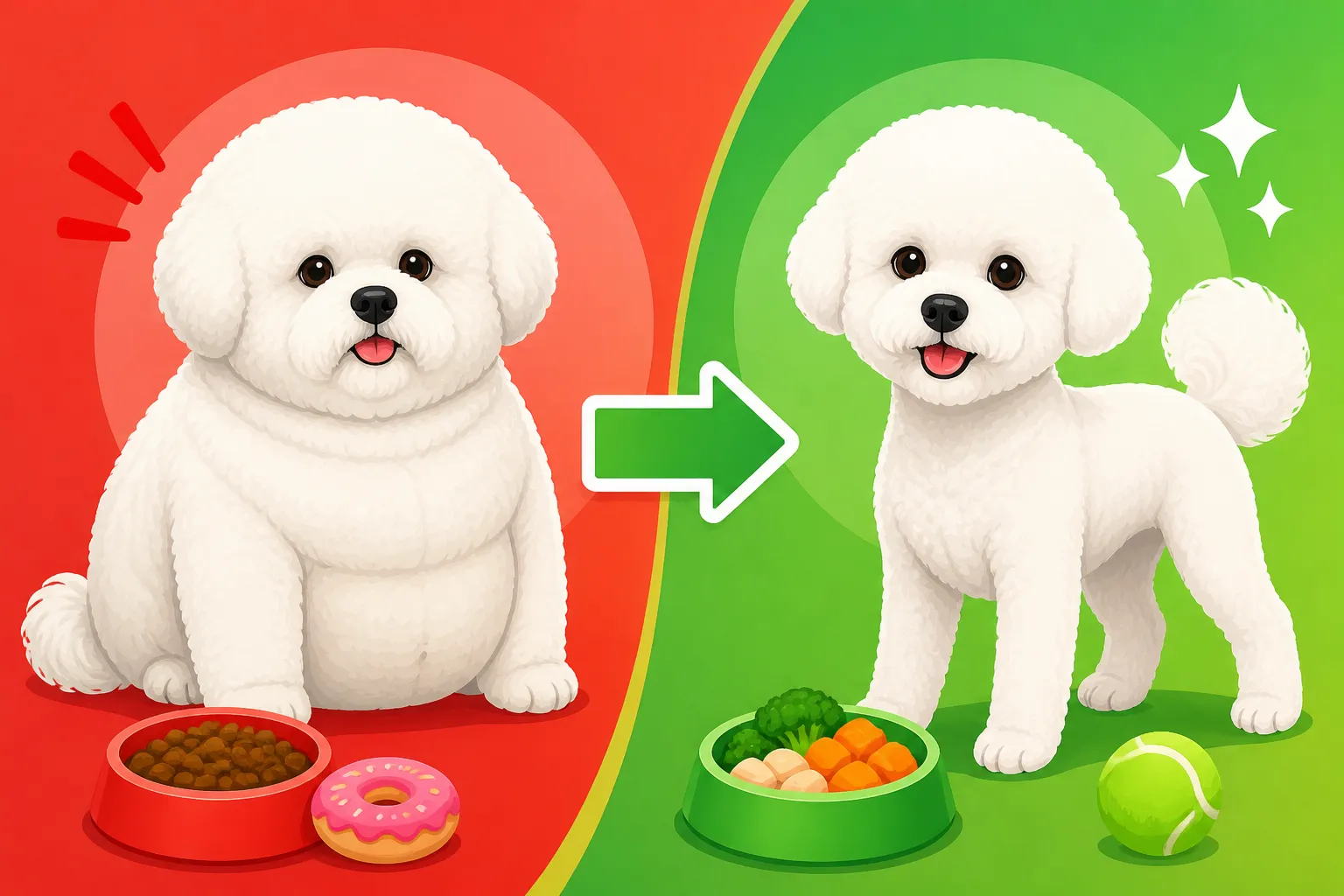
It’s a truly disheartening moment when you look at your beloved Bichon Frise and realize they’ve packed on a few too many pounds. You see that fluffy, white cloud of joy, and deep down, you know that extra weight isn't doing them any favors. It's easy for it to creep up; a little extra treat here, a slightly larger portion there, and suddenly their once spry bounce is more of a gentle waddle. This guide is all about helping you navigate the sometimes challenging but incredibly rewarding journey of getting your Bichon Frise back to a healthy, energetic weight, ensuring they can enjoy many more happy years by your side.
Understanding Why Your Bichon Frise Might Be Overweight
It's natural to feel a bit guilty when your dog is overweight, but please know you're not alone. Many Bichon Frise owners face this challenge. These charming little dogs are often masters of persuasion, especially when it comes to food, and their small size means even a tiny bit of extra weight can have a big impact. Understanding why they might be carrying extra pounds is the first step toward finding a solution.
The Sedentary Lifestyle Trap
Bichon Frises, despite their lively "Bichon Blitz" moments where they dash around the house like tiny, fluffy rockets, aren't typically known for needing hours of strenuous outdoor exercise. They are, by and large, indoor companions who love nothing more than being curled up on the sofa next to you. This sedentary inclination, combined with our busy lives, can easily lead to a calorie imbalance. If their energy intake from food and treats consistently exceeds the energy they burn through activity, weight gain is inevitable.
Think about a rainy day when walks are shorter or less frequent, or even just a period when you're less active yourself. Those extra calories from their regular meals or a few too many snacks quickly add up. For a small breed like the Bichon, even a pound or two over their ideal weight can be significant, stressing their joints and internal organs. It’s crucial to recognize that while they enjoy lounging, consistent, moderate activity is vital for their health.
Moreover, their small stature can sometimes make us underestimate their exercise needs. A brisk 20-30 minute walk twice a day, plus some playtime, might seem like a lot for a little dog, but it's often essential to keep their metabolism humming and their muscles toned. Without this, their natural tendency to be lapdogs can turn into a health disadvantage.
Portion Control and Sneaky Treats
This is often the biggest culprit! We love our Bichons, and expressing that love through food is a deeply ingrained human habit. A little bit of kibble added to the bowl, a few extra crunchy treats during training, or even sharing a tiny piece of your dinner (which, let's be honest, often isn't so tiny in dog terms) all contribute. What seems like a small indulgence to us can be a significant portion of a Bichon Frise's daily calorie allowance.
The serving suggestions on dog food bags are just that – suggestions. They're often calculated for an "average" dog of that weight with an "average" activity level. Your Bichon might need less, especially if they're particularly mellow or already a bit chunky. Moreover, we often forget to account for the calories in treats when we calculate their daily intake, leading to a silent but steady increase in their overall consumption. Imagine if every time you had a snack, you forgot to count those calories!
It's also worth considering that many commercial treats, even those marketed as "healthy," can be calorie bombs for a tiny Bichon. If your Bichon is on a special diet, such as for preventing bladder stones, then these treats could also interfere with their therapeutic food. A single dog biscuit might be equivalent to a human eating a couple of cookies. When these "sneaky treats" become a regular occurrence, the weight gain can be surprisingly rapid and stubborn. Signs a Bichon Frise Is Carrying Too Much Weight can sometimes be subtle, but a veterinarian can usually confirm it quickly.
Underlying Health Issues
While often it's a simple case of too many calories and not enough exercise, sometimes weight gain can be a symptom of an underlying medical condition. Conditions like hypothyroidism, where the thyroid gland doesn't produce enough hormones, can significantly slow down a dog's metabolism, leading to weight gain despite a normal diet and activity level. Similarly, certain medications, particularly long-term steroids sometimes used for allergies or other inflammatory conditions, can cause increased appetite and fluid retention, contributing to weight gain.
It's rare, but sometimes more serious issues like Cushing's disease, a hormonal disorder, can also manifest as weight gain, often accompanied by a pot-bellied appearance, increased thirst, and hair loss. If your Bichon Frise is gaining weight despite your best efforts with diet and exercise, or if you notice other symptoms, a trip to the vet is absolutely non-negotiable. They can perform diagnostic tests to rule out any medical causes and ensure that any weight loss plan you implement won't exacerbate an existing condition.
Getting a professional diagnosis ensures you're tackling the right problem. If there's an underlying medical issue, simply cutting calories might not be effective or even safe. Your vet can guide you on the best course of action, which might involve medication alongside dietary adjustments. They can also advise on Whether an Overweight Bichon Frise Risks Diabetes, as obesity is a significant risk factor for this and other serious health problems.
Calculating Your Bichon's Ideal Weight and Calorie Needs
Embarking on a weight loss journey for your Bichon Frise isn't just about guessing. It requires a thoughtful, calculated approach, much like planning a healthy diet for yourself. The goal isn't just to make them "skinnier" but to get them to their ideal healthy weight, where they can thrive.
How to Assess Your Bichon's Body Condition Score (BCS)
The Body Condition Score (BCS) is a standardized tool veterinarians use to assess a pet's fat reserves. It's much more informative than just stepping on a scale, as dogs come in different builds and sizes, even within the same breed. Most BCS systems use a 5-point or 9-point scale. A BCS of 3/5 or 4-5/9 is generally considered ideal for a Bichon Frise.
To check your Bichon's BCS at home:
- Feel their ribs: You should be able to easily feel their ribs when you run your hands along their sides without pressing hard. If you have to dig to find them, they're likely overweight. If you can see them prominently, they might be too thin.
- Look for a waist: When viewed from above, your Bichon should have an hourglass figure, with a noticeable tuck in behind their ribs and before their hips. If they look like a continuous cylinder, they're carrying too much weight.
- Check their abdominal tuck: When viewed from the side, their abdomen should tuck up, rather than sagging or hanging low.
This hands-on approach helps you understand their current state beyond just numbers. It’s a valuable tool to use regularly to monitor progress. Here's a simplified table to help you visualize:
| Body Condition Score | Appearance and Feel | Action Needed |
|---|---|---|
| Too Thin | Ribs, spine, pelvic bones easily visible from a distance. No discernible body fat. Obvious waist. Minimal muscle mass. | Increase food, vet check |
| Ideal | Ribs easily palpable without excess fat. Waist easily noted when viewed from above. Abdominal tuck present. | Maintain, healthy lifestyle |
| Overweight | Ribs palpable with difficulty; heavy fat covering. Waist absent or barely visible. Abdomen may sag. Noticeable fat deposits over lumbar area and tail base. | Start weight loss, vet check |
| Obese | Ribs not palpable under a very heavy fat covering. No waist or abdominal tuck. Obvious abdominal distention. Massive fat deposits over chest, spine, and tail base. | Urgent weight loss, vet check |
Working with Your Vet for a Tailored Plan
While a home BCS check is a great start, a veterinarian's assessment is truly invaluable. They can give you an accurate BCS, weigh your Bichon, and then, based on their ideal target weight and activity level, calculate their precise daily calorie needs. This isn't a one-size-fits-all approach; a tiny, older Bichon with arthritis will have different caloric requirements than a young, active one.
Your vet might recommend a specific therapeutic weight loss diet. These diets are formulated to be lower in calories but still provide all the essential nutrients, often with higher fiber content to help your dog feel full. They can also advise on appropriate exercise levels given your Bichon's current health status, especially if they have conditions like Slipping Kneecaps in a Bichon Frise or a heart murmur, which might require careful exercise modifications.
Don't hesitate to ask your vet for specific recommendations for portion sizes, types of food, and even how to integrate treats into the overall calorie count. They are your best resource for creating a safe, effective, and sustainable weight loss plan tailored just for your fluffy companion. They can also discuss potential medications and overall health, for instance, if your Bichon is past seven, checking for Cushing's Disease in a Bichon Frise Past Seven might be relevant.
Deciphering Food Labels and Calorie Counts
Understanding what you're actually feeding your Bichon is crucial. Dog food labels can be confusing, with all sorts of claims and percentages. The most important number for weight loss is the caloric content, usually listed as kcal/cup or kcal/kg. Once your vet gives you a target daily calorie intake, you can use this number to precisely measure out your Bichon's food.
Many quality dog food brands provide specific feeding guides that consider your dog's current weight and their ideal weight. Brands like Ollie, known for fresh, human-grade dog food, will often provide tailored feeding plans based on your dog's profile, making calorie tracking much simpler. When you're transitioning to a new food or simply adjusting portions, consistency is key. Using a measuring cup isn't always accurate; a small digital kitchen scale is far more precise for weighing out kibble, especially for small breeds where a few extra grams can make a big difference.
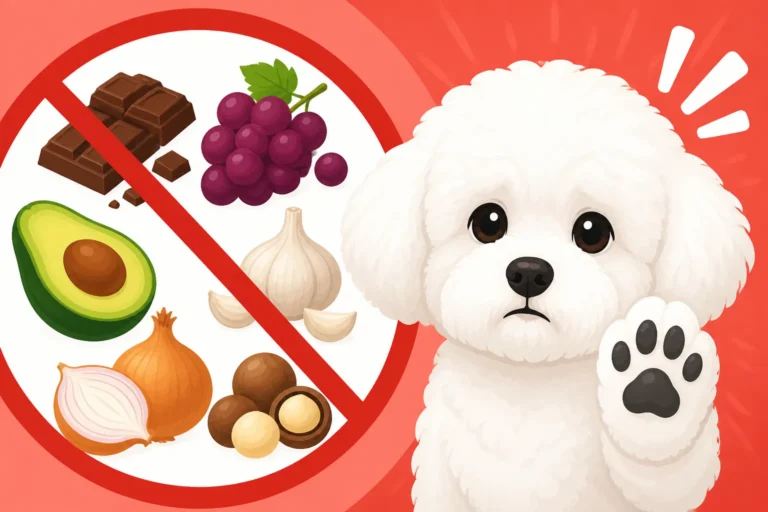
Remember to factor in all sources of calories. This includes every treat, every dental chew, and every bite of "people food." If your Bichon is on a special prescription diet, like one for urinary health, you must ensure any treats you give are compatible with that diet. Many pet stores, like Chewy, offer a wide selection of low-calorie treats or specific prescription-friendly options to help you stick to the plan. Reading labels carefully and being meticulous with measurements will prevent accidental overfeeding. You'd be surprised how quickly calories add up!
Practical Steps for a Successful Weight Loss Journey
Once you have a clear plan from your vet and understand your Bichon’s caloric needs, it’s time to put that plan into action. This journey requires commitment, patience, and a few smart adjustments to their daily routine.
Adjusting Food Portions and Meal Frequency
The most straightforward step is to reduce the amount of food your Bichon Frise consumes. If your vet has given you a specific daily caloric target, you'll need to calculate how much of their chosen food (whether it's their regular kibble or a new weight-loss formula) equates to that number. As mentioned, a kitchen scale is your best friend here, ensuring you're precise down to the gram. Instead of free-feeding, which makes it impossible to track intake, divide their daily allowance into two or three smaller meals.
For instance, if your Bichon currently gets one cup of kibble a day and needs to cut back by 20%, you'd reduce it to 0.8 cups. Splitting this into two meals (0.4 cups each) can help manage hunger and keep their metabolism more stable throughout the day. You might find that a lower-calorie, high-fiber food helps your Bichon feel fuller on fewer calories. Brands specifically formulated for weight management often incorporate these principles. Don't make drastic cuts overnight; gradual reductions are safer and less stressful for your dog. For guidance on appropriate amounts, review How Much an Adult Bichon Frise Eats Daily.
If your Bichon is particularly food-motivated and struggles with smaller portions, consider using slow-feeder bowls or puzzle toys. These devices make them work a little harder for their meal, extending mealtime and promoting a sense of satisfaction. They also slow down ingestion, which can aid digestion and prevent them from eating too quickly and then begging for more. This turns mealtime into a mental exercise, which is great for their overall well-being.
Smart Snacking and Healthy Alternatives
Treats are often a major source of hidden calories. This doesn't mean you have to eliminate them entirely, but you do need to be strategic. First, choose low-calorie, healthy alternatives. Small pieces of plain cooked chicken breast, green beans, carrots, or even air-popped popcorn (without butter or salt) can be excellent, satisfying options. These are often much lower in calories than traditional store-bought dog biscuits.
Secondly, integrate treats into their daily calorie count. If your Bichon receives 50 calories in treats, subtract those 50 calories from their meal portion for that day. This ensures their total daily intake stays within the vet-approved limit. You can also save their favorite high-value treats for training sessions, making them more impactful and purposeful. Many owners find value in using small, soft training treats that can be broken into even tinier pieces, so one treat can last for several rewards.
Finally, think about non-food rewards. A game of fetch, extra belly rubs, a short walk, or some dedicated playtime can be just as rewarding for your Bichon as a treat. This helps them understand that your affection isn't solely tied to food and encourages them to be more active. If you purchase treats, look for "light" or "weight management" options, available from retailers like Amazon and Chewy, but always check the calorie count per treat.
Increasing Activity Levels Safely
Exercise is the other crucial half of the weight loss equation. For a Bichon Frise, increasing activity means finding fun, consistent ways to get them moving without over-straining them. Start gradually. If your Bichon is currently very sedentary, don't jump straight into long, intense walks. Begin with shorter, more frequent walks – perhaps 10-15 minutes, three times a day, slowly increasing the duration and pace as their stamina improves.
Varying their exercise routine can keep things interesting. Beyond walks, consider playtime in a secure yard or indoors. Fetch, tug-of-war, or even just chasing a laser pointer (supervised, of course, to avoid frustration) can burn calories and engage their minds. Some Bichons enjoy exploring new environments, so changing up your walking routes can add mental stimulation. Remember, the goal is consistent, moderate activity rather than sporadic bursts of intense exercise. The Bichon Blitz and What It Means is a natural burst of energy, but sustained activity is more beneficial for weight loss.
If your Bichon has joint issues, such as Grading a Bichon Frise's Luxating Patella, or is older, consult your vet about the safest exercise options. Swimming can be a fantastic, low-impact exercise for dogs with joint problems, if available and if your Bichon enjoys it. Consider enrolling in a puppy or basic obedience class, even for an adult dog, as the structured activity and mental engagement can be very beneficial. A dog walker might be an option if your schedule doesn't allow for consistent walks; for more details, see Whether a Bichon Frise Needs a Dog Walker.
The Importance of Consistency and Tracking Progress
Weight loss in dogs, much like in humans, isn't a linear process. There will be good days and challenging days. Consistency is the single most important factor for success. Stick to the feeding schedule, measure food accurately every time, and maintain a regular exercise routine. Small deviations can add up quickly for a little Bichon.
Tracking your Bichon's progress will help keep you motivated and allow you to make adjustments as needed. Weigh your Bichon weekly or bi-weekly at the same time of day (e.g., before their first meal). Many vet clinics will allow you to pop in just for a quick weigh-in. Also, regularly perform the BCS check you learned earlier. Are their ribs easier to feel? Is their waist more defined? These visual and tactile cues are just as important as the number on the scale.
Celebrate small victories! Did your Bichon walk an extra five minutes without getting winded? Did they play enthusiastically for longer than usual? Acknowledging these positive changes keeps both you and your Bichon motivated. Remember that steady, gradual weight loss (typically 1-2% of their body weight per week) is healthier and more sustainable than rapid, drastic changes. Patience is paramount, and it contributes positively to The Fourteen to Fifteen Years a Bichon Frise Lives that your fluffy friend should enjoy.
Common Pitfalls and How to Overcome Them
Even with the best intentions, the weight loss journey for your Bichon Frise can hit snags. Understanding these common challenges and having strategies to overcome them will greatly increase your chances of success.
Dealing with a Finicky Eater
Some Bichons can be notoriously picky, and suddenly changing their food or drastically reducing portions can make them even more resistant. If your vet has recommended a prescription weight-loss diet, your Bichon might initially turn their nose up at it. The key here is gradual transition and making the new food more appealing without adding extra calories.
When introducing a new food, mix a small amount with their old food and gradually increase the proportion of the new food over 7-10 days. This allows their digestive system to adjust and makes the change less abrupt for their palate. If your Bichon is still resistant, try warming the food slightly (if it's canned or a fresh food like Ollie) to enhance the aroma, or add a tiny amount of low-sodium chicken broth (ensuring no onion or garlic) as a "topping." Avoid adding high-calorie mixers. If your Bichon is truly a Whether a Bichon Frise Is a Fussy Eater, your vet might have specific tricks up their sleeve.
Sometimes, a finicky eater isn't actually being finicky but just holding out for better options (i.e., your food!). It's important to establish that their meal is what's on offer. Put the food down for 15-20 minutes. If they don't eat it, pick it up and offer it again at the next mealtime. Don't offer alternatives or extra treats between meals, as this reinforces their pickiness. They will eventually eat when they're hungry.
Managing Multiple-Dog Households
If you have more than one dog, especially if one needs to lose weight and the others don't, mealtime can become a logistical challenge. It's difficult to ensure your overweight Bichon isn't sneaking bites from another dog's bowl or that the other dogs aren't gobbling up the weight-loss food. The simplest solution is to feed your dogs separately.
This could mean feeding them in different rooms, using crates, or supervising mealtime closely to ensure each dog only eats their designated portion. If one dog is a slow eater, remove their bowl after a set time (e.g., 15 minutes) to prevent the overweight Bichon from finishing it off. For treats, give them separately and ensure all treats offered to the overweight Bichon are low-calorie and counted towards their daily intake. This level of supervision and structured feeding prevents accidental calorie overconsumption and ensures all dogs get the nutrition they need.
Another consideration in multi-dog households is activity. If your Bichon is typically less active than a housemate, you'll need to ensure they're getting their own dedicated exercise time, rather than just relying on group play that might not challenge them enough. This might mean separate walks or focused play sessions. What a Bichon Frise Needs Every Day includes dedicated exercise, which is even more crucial when one dog is on a weight loss journey.
Staying Motivated and Celebrating Small Wins
Weight loss is a marathon, not a sprint. There will be weeks where the scale doesn't budge, or even seems to go up slightly. It’s easy to get discouraged, but consistency over time is what truly matters. Remind yourself why you're doing this – for your Bichon's health, longevity, and quality of life. An overweight dog is at higher risk for numerous health problems, from arthritis to diabetes.
Keep a detailed log of their food intake, exercise, and weight. Seeing the progress charted over weeks and months, even with small plateaus, can be incredibly motivating. Share your journey with friends or family who can offer support and encouragement. You can also connect with online communities of Bichon Frise owners or dog weight loss groups for advice and solidarity.
Finally, celebrate every milestone! When their ribs are easier to feel, when they can walk a bit further without panting, or when they hit a new, lower weight on the scale, acknowledge your hard work and your Bichon's effort. These aren't just weight goals; they are health goals. A healthy weight means a happier, more energetic Bichon, capable of enjoying life to its fullest. Your dedication is directly contributing to their well-being and helping them live a long, vibrant life.
Disclaimer
This article is for general informational purposes only and does not constitute professional advice. Laws, prices and regulations vary by location and change over time. Consult a qualified professional for guidance on your specific situation.