Whether a Bichon Frise Needs Its Feet Trimmed Round
One of the trickiest parts of keeping a Bichon Frise's beautiful coat pristine is managing those little feet. Many owners struggle to know if they should trim the hair around the paws at all, let alone whether it needs to be perfectly round. This guide will walk you through the ins and outs of trimming your Bichon Frise's feet, explaining the why, the how, and the benefits of maintaining those adorable, neat paws.
The Purpose of Trimming a Bichon Frise's Feet
Trimming the hair around your Bichon Frise's paws isn't just about aesthetics; it's a crucial part of their overall hygiene, health, and comfort. Neglecting this area can lead to a host of problems that are easily preventable with regular care. It's a task that might seem daunting at first, but with a little practice and the right approach, it becomes a routine that benefits both you and your furry companion.
Keeping Them Clean and Preventing Mats
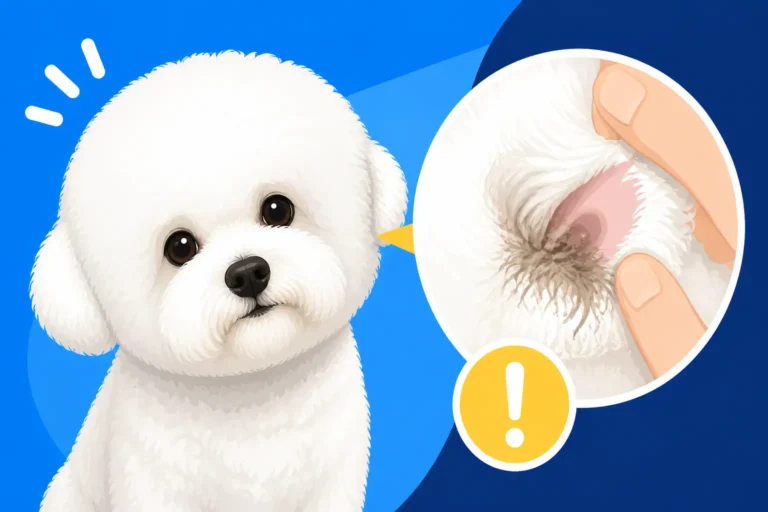
Think about how much your Bichon Frise’s paws interact with the world. Every step they take outside, every puddle they splash through, every crumb they investigate on your kitchen floor – it all gets picked up by the long hair between their paw pads and around their toes. If this hair is left untrimmed, it becomes a magnet for dirt, debris, mud, and even tiny burrs or foxtails. These foreign objects can become deeply embedded, causing irritation, discomfort, and even infection.
Beyond the cleanliness factor, untrimmed paw hair is a prime candidate for matting. Mats between the pads can be incredibly painful, pulling on the skin with every step. They can also create a moist, warm environment that’s perfect for yeast and bacterial infections to thrive. Imagine trying to walk with pebbles stuck between your toes, or with a tight knot constantly tugging at your skin – that’s what it can feel like for your Bichon. Regular trimming helps prevent these painful mats and keeps their paws much cleaner, reducing the amount of grime they track into your home. It's a vital step in The Six Week Bichon Frise Groom That Never Stops.
Improving Traction and Comfort
Those fluffy little feet might look cute, but excessive hair around and between the paw pads can actually hinder your Bichon Frise’s ability to walk and play safely. The paw pads are like the soles of their shoes, providing essential grip and traction on various surfaces. When long hair grows over and obscures these pads, it reduces their contact with the ground, making them more prone to slipping and sliding, especially on smooth surfaces like hardwood floors or tiles. This can be a particular concern for older dogs or those with orthopedic issues, where a slip could lead to a serious injury. You might find yourself wondering Whether Slippery Floors Hurt a Bichon Frise.
Beyond safety, consider the sheer comfort. When the hair between the pads gets too long, it can splay out, making their gait awkward and uncomfortable. It’s like trying to walk in shoes that are too big or have something constantly pressing into the sole of your foot. A neat, tidy trim allows their paw pads to fully connect with the ground, providing better balance, stability, and overall comfort during their daily walks and spirited "Bichon blitzes" around the house. It's about letting them move freely and confidently, without any unnecessary furry interference.
Maintaining the Breed's Signature Look
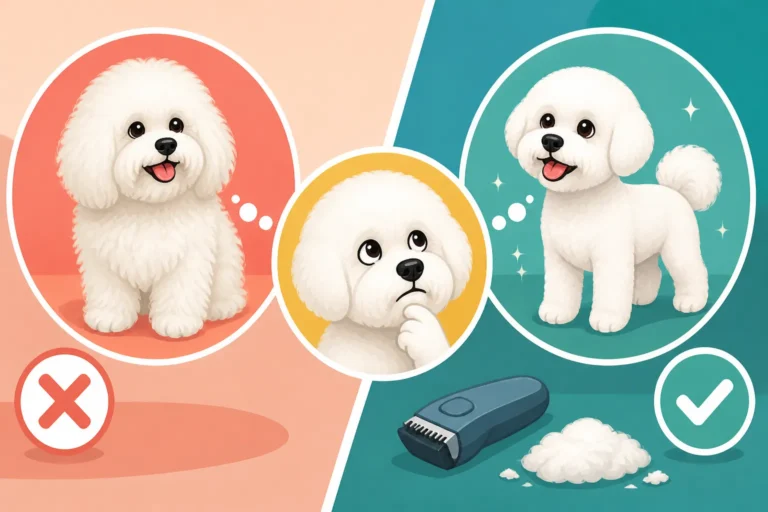
While health and comfort are paramount, let's be honest, the Bichon Frise is renowned for its specific, adorable appearance, and that includes their feet! The breed standard often describes neat, round, "cat-like" feet. This isn't just a quirky detail; it contributes to the overall balanced and fluffy "powder puff" silhouette that makes a Bichon a Bichon. Allowing the hair on the feet to grow wild and scraggly detracts from this characteristic look.
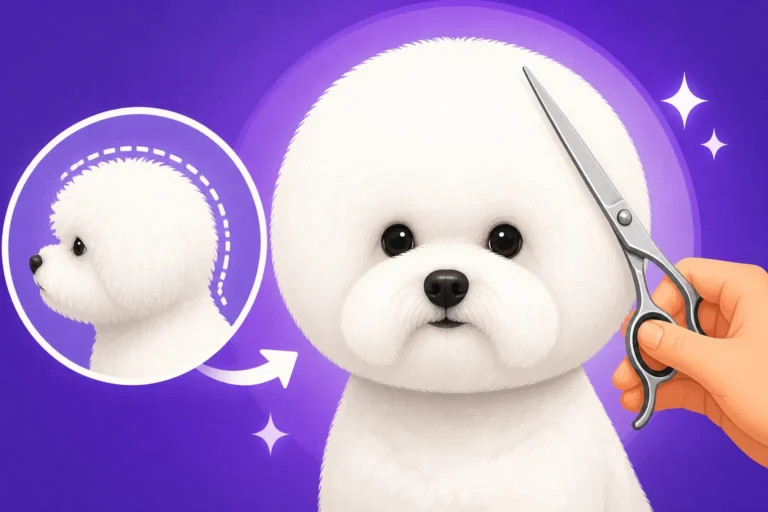
A well-groomed Bichon Frise, from head to tail, showcases the care and attention their owner provides. The neatly trimmed, rounded feet complete the picture, giving them that polished, perfectly coiffed appearance. For those who enjoy showing their Bichon or simply appreciate the breed's classic aesthetic, achieving this specific foot trim is essential. It's part of the artistry of Bichon grooming and a testament to understanding The Powder Puff Outline a Bichon Frise Is Scissored Into.
Why "Round" Matters for Bichon Frise Feet
So, we've established that you should trim your Bichon's feet. But why specifically "round"? It sounds almost prescriptive, doesn't it? It goes beyond simply neatening things up; it's about achieving a particular shape that is both functional and aesthetically pleasing for this wonderful breed.
The "Cat Foot" Ideal
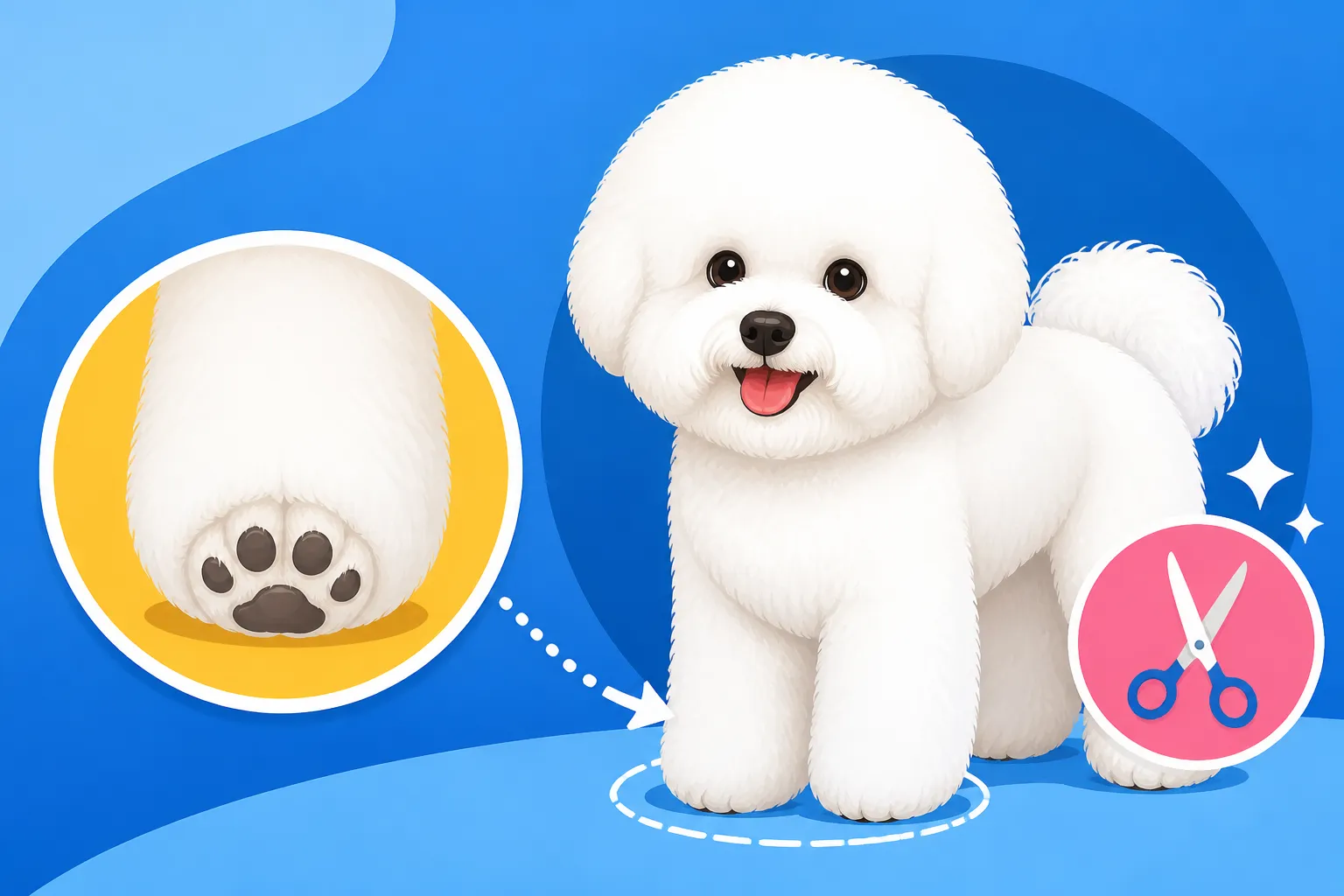
The term "cat foot" is often used in canine breed standards, including that of the Bichon Frise, to describe a compact, round, tightly arched foot with well-knuckled toes. Think of the neat, round shape of a cat's paw. This type of foot is considered strong and efficient, providing good support and minimizing the surface area exposed to potential injury or debris. For a Bichon Frise, the grooming ideal is to sculpt the hair on the foot to accentuate this naturally compact "cat foot" structure.
When you trim the hair round, you're essentially creating a neat, spherical puff of hair that encloses the paw, mimicking that ideal cat-like shape. This ensures that no long, straggly hairs are hanging down to pick up dirt, and it frames the foot beautifully. It’s a deliberate, artistic choice in grooming that highlights the natural conformation of their feet, rather than letting them look like furry slippers dragging on the ground.
The Difference Between a Pet Trim and a Show Trim
You might be thinking, "My Bichon isn't a show dog, do I still need to be so precise?" And the answer is, while the level of precision may vary, the principle of keeping the feet neat and round remains beneficial for every Bichon.
For a show dog, the "round" foot is an absolute requirement, meticulously sculpted to perfection. Every strand of hair is placed and trimmed to create that flawless, spherical appearance that judges expect. This often involves specific types of scissors and an experienced hand to achieve the precise outline that completes the Bichon's iconic show ring look.
For a pet Bichon, the approach can be a bit more forgiving. You're still aiming for a neat, rounded appearance, but perhaps without the intense pressure for absolute perfection. The goal is to keep the hair short enough between the pads for traction and hygiene, and to trim the perimeter of the foot so it forms a pleasing, soft circle. This prevents mats, maintains comfort, and still looks wonderfully tidy without necessarily demanding the same level of time and dedication as a competitive show groom. Ultimately, it’s about balancing practicality with the charming Bichon aesthetic.
Tools and Techniques for Achieving a Round Foot
To get that perfect round foot, you'll need a few specific tools and a steady hand. Don't worry, it's not as complex as it might sound, especially for a pet trim.
First, you'll want a good pair of blunt-nosed or ball-tipped grooming scissors. These are designed with rounded ends to minimize the risk of accidentally poking or injuring your dog, especially when working in sensitive areas like between the toes. A pair of straight grooming shears can also be useful for the initial shaping around the foot. For thinning out thicker hair or blending, thinning shears can be a good addition. You'll also need a fine-toothed comb to brush the hair out before trimming, and to check your work. Many excellent tools can be found on platforms like Amazon or Chewy.
The basic technique involves holding your Bichon's paw, gently pushing the hair from the pads and between the toes outwards, and carefully trimming it flush with the pads. Then, you'll comb the hair on the top and sides of the foot outwards, away from the paw, and use your scissors to carefully trim around the perimeter, creating that rounded shape. Imagine drawing a perfect circle around the paw and gently trimming along that line. Always make small snips, and step back frequently to assess the shape. For a more detailed guide, researching videos on "Bichon Frise round foot trim" can offer invaluable visual instruction. Remember to take your time, keep your dog calm, and always prioritize safety over perfection.
Practical Steps for Trimming Your Bichon Frise's Feet
Trimming your Bichon Frise's feet might feel intimidating, especially the first few times. But breaking it down into manageable steps, coupled with patience and the right attitude, can make it a much less stressful experience for both of you. Consistency is key, and the more often you do it, the more accustomed your Bichon will become.
Gathering Your Supplies
Before you even think about picking up those scissors, make sure you have everything you need laid out and ready. This minimizes fumbling and keeps your Bichon from getting restless or scared by sudden movements to grab tools. A calm, prepared environment makes a world of difference.
Here’s your essential toolkit:
- Blunt-nosed/Ball-tipped Grooming Scissors: These are a non-negotiable safety item.
- Fine-toothed Metal Comb: For brushing out hair and checking for mats.
- Slicker Brush: To ensure the hair is thoroughly brushed before combing.
- Nail Clippers (or Grinder): You'll want to trim the nails first, as long nails can make the paw look splayed and interfere with trimming the hair.
- Styptic Powder: Just in case you snip a nail too short and cause a tiny bleed. Better safe than sorry!
- High-Value Treats: Reward, reward, reward!
- A Non-Slip Surface: A grooming table with a non-slip mat, or even just a bath mat on a stable surface, will provide security for your dog.
Having everything within arm's reach means you can focus entirely on your Bichon and the task at hand. Remember, you can easily source these specialized grooming tools from trusted online retailers such as Chewy or Amazon, often with reviews to help you pick the best ones.
The Step-by-Step Process
Once your tools are ready and your Bichon is calm and comfortable, you can begin. Take your time, and don't feel pressured to get it perfect on the first try. Short, positive sessions are far better than long, stressful ones.
- Brush and Comb: Start by thoroughly brushing and then combing out all the hair on your Bichon’s feet and legs. Any tangles or mats need to be worked out before you trim. You can’t get a clean, even cut on matted hair. This also gives you a clear view of the nails.
- Trim Nails: Always do the nails first. Long nails push the paw pads up, making it harder to trim the hair correctly and safely. Use your clippers or grinder, being careful not to cut into the quick. If you need a refresher on this, looking up guides on Whether a Bichon Frise's Nails Are Hard to See can be helpful.
- Trim Between Pads: Gently hold the paw, spreading the toes slightly. Use your blunt-nosed scissors to carefully trim the hair that grows between the paw pads. Aim to trim it flush with the pads. Be extremely cautious here; the skin in this area is very delicate. Work slowly, and always keep the scissor tips pointing away from the pads.
- Shape the Perimeter (The "Round"): Now for the signature round shape! Comb all the hair on the top and sides of the paw downwards, over the pads, so it forms a fringe. Imagine your Bichon is standing on a flat surface, and you want the hair around the foot to form a perfect circle. Carefully use your scissors to trim this fringe in a rounded fashion. You’re essentially creating a neat, fluffy pom-pom shape. Turn the paw slightly as you go, to ensure an even, symmetrical circle from all angles.
- Check Your Work: Comb the hair again and check for any uneven bits or stragglers. You can gently push the foot down onto a flat surface to see how it looks when your Bichon is standing. Make any minor adjustments as needed.
- Reward! Lavish your Bichon with praise and treats throughout the process, and especially at the end. Make it a positive experience so they associate foot trims with good things.
Dealing with Difficult or Anxious Dogs
Let's face it, not every Bichon Frise is going to lie calmly like a little cloud while you trim their feet. Some dogs are naturally more sensitive about their paws, while others might have had a bad experience in the past. This is where patience, positive reinforcement, and a bit of creativity come in. If your Bichon shows discomfort or fear during grooming, it's crucial to address it gently. Addressing anxieties about handling is often key to Teaching a Bichon Frise to Stand for an Hour of Scissoring.
Start with very short sessions. Even just touching their paws and giving a treat, then putting the scissors away, can be a huge step. Gradually increase the duration and intensity. Practice holding their paws without trimming, then introduce the sound of the scissors (clipping them in the air away from your dog), pairing it with treats. When you do start trimming, do one paw, or even just a few snips, and then take a break.
Consider working with another person if your dog is particularly wiggly – one person can gently hold and reassure, while the other trims. If you're encountering significant resistance or fear, don't force it. Pushing a fearful dog can lead to a negative association with grooming that's hard to break. In such cases, consulting with a professional groomer or even your vet for advice on desensitization techniques can be incredibly helpful. Sometimes, dogs who are in pain (perhaps from matted hair or long nails) might become defensive, so ensuring they are free from discomfort is the first step.
When to Seek Professional Help
While home grooming can be very rewarding, there are definitely times when handing over the clippers to a professional is the best course of action. It's not a sign of failure; it's a sign of a responsible pet owner who knows their limits and prioritizes their dog's well-being.
The Benefits of a Professional Groomer
Professional groomers are trained experts who handle countless dogs with various coat types and temperaments every day. They have specialized tools, extensive experience, and an eye for detail that can be hard for an amateur to match. Here’s why a professional groomer can be a fantastic resource:
- Expertise: They understand the nuances of the Bichon Frise coat and breed standard, including how to achieve that perfect round foot, which is part of The Powder Puff Outline a Bichon Frise Is Scissored Into. They know how to handle different coat textures, whether it's soft puppy fuzz or a more mature, dense adult coat.
- Safety: Grooming scissors are sharp, and dogs can be unpredictable. Professionals are skilled at safely handling dogs, even wiggly ones, and minimizing the risk of nicks or cuts.
- Efficiency: What might take you an hour of careful, slow work, a professional can often do in a fraction of the time, often with less stress for your dog.
- Full Service: Beyond just the feet, they can take care of the entire groom, from bathing and drying to ear cleaning and anal gland expression. This holistic approach ensures all aspects of your Bichon's hygiene are addressed. You might be interested in What a Full Bichon Frise Groom Costs to understand the investment.
- Early Detection: Groomers often spot skin issues, lumps, ear infections, or other problems you might miss, acting as an extra set of eyes on your dog's health.
Recognizing When It's Too Much for DIY
There are clear indicators that it might be time to call in the professionals for your Bichon's foot trimming:
- Fear or Aggression: If your Bichon becomes genuinely fearful, snaps, growls, or tries to bite during nail trims or foot trimming, stop immediately. Pushing them further can worsen their anxiety and make future grooming impossible. This is especially true if you suspect Whether a Bichon Frise Learns to Fear the Groomer After Pain from a previous bad experience.
- Mats and Tangles: If the hair on their feet is severely matted or tangled, trying to remove these yourself with scissors can be dangerous. It's incredibly easy to cut skin hidden within a tight mat. A professional has the right tools and techniques to safely demat or, if necessary, shave the matted areas.
- Lack of Confidence: If you feel shaky, unsure, or worried about hurting your dog, it's better to defer to an expert. Your anxiety can transfer to your dog, making the experience worse for both of you.
- Repeated Nicks or Cuts: Even with blunt-nosed scissors, accidents can happen. If you find yourself frequently causing nicks or cuts, it's a clear sign that professional help is needed to prevent injury.
- Splayed Feet or Uneven Trim: If you're consistently struggling to achieve that neat, round "cat foot" look, and your Bichon's feet look messy or splayed after your attempts, a professional groomer can demonstrate the proper technique or take over the task entirely.
Finding a Groomer Who Understands the Bichon Look
Not all groomers are created equal, especially when it comes to breed-specific trims like the Bichon Frise's. When choosing a groomer, it's worth doing your homework.
Look for groomers who have experience with Bichons or other similar curly-coated breeds. Ask to see photos of their work, specifically Bichons if possible. Many groomers will be proud to show off their portfolio. A good groomer should be able to articulate their understanding of the Bichon breed standard and how they approach grooming their feet, body, and head to achieve the correct "powder puff" outline.
Word-of-mouth recommendations from other Bichon owners in your area can also be incredibly valuable. Don't hesitate to visit a salon, observe the environment, and speak with the groomers before booking an appointment. Finding a groomer who you and your Bichon trust will make all the difference in maintaining those perfectly round, healthy feet.
Here's a quick comparison of the pros and cons of DIY vs. Professional foot trimming:
| Feature | DIY Foot Trimming | Professional Foot Trimming |
|---|---|---|
| Cost | Initial investment in tools, then free | Recurring cost per groom |
| Convenience | On your own schedule, at home | Requires booking appointments and travel |
| Skill Level | Requires learning and practice | Performed by trained experts |
| Safety Risk | Higher risk of nicks/cuts for beginners | Lower risk due to experience and specialized tools |
| Aesthetic Result | Varies, can be challenging to achieve perfection | Consistent, breed-standard compliant look |
| Stress Level | Can be stressful for both if dog is uncooperative | Often less stressful due to groomer's handling skills |
| Time Commitment | Can be time-consuming for beginners, needs regularity | Quick and efficient, as part of a full groom |
| Hygiene | Ensures mats are prevented and paw pads are clean | Ensures mats are prevented and paw pads are clean |
| Problem Solving | Limited to basic issues | Can address mats, behavioral issues, and detect health concerns |
Disclaimer
This article is for general informational purposes only and does not constitute professional advice. Laws, prices and regulations vary by location and change over time. Consult a qualified professional for guidance on your specific situation.