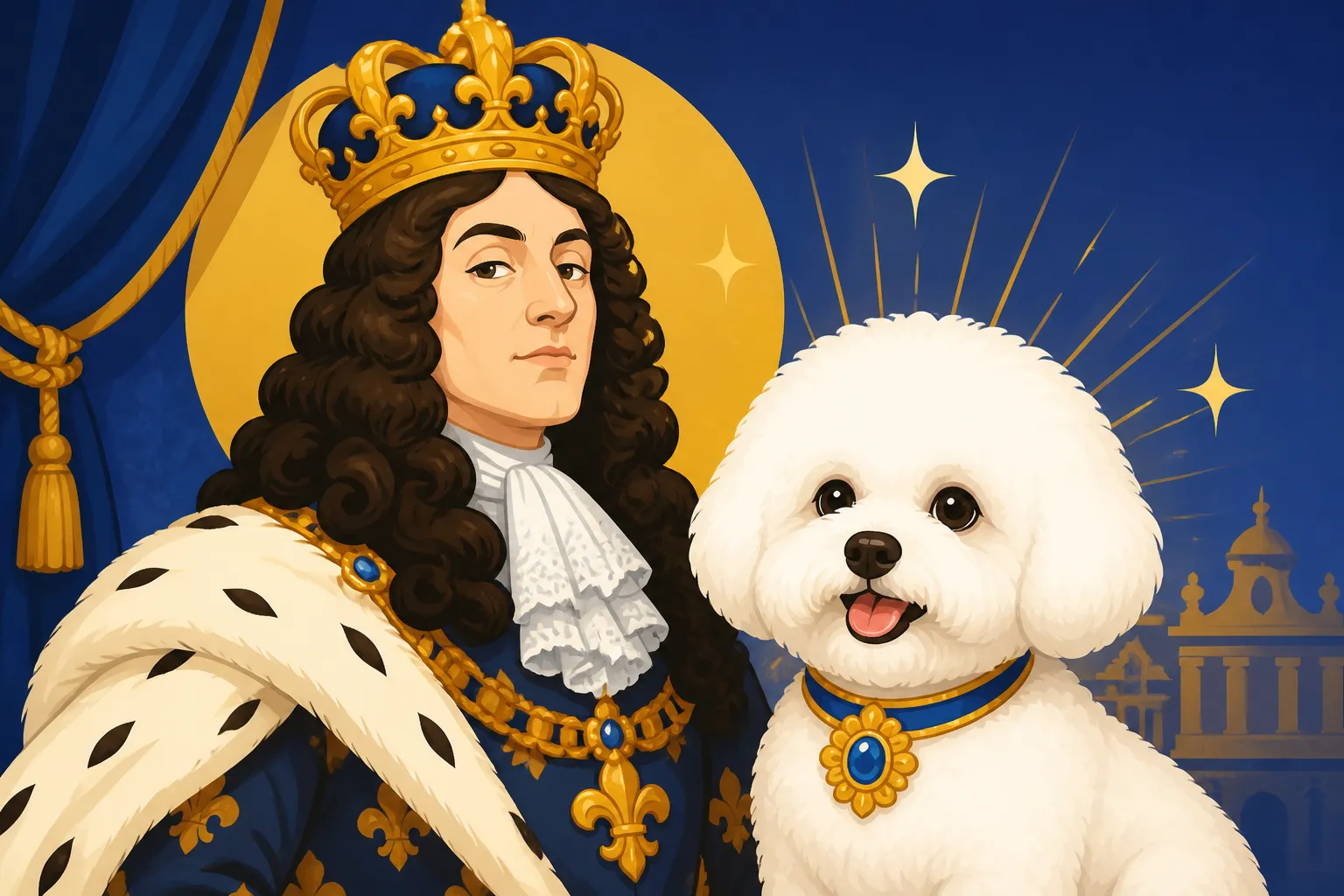
Which French King Made the Bichon Frise Fashionable
Many people adore the fluffy, cheerful Bichon Frise, but often don't realize the incredibly rich and sometimes surprising history behind this beloved breed. It’s easy to imagine these little white dogs gracing royal laps, but pinpointing exactly which French monarch first elevated them to such a fashionable status can be a bit of a historical puzzle. This guide will take a deep dive into the fascinating story of the Bichon Frise and shine a spotlight on the specific king who truly made them a sensation in the French court.
The Bichon Frise's Journey to French Royalty
Before these charming dogs captivated the French aristocracy, they had quite the adventurous life. Their story is one of travel, adaptation, and an undeniable ability to charm anyone they met, from common sailors to the highest nobility. Understanding this early history is key to appreciating how they eventually became a symbol of status and luxury in France.
From Seafaring Companions to Noble Laps
The ancestors of the Bichon Frise were likely dogs brought by sailors around the Mediterranean Sea. They were practical companions on ships, probably helping with vermin control and certainly providing comfort during long voyages. These dogs, often referred to as "Barbichons" or "Tenerife dogs," were hardy, intelligent, and relatively small, making them ideal travel buddies. They weren't just decorative; they were part of the crew, navigating the bustling port cities and island stops. It’s a far cry from the pampered pets we imagine today, isn't it? Yet, even then, their bright personalities must have made them cherished, regardless of their station. This lineage connects them to a broader family of white, fluffy dogs that traveled extensively. The Canary Island the Bichon Frise Is Named After provides more detail on their geographical origins.
From the docks and the decks, these little white dogs eventually made their way into the homes of merchants and then, gradually, into the more refined circles of Italian nobility. This was their first step up the social ladder, where their charming disposition and manageable size made them appealing indoor pets. They were still quite robust, but their gentle nature and bright eyes were starting to be noticed for their aesthetic and companion qualities rather than just their utility.
The Italian Connection Paves the Way
It was in Italy that the Bichon type really began to flourish in aristocratic circles. Italian noblewomen, particularly during the Renaissance, fell in love with these playful, affectionate dogs. They were often depicted in portraits, draped in silks, and treated with immense affection, a clear sign of their growing status. This Italian appreciation was a crucial stepping stone. Italy was a hub of culture and fashion, and trends there often spread to other European courts, including France.
The trade routes and political alliances of the time meant a constant exchange of goods, ideas, and, yes, even beloved pets between Italy and France. As French aristocrats observed their Italian counterparts' fondness for these charming white dogs, it was only a matter of time before they too wanted to partake in this fashionable trend. The stage was set for their grand entrance into the most influential court in Europe. You can explore more about their broader family by reading The Barbichon Family the Bichon Frise Belongs To.
Early French Encounters and Pre-Fame Glimmers
While it’s tempting to pinpoint one single moment of widespread fame, the Bichon Frise, or its direct ancestors, likely had sporadic appearances in France before truly becoming a court sensation. History is rarely a clean, linear path, and popular trends often have roots in earlier, less publicized instances.
A Brief Mention in the French Court Before Mass Popularity
Before the Bichon Frise truly exploded in popularity, there were certainly isolated instances of similar small, white dogs gracing French homes. Courtiers, travelers, and even some lesser nobles would have encountered these charming canines through various means, perhaps through trade or diplomatic exchanges with Italy or Spain. They were admired, no doubt, for their gentle temperaments and attractive appearance.
However, these were likely individual pets, appreciated by their owners, rather than a widespread phenomenon or a deliberate fashion statement endorsed by the highest echelons of power. It's like a new style of art or music; it often gains a small following before truly capturing the zeitgeist and becoming the thing everyone wants. For centuries, dogs of various shapes and sizes had their place, but the Bichon hadn't yet been singled out as the must-have companion.
Why They Weren't Yet a Widespread Phenomenon
The lack of widespread popularity in earlier French courts could be attributed to several factors. For one, the concept of specific dog breeds as we understand them today was still evolving. Dogs were often grouped by type rather than precise breed standards. Secondly, while some nobles might have appreciated small companions, the general focus of the court was often on larger hunting dogs, or dogs that symbolized power and majesty. A tiny, fluffy white dog didn't quite fit that traditional mold of royal canine companionship.
Furthermore, trends needed a strong catalyst to take hold. Without a prominent figure to champion them, or a particular cultural shift, these delightful dogs remained charming but niche pets. They were waiting for their moment, a moment that would arrive with a king known for his discerning tastes and love for luxurious living. They were just delightful pets, perhaps found through connections or from traveling abroad, much like someone might discover a unique item today from a specialty store like Chewy, but without the broad appeal that social media now creates.
King Henry III: The Monarch Who Made Them Fashionable
And so, we arrive at the pivotal figure in the Bichon Frise's rise to fame: King Henry III of France. His personal adoration for these dogs was so profound and well-documented that it fundamentally transformed their status from charming curiosities to indispensable accessories of the French court.
A King's Deep Affection for His Bichons
King Henry III, who reigned from 1574 to 1589, was famously devoted to his small white dogs. He was known to carry them everywhere, nestled in a special basket or even in a pouch tied around his neck, a practice that seems utterly adorable and slightly extravagant all at once. Imagine the king, conducting affairs of state, signing decrees, or attending grand ceremonies, all with his beloved Bichon by his side or peeking out from its custom-made carrier. This wasn't just a casual fondness; it was a deep, public affection that quickly became a hallmark of his reign.
He would lavish attention on them, often neglecting his duties or allowing them to interrupt important meetings. Historical accounts describe him spending considerable time grooming his dogs, powdering their coats, and adorning them with ribbons and bows. This personal, almost obsessive devotion from the highest authority in the land sent a clear message: these dogs were special, worthy of the greatest care and attention. This level of pampering set a new standard for pet ownership within the aristocracy.
The Courtly Craze: From Royal Companion to Status Symbol
Henry III's visible infatuation had an immediate and profound ripple effect throughout the French court. What the king cherished, his courtiers quickly sought to imitate. Owning a small white dog, specifically a Bichon type, became an instant marker of status, sophistication, and a keen eye for fashion. Nobles scrambled to acquire their own "Bichonnerie," as these dogs were sometimes called, eager to emulate the monarch and signal their own adherence to the latest trend.
The demand for these dogs skyrocketed, transforming them from relatively obscure pets into highly sought-after commodities. Everyone who was anyone wanted a miniature, fluffy companion to parade through the palace halls. This wasn't merely about owning a pet; it was about participating in a cultural phenomenon led by the king himself. The Bichon became more than just a dog; it was a living accessory, a conversation starter, and a clear indicator of one's place within the fashionable elite.
The Impact on the Breed's Status and Breeding
The intense popularity spurred by Henry III had several significant impacts on the Bichon Frise. Firstly, it solidified their position as a highly desirable companion animal, a role they would largely maintain for centuries. Secondly, it likely led to more deliberate breeding practices, focusing on maintaining their characteristic white coat, small size, and cheerful temperament, qualities that made them so appealing to the aristocracy. Breeders would have been incentivized to produce more of these fashionable dogs to meet the insatiable demand.
This era also cemented the breed's image as a symbol of luxury and leisure. They were dogs of comfort and companionship, valued for their presence and charm rather than any working ability. This association with wealth and privilege meant they were often lavished with fine food, elaborate accessories, and the best care available, including regular grooming to maintain their pristine white coats – much like modern owners today might order specialized grooming supplies or premium food from retailers like Chewy.
The Bichon Frise's Enduring Legacy in French Culture
While Henry III certainly sparked the initial craze, the Bichon Frise's appeal wasn't a fleeting trend that vanished with his reign. The breed held a cherished place in French society, particularly among the upper classes, for a significant period afterward, adapting and surviving through periods of immense social upheaval.
Enduring Appeal Among the Elite and Beyond
Following Henry III's time, the Bichon Frise continued to be a favorite among French and European nobility for several centuries. They were consistently admired for their lively personalities, affectionate nature, and elegant appearance. Royal portraits and historical records from subsequent periods often feature these charming dogs, confirming their sustained popularity. They were companions in grand chateaus and intimate boudoirs, their cheerful disposition a constant source of joy in often rigid aristocratic environments.
However, their charm eventually extended beyond the strict confines of royalty. As the middle classes grew and became more affluent, they too began to desire these fashionable companions, aspiring to the same elegance and domestic joy that the nobility enjoyed. This gradual broadening of their appeal helped ensure their survival as a breed, even when political tides began to turn against the aristocracy. Many Bichon owners today still recognize this unique cheerful temperament in their own pets. The Merry Temperament the Bichon Frise Standard Demands details this further.
The Revolution's Unintended Consequence and Rebirth
The French Revolution, beginning in 1789, dramatically changed the social landscape of France. The aristocracy, the primary patrons of the Bichon Frise, faced severe upheaval, and many lost their lives or fled the country. One might expect that a dog so closely associated with the deposed elite would vanish or become extinct.
However, the resilient Bichon Frise found a new lease on life. Stripped of their pampered existence, many of these dogs ended up on the streets, where their intelligence and engaging personalities allowed them to adapt. They often found companionship with common folk, becoming the pets of organ grinders, circus performers, and street entertainers. Their ability to learn tricks and charm audiences was invaluable, earning them food and shelter. This period, while certainly a stark contrast to their royal past, proved the breed's innate intelligence and adaptability. It showed that beneath the pampered exterior was a truly resilient and clever dog. Today, when you are looking for new ways to engage your Bichon, perhaps with a puzzle toy or a unique treat, remember how adaptable their ancestors were, and you can find many options on Chewy to explore their playful side.
This journey from royal lapdog to street performer to cherished family pet is a testament to the enduring appeal and robust nature of the Bichon Frise. Their history is as rich and varied as the personalities of the individuals who have loved them throughout the centuries.
The Cost of Maintaining a Royal Companion
Even in their heyday, these highly fashionable dogs weren't just acquired; they were maintained, and that came with its own set of considerations. While we can't put a precise figure on what King Henry III spent, we can understand the principles of upkeep that would have applied, then as now.
Past Lavish Care vs. Modern Expenses
In the French court, a Bichon Frise would have received the finest care imaginable for the era. This included specialized foods (likely table scraps from the king's own meals, which weren't always ideal, but certainly luxurious), elaborate grooming, and even custom-made accessories like carriers and collars. The time and effort of servants would have been dedicated to their well-being. This wasn't just about hygiene; it was about presenting the dog as a perfect reflection of its owner's wealth and status.
Fast forward to today, and while the context is different, the need for attentive care remains. A Bichon Frise today still requires significant investment. From the initial cost of acquiring a healthy puppy from a reputable breeder to ongoing veterinary care, grooming, and high-quality nutrition, the expenses add up. What a Bichon Frise Costs a Year to Keep delves into the annual costs for a modern owner. Owners often invest in professional grooming every few weeks to maintain their characteristic "powder puff" look, which is a modern echo of the elaborate care they received in royal courts. Many of us turn to online retailers like Chewy for a wide range of grooming supplies, from whitening shampoos to specialized brushes, all to keep our Bichons looking their best.
Grooming: A Constant Requirement Through the Ages
The iconic fluffy white coat of the Bichon Frise is not low-maintenance. In King Henry III's court, a team of servants might have been tasked with brushing, powdering, and adorning the royal Bichons. This was essential not only for aesthetics but also for hygiene, preventing mats and keeping their white coats pristine. The "powder puff" look wasn't just invented yesterday; it has historical roots in the elaborate presentation of these dogs.
For modern Bichon owners, this commitment to grooming is still very real. Weekly brushing is a must to prevent painful matting, and professional grooming appointments are typically needed every 4-6 weeks to maintain their signature cut. This isn't a frustration unique to today; it's part of the breed's heritage! Think about the time dedicated to keeping them immaculate, whether by a 16th-century courtier or a contemporary owner scheduling regular appointments. Without consistent care, that beautiful coat can quickly become a tangled mess. For tips on professional grooming, you might find What a Full Bichon Frise Groom Costs helpful. You can also stock up on necessary grooming supplies like slicker brushes, combs, and detangling sprays from places like Chewy.
Health Considerations: Then and Now
While historical records don't offer detailed veterinary reports, we can infer that even royal Bichons would have faced health challenges. Small breeds are prone to certain issues, and without modern veterinary medicine, minor ailments could quickly become serious.
Today, responsible Bichon Frise ownership involves being proactive about health. Regular vet check-ups are crucial, as are vaccinations and preventative care. Bichons are known for certain predispositions, such as bladder stones, dental disease, and luxating patellas. What Bichon Frises Are Most Often Treated For covers common health concerns. The costs of managing these conditions, including prescription diets and potential surgeries, can be substantial. It's a testament to the care they receive that Bichons can now live The Fourteen to Fifteen Years a Bichon Frise Lives. Investing in good nutrition, perhaps specialized diets from a reputable online supplier like Chewy, and being prepared for potential vet bills are all part of the commitment to a Bichon Frise today, just as lavish (if less medically advanced) care was part of their royal past.
The Modern Bichon Frise: A Royal Legacy in Every Home
The legacy of King Henry III's affection for the Bichon Frise lives on today. While they no longer exclusively grace the laps of monarchs, their inherent charm and delightful personalities continue to make them beloved members of families around the world.
A Royal Disposition for Every Family
The traits that made the Bichon Frise so captivating to King Henry III—their cheerful demeanor, intelligence, and affectionate nature—are precisely what makes them such wonderful companions today. They bring joy, laughter, and a touch of aristocratic elegance to any home. They are famously playful, often delighting owners with sudden bursts of energy known as the "Bichon Blitz." The Bichon Blitz and What It Means explains this endearing trait further.
Their desire for companionship, honed over centuries of close interaction with humans, means they thrive on being part of the family. They are not dogs meant to be left alone for long periods; they want to be where you are, participating in your life, just as they once participated in the life of a king. This profound need for interaction is a direct link to their historical role as companion animals.
Preparing for Your Own Royal Companion
If you're considering welcoming a Bichon Frise into your home, understanding their historical significance and the responsibilities that come with them is vital. They are a commitment, but one that rewards you with immense love and loyalty. Prepare for their grooming needs, their lively personalities, and the potential for certain health considerations.
Just like in Henry III's court, providing the best for your Bichon means being prepared. This includes setting up a comfortable home environment, investing in quality food and treats (which you can easily source from places like Chewy), and ensuring they receive consistent training and socialization. The First Year With a Bichon Frise Puppy offers excellent guidance for new owners. By understanding their past, we can better appreciate and care for these truly special dogs in the present. They may not wear crowns anymore, but in our homes, they certainly reign supreme.
Disclaimer
This article is for general informational purposes only and does not constitute professional advice. Laws, prices and regulations vary by location and change over time. Consult a qualified professional for guidance on your specific situation.