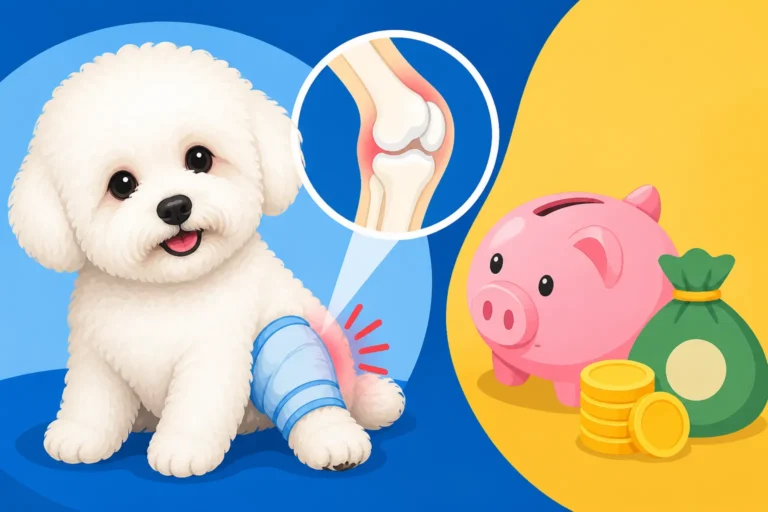
What a Bichon Frise Costs a Year to Keep
Bringing a Bichon Frise into your life is an incredible joy, but it’s also a significant financial commitment that extends far beyond the initial puppy price. Many new owners, captivated by their fluffy charm, don't fully grasp the ongoing annual expenses until they're neck-deep in vet bills or grooming appointments. This comprehensive guide aims to peel back the layers of everyday ownership, revealing the true annual cost of keeping a Bichon Frise so you can budget realistically and provide your furry companion with the best possible care throughout their happy, healthy life.
Understanding the Initial Investment vs. Ongoing Annual Costs
Before we dive into the yearly budget, it’s important to acknowledge that the first year with a Bichon Frise often carries a higher upfront cost than subsequent years. This initial investment covers things like the puppy itself, spaying/neutering, microchipping, initial vaccinations, and essential supplies like a crate, bed, leash, collar, and toys. While these are mostly one-time expenses, they set the stage for the recurring costs we’ll focus on.
The Puppy Price Tag and Early Decisions
When you first bring home a Bichon Frise, the purchase price from a reputable breeder can range anywhere from $1,000 to $2,500, sometimes more for show-quality lines. This isn't just about the dog; it reflects the breeder's investment in health testing the parents, quality nutrition, veterinary care for the litter, and early socialization. If you're wondering What a Bichon Frise Puppy Costs From a Real Breeder, it's vital to understand this price is foundational. Opting for a cheaper puppy from an unknown source might save money initially, but often leads to significant health and behavioral issues down the line, ultimately increasing your long-term costs.
Beyond the puppy itself, there are critical early vet visits. A healthy puppy will need a series of vaccinations against common diseases like distemper, parvovirus, and rabies. These initial shots can cost between $75 and $200. Most puppies also undergo spaying or neutering between 6 months and a year old, which can cost $200 to $500, depending on your location and veterinary clinic. Don't forget the microchip, which is typically around $40-$60 and provides crucial identification should your Bichon ever get lost. These early expenses, while not strictly annual, heavily influence your first year's total.
Essential Supplies to Get Started
Setting up your home for a new Bichon Frise involves purchasing a range of essential items. A comfortable dog bed, a sturdy crate (even if only for housetraining), food and water bowls, a leash, collar, and identification tags are all necessities. You'll also need grooming tools like a slicker brush and comb for daily maintenance, at least one nail clipper, and perhaps some puppy-safe toys to keep them entertained and redirect chewing. These initial supplies can easily add another $200-$500 to your first-year budget. While some items like a crate or bed last for years, smaller things like toys and grooming tools will need periodic replacement, contributing to your annual budget in a smaller way.
Recurring Veterinary Care: More Than Just Annual Shots
Veterinary care is a non-negotiable part of responsible pet ownership, and for a Bichon Frise, it can quickly become one of the most significant annual expenses. These little dogs, while generally robust, are prone to certain breed-specific health issues that require consistent monitoring and sometimes expensive interventions.
Annual Wellness Exams and Preventative Medications
Every Bichon Frise needs at least one comprehensive wellness exam each year. During this visit, your vet will perform a thorough physical check-up, listen to their heart and lungs, examine their teeth, and discuss any concerns you might have. These annual check-ups typically range from $50 to $150. Beyond the exam, yearly vaccinations are crucial to protect your Bichon from common diseases. Boosters for distemper/parvovirus, rabies, and often kennel cough and leptospirosis, can add another $100-$250.
Preventative medications are also a regular and necessary expense. Heartworm prevention, typically given monthly, can cost $50-$150 annually. Flea and tick prevention, depending on whether you choose topical treatments, oral medications, or collars, can range from $100-$300 per year. These medications are vital for preventing serious health problems that are far more expensive to treat than prevent.
Managing Breed-Specific Health Concerns
Bichon Frises are unfortunately prone to certain health conditions that can add considerably to your yearly vet bills. One of the most common and costly is the formation of bladder stones, particularly calcium oxalate stones. If you have a Bichon Frise, you might already be familiar with the phrase What a Calcium Oxalate Stone Is in a Bichon Frise – these aren't just minor inconveniences. They can cause painful urination, frequent accidents, and, critically, urinary blockages, which are life-threatening emergencies.
A Bichon Frise diagnosed with bladder stones, or even at high risk, will require ongoing monitoring. This often includes regular urine tests (urinalysis, typically $30-$70 each, perhaps 2-4 times a year) and bladder imaging like X-rays or ultrasounds ($100-$300 per session, often yearly or bi-yearly). These preventative measures aim to catch stones early, before they become an emergency. If stones do form and require removal, What One Bichon Frise Stone Surgery Costs and What Three Cost can be truly staggering, easily running into thousands of dollars for a single procedure, let alone repeat surgeries.
Beyond stones, Bichons are also prone to allergies, leading to atopic dermatitis. What Treating a Bichon Frise's Skin Costs Every Year can vary widely, from managing with medicated shampoos and special diets to more advanced treatments like Apoquel or Cytopoint injections, which can cost hundreds to over a thousand dollars annually. Other potential health issues include dental disease, patellar luxation (slipping kneecaps), and eye conditions, all of which may require veterinary intervention and add to your yearly expenses.
Grooming: The Non-Negotiable Fluff Factor
That signature "powder puff" look of a Bichon Frise isn't magic; it's the result of consistent, professional grooming, and it's a significant recurring cost that often catches new owners by surprise. Unlike many breeds, the Bichon's non-shedding coat grows continuously and mats easily, demanding regular attention.
Professional Grooming Services
A Bichon Frise typically needs a full professional groom every 4-6 weeks to maintain their coat in good condition. Skipping appointments often leads to severe matting, which is painful for the dog and more expensive to rectify, potentially requiring a complete shave-down. The Six Week Bichon Frise Groom That Never Stops is a real commitment.
The cost of a full groom varies significantly based on your location, the groomer's experience, and your dog's coat condition and temperament. In many areas, you can expect to pay anywhere from $60 to $100 per session. If you stick to the recommended schedule, this adds up to roughly $720-$1,200 annually. Some groomers might charge extra for de-matting, special shampoos, or ear plucking, further increasing the cost. For instance, ear plucking is a common practice for Bichons to prevent ear infections due to hair growth in the canals, but some owners debate its necessity, especially if it causes irritation.
At-Home Grooming and Tool Investment
While professional grooms are essential, daily at-home maintenance is equally critical to prevent mats between appointments. This means regular brushing with a slicker brush and a metal comb. The initial investment in quality grooming tools—including brushes, combs, nail clippers or a grinder, ear cleaner, and dog-specific shampoo and conditioner—can be around $50-$150.
If you decide to try more extensive home grooming to cut down on professional costs, you'll need to invest in clippers, scissors, and a grooming table. A good set of clippers can cost $150-$300, and a grooming table another $100-$200. While this can reduce professional grooming expenses, it requires a significant time commitment, skill, and patience. Most owners still find a blend of home maintenance and professional grooms to be the most practical approach.
Nutrition: Fueling a Healthy Bichon Frise
Food is another major annual expense, and selecting the right diet is paramount for a Bichon Frise, especially given their predisposition to certain health issues.
Quality Commercial Diets
A high-quality kibble or wet food is crucial for your Bichon's overall health. The market is flooded with options, and prices vary widely. For a small breed like a Bichon Frise, who typically weighs between 12-18 pounds, a good quality dry kibble can cost $30-$60 per month, or $360-$720 annually. Brands like Royal Canin, Hill's Science Diet, or Purina Pro Plan are often recommended by veterinarians for their research-backed formulations.
Consider a subscription service like Ollie for fresh, human-grade food if you want to invest in premium nutrition. While more expensive (often $50-$100+ per month for a small dog), many owners feel the health benefits are worth the cost. Regardless of the brand, always look for food appropriate for small breeds and ensure it meets AAFCO nutritional standards.
Prescription Diets for Health Management
For Bichon Frises prone to bladder stones, a specific prescription urinary diet becomes a lifelong necessity. This is not just "special food"; it's a carefully formulated diet designed to alter urine pH and reduce the concentration of stone-forming minerals. The Prescription Diet a Bichon Frise Never Comes Off is a very real commitment for many owners.
These prescription foods, such as Hill's Prescription Diet c/d or Royal Canin Urinary SO, are generally more expensive than regular commercial foods. Expect to pay $50-$100+ per month, translating to $600-$1,200 annually. They require a veterinary prescription, highlighting their medical importance. It's crucial not to deviate from this diet with unauthorized treats or human food, as even small amounts can undermine its effectiveness and lead to stone recurrence. Websites like Chewy often carry these prescription foods, making it convenient to purchase once authorized by your vet.
Treats and Supplements
Even on a strict diet, treats are a part of life for many dogs. For Bichons on prescription diets, finding appropriate treats can be challenging but is vital. Many brands offer low-calorie, low-oxalate, or single-ingredient treats that are vet-approved for dogs with urinary issues. These specialized treats can add another $10-$30 per month, or $120-$360 annually.
Some Bichon owners also opt for supplements, such as joint support (glucosamine/chondroitin) for conditions like Slipping Kneecaps in a Bichon Frise, or omega-3 fatty acids for skin and coat health. These can range from $20-$50 per month, or $240-$600 annually. Always discuss any supplements with your veterinarian before introducing them to your Bichon's regimen.
Pet Insurance: A Financial Lifeline
Given the breed's predispositions to certain health issues and the high cost of veterinary care, pet insurance is an expense many Bichon Frise owners consider a wise investment rather than an optional luxury. It can provide immense peace of mind and prevent devastating financial strain in the face of unexpected illness or injury.
Understanding Coverage and Premiums
Pet insurance premiums vary widely based on your Bichon's age, breed, your location, the deductible you choose, and the level of coverage. For a young Bichon Frise, you might expect to pay $30-$70 per month, or $360-$840 annually, for an accident and illness policy. As your Bichon ages, or if they develop pre-existing conditions (which generally aren't covered), premiums will likely increase.
It's crucial to understand what your policy covers. Most accident and illness plans cover unexpected vet visits, surgeries, medications, and diagnostics. Some plans offer optional wellness add-ons for routine care like annual exams and vaccinations, though these often don't provide as much savings as standalone accident/illness coverage. Reviewing policy details from companies like Healthy Paws is essential to ensure it meets your specific needs and budget.
When Insurance Becomes Essential
Imagine your Bichon develops bladder stones, and you need emergency surgery. The cost can be thousands. Without insurance, that bill comes directly out of your pocket. With insurance, after your deductible, the company typically reimburses a significant percentage (e.g., 70-90%) of the covered costs. This is particularly relevant when considering situations like Whether Insurance Still Covers a Bichon Frise's Second Stone – ideally, you'd have insurance in place before the first stone, as subsequent occurrences might be considered pre-existing if the policy wasn't active.
Consider this table for a clearer picture of potential savings with pet insurance on a major event:
| Expense Category | Estimated Cost Without Insurance | With Insurance (e.g., $250 deductible, 80% reimbursement) | Your Out-of-Pocket Cost |
|---|---|---|---|
| Bladder Stone Surgery | $3,000 – $5,000 | Reimbursement on $2,750 – $4,750 after deductible | $250 (deductible) + $550 – $950 (20% co-pay) = $800 – $1,200 |
| Emergency Blockage | $1,500 – $3,000 | Reimbursement on $1,250 – $2,750 after deductible | $250 (deductible) + $250 – $550 (20% co-pay) = $500 – $800 |
| Allergy Treatment (Yearly) | $500 – $1,500 | Reimbursement on $250 – $1,250 after deductible | $250 (deductible) + $50 – $250 (20% co-pay) = $300 – $500 |
Note: These are illustrative figures and actual costs and reimbursements will vary based on policy, vet fees, and specific medical needs.
Training, Socialization, and Enrichment: A Happy, Well-Adjusted Dog
While not always a direct annual cost, ongoing training, socialization, and enrichment activities contribute significantly to your Bichon Frise's well-being and can prevent costly behavioral issues down the line.
Puppy Classes and Ongoing Training
Bichon Frises are known for being intelligent but can also be notoriously hard to housetrain. Investing in puppy classes early on (typically $150-$250 for a 6-8 week course) is invaluable for socialization and laying the groundwork for good behavior. Even beyond puppyhood, refresher classes or specialized training (like for The Window Barking a Bichon Frise Does) can be beneficial. Private training sessions, if needed, can be much more expensive, often $100-$200 per hour.
For many owners, consistent, positive reinforcement training is an ongoing process that might involve buying high-value treats (as discussed in nutrition), puzzle toys, or online courses, adding smaller amounts ($50-$200) to your annual budget.
Toys and Mental Stimulation
A well-exercised and mentally stimulated Bichon is a happier, less destructive Bichon. Providing a variety of toys is important, and these need to be replaced periodically as they wear out or lose interest. Expect to spend $50-$150 annually on toys. Interactive toys, puzzle feeders, and chew toys all contribute to their mental enrichment. For a long-term perspective on general care, think about What a Bichon Frise Needs Every Day.
Mental stimulation can also come from short training sessions, new experiences, and safe exploration. While not all enrichment costs money, budgeting for new toys or activities ensures your Bichon remains engaged.
Dog Walking, Daycare, and Boarding
If you work long hours or travel frequently, these services become essential. A professional dog walker typically charges $15-$30 per walk, and even a few walks a month can add up. Doggy daycare can be $30-$50 per day. For vacations, boarding facilities usually charge $30-$60 per night. If you travel for two weeks a year, that's already $420-$840 in boarding costs. These are variable costs, but important to factor into your potential annual budget.
Miscellaneous and Unexpected Expenses
Life with a Bichon Frise isn't always predictable. There will be other costs that pop up, from licenses to cleaning supplies to unforeseen emergencies.
Licensing and Identification
Most municipalities require annual dog licensing, which typically costs $10-$50. While small, it's a recurring fee. If your Bichon's microchip needs updating with new contact information, there might be a small fee involved. Replacement tags or collars can also add to this category ($10-$30).
Cleaning Supplies and Home Maintenance
Let’s be real, especially with a breed that can be challenging to housetrain or prone to urinary issues like bladder stones. You'll likely spend money on enzyme cleaners for accidents, specialized pet stain removers, and air fresheners. These can easily be $50-$100 annually, depending on how many "oops" moments you encounter.
Emergency Fund and "Just in Case" Money
Despite having pet insurance, an emergency fund is critical. There's always the deductible, the co-pay, and potentially things not covered by your policy. A broken leg, a sudden illness, or even something seemingly minor that requires extensive diagnostics can quickly run into hundreds or thousands of dollars. It's wise to have at least $500-$1,000 set aside specifically for pet emergencies, replenishing it as needed. This fund is separate from your annual budget but directly impacts your ability to cover unexpected annual costs.
Totaling the Annual Investment for Your Bichon Frise
Let's consolidate these expenses to get a clearer picture of what a year with your beloved Bichon Frise might cost. Remember, these are estimates, and your actual costs will depend on your choices, your location, and your dog's individual health needs.
| Category | Low Annual Estimate | High Annual Estimate |
|---|---|---|
| Veterinary Care | ||
| Annual Exam & Vaccines | $150 | $400 |
| Preventative Meds | $150 | $450 |
| Stone Monitoring (Urine/Imaging) | $150 | $600 |
| Grooming | ||
| Professional Grooms | $720 | $1,200 |
| At-Home Supplies | $50 | $150 |
| Nutrition | ||
| Quality Food | $360 | $720 |
| Prescription Diet (if applicable) | $600 | $1,200 |
| Treats & Supplements | $120 | $600 |
| Pet Insurance | $360 | $840 |
| Training & Enrichment | ||
| Classes/Online Res. | $50 | $250 |
| Toys | $50 | $150 |
| Miscellaneous/Contingency | $100 | $300 |
| Licenses, Cleaning, etc. | ||
| TOTAL ANNUAL ESTIMATE | $2,670 | $6,860 |
Note: The "High Annual Estimate" for nutrition includes the cost of a prescription diet, assuming it's needed, alongside regular treats and supplements. If a prescription diet isn't needed, you can use the lower "Quality Food" estimate.
This table doesn't even account for major unexpected surgeries (like bladder stone removal, which could add $3,000-$5,000 in a given year if your deductible and co-pay are applied). This highlights the importance of an emergency fund or robust insurance. For a broader view, consider What a Bichon Frise Costs a Year to Keep, which encapsulates these factors over a longer period.
Planning for the Long Haul: The Bichon Frise Lifespan
Bichon Frises typically live The Fourteen to Fifteen Years a Bichon Frise Lives, which means you're committing to over a decade of these annual expenses. When you consider the full lifespan, the costs truly add up. What Fifteen Years With a Bichon Frise Comes To is a substantial amount, often tens of thousands of dollars.
As Bichons age, their needs and associated costs can change. Senior Bichons, typically The Age a Bichon Frise Counts as Senior around 10-11 years, often require more frequent vet visits, specialized senior diets, and potentially medication for age-related conditions like arthritis, diabetes, or even Cushing's Disease in a Bichon Frise Past Seven. For instance, What Cushing's Medication Costs a Bichon Frise Owner Monthly can be a significant ongoing expense. These additional needs can push annual vet bills higher in their golden years.
Being prepared for these financial realities is not about discouraging ownership, but about empowering you to be the best possible pet parent. A well-loved Bichon Frise, with their cheerful disposition and unwavering loyalty, is truly priceless, but the costs to keep them healthy and happy are very real.
Disclaimer
This article provides general information and estimated costs for owning a Bichon Frise. Actual expenses may vary significantly based on your geographic location, individual veterinary practices, specific product choices, and your dog's unique health needs. Always consult with your veterinarian for personalized advice regarding your Bichon Frise's care and health.