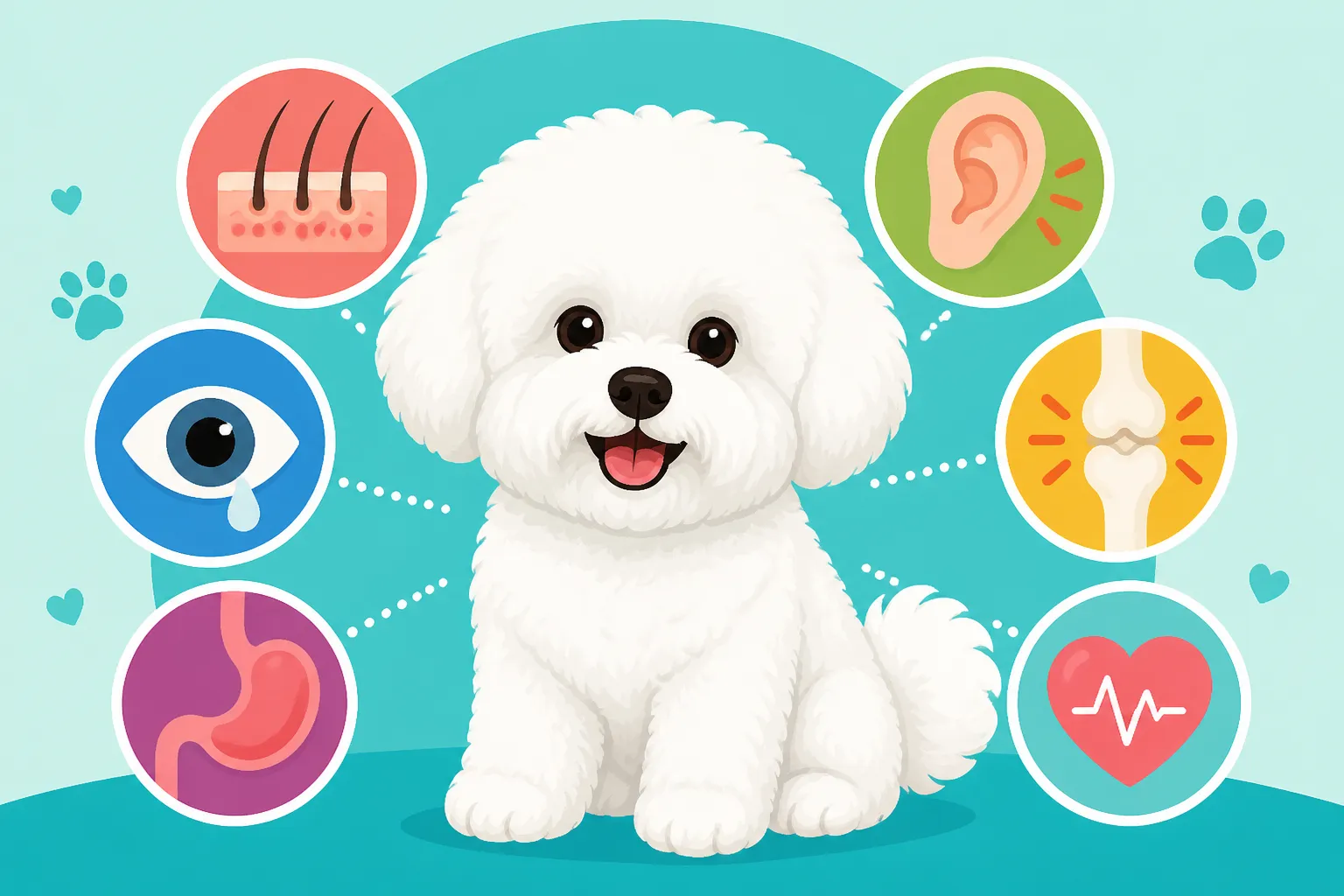
What Bichon Frises Are Most Often Treated For
It can be incredibly disheartening, and frankly, quite worrying, when your fluffy white Bichon Frise isn't feeling their best. As pet parents, we often find ourselves endlessly researching symptoms and wondering what ailments might be lurking, especially given how prone some breeds are to certain conditions. This guide is here to shed some light on the most common health issues that often bring Bichon Frises to the vet, helping you understand what to look for and how to be proactive in their care.
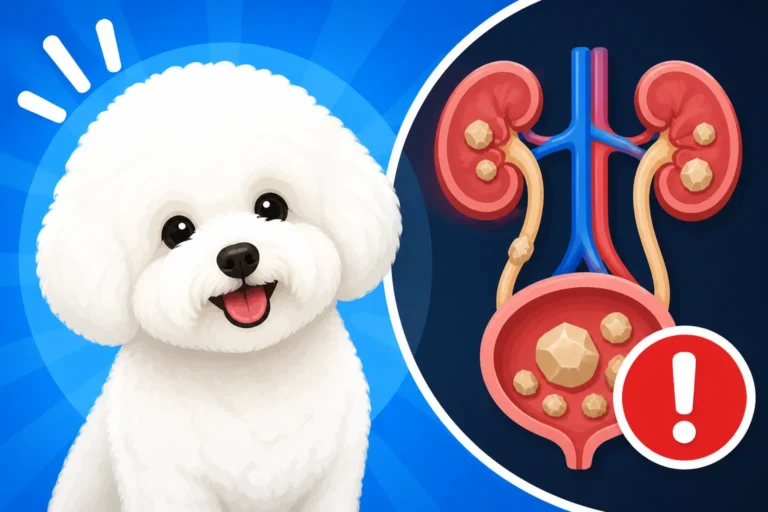
The Persistent Problem of Urinary Stones
If you've owned a Bichon Frise for any length of time, or even just spoken to other Bichon owners, the topic of bladder stones has likely come up. It's a truly frustrating and often painful reality for many of these sweet dogs.
Why Bichons Are Prone to Bladder Stones
Bichon Frises have a genetic predisposition to forming certain types of bladder stones, most notably calcium oxalate stones. It's not just a random occurrence; it's a deeply ingrained genetic factor that makes them statistically much more likely to develop these troublesome mineral deposits. Imagine if you had a tendency for a specific kind of kidney stone – that's often the reality for our Bichons. Their unique metabolism handles calcium and oxalate in a way that creates an ideal environment for these crystals to form and then aggregate into stones. This is why you might hear the phrase: Why a Bichon Frise Forms Stones Twenty Times as Often compared to other breeds. It’s a genuine concern, not just an old wives' tale amongst owners.
These stones can range from tiny grains of sand-like material to much larger, jagged rocks. The issue isn't just their presence, but their ability to cause irritation, inflammation, and even blockages in the urinary tract. It’s a recurring nightmare for many, with some dogs experiencing multiple episodes throughout their lives, requiring repeated interventions. Understanding What a Calcium Oxalate Stone Is in a Bichon Frise is the first step toward appreciating the specific challenges involved in managing this condition.
Spotting the Signs and Getting a Diagnosis
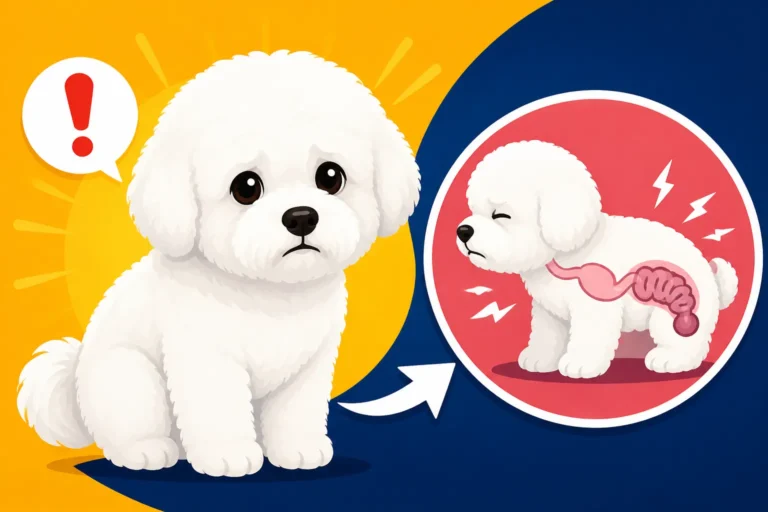
Recognizing the signs of urinary stones early is absolutely critical. Your Bichon can't tell you they're hurting, so it's up to us to observe their behavior. Common symptoms include straining to urinate (which can easily be mistaken for constipation), frequent urination of small amounts, accidents in the house (even in a perfectly housetrained dog), licking at the genital area, and, perhaps most alarmingly, blood in the urine. If you notice any of these, especially if your dog seems uncomfortable or distressed while trying to go, it's an emergency. A complete blockage, particularly in male Bichons, can be life-threatening and requires immediate veterinary attention.
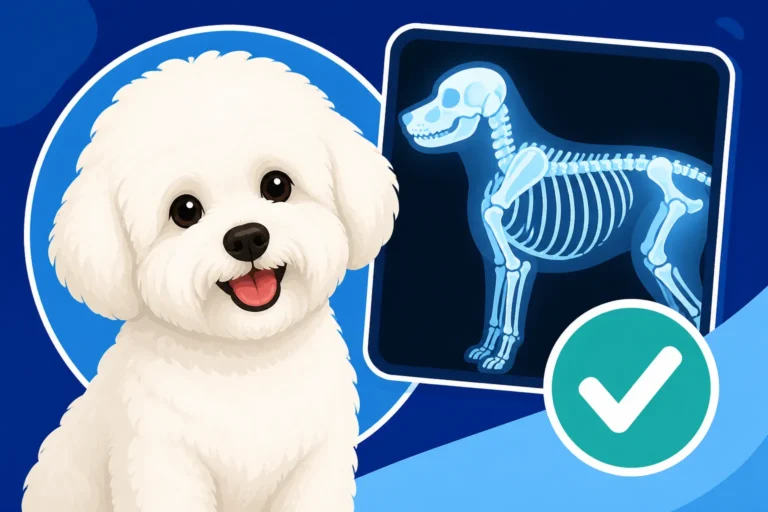
Your vet will typically recommend a urinalysis to check for crystals, blood, and infection, followed by imaging like X-rays or ultrasound to confirm the presence and location of stones. It’s often advised that Whether a Bichon Frise Should Be Urine Tested Yearly is a good preventative measure, especially if they have a history of stones or come from a line known for them. Early detection can sometimes allow for less invasive management, though surgical removal is often necessary for calcium oxalate stones.
Managing Stones: Diet and Treatment Options
Once stones are diagnosed, the approach to treatment and prevention becomes a lifelong commitment. For calcium oxalate stones, surgical removal is usually the go-to, as these stones typically don't dissolve with diet changes. After surgery, the focus shifts entirely to prevention. This almost always involves a prescription urinary diet specifically formulated to reduce the risk of future stone formation. This isn't just any special food; it's a carefully balanced diet that manipulates urine pH and mineral content to discourage crystals. Many owners find their Bichons need to stay on The Diet a Bichon Frise Stays On for Life to keep these troublesome stones at bay.
Beyond diet, ensuring your Bichon drinks plenty of water is paramount to dilute their urine, making it less concentrated and harder for crystals to form. This might mean encouraging water intake with fountains, adding water to their food, or feeding wet food. Regular veterinary check-ups, including follow-up imaging, are also vital to monitor for recurrence. It's a continuous balancing act that requires diligence, but it's essential for your Bichon's comfort and long-term health. Pet insurance providers like Healthy Paws are often a lifeline for owners facing these kinds of chronic, expensive conditions, covering many of the ongoing costs associated with managing recurring stones or special diets.
Battling the Itch: Allergies and Skin Troubles
Beyond urinary issues, Bichon Frises are well-known for their sensitivity to environmental allergens, leading to persistent itching and skin problems that can make both pet and owner miserable.
The Atopic Skin a Bichon Frise Is Born With
Many Bichon Frises are genetically predisposed to atopic dermatitis, essentially making them born with incredibly sensitive skin. This means their immune system overreacts to common environmental allergens like pollen, dust mites, and mold spores, just like some people get hay fever or asthma. Instead of sneezing or watery eyes, their primary symptom is intense itching, primarily affecting their paws, ears, belly, and face. It’s often referred to as The Atopic Skin a Bichon Frise Is Born With, highlighting its inherent nature in the breed. This isn't just a minor annoyance; chronic itching can lead to raw skin, secondary infections, and a significant decrease in quality of life.
The constant scratching, licking, and chewing can quickly escalate from mild irritation to full-blown skin infections. It's a vicious cycle: the allergen triggers the itch, the dog scratches, which damages the skin barrier, allowing bacteria and yeast to move in and cause an infection, which then makes the itch even worse. It's heartbreaking to watch your otherwise cheerful dog constantly scratching themselves, sometimes even drawing blood or losing patches of that beautiful white coat.
Recognizing Allergy Symptoms and Seeking Relief
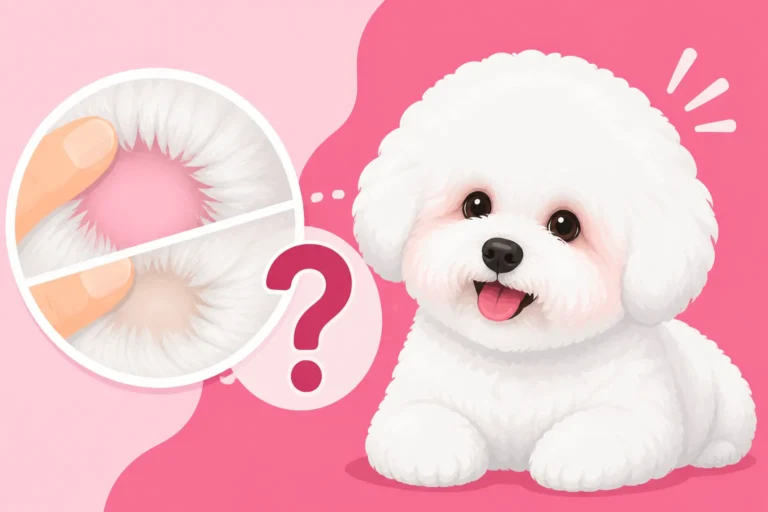
The signs of allergies in a Bichon Frise are usually quite evident once you know what to look for. Beyond generalized itching, you might notice your dog frequently licking their paws, rubbing their face on carpets or furniture, shaking their head, or developing red, inflamed skin. Their fur might also become discolored in areas they lick excessively, turning a reddish-brown due to saliva staining. In more severe cases, you might see small bumps, scabs, or thickened, elephant-like skin. Sometimes, the only obvious sign is chronic ear infections, which we'll get into next.
Getting a proper diagnosis often involves a process of elimination and sometimes specialized testing. Your vet will rule out other causes of itching, such as parasites (fleas, mites), before delving into allergies. Treatment options are varied and often involve a multi-modal approach. This can include oral medications like Apoquel or Cytopoint injections, both designed to block the itch sensation. Antihistamines, while sometimes tried, are often not strong enough for severe cases. Additionally, dietary changes might be explored if food allergies are suspected (though environmental allergies are more common in Bichons), and medicated shampoos can help soothe the skin and manage secondary infections. Exploring Managing a Bichon Frise's Skin Without Steroids is often a priority for owners due to potential side effects of long-term steroid use.
Tackling Recurrent Ear Infections
Closely tied to allergies are recurrent ear infections, which are a major complaint for many Bichon Frise owners. Because their allergies manifest as skin inflammation, the lining of their ear canals becomes inflamed, creating a warm, moist, and perfect breeding ground for bacteria and yeast. Combine this with the natural hair growth inside their ears, and you have a recipe for chronic ear misery. Many Bichon owners report that Recurrent Ear Infections in a Bichon Frise are a constant battle, requiring frequent vet visits and diligent at-home care.
Signs of an ear infection include head shaking, pawing at the ears, redness or swelling of the ear flap, a foul odor coming from the ears, or a discharge that can be waxy, brown, or pus-like. Your Bichon might also be reluctant to let you touch their head. Treating these infections typically involves a thorough cleaning by your vet, followed by prescribed ear drops containing antibiotics, antifungals, and sometimes steroids to reduce inflammation. For chronic cases, identifying and managing the underlying allergy is crucial to break the cycle. Regular ear cleaning with a vet-approved solution, especially for Bichons prone to ear issues, can also help prevent flare-ups, but always check with your vet first to ensure you're using the right product and technique.
The Silent Threat: Cushing's Disease
As Bichons age, another significant health concern that frequently emerges is Cushing's Disease, a hormonal imbalance that can dramatically impact their quality of life.
Understanding Cushing's in Bichons
Cushing's Disease, or hyperadrenocorticism, is a condition where a dog's body produces too much cortisol, a stress hormone. This excess cortisol, over time, can lead to a wide range of problems affecting almost every body system. Most cases in Bichons are pituitary-dependent, meaning a tiny, usually benign, tumor on the pituitary gland at the base of the brain signals the adrenal glands to produce too much cortisol. While it can occur at any age, it's typically seen in middle-aged to senior dogs, often past the age of seven. Cushing's Disease in a Bichon Frise Past Seven is a common diagnosis that requires careful management.
The constant bombardment of high cortisol levels slowly erodes a dog's health, leading to progressive and often debilitating symptoms. It's a challenging disease because its onset is usually gradual, and many of its early signs can be attributed to "just getting old," making it easy to overlook until the condition is quite advanced.
Identifying the Subtle Symptoms
The symptoms of Cushing's disease are varied and can mimic other age-related conditions, which is why owners often feel frustrated trying to pinpoint what's wrong. Common indicators include increased thirst and urination (polydipsia and polyuria), a pot-bellied appearance (due to fat redistribution and weakened abdominal muscles), thinning skin, hair loss (often symmetrical, leaving areas bare, especially on the flanks), and increased appetite. Your Bichon might also seem more lethargic, weak, or prone to panting excessively, even when at rest. It's a combination of these subtle changes that forms the overall picture. Recognizing The Signs of Cushing's in a Bichon Frise is crucial for early detection and intervention.
If you suspect Cushing's, your vet will perform specific blood tests, often including an ACTH stimulation test or a low-dose dexamethasone suppression test, to confirm the diagnosis. These tests can be complex and sometimes require multiple samples taken over several hours, which adds to the diagnostic cost and stress for owners.
Treatment and Long-Term Management
While Cushing's disease is rarely curable, it is manageable with medication, significantly improving a dog's quality of life and slowing disease progression. The most common medication used is trilostane, which works by inhibiting cortisol production. This medication requires careful dosing and regular monitoring through follow-up ACTH stimulation tests to ensure the cortisol levels are brought back into a healthy range without going too low (which can lead to Addison's disease, the opposite condition). This ongoing monitoring is a key part of the treatment and an additional financial commitment for owners.
Managing a Bichon with Cushing's is a partnership with your veterinarian. It's about finding the right balance of medication, observing your dog for symptom improvement or any side effects, and adjusting the treatment plan as needed. The goal is to alleviate the uncomfortable symptoms and allow your Bichon to enjoy their senior years as comfortably as possible. Pet insurance can be a huge help here too; Healthy Paws, for example, often covers chronic conditions like Cushing's, once enrolled, making the necessary medication and monitoring more financially feasible for many families.
Keeping Those Pearly Whites: Dental Disease
It might not sound as dramatic as stones or Cushing's, but dental disease is one of the most widespread and overlooked health issues in Bichon Frises, often leading to significant pain and secondary health problems.
The Specific Vulnerabilities of Small Breeds
Bichon Frises, like many small breed dogs, are particularly susceptible to dental disease. This is due to several factors. Firstly, their small mouths often mean their teeth are crowded, creating more surfaces for plaque and tartar to accumulate. Secondly, they can be genetically predisposed to developing plaque faster. Over time, plaque hardens into tartar, which irritates the gums, leading to gingivitis (gum inflammation). If left untreated, this progresses to periodontal disease, where the supporting structures of the teeth (gums, bone, ligaments) become infected and damaged. This is not just a cosmetic issue; it's a serious health concern that causes chronic pain, makes eating difficult, and can even lead to more systemic issues.
The insidious nature of dental disease is that it often progresses silently, with dogs being incredibly stoic about oral pain. By the time noticeable symptoms appear, the disease is often advanced, requiring more extensive and costly interventions. Regular preventive care can make a world of difference.
Signs of Dental Trouble and Preventative Care
It's vital for Bichon owners to be vigilant for signs of dental disease. Common indicators include bad breath (halitosis), yellow or brown tartar buildup on the teeth, red and swollen gums, bleeding from the gums, reluctance to eat hard kibble or chew toys, pawing at the mouth, or even changes in personality due to chronic pain. If you notice any of these signs, it's time for a vet visit.
The best defense against dental disease is proactive home care, ideally starting from puppyhood. Daily tooth brushing with a vet-approved pet toothpaste is the gold standard. While it takes patience and consistency, it's the most effective way to remove plaque before it hardens. Dental chews and water additives can also play a supportive role, but they are not a substitute for brushing. Regular check-ups with your vet will also include an oral examination, where they can assess your Bichon's dental health and recommend professional cleaning when necessary. Truly, Dental Disease in a Bichon Frise can be a major source of pain and infection if not addressed.
Professional Cleaning and Extractions
Despite the best home care, most Bichon Frises will eventually require professional dental cleaning under anesthesia. This allows the vet to thoroughly scale off tartar both above and below the gumline, polish the teeth, and perform a comprehensive oral examination, including dental X-rays. X-rays are crucial because a significant amount of dental disease occurs below the gumline, unseen by the naked eye. This can reveal painful issues like abscesses, bone loss, or unerupted teeth.
If periodontal disease is advanced, extractions may be necessary to remove diseased or damaged teeth, relieving pain and preventing the spread of infection. While the idea of tooth extractions can be daunting, removing painful teeth is often the kindest thing you can do for your dog, vastly improving their comfort and overall health. The recovery is usually swift, and dogs adapt remarkably well to eating without several teeth. This kind of procedure is typically well-covered by pet insurance plans like those from Healthy Paws, which helps ease the financial burden of necessary oral surgery.
Joint Jitters: Luxating Patellas and Other Orthopedic Concerns
Bichon Frises, with their small, delicate frames, are also prone to certain orthopedic issues, with slipping kneecaps being a particularly common concern.
Understanding Slipping Kneecaps
Patellar luxation, or "slipping kneecaps," is a condition where the patella (kneecap) dislocates or moves out of its normal groove on the femur (thigh bone). This is a common inherited condition in small breed dogs like the Bichon Frise. The severity can range from mild, where the kneecap pops out occasionally and then back in, to severe, where it remains dislocated most of the time. You might notice your Bichon suddenly skipping a step, holding up a hind leg for a few strides, and then putting it down as if nothing happened – that’s often the classic sign of a luxating patella. Understanding Slipping Kneecaps in a Bichon Frise is key to recognizing the issue early.
The problem isn't just the skipping; repetitive luxation can wear down the cartilage and bone, predisposing the joint to arthritis and even tearing the cranial cruciate ligament (CCL), a much more serious injury that also requires surgery. Early recognition and management can help prevent these secondary complications.
Diagnosis and Grades of Patellar Luxation
Diagnosis of patellar luxation typically involves a physical examination by your veterinarian, who can manipulate the kneecap to assess its stability. They will grade the luxation on a scale from Grade 1 to Grade 4:
- Grade 1: The kneecap can be manually luxated but returns to its normal position spontaneously. Clinical signs are usually minimal.
- Grade 2: The kneecap luxates frequently and may remain out of place, but can be manually returned to its normal position. Skipping gait is common.
- Grade 3: The kneecap is luxated most of the time but can be manually reduced. Persistent lameness is often present.
- Grade 4: The kneecap is permanently luxated and cannot be manually returned to its normal position. Severe lameness and abnormal gait are evident.
X-rays may also be taken to assess the overall joint health and look for any concurrent issues like arthritis. The grade of luxation will heavily influence the recommended course of action.
When Surgery Is Needed and Post-Op Care
For lower-grade luxations (Grade 1-2) with minimal symptoms, conservative management might be attempted, involving weight management, controlled exercise, and sometimes joint supplements. However, for higher grades (Grade 3-4) or lower grades that cause persistent pain or lameness, surgery is often recommended to stabilize the kneecap. The goal of surgery is to deepen the groove the kneecap sits in, realign the patellar ligament, and sometimes correct any bowing of the femur or tibia that contributes to the problem.
The decision to operate is usually made collaboratively with your vet, considering your dog's age, activity level, and the severity of the luxation. Post-operative care is crucial and typically involves strict rest, pain medication, and a gradual return to activity, often with physical therapy. It's a significant commitment, but successful surgery can dramatically improve your Bichon's comfort and mobility, allowing them to lead a much more active and pain-free life. It's also important to remember that pet insurance, especially a comprehensive plan, can cover a large portion of these unexpected surgical costs.
Age-Related Challenges and Comprehensive Care
As our beloved Bichons transition into their senior years, their health needs evolve, bringing new considerations and the need for even more vigilant care.
Common Conditions in Senior Bichons
Reaching their golden years is a testament to the love and care we've provided, but it also means being prepared for the health challenges that often accompany aging. Bichons, like many small breeds, are prone to a range of age-related conditions. Beyond the chronic issues discussed above (stones, allergies, Cushing's), senior Bichons often experience a decline in vision due to conditions like cataracts, or dry eye, a common Bichon eye ailment. They might develop heart murmurs, particularly mitral valve disease, which is prevalent in small dogs. Arthritis becomes more common, especially in joints previously affected by conditions like patellar luxation or just from general wear and tear over the years. The Age a Bichon Frise Counts as Senior varies slightly by individual, but generally, dogs around 8-10 years old start showing signs of aging.
Other concerns can include cognitive dysfunction, similar to Alzheimer's in humans, leading to confusion or changes in sleep patterns. Changes in kidney function or even the development of certain cancers can also arise. The key is recognizing that these aren't just "old dog behaviors" but potential medical issues that can often be managed to improve their comfort.
Proactive Screening and Wellness Checks
For senior Bichons, proactive screening and regular wellness checks become even more important. Instead of just a yearly visit, your vet might recommend twice-yearly check-ups to catch subtle changes early. These visits often include comprehensive bloodwork to check organ function (kidneys, liver, thyroid), urinalysis, and blood pressure monitoring. Your vet will also perform a thorough physical exam, paying close attention to joint mobility, heart sounds, and any changes in skin or coat. Whether a Bichon Frise Needs a Yearly Eye Exam becomes particularly pertinent as they age, to screen for cataracts and other vision impairments.
Early detection of conditions like kidney disease, diabetes, or heart disease allows for earlier intervention, which can significantly slow progression and improve prognosis. For instance, dietary changes, medications, or supplements can be introduced to support organ function or alleviate arthritis pain, helping your senior Bichon remain comfortable and active for longer. It's about maintaining their quality of life for as long as possible, adapting their care to their changing needs.
The Importance of a Good Vet and Insurance
Navigating the myriad of potential health issues a Bichon Frise might face throughout their lifetime can feel overwhelming, especially when unexpected emergencies or chronic conditions arise. This is where having a trusting relationship with a compassionate and knowledgeable veterinarian is invaluable. They are your partner in your Bichon's health journey, providing expert guidance, diagnosis, and treatment. Don't be afraid to ask questions, seek second opinions, or discuss financial concerns openly with your vet team.
Furthermore, pet insurance can be a true game-changer for Bichon Frise owners. Given the breed's predisposition to costly conditions like bladder stones, allergies, and age-related diseases, a good comprehensive pet insurance policy can save you from making agonizing financial decisions about your dog's care. Companies like Healthy Paws offer robust plans that cover accidents, illnesses, surgeries, medications, and even chronic conditions once enrolled. While it's an upfront cost, the peace of mind knowing you can provide the best possible care without being crippled by vet bills is priceless. Investing in insurance when your Bichon is young and healthy is often the best strategy, before any pre-existing conditions develop. It's about planning ahead for the inevitable bumps along the road, ensuring your furry family member gets the care they deserve.
| Common Health Issues in Bichon Frises | Primary Symptoms | Typical Treatments |
|---|---|---|
| Urinary (Bladder) Stones | Straining to urinate, frequent small urinations, blood in urine, accidents, licking genitals | Surgery (calcium oxalate), prescription urinary diet, increased water intake, regular monitoring |
| Allergies / Atopic Dermatitis | Intense itching, licking paws, face rubbing, skin redness, hair loss, recurrent ear infections | Oral medications (Apoquel, Cytopoint), medicated shampoos, diet trials, immunotherapy |
| Cushing's Disease | Increased thirst/urination, potbelly, thinning skin, hair loss, panting, lethargy, increased appetite | Oral medication (e.g., trilostane), regular blood monitoring tests, supportive care |
| Dental Disease | Bad breath, tartar buildup, red/bleeding gums, difficulty eating, pawing at mouth | Daily tooth brushing, professional dental cleaning (anesthesia), extractions |
| Patellar Luxation | Skipping gait, holding up hind leg, lameness, pain | Weight management, physical therapy, joint supplements, surgical correction |
| Ear Infections (often allergy-related) | Head shaking, ear scratching, redness, odor, discharge, pain when touched | Ear cleaning, medicated ear drops (antibiotics/antifungals/steroids), treating underlying allergies |
Disclaimer
The information provided in this article is for general educational and informational purposes only, and does not constitute professional veterinary advice. Always consult with a qualified veterinarian for any health concerns or before making any decisions related to your pet's health or treatment plan.