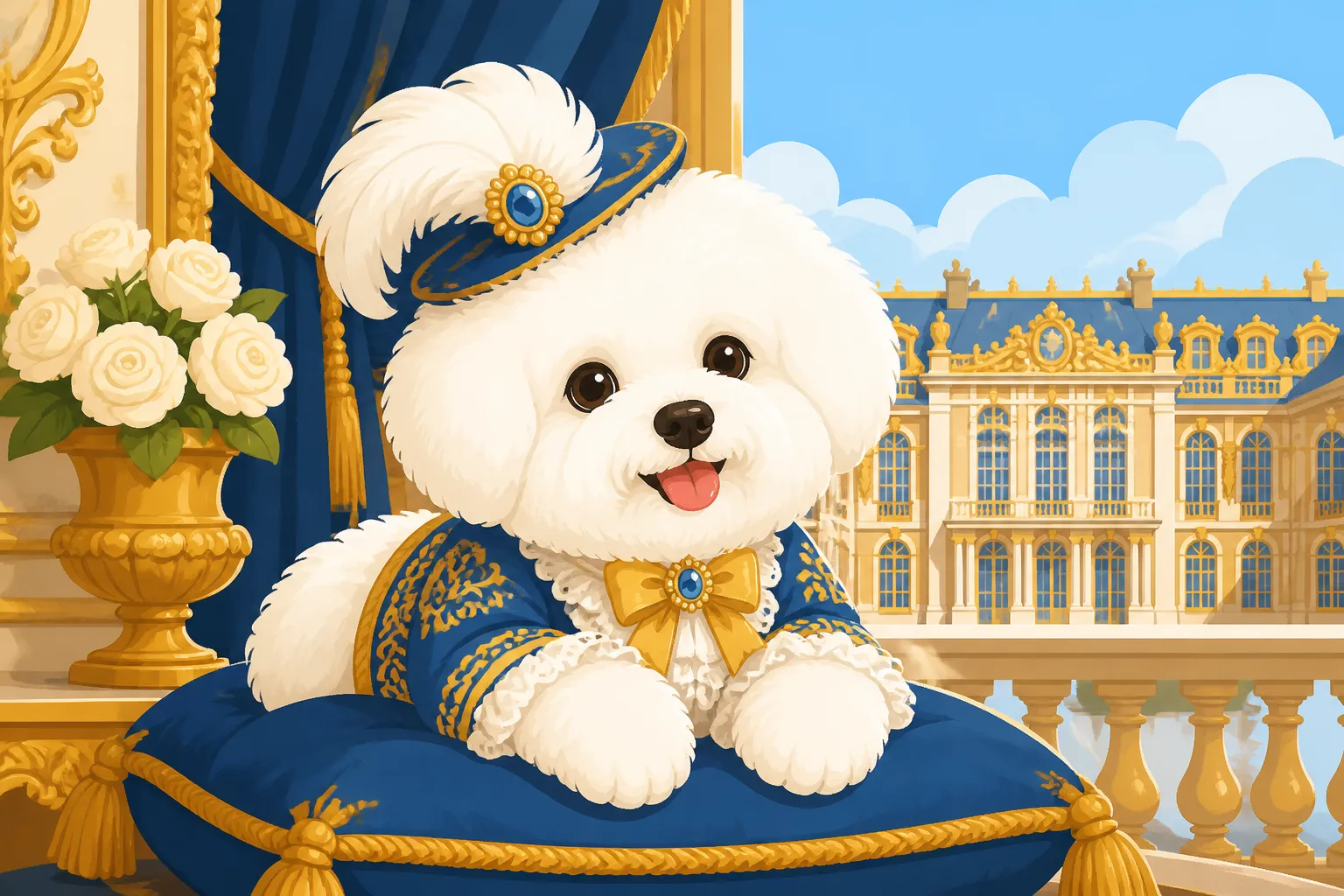
Whether Bichon Frises Lived at Versailles
The image of a fluffy, white Bichon Frise lounging on a velvet cushion, perhaps nibbling on a delicacy while royalty looks on, is undeniably charming. It conjures up a specific historical fantasy for many dog lovers, especially those fascinated by the French court. You might have heard whispers or seen illustrations that suggest these delightful little dogs were fixtures at places like Versailles, accompanying queens and kings. This guide delves deep into the fascinating history of the Bichon Frise, exploring their royal connections and answering whether these vivacious pups truly held court in the opulent halls of Versailles.
The Historical Context of Bichon Frises in Europe
To truly understand the Bichon Frise's journey to potential royal favor, we need to rewind a bit and look at where they came from and how they became popular across Europe. It wasn't an overnight jump from obscurity to the lap of luxury; it was a gradual, enchanting ascent.
Origins in the Mediterranean: The Barbichon Family
The Bichon Frise, like several other beloved small, fluffy white breeds, belongs to the "Barbichon" family of dogs. This group includes the Maltese, Bolognese, and Havanese, all sharing a common ancestry in the Mediterranean region. These dogs weren't initially pampered pets; their story actually begins on the high seas, far from grand palaces. They were often found on ships, traveling with sailors and merchants, serving as companions and, believe it or not, keeping rodent populations in check. Imagine a little white dog, brave despite its size, scurrying around the deck of a sailing vessel!
These early ancestors were sturdy, intelligent, and adaptable, perfectly suited to a life on the move. They were highly valued by the seafaring folk for their cheerful dispositions and ability to adapt to new environments. It's truly incredible to think of these fluffy little ancestors making their way across vast oceans, long before anyone thought of them as royal companions. This period laid the groundwork for their travels and eventual widespread recognition across various European nations. The history traces back centuries, showing their hardy origins, before their delicate appearance became their defining trait. This lineage is why many refer to them as The Barbichon Family the Bichon Frise Belongs To.
From Sailor's Companions to Noble Laps
As trade routes flourished, these charming little dogs disembarked in different ports, particularly in Italy and Spain. It wasn't long before their delightful personalities and attractive appearance caught the eye of the nobility. Italian sailors, in particular, are credited with bringing these dogs (often referred to as "Tenerife dogs" after the Canary Islands, a popular stop on trade routes) back to the mainland in the 14th century. From there, their popularity soared among Italian and Spanish aristocrats. They were seen as symbols of status, warmth, and joy.
Noblemen and ladies adored their lively antics and affectionate nature, carrying them in their sleeves or on their laps. Portraits from this era often feature these small white dogs, testament to their growing status as beloved companions. They were pampered, groomed, and became a fashion statement. This transition from rough-and-tumble ship dogs to cherished companions in noble households was a significant step, paving the way for their eventual introduction to the French court. Their journey is truly a testament to How Sailors Carried the Bichon Frise Around the Mediterranean, a fascinating part of their early history.
Bichon Frises and the French Royal Court
With their rising popularity among the European elite, it was only a matter of time before these charming dogs made their way to France, and specifically, into the hearts of its royalty.
King Henry III's Passion for Bichons
The French royal court's love affair with the Bichon Frise, or rather, its ancestors, solidified in the 16th century with King Henry III. History tells us that Henry III was absolutely captivated by these cheerful little dogs. He was so enamored that he would often carry his Bichons in a special basket suspended from his neck wherever he went. Can you imagine the king of France, attending to affairs of state, with a fluffy white dog peeking out from a basket around his neck? It's a truly delightful, if slightly eccentric, image!
His deep affection for the breed undoubtedly boosted their standing and made them incredibly fashionable within the French aristocracy. Everyone wanted a dog like the king's. This royal endorsement was a massive turning point for the Bichon Frise, elevating them from popular noble companion to a bona fide symbol of courtly elegance and royal favor. This era firmly established The French Court That Made the Bichon Frise Fashionable as a key part of their historical narrative. This period was crucial for their integration into high society, especially the French elite.
Life at Versailles: A Glimpse into the Royal Kennels
The Palace of Versailles, famously built by King Louis XIV, was the epitome of opulence and grandeur. It was a sprawling estate, a center of power, fashion, and art, and indeed, home to countless people and animals. While specific records detailing every single dog breed present at Versailles throughout its centuries of royal occupancy might be elusive, we can infer a great deal about the environment. The royal kennels were often quite extensive, housing various breeds for hunting, guarding, and companionship. Dogs, like other elements of court life, often reflected the tastes and trends of the time.
Given the immense popularity of the Bichon-type dogs among the European nobility preceding and during the era of Versailles, it's highly plausible they would have been present. The French court was a hub of fashion and social trends, and owning a small, elegant companion dog was certainly in vogue. These were not just pets; they were extensions of their owners' status and style. Imagine the bustling life within the palace walls, with nobles and their favored canines moving through gilded halls.
Whether Bichon Frises Lived at Versailles
So, to directly answer the question: yes, it is highly probable that Bichon Frises, or dogs very similar to the breed we recognize today, did indeed live at Versailles. While King Henry III's reign predates Louis XIV's full development of Versailles into the sprawling palace complex we know, the breed's popularity among the French aristocracy was firmly established by his time. Subsequent monarchs and nobles at Versailles continued this tradition. The fashion for these charming, cheerful dogs endured for centuries.
They were valued for their engaging personalities and their manageable size, making them ideal companions for indoor court life. They weren't just decorative items; they offered genuine affection and amusement to their royal and aristocratic owners. These pampered pups would have been integral to the daily lives of many who inhabited or frequented the palace, accompanying them to various chambers, gardens, and social events. Their presence contributed to the vibrant, lively atmosphere of the court, a stark contrast to the often serious political maneuverings taking place. It's fascinating to think of these small dogs as silent witnesses to centuries of history.
Life for a Royal Bichon Frise at Court
Life for a Bichon Frise within the royal court was undoubtedly one of privilege and pampering, a far cry from their humble beginnings on sailing ships. These were not working dogs in the traditional sense; their primary role was companionship and a reflection of their owner's status.
Grooming and Adornment of Court Dogs
The iconic "powder puff" appearance of the Bichon Frise today has its roots in this era of courtly life. For a dog to be a fashionable accessory, it had to look the part. Their luxurious white coats would have been meticulously cared for, probably by dedicated servants. Imagine the hours spent brushing, bathing, and perhaps even perfuming these little dogs to ensure they always looked pristine. A dog with a dull or matted coat would have been unthinkable for a noble.
It's likely they were adorned with ribbons, collars made of fine materials, and perhaps even miniature bells. Their crisp white coats would have been a perfect canvas for such embellishments, making them stand out even further against the rich tapestries and elaborate clothing of the court. This meticulous attention to grooming isn't just a modern kennel club requirement; it's a practice that dates back centuries, driven by the desire for these dogs to be a visual delight. Even today, maintaining that signature fluffy white coat requires dedication, and resources like Chewy offer a vast array of grooming tools and shampoos to help modern Bichon owners achieve a similar level of pristine presentation, albeit without a personal grooming staff! For a contemporary Bichon, learning Teaching a Bichon Frise to Stand for an Hour of Scissoring is vital to maintain their look.
Daily Routines and Companionship
The daily life of a royal Bichon Frise would have revolved entirely around their owner. They were likely carried from room to room, accompanying their masters or mistresses during their morning toilette, social calls, meals, and even state functions. Their small size made them easy to transport and keep close. They provided comfort, entertainment, and a non-judgmental ear in a world often fraught with political intrigue and social pressures.
These dogs were true lap companions, offering unconditional affection. They might have been fed choice morsels from the table, though hopefully, a balanced diet was also on offer to keep them healthy. While they probably enjoyed supervised outings in the palace gardens, their primary domain would have been indoors, nestled comfortably with their human companions. Their merry and playful temperament, a hallmark of the breed, would have been highly valued in these often rigid social settings, providing moments of lightheartedness. They were cherished companions, offering a unique blend of elegance and cheerfulness.
The Legacy and Popularity of Bichon Frises Beyond Versailles
While the era of opulent courts and royal patronage eventually faded, the charm of the Bichon Frise did not. Their story took some fascinating twists and turns, proving their enduring appeal far beyond the gilded cages of Versailles.
The Fall and Rise of the Breed's Fortunes
The French Revolution, in the late 18th century, brought an abrupt end to the aristocracy's lavish lifestyle, and with it, the fortunes of many breeds associated with royalty, including the Bichon Frise. Many noble families were displaced or perished, and their beloved pets often found themselves without their pampered lives. For a time, the Bichon Frise was literally out on the streets. But true to their resilient nature and captivating personality, they adapted.
They transitioned from royal laps to the hands of common folk, often finding new roles with organ grinders and circus performers. Their intelligence, eagerness to please, and natural charisma made them excellent entertainers. It's a poignant testament to their spirit that a dog once adored by kings could find a new niche performing tricks for coins in public squares. This period, often referred to as The Bichon Frise Street Performing Years After the Revolution, showcases their adaptability and enduring appeal across all social strata. This resilience speaks volumes about their character.
Modern Day Relevance and Enduring Charm
Today, the Bichon Frise enjoys immense popularity as a beloved family pet around the world. Their cheerful disposition, playful antics, and affectionate nature make them wonderful companions for a variety of households. They're known for their "Bichon Blitz" or "zoomies," sudden bursts of energetic running, which can be quite amusing to witness and is a stark contrast to their perceived regal stillness. This The Bichon Blitz and What It Means is a delightful trait that modern owners cherish.
Their hypoallergenic coat, which sheds minimally, also contributes to their appeal, especially for those with allergies. While modern Bichons may not live in palaces, they are often treated like royalty in their own homes, complete with comfortable beds, gourmet food options available from retailers like Chewy, and regular grooming appointments. Their journey from ancient mariners to royal companions, then street performers, and finally cherished family members, is a testament to their adaptability and timeless appeal. Their enduring charm ensures that these little "powder puffs" continue to bring joy and laughter to generations of owners, solidifying their place in canine history, whether at Versailles or on your living room couch. Modern owners often look for products on Chewy for everything from their specialized food to their toys, ensuring they live a life of comfort.
Comparing Bichon Frise Life Through the Ages
| Era | Primary Role | Typical Environment | Grooming & Care | Social Status |
|---|---|---|---|---|
| Ancient/Sailor's Dog | Companion, rodent control | Ships, port towns | Basic, functional | Practical companion |
| Renaissance Nobility | Fashion accessory, companion | Palaces, noble homes (Italy/Spain) | Meticulous, adorned with ribbons | Symbol of status, cherished pet |
| French Royal Court | Lap dog, companion | Versailles, aristocratic homes | Highly elaborate, constant attention | High-status symbol, pampered confidante |
| Post-Revolution | Performer, street companion | Public squares, circuses | Varies, often maintained for performance | Working dog, entertainer |
| Modern Pet | Family companion | Family homes | Regular professional or home grooming, hygiene | Beloved family member, emotional support dog |
Disclaimer
This article is for general informational purposes only and does not constitute professional advice. Laws, prices and regulations vary by location and change over time. Consult a qualified professional for guidance on your specific situation.