Whether the Lowchen Belongs to the Same Group
It’s easy to look at a small, fluffy, charming dog with a distinctive coat and wonder if it's related to the Bichon Frise, especially when you encounter breeds like the Löwchen. Many owners and prospective owners get confused about these delightful small breeds, often lumping them together in their minds. This guide is here to untangle the family connections and clarify whether the Löwchen, despite its unique look, truly belongs to the same historical and classification group as our beloved Bichon Frise.
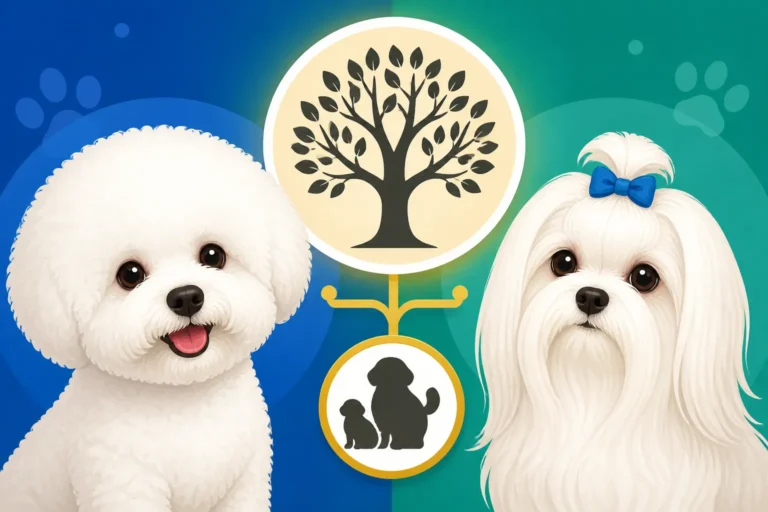
Understanding the Barbichon Family Tree
When we talk about breeds belonging to the "same group," it can mean a couple of things: either they share a common ancestor deep in history, or they are categorized together by kennel clubs based on similar characteristics and purpose. For the Bichon Frise and the Löwchen, both aspects play a role in their relationship.
What Defines a Barbichon Dog?
The term "Barbichon" might sound a bit formal, but it actually refers to a wonderful family of small, companion dogs that originated in the Mediterranean region. These dogs, including the Bichon Frise, Maltese, Bolognese, and Havanese, were primarily bred for companionship, often gracing the laps of nobility or traveling on ships to keep sailors company and control vermin. They share several key characteristics: a relatively small stature, a charming and intelligent demeanor, and perhaps most notably, a distinctive, non-shedding curly or wavy coat that often requires meticulous grooming.
These shared traits aren't just a coincidence; they point to a common lineage. Imagine a large, extended family with many cousins who, despite looking a little different and having their own personalities, clearly share the same grandparents. That's essentially the Barbichon group. They all evolved from similar ancestral stock, spreading across various European countries and developing slightly different characteristics based on regional preferences and breeding goals. This historical connection is why dogs like the Bichon Frise, with its vivacious personality and cloud-like coat, feel so familiar to anyone who loves the Barbichon type. You can dive deeper into this fascinating lineage by exploring The Barbichon Family the Bichon Frise Belongs To.
The Bichon Frise's Place in the Family
Our darling Bichon Frise is a quintessential member of the Barbichon family, often considered the most widely recognized. Its history traces back centuries, evolving from water spaniels and eventually becoming the cherished companion of French and Italian aristocracy. The breed's name itself, "Bichon à poil frisé," translates to "curly-haired lap dog," perfectly encapsulating its defining features. They are known for their playful, affectionate, and sometimes mischievous temperament, always ready to charm their way into your heart.
The Bichon Frise's unique blend of exuberance and gentleness has cemented its place as a beloved companion. Their bright, inquisitive eyes and perpetually happy demeanor make them stand out, even within a family of charming dogs. While they share the non-shedding coat and keen intelligence with their Barbichon relatives, the Bichon Frise has a distinct "powder puff" appearance and a personality that is uniquely its own. It's a breed that, once you get to know it, is hard to mistake for any other, despite the underlying family resemblances.
The Löwchen's Unique History and Traits
Now, let's turn our attention to the Löwchen, a breed that, at first glance, might seem like a distant cousin or even unrelated, yet shares significant historical ties with the Barbichon family. Its name and appearance hint at a fascinating story all its own.
The "Little Lion Dog" Story
The Löwchen, or "Little Lion Dog" in German, has a truly captivating history that dates back to the Renaissance period in Europe. Like the Bichon Frise, the Löwchen was primarily a companion dog, cherished by the wealthy and aristocratic. Its distinctive "lion cut"—where the hindquarters, tail base, and often the front legs are shaved, leaving a mane-like coat around the head, chest, and front paws, plus a plume on the tail—is its most recognizable feature and the origin of its regal name. This specific trim was not just for show; it was a symbol of status and fashion for centuries.
These dogs were often depicted in historical paintings, signifying their importance in the lives of European nobility. They were known for their lively spirit, intelligence, and a joyful disposition that made them excellent companions. Despite facing near extinction in the mid-20th century, dedicated breeders worked tirelessly to bring the Löwchen back, preserving this charming and ancient breed for future generations. Their resilience and enduring appeal speak volumes about their delightful character.
Distinguishing Characteristics of the Löwchen
While both the Bichon Frise and the Löwchen are small, fluffy, and full of personality, there are noticeable differences when you look closely. The Löwchen typically has a slightly more robust build than the delicate Bichon Frise. Their coat, while also long and soft, often has a silkier texture and can come in a wider variety of colors, unlike the Bichon Frise, which is almost exclusively white. Of course, the iconic lion clip of the Löwchen immediately sets it apart visually from the Bichon's uniformly full, rounded "powder puff" look.
In terms of temperament, both breeds are intelligent and affectionate, making them wonderful family pets. However, Löwchen are often described as being a bit more outgoing and boisterous, though still perfectly suited for indoor living. They are known for their sturdy nature and a playful zest for life, often maintaining a puppy-like enthusiasm well into their senior years. While a Bichon's merry temperament is well-documented, a Löwchen might offer a slightly more spirited, almost daring, companion.
Are They in the Same Group? Exploring Classification and Heritage
The question of whether the Löwchen belongs to the "same group" as the Bichon Frise really comes down to how you define "group." Historically, genetically, and in terms of kennel club classifications, the answer is a resounding yes, though they remain distinct breeds with their own unique paths.
Kennel Club Classifications
When it comes to official recognition, major kennel clubs worldwide categorize breeds based on their function, appearance, and historical development. Both the Bichon Frise and the Löwchen are consistently placed within groups dedicated to companion or toy dogs. For instance, the American Kennel Club (AKC) places the Bichon Frise in the Non-Sporting Group and the Löwchen in the Toy Group. The Fédération Cynologique Internationale (FCI), which is Europe's largest cynological organization, groups them both under Section 2: Bichons and Related Breeds.
This consistent grouping by major kennel clubs is a strong indicator of their shared heritage and purpose. They are both celebrated for their role as companions rather than for hunting, herding, or guarding. While they might be in slightly different "groups" within one club (like AKC's Non-Sporting vs. Toy), the overarching classification as beloved companion animals underscores their close relationship. It's a way for these organizations to say, "These breeds share a similar story and appeal." The AKC's recognition of the Bichon Frise in The Year the AKC Recognized the Bichon Frise helped solidify its place in the modern dog world, much like the Löwchen finding its official status.
Shared Ancestry vs. Distinct Breeds
To clarify, yes, the Löwchen absolutely belongs to the same broader family tree as the Bichon Frise – the Barbichon family. Think of it this way: the Barbichon group is like a very old, respected family name. The Bichon Frise, the Löwchen, the Maltese, the Bolognese, and the Havanese are all different branches of that same family tree, distinct cousins who share a common heritage but have evolved into their own unique identities. They descend from the same pool of small, white-coated Mediterranean dogs, making them close relatives in the grand scheme of canine evolution.
Over centuries, specific breeding programs in different regions focused on certain traits, leading to the development of these individual breeds. The French, for example, refined the Bichon Frise with its signature fluffy coat and vivacious personality, while German and French breeders cultivated the Löwchen's distinctive lion-like appearance and spirited nature. So, while they share deep roots, they are not the same breed. They are distinct, recognized breeds that are part of the same historical and genetic family. For more on these relatives, check out Which Breeds Are in the Barbichon Family or even Whether the Bichon Frise and Maltese Share Ancestors.
Practical Considerations for Owners (Similarities & Differences)
Understanding the historical and genetic links between the Bichon Frise and the Löwchen is one thing, but what does it mean for you as a potential owner? Both breeds offer wonderful companionship, but their specific needs and characteristics present unique joys and challenges.
Grooming Needs
When it comes to grooming, both breeds require a significant commitment due to their non-shedding, continually growing coats. This is a common trait among Barbichon dogs, which makes them appealing to allergy sufferers, but it also means regular brushing and professional grooming appointments are non-negotiable.
The Bichon Frise is famous for its "powder puff" look, achieved through careful scissoring and brushing to create a soft, rounded silhouette. This requires frequent brushing at home – sometimes daily – to prevent mats, especially in the fine, dense coat. Owners often spend time on platforms like Chewy looking for the right slicker brushes, combs, and detangling sprays to keep their Bichon looking pristine. Understanding How Long Brushing a Bichon Frise Takes is crucial. For a true show-ready look, a professional groomer is essential to maintain The Powder Puff Outline a Bichon Frise Is Scissored Into.
The Löwchen, while also needing regular brushing to prevent matting, has its iconic "lion cut." This style involves shaving parts of the body, which might seem easier, but it still requires skill and regular maintenance to keep the shaved areas clean and the remaining coat healthy and free of tangles. Whether you opt for a professional groomer or learn to do the lion cut yourself, both breeds demand dedication to their coats to prevent discomfort and skin issues. Neglecting either coat can quickly lead to painful mats that require a full shave-down, which no owner wants.
Health Tendencies
All purebred dogs have certain predispositions to health conditions, and the Bichon Frise and Löwchen are no exception. While they share some general small-breed tendencies, each also has specific concerns that responsible breeders screen for.
Bichon Frises are notably prone to bladder stones (particularly calcium oxalate stones), allergies, luxating patellas (slipping kneecaps), and dental disease. Owners often find themselves meticulously managing their Bichon's diet and water intake to prevent stone recurrence, and vigilant about skin care to manage allergies. It's not uncommon for Bichon owners to consult with vets frequently about these issues, and many pet supply sites like Chewy offer specialized foods and supplements tailored to these needs. Understanding The Health Tests Both Bichon Frise Parents Should Have is vital when choosing a puppy.
Löwchen, while generally considered a hardy breed, can also be prone to luxating patellas and certain eye conditions. They may also experience Legg-Calve-Perthes disease, a hip joint condition more common in small breeds. Heart murmurs can also be a concern in both breeds, so regular vet check-ups are important for early detection, as discussed in Whether a Bichon Frise Gets a Heart Murmur. Good breeders will always conduct health screenings on parent dogs for these known issues, helping to ensure healthier puppies. For both breeds, maintaining a healthy weight and providing a good quality diet are key to supporting their overall health.
Temperament and Training
Both the Bichon Frise and the Löwchen are celebrated for their charming and intelligent temperaments, making them highly trainable and affectionate companions. They thrive on human interaction and generally integrate well into family life.
The Bichon Frise is renowned for its The Merry Temperament the Bichon Frise Standard Demands. They are playful, sensitive, and eager to please, making them quick learners in obedience and tricks. However, they can also be prone to separation anxiety if left alone too much and can be famously challenging to housetrain, often due to their small bladders or their sensitivity to harsh training methods. Consistent, positive reinforcement training from a young age is crucial. For insights into this challenge, read Why a Bichon Frise Is Famously Hard to Housetrain.
Löwchen are equally intelligent and possess a lively, outgoing personality. They are often described as confident and spirited, sometimes even a bit mischievous, but always eager to engage with their families. Like Bichons, they respond very well to positive training methods and enjoy having a "job" to do, whether it's learning new tricks or participating in dog sports. They are generally adaptable and friendly, though early socialization is important to ensure they grow into well-adjusted adults. Both breeds benefit immensely from consistent training and plenty of mental stimulation to keep their intelligent minds happy and prevent boredom-related behaviors.
Ultimately, both the Bichon Frise and the Löwchen offer incredible companionship to the right families. While they are distinct breeds, their shared heritage within the Barbichon family means they often appeal to similar types of owners looking for an intelligent, affectionate, and charming small dog.
Disclaimer
This article is for general informational purposes only and does not constitute professional advice. Laws, prices and regulations vary by location and change over time. Consult a qualified professional for guidance on your specific situation.