Whether a Cushing’s Bichon Frise Drinks Constantly
It can be incredibly alarming and frankly, quite worrying, when you start noticing your sweet Bichon Frise suddenly drinking water at an alarming rate, far more than usual. You might find yourself refilling their bowl multiple times a day, or waking up to find it completely empty, wondering what in the world is going on. This guide is here to shed light on whether this constant drinking could be a sign of Cushing's disease in your beloved Bichon Frise, and what steps you should take.
Understanding Polydipsia in Bichon Frises
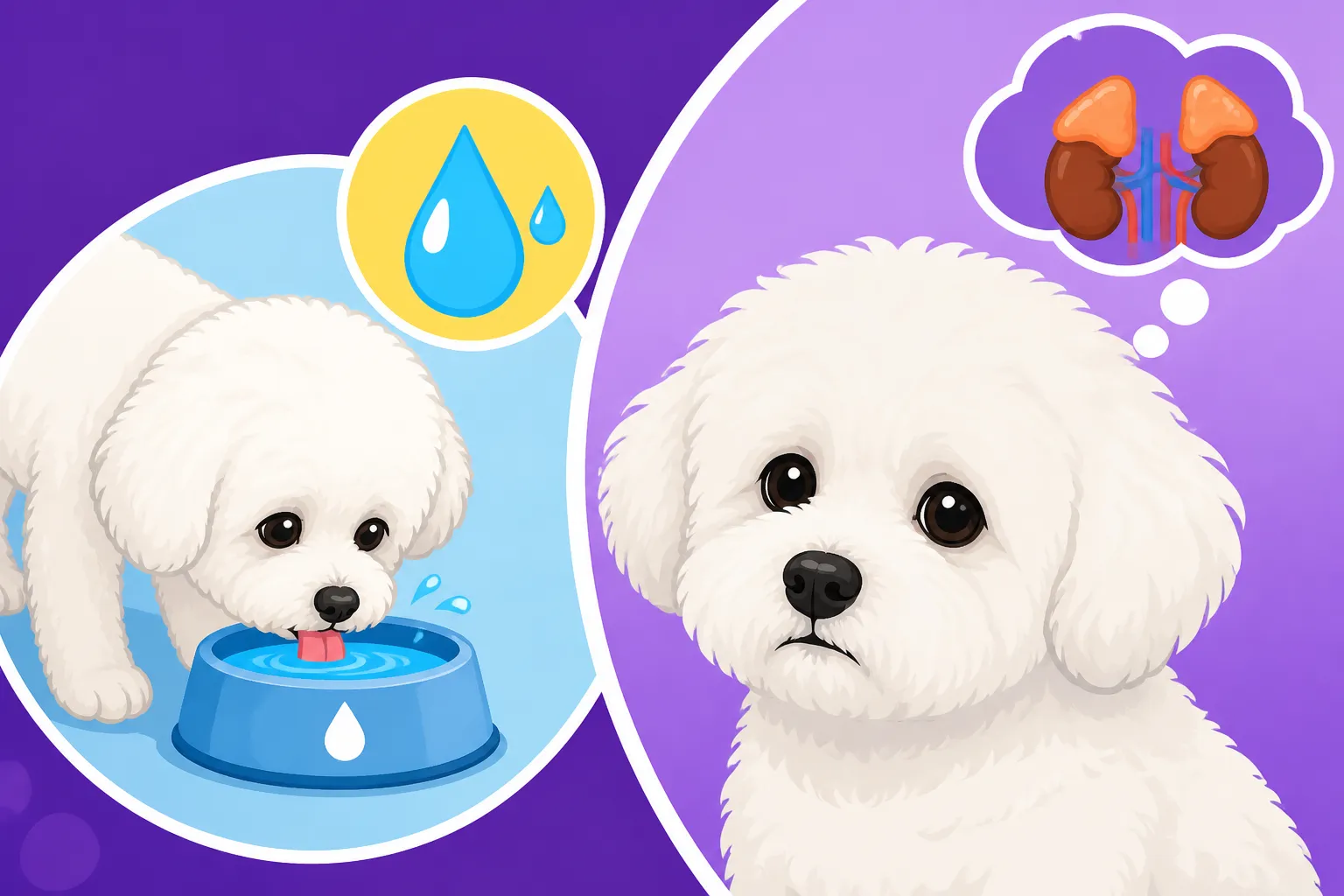
When your Bichon Frise seems to be perpetually thirsty, it's natural to feel concerned. This excessive drinking, medically termed polydipsia, is one of those symptoms that can sneak up on you, gradually escalating until it's impossible to ignore. It’s a significant change in behavior that warrants immediate attention, not just a casual shrug.
What "Constant Drinking" Really Means
"Constant drinking" isn't just about your Bichon taking a few more sips than yesterday. We're talking about a noticeable and sustained increase in water intake. Typically, a dog drinks around 20 to 40 milliliters of water per pound of body weight per day. For a Bichon Frise, which usually weighs between 12 to 18 pounds, this means roughly 240 to 720 ml (about 1 to 3 cups) in a 24-hour period. If you find your dog consistently drinking significantly more than this, or if you're refilling the bowl several times a day when you used to do it once, that's a red flag.
It's not uncommon for owners to first notice this when they realize their dog is also needing to urinate much more frequently (polyuria), sometimes even having accidents in the house, despite being perfectly housetrained. The two often go hand-in-hand: increased drinking leads to increased urination, and vice versa, as the body tries to regulate its fluid balance. This cycle can be particularly frustrating for owners who've worked hard on their dog's toilet routine, making them question if their furry friend has suddenly forgotten all their training. Rest assured, it's rarely a behavioral issue when paired with excessive thirst.
Why Increased Thirst is a Red Flag
Any marked change in your pet's drinking habits should always be considered a serious indicator that something isn't right. It's not just a minor quirk; it’s your dog's way of telling you that their body is working harder than it should be, or that an internal system is out of whack. Excessive thirst is a common symptom for a host of underlying medical conditions, some of which can be quite serious if left undiagnosed and untreated.
Beyond the sheer volume of water consumed, you might also notice your Bichon seeking out water in unusual places, like from the toilet bowl or even dripping faucets, which they never did before. This heightened drive to drink is their body's attempt to compensate for increased fluid loss or an imbalance in hormones or electrolytes. Ignoring these signs can lead to dehydration despite the increased drinking, and can also allow a potentially serious illness to progress further. When you see your Bichon Frise guzzling water, it’s a clear signal to book a vet appointment without delay.
Cushing's Disease and Excessive Thirst
Cushing's disease, or hyperadrenocorticism, is a condition caused by the overproduction of cortisol, a steroid hormone, by the adrenal glands. While it can affect any dog breed, Bichon Frises are among those breeds that veterinary professionals often see diagnosed with this condition, especially as they get older. If you're concerned about your aging Bichon, it's worth learning about The Age Cushing's Appears in a Bichon Frise. This disease manifests in a variety of symptoms, but increased thirst and urination (polydipsia and polyuria) are almost universally present and often one of the first things owners notice.
The Hormonal Link to Polydipsia
The connection between Cushing's disease and constant drinking lies deep within the body's hormonal system. Cortisol, the hormone produced in excess, plays many roles, including regulating metabolism, inflammation, and blood pressure. However, when levels are consistently too high, it starts to wreak havoc. One of cortisol's effects is to interfere with the action of antidiuretic hormone (ADH), also known as vasopressin. ADH's job is to tell the kidneys to conserve water. With high cortisol, the kidneys become less responsive to ADH, meaning they can't concentrate urine as effectively. This leads to dilute urine and excessive fluid loss through urination.
To combat this constant fluid loss and prevent dehydration, your Bichon Frise's body triggers an intense sensation of thirst. They drink more, leading to more urination, creating a frustrating cycle. This is why you might feel like your Bichon is tethered to their water bowl and constantly asking to go outside. It's not their fault; it's a direct physiological consequence of the hormonal imbalance. Understanding What Pituitary Cushing's Does to a Bichon Frise can provide further insight into the specific mechanisms at play, as most cases are pituitary-dependent.
Other Common Signs of Cushing's in Bichons
While excessive drinking and urination are hallmark signs, Cushing's disease presents with a constellation of other symptoms that, when seen together, paint a clearer picture. These can develop gradually over months or even years, making them easy to dismiss as normal aging initially.
One very common sign is a pot-bellied appearance, where your Bichon's abdomen seems to sag, even if they haven't gained a significant amount of weight. This is often due to fat redistribution and muscle weakness in the abdominal wall. You might also notice thinning hair or hair loss, particularly on the body and flanks, leaving a patchy or dull coat. For more details on this, you can look into Whether a Cushing's Bichon Frise Loses Its Coat and Whether a Pot Belly Means Cushing's in a Bichon Frise.
Other symptoms include:
- Increased appetite: Your Bichon might suddenly seem ravenous all the time.
- Lethargy and reduced activity: They might seem less interested in walks or playtime, showing a general decrease in energy.
- Skin problems: Thin, fragile skin, blackheads, or recurrent skin infections.
- Muscle weakness: Difficulty jumping, climbing stairs, or a general wobbly gait.
- Panting: Excessive panting, even when at rest or in cool temperatures.
Recognizing The Signs of Cushing's in a Bichon Frise in their entirety is crucial for an accurate diagnosis and timely intervention. While any one of these symptoms alone might not be definitive, the combination of several, especially in an older Bichon, should prompt a serious discussion with your veterinarian.
Differentiating Cushing's from Other Causes of Thirst
It's vital to remember that while constant drinking is a prominent sign of Cushing's disease, it's not exclusive to it. Many other medical conditions can also cause your Bichon Frise to drink excessively. This is precisely why a thorough veterinary examination is so important when you notice changes in your dog's thirst. A good pet insurance plan, such as those offered by Healthy Paws, can be a real lifesaver when dealing with the diagnostics and ongoing treatment for chronic conditions like these, easing the financial burden on concerned pet parents.
Other Medical Conditions that Cause Increased Drinking
Several other health issues can lead to polydipsia and polyuria in dogs. Your vet will consider these possibilities during their diagnostic workup:
- Diabetes Mellitus: This is another common culprit for increased thirst and urination. In diabetic dogs, their bodies either don't produce enough insulin or can't properly use the insulin they do produce, leading to high blood sugar. Excess sugar then spills into the urine, taking water with it, which in turn makes the dog very thirsty. It's not uncommon for diabetes to follow Cushing's, as the two conditions can sometimes be linked or present similarly.
- Kidney Disease: As kidneys fail to filter waste products effectively, they lose their ability to concentrate urine, leading to increased water loss and compensatory thirst. This is a serious condition that requires careful management.
- Liver Disease: The liver plays a crucial role in metabolism and detoxification. When it's not functioning correctly, it can lead to various symptoms, including increased thirst.
- Urinary Tract Infections (UTIs): While usually causing frequent, small urinations and straining, a severe or chronic UTI can sometimes also lead to increased fluid intake as the body tries to flush out bacteria.
- Pyometra: This is a severe uterine infection in intact female dogs that can cause extreme thirst and lethargy and is a medical emergency.
- Hypercalcemia: High calcium levels in the blood can impair kidney function and cause excessive thirst and urination.
- Certain Medications: Some drugs, particularly steroids (like prednisone, often used for allergies or inflammatory conditions), can cause increased thirst and urination as a side effect. If your Bichon is on such medication, this might be the explanation.
Environmental and Behavioral Factors
Sometimes, the cause of increased thirst might be less sinister and more related to environmental factors or even behavioral changes. However, it's crucial not to assume these simpler explanations without ruling out medical conditions first.
- Hot Weather or Increased Activity: On particularly warm days, or after a long, vigorous play session, it's perfectly normal for your Bichon to drink more water to stay hydrated. If the increased drinking is only observed during these times and resolves when conditions return to normal, it might not be a concern.
- Dietary Changes: A switch to a dry kibble diet, especially if your dog was previously on wet food, can naturally increase their water intake. Diets high in sodium can also make a dog thirstier.
- Excitement or Stress: Some dogs might drink more when they are excited or stressed, though this is usually temporary and not sustained "constant drinking."
- Changes in Water Access: If your Bichon suddenly has easier access to a larger or multiple water sources, they might simply drink more out of opportunity, but again, this usually isn't indicative of a medical problem unless the volume is truly excessive for their size.
It's tempting to hope for a simple explanation, but always prioritize a vet visit to rule out serious underlying conditions, especially if the increased drinking is persistent.
The Diagnostic Journey for a Thirsty Bichon
When you bring your constantly drinking Bichon Frise to the vet, they'll embark on a systematic diagnostic journey to pinpoint the exact cause. This process is thorough because, as we've discussed, excessive thirst can stem from many different issues, and getting the right diagnosis is key to effective treatment.
Initial Vet Visit and Bloodwork
Your veterinarian will start with a comprehensive physical examination, carefully checking your Bichon's overall health, looking for signs like a pot-belly, thin skin, or any other abnormalities. They'll also ask you a lot of questions about your dog's history, diet, medication, and, importantly, the specific changes you've observed in their drinking and urination habits. Try to be as precise as possible about the volume of water consumed and the frequency of urination, as this information is incredibly valuable.
Following the physical exam, the vet will almost certainly recommend a basic diagnostic panel, which typically includes:
- Complete Blood Count (CBC): This evaluates red blood cells, white blood cells, and platelets, providing insights into infection, inflammation, or anemia.
- Biochemistry Profile: This measures various chemicals in the blood, such as kidney values (BUN, creatinine), liver enzymes (ALT, ALP), blood sugar (glucose), and electrolytes. Elevated liver enzymes, particularly alkaline phosphatase (ALP), are a common finding in dogs with Cushing's disease, but can also be seen in other conditions.
- Urinalysis: A urine sample is crucial. It assesses urine concentration (specific gravity), checks for the presence of sugar, protein, blood, and signs of infection. Dilute urine despite adequate hydration is a strong indicator of an underlying issue affecting water balance.
These initial tests can often narrow down the possibilities significantly. For instance, high blood sugar points towards diabetes, while abnormal kidney values suggest kidney disease. If these initial tests indicate a potential hormonal imbalance or specific organ dysfunction, further specialized tests will be needed. Remember, getting pet insurance from providers like Healthy Paws early in your pet's life can help cover the costs of these diagnostic tests, which can add up quickly, especially when investigating chronic conditions.
Specific Testing for Cushing's
If the initial bloodwork and urinalysis suggest Cushing's disease, your vet will then proceed with more specific tests to confirm the diagnosis. These can be a bit more involved and require careful interpretation.
- ACTH Stimulation Test: This is one of the most common and reliable tests for diagnosing Cushing's. It involves drawing a blood sample, injecting a synthetic ACTH (adrenocorticotropic hormone), and then drawing another blood sample an hour or two later. The test measures how well the adrenal glands respond to stimulation. In a dog with Cushing's, the cortisol levels will be abnormally high after stimulation.
- Low-Dose Dexamethasone Suppression Test (LDDS): This test assesses whether the body's normal feedback loop for cortisol production is working correctly. A small dose of dexamethasone (a synthetic steroid) is given, and blood samples are taken before and several hours after administration. In healthy dogs, cortisol production should be suppressed. In dogs with Cushing's, it often isn't suppressed, or not enough, due to the overproduction of cortisol.
- Urine Cortisol:Creatinine Ratio: This is often used as a screening test. A high ratio indicates that Cushing's might be present, but a normal ratio helps rule it out. It's not diagnostic on its own, but can guide further testing.
- Abdominal Ultrasound: An ultrasound of the abdomen can help visualize the adrenal glands. Enlarged adrenal glands can support a diagnosis of Cushing's, and can sometimes differentiate between pituitary-dependent Cushing's (the most common type) and an adrenal tumor, although often further specialized tests are needed to confirm the type.
The diagnostic process can sometimes feel like a marathon, with multiple tests and vet visits, but it's essential for an accurate diagnosis. For more detailed information on this process, you can refer to How Cushing's Is Diagnosed in a Bichon Frise.
Managing Polydipsia in a Cushing's Bichon Frise
Once Cushing's disease is confirmed as the cause of your Bichon's excessive drinking, the focus shifts to management. While Cushing's is typically a chronic condition that can't be cured, it can be effectively managed to improve your dog's quality of life and reduce the uncomfortable symptoms, including that constant thirst. Addressing Whether Cushing's Can Be Treated in a Bichon Frise is a common concern for owners.
Treatment Approaches for Cushing's
The most common and effective treatment for pituitary-dependent Cushing's disease (which accounts for about 80-85% of cases) involves medication that helps regulate cortisol production.
- Trilostane (Vetoryl): This is the most widely prescribed medication for canine Cushing's. Trilostane works by inhibiting an enzyme involved in cortisol synthesis in the adrenal glands, thereby reducing the amount of cortisol produced. It needs to be given daily, usually with food, and requires careful monitoring by your veterinarian to adjust the dose as needed. Most Bichon Frises respond well to Trilostane, and owners often see a significant reduction in symptoms like excessive drinking, urination, panting, and an improvement in energy levels. You might find it helpful to learn about Whether Trilostane Works on a Bichon Frise to understand its efficacy.
- Mitotane (Lysodren): This medication works by selectively destroying cells in the adrenal cortex that produce cortisol. It's less commonly used now due to a higher risk of side effects and more complex dosing, but it remains an option in some cases.
For adrenal-dependent Cushing's (caused by a tumor on the adrenal gland), surgical removal of the tumor can be curative, but it's a complex procedure. If surgery isn't feasible, medical management with trilostane or mitotane might still be used.
Regardless of the chosen treatment, regular follow-up visits and blood tests are crucial. Your vet will monitor your Bichon's response to medication, check cortisol levels, and adjust the dosage to achieve the best possible control with the fewest side effects. This ongoing monitoring is a critical part of managing the disease long-term. Information on What Monitoring Cushing's Costs on a Bichon Frise can help you understand the financial aspects of this commitment.
Supporting Your Bichon Through Treatment
Managing Cushing's is a partnership between you, your Bichon, and your vet. Beyond medication, there are several things you can do to support your furry friend:
- Consistent Medication Schedule: Administering medication exactly as prescribed and on time is paramount. Missed doses can lead to a resurgence of symptoms.
- Monitoring at Home: Keep a diary of your Bichon's water intake, urination frequency, appetite, and general activity levels. This information is invaluable for your vet to assess the effectiveness of the treatment and make dosage adjustments. Note any return of the excessive drinking or other symptoms.
- Access to Water: Ensure your Bichon always has access to fresh, clean water, even though they're drinking a lot. Never restrict their water intake, as this can lead to dangerous dehydration.
- Potty Breaks: Be prepared for more frequent potty breaks, especially during the initial stages of treatment or if the disease isn't fully controlled. Patience and understanding are key if they have an accident indoors. Remember, it's not their fault.
- Diet: While there isn't a specific "Cushing's diet," a high-quality, easily digestible diet is generally recommended. Your vet might suggest certain dietary modifications if your Bichon has other concurrent health issues.
- Regular Exercise (as tolerated): Gentle, regular exercise can help maintain muscle tone and overall well-being, but avoid overexertion, especially if your Bichon is prone to panting.
- Veterinary Check-ups: Adhere strictly to your vet's recommended schedule for follow-up appointments and blood tests. These are critical for long-term success.
Living with a Cushing's Bichon Frise means embracing a new routine, but with proper management, your dog can continue to live a comfortable and happy life, often for many years. It’s also important to consider the financial implications of long-term care; knowing What Cushing's Medication Costs a Bichon Frise Owner Monthly can help you budget, and pet insurance, such as coverage through Healthy Paws, can alleviate the financial strain of ongoing medication and monitoring appointments.
Disclaimer
The information provided in this guide is for general educational purposes only and should not be considered a substitute for professional veterinary advice. Always consult with a qualified veterinarian for any health concerns or before making any decisions related to your pet's medical care.