Whether Trilostane Works on a Bichon Frise
Discovering that your beloved Bichon Frise has been diagnosed with Cushing's disease can be incredibly overwhelming, often leaving you feeling anxious about their future and what treatment truly entails. Many owners wonder if common medications like Trilostane, often prescribed for this condition, are genuinely effective and safe for their specific breed. This guide aims to thoroughly explore how Trilostane works specifically for Bichon Frises, what you can expect from treatment, and how to best support your furry family member through this journey.
Understanding Cushing's Disease in Bichon Frises
Cushing's disease, or hyperadrenocorticism, is a condition where your dog's body produces too much cortisol, a stress hormone. While it can affect any dog, small breeds like our Bichon Frises are sometimes particularly susceptible, and the signs can be subtle at first, making diagnosis tricky.
What Cushing's Looks Like
The symptoms of Cushing's disease can often be mistaken for normal signs of aging, which makes early detection a real challenge for many dedicated Bichon owners. You might notice your energetic companion slowing down, or perhaps their once pristine white coat seems to be thinning or changing. One of the most common signs that owners observe is an increased thirst and a corresponding increase in urination. Your Bichon might suddenly need to go outside much more frequently, or even have accidents indoors despite being perfectly housetrained for years. This isn't usually a behavioral issue; it's a physiological response to their kidneys trying to process the excess cortisol.
Beyond thirst and urination, you might also see a noticeable change in their body shape. Many Bichon Frises with Cushing's develop what's often referred to as a "pot belly" or a distended abdomen, even if they aren't necessarily gaining a lot of weight overall. This is due to the redistribution of fat and weakening of abdominal muscles. Their skin can become thinner and more fragile, sometimes leading to recurrent skin infections, and their fur might appear sparse or fall out, particularly on their flanks. A Cushing's Bichon Frise Loses Its Coat might show this thinning dramatically. Muscle weakness can also be a factor, making them less enthusiastic about walks or jumping onto furniture. It's truly heartbreaking to see these subtle yet impactful changes in our typically playful and lively Bichons. For a deeper dive into the common indicators, you might find more information on The Signs of Cushing's in a Bichon Frise.
How Cushing's is Diagnosed
Pinpointing Cushing's disease in a Bichon Frise isn't as simple as a single blood test; it often involves a series of diagnostic steps because the symptoms can mimic other health issues. Your vet will usually start with routine bloodwork and a urinalysis, looking for specific changes like elevated liver enzymes, high cholesterol, or dilute urine, which can raise a red flag. However, these aren't definitive.
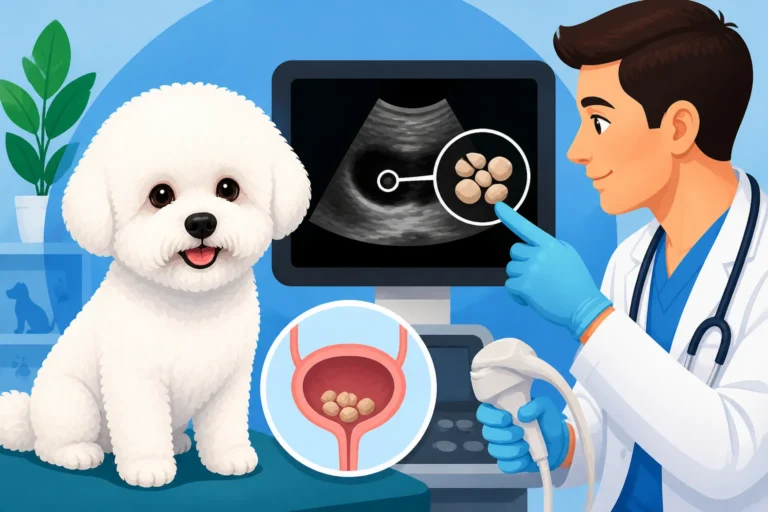
The real diagnostic heavy hitters are endocrine tests, such as the ACTH stimulation test or the low-dose dexamethasone suppression test. These tests involve taking a baseline blood sample, administering a synthetic hormone, and then taking more blood samples at specific intervals to see how your Bichon's adrenal glands respond. It can be a bit of a process, requiring your Bichon to spend some time at the vet's office, which can be stressful for both of you. Sometimes, an ultrasound of the abdomen is also performed to visualize the adrenal glands and check for tumors, which helps differentiate between pituitary-dependent Cushing's (the most common type, where the brain's pituitary gland overstimulates the adrenals) and an adrenal tumor. Understanding How Cushing's Is Diagnosed in a Bichon Frise is key to preparing for this veterinary journey.
Introducing Trilostane as a Treatment Option
Once Cushing's is confirmed, your veterinarian will discuss treatment options. For most Bichon Frises, particularly those with pituitary-dependent Cushing's, Trilostane is often the frontline medication prescribed.
How Trilostane Works
Trilostane is a truly remarkable medication because it tackles the core problem of Cushing's disease: the overproduction of cortisol. Unlike older treatments that might have worked by destroying parts of the adrenal gland, Trilostane is an enzyme inhibitor. Specifically, it inhibits an enzyme called 3-beta-hydroxysteroid dehydrogenase, which is crucial in the production of several adrenal steroids, including cortisol. Think of it like a very precise switch that turns down the factory output of cortisol.
This means Trilostane doesn't cure Cushing's disease—it's not a permanent fix, as the underlying cause (usually a pituitary tumor) remains. Instead, it effectively manages the condition by reducing the amount of cortisol circulating in your Bichon's body. By bringing cortisol levels back into a normal range, it alleviates the debilitating symptoms your dog experiences, significantly improving their quality of life. It’s a daily commitment, but one that can bring immense relief to your furry friend.
Why Trilostane is Often Chosen for Bichon Frises
Trilostane has become a preferred treatment for many veterinarians, and especially for small breeds like Bichon Frises, for several compelling reasons. Firstly, its mechanism of action is generally well-tolerated. It's effective at controlling cortisol levels without the more drastic side effects or risks associated with some older medications, such as mitotane, which could sometimes cause permanent damage to the adrenal glands if not monitored meticulously.
For Bichon Frises, their small size and sometimes delicate constitutions mean that precision in dosing and safety are paramount. Trilostane allows for flexible dosing, which can be adjusted by your vet based on your individual dog's response and regular monitoring. This ability to fine-tune the treatment is incredibly beneficial for a breed that can sometimes have unique metabolic responses. Furthermore, the improvements seen in symptoms like excessive thirst, panting, and the pot-bellied appearance often translate into a much happier, more active Bichon, making it a valuable choice for improving their overall well-being. It helps them feel more like themselves again, which is what every pet parent truly wants. To understand the long-term outlook, exploring Whether a Cushing's Bichon Frise Lives Long can provide additional context.
The Efficacy of Trilostane in Bichon Frises
So, does Trilostane really work for Bichon Frises? The answer, for most dogs, is a resounding yes. However, it's not a "one size fits all" magic bullet, and the journey requires patience and close veterinary partnership.
Expected Outcomes and Improvements
When a Bichon Frise starts on Trilostane, owners typically begin to see improvements in their dog's condition within a few weeks, though it can sometimes take a couple of months for the full effects to become apparent. The most immediate and noticeable changes are usually the reduction in excessive drinking and urinating. That constant need to go outside or those unwelcome accidents suddenly become much less frequent, alleviating a huge source of stress for both dog and owner. For example, if your Bichon Frise was constantly seeking out water bowls, you'll likely see a significant decrease in their water intake. This improvement alone can be a game-changer for daily life.
Beyond that, you'll often observe a decrease in panting, a return of energy levels, and an improvement in muscle strength. Your Bichon might start enjoying walks again and be more playful. The "pot belly" often diminishes as abdominal muscles regain some tone and fat redistribution normalizes. Skin and coat health also tends to improve, with less thinning and fewer skin infections. While it may not fully reverse every symptom, the overall quality of life for a Bichon Frise on Trilostane is usually dramatically enhanced.
Here's a quick look at common improvements:
| Symptom Before Trilostane | Expected Improvement with Trilostane |
|---|---|
| Excessive Thirst | Significantly reduced water intake |
| Frequent Urination | Fewer accidents, less urgency |
| Pot-Bellied Appearance | Abdominal distension decreases |
| Lethargy/Weakness | Increased energy and muscle strength |
| Thinning Hair/Poor Coat | Hair regrowth, healthier coat |
| Excessive Panting | Reduced panting, especially at rest |
| Recurrent Skin Infections | Fewer or less severe infections |
Potential Side Effects and Monitoring
While Trilostane is generally well-tolerated, it's crucial to be aware of potential side effects and the importance of regular monitoring. Because Trilostane works to reduce cortisol, the main concern is that it might reduce it too much, leading to symptoms of Addison's disease (hypoadrenocorticism). This is why initial monitoring is so frequent and thorough.
Common side effects can include lethargy, decreased appetite, vomiting, and diarrhea. These are often mild and transient, but if they persist or worsen, it's a clear signal to contact your vet immediately. In rarer cases, more severe side effects like collapse, weakness, or even adrenal crisis can occur, especially if the dosage is too high or if your Bichon has an unexpected sensitivity.
Regular follow-up appointments, including ACTH stimulation tests and blood work, are absolutely vital. Typically, these tests are done about 10-14 days after starting Trilostane and then again after any dose adjustments. Once a stable dose is found, your vet will likely recommend monitoring every 3-6 months. These tests help ensure that your Bichon's cortisol levels are in the optimal therapeutic range—not too high, but not too low either. This vigilant monitoring allows your vet to adjust the dosage as needed, ensuring your Bichon receives the safest and most effective treatment. Ignoring these check-ups could put your Bichon at risk. You can learn more about this monitoring process by reading What Monitoring Cushing's Costs on a Bichon Frise.
Long-Term Management and Prognosis
Living with a Bichon Frise on Trilostane means committing to long-term management. Cushing's disease is a chronic condition, and Trilostane is a lifelong medication. It's not a cure, but rather a way to control the symptoms and allow your dog to live a happy, comfortable life. The prognosis for Bichon Frises with pituitary-dependent Cushing's disease treated with Trilostane is generally good, with many dogs enjoying several more years of quality life.
Consistency in administering the medication exactly as prescribed is paramount. Missing doses or giving incorrect amounts can throw off their cortisol levels, leading to a return of symptoms or even new problems. Your vet will work with you to find the lowest effective dose, aiming for symptom control with minimal side effects. This ongoing partnership with your veterinary team is the cornerstone of successful long-term management. Remember, even with effective treatment, regular check-ups and open communication about any changes you observe in your Bichon are crucial to maintaining their health and well-being. For broader treatment perspectives, consider checking out Whether Cushing's Can Be Treated in a Bichon Frise.
Living with a Bichon Frise on Trilostane
Having a Bichon Frise on daily medication like Trilostane becomes part of your routine. It requires dedication, a keen eye for changes in your dog, and careful financial planning.
The Importance of Consistent Dosing
One of the most critical aspects of managing Cushing's with Trilostane is unwavering consistency in dosing. Your veterinarian will prescribe a specific dosage and frequency, usually once or twice a day, typically given with food to enhance absorption and minimize gastrointestinal upset. It's not just about remembering to give the pill; it's about giving the right dose at the right time, every single day.
Fluctuations in Trilostane levels can be detrimental. Giving too little might mean the symptoms return, diminishing your Bichon's quality of life. Giving too much can lead to the dangerous Addisonian crisis, where cortisol levels plummet. This is why you should never adjust the dose yourself or skip doses without explicit instructions from your vet. If you travel, ensure you have enough medication and a consistent schedule. If you ever run out or have trouble administering it, contact your vet immediately for guidance. Your Bichon's stability relies heavily on your diligent adherence to the treatment plan.
Partnering with Your Veterinarian
Managing a chronic condition like Cushing's disease is a team effort, and your veterinarian is your most important partner. You'll need to maintain a close relationship with their office, attending all recommended follow-up appointments for blood tests and physical examinations. These visits are not just formalities; they are critical for assessing how well the Trilostane is working, detecting any side effects early, and making necessary dosage adjustments.
Don't hesitate to communicate openly with your vet about any concerns you have, no matter how small. Noticing subtle changes in your Bichon's appetite, energy, or bathroom habits can provide valuable information that helps your vet fine-tune the treatment. Your observations are a vital part of the diagnostic and monitoring process, as you are with your Bichon every day. Think of it as a collaborative approach to ensure your furry friend receives the best possible care. Understanding The Age Cushing's Appears in a Bichon Frise can also help contextualize discussions with your vet.
Financial Considerations for Long-Term Treatment
Let's be realistic: long-term management of Cushing's disease with Trilostane, along with the necessary monitoring tests, can represent a significant financial commitment. The cost of the medication itself can vary depending on your Bichon's size (and thus the dosage needed) and the specific brand or generic version prescribed. Beyond the pills, you'll also have the recurring costs of the ACTH stimulation tests, blood panels, and regular vet visits.
Many owners find relief through pet insurance. Policies from providers like Healthy Paws can help offset a substantial portion of these ongoing veterinary expenses, making lifelong treatment more manageable. It's always wise to research pet insurance plans early on, ideally before any conditions like Cushing's are diagnosed, as pre-existing conditions are typically not covered. However, if your Bichon Frise developed Cushing's after you enrolled them, a good pet insurance plan could be a lifesaver. Preparing for What Cushing's Medication Costs a Bichon Frise Owner Monthly can help you budget accordingly. Discussing these financial aspects with your vet or their office staff can also provide clarity on projected costs and potential ways to manage them.
Disclaimer
The information provided in this guide is intended for general educational purposes only and should not be considered a substitute for professional veterinary advice. Always consult with a qualified veterinarian for any health concerns or before making any decisions about your pet's medical care.