The Skip That Means a Bichon Frise’s Knee Has Gone
There's nothing quite like the sudden lurch of panic you feel when you see your playful Bichon Frise take an odd hop or skip while running across the floor. That momentary lift of a back leg, a brief grimace, and then they're off again as if nothing happened. This common scenario often points to a condition known as luxating patella, a prevalent orthopedic issue in our fluffy friends. This guide is here to shed light on what that skip truly means, how to recognize it, and the steps you can take to help your beloved Bichon live a comfortable, active life.
Understanding the Bichon Frise Knee Skip
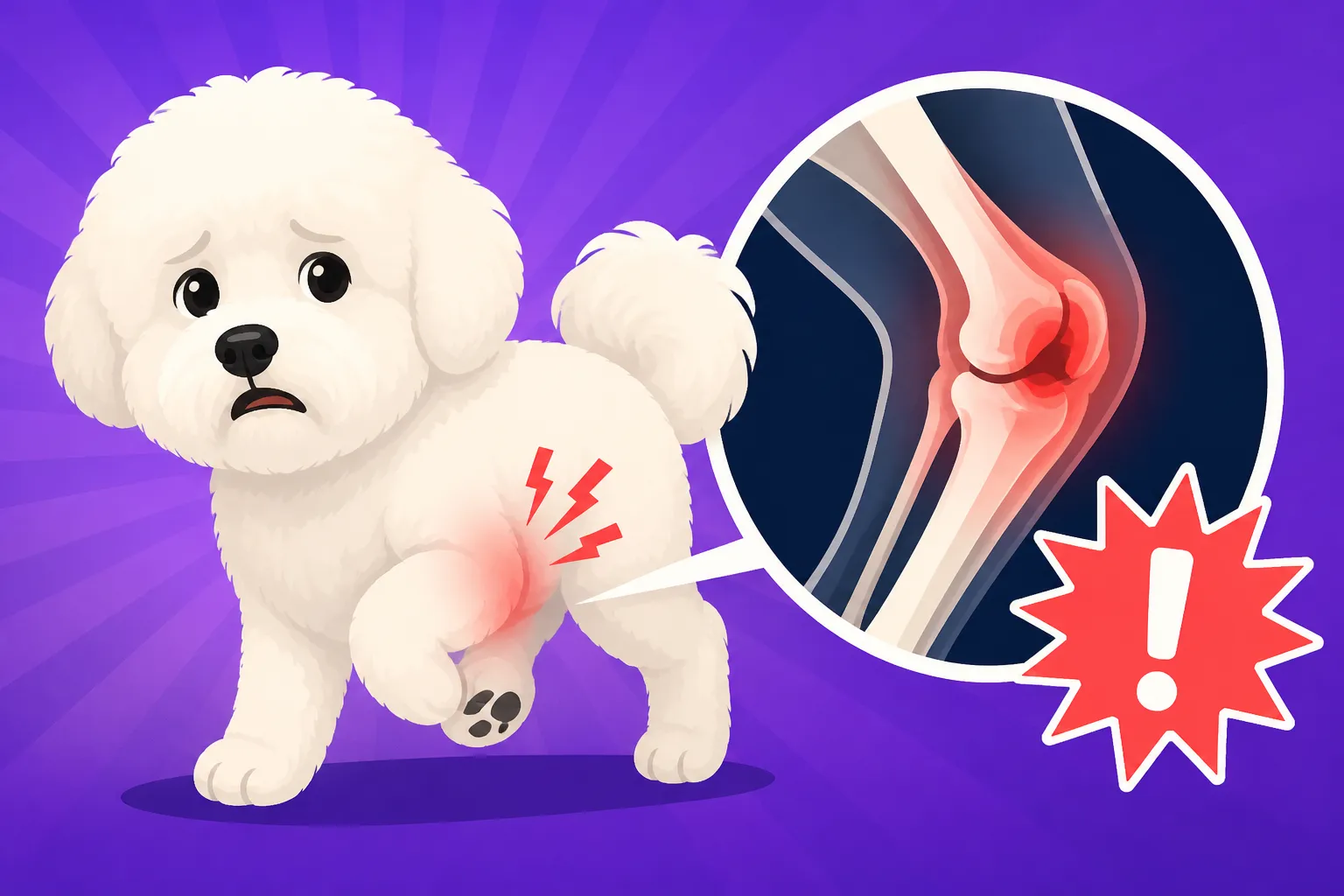
When your Bichon Frise does that peculiar skip, it's often a tell-tale sign that their kneecap, or patella, has temporarily slipped out of its normal groove. While it might look minor, this seemingly small hitch can lead to significant discomfort and long-term joint issues if left unaddressed.
What Exactly is a Luxating Patella
At its core, a luxating patella simply means a dislocated kneecap. The patella is a small bone that sits in a groove on the end of the femur (thigh bone), gliding smoothly up and down as your dog's knee bends and straightens. It's held in place by tendons and ligaments, acting as a pulley system to extend the leg. When it "luxates," it means the patella moves out of this groove. In most small breeds, including Bichons, it tends to luxate medially, meaning it slips towards the inside of the leg. This can happen intermittently, explaining why your dog might skip one moment and walk normally the next.
It's a mechanical problem, much like a train wheel coming off its track. When the kneecap is out of its proper alignment, the leg cannot fully extend, which is why you see that characteristic hop or skip. Over time, repeated luxation can cause wear and tear on the cartilage and bone, potentially leading to arthritis and chronic pain. Many owners report noticing The Age a Bichon Frise's Kneecap First Slips around puppyhood or early adulthood, though it can appear at any age.
Why Bichon Frises Are Prone to It
Bichon Frises, unfortunately, are genetically predisposed to luxating patella. It's one of those breed-specific quirks we, as owners, need to be aware of. The primary reason lies in their bone structure. In many Bichons, the groove in the femur where the patella normally sits (called the trochlear groove) is shallower than it should be. Imagine trying to keep a marble in a very flat saucer – it's much harder than in a deep bowl.
Beyond a shallow groove, there can be other contributing anatomical factors. The quad muscle group might pull the patella out of alignment, or the tibia (shin bone) might be rotated, creating an improper angle that encourages the kneecap to pop out. Sometimes, the ligaments that hold the patella in place are too loose. This combination of factors, often inherited, makes the Bichon Frise particularly susceptible to this condition. It's not usually due to an injury, but rather an inherent structural weakness.
The Mechanics of the Patella Skip
To truly understand what's happening, let's visualize it. When your Bichon walks or runs, their quadriceps muscle contracts, pulling on the patella tendon which in turn moves the lower leg. If the patella is seated correctly in its groove, this motion is fluid. However, if that groove is too shallow or if the alignment of the bones is off, the patella can be pulled sideways when the muscle contracts.
When the patella slips out, it's momentarily "stuck" on the side of the groove. This prevents the leg from straightening properly. Your Bichon will instinctively lift that leg, shake it, or extend it out to the side in an attempt to "pop" the kneecap back into place. Once it's realigned, they can put weight back on it and continue as if nothing happened. This intermittent nature is key to recognizing it. It's not a constant limp, but rather a periodic, often brief, interruption in their gait. It's a clear signal that something isn't quite right structurally within their knee.
Recognizing the Signs and Grades
Spotting a luxating patella isn't always obvious, especially in its early stages. Many dogs are masters at hiding discomfort, and the intermittent nature of the skip can make owners doubt what they're seeing. However, learning the common signs and understanding the grading system can help you advocate for your pet.
Identifying the Characteristic Skip and Other Symptoms
The most classic symptom, as we've discussed, is the "skip." Your Bichon might be trotting along, suddenly lift one back leg for a few steps, then put it back down and continue as normal. This usually happens when the patella slips out and then, with a shake or extension of the leg, pops back into place. It can be startling to witness, especially if you're not familiar with the condition. But beyond the skip, there are other, more subtle signs to watch for:
- Intermittent Lameness: Your dog might limp occasionally, especially after periods of rest or strenuous activity, then seem perfectly fine.
- Reluctance to Jump: A Bichon with a luxating patella might avoid jumping on and off furniture, or they might struggle or hesitate before doing so. This is because jumping puts significant strain on the knee joint.
- Holding a Leg Up: Sometimes, they might hold a leg up for a minute or two, refusing to put weight on it, before suddenly using it again.
- Abnormal Sitting Posture: They might sit with one leg extended out to the side, rather than tucked neatly under them, to avoid bending the knee in a way that causes discomfort.
- Stiffness After Rest: You might notice they are a bit stiff when getting up after a nap, especially in the affected leg.
- Pain Response: While some dogs show no overt pain, others might yelp or cry out if the kneecap slips out in a particularly uncomfortable way.
- Decreased Activity: As the condition progresses, they might generally become less active and playful due to chronic discomfort or fear of the kneecap slipping.
Keeping a small journal of when you notice these signs, what your Bichon was doing at the time, and how long the episode lasted can be incredibly helpful information for your veterinarian.
The Different Grades of Luxating Patella
Veterinarians classify luxating patella into four grades, based on how easily the kneecap slips out of place and how severe the underlying anatomical abnormalities are. This grading helps determine the best course of action.
| Grade | Description | Symptoms Usually Seen | Treatment Approach |
|---|---|---|---|
| Grade I | The patella can be manually luxated (pushed out of the groove by a vet's hand) but immediately returns to its normal position when released. | Often asymptomatic or only very occasional skips. No pain. | Conservative management (weight control, joint supplements, controlled exercise) is usually recommended. Close monitoring. |
| Grade II | The patella luxates spontaneously (slips out on its own) with movement or can be manually luxated. It often stays out for a short period, requiring the dog to extend its leg to put it back. | Frequent skips, intermittent lameness, occasional holding up the leg. Mild discomfort. | Conservative management may be attempted, but many vets will suggest surgical correction if symptoms are frequent or causing discomfort. This is where owners often start exploring options with their vet, and a good pet insurance plan like those from Healthy Paws can really come in handy if surgery is on the horizon. |
| Grade III | The patella is luxated most of the time but can be manually reduced (pushed back into the groove) by the vet. However, it will reluxate immediately or soon after. | Persistent lameness, more frequent skipping, altered gait, often visible bowing of the leg. Moderate to significant pain. | Surgical correction is strongly recommended as the primary course of action to prevent further joint damage and alleviate pain. |
| Grade IV | The patella is permanently luxated and cannot be manually reduced. The trochlear groove is often absent or very shallow, and there are severe anatomical deformities of the femur and tibia. | Severe, constant lameness, severely abnormal gait, significant pain, difficulty bearing weight. | Surgical correction is almost always necessary, often involving more complex procedures. Prognosis can be guarded depending on the severity and chronicity. |
This table provides a snapshot of Grading a Bichon Frise's Luxating Patella. It's important to remember that these are guidelines, and each dog is an individual.
What to Do When You Notice a Skip
If you notice your Bichon Frise doing that characteristic skip or exhibiting any of the other symptoms, don't just hope it goes away. Your first and most crucial step is to schedule an appointment with your veterinarian. Even if it seems minor, early detection and management can significantly impact your dog's long-term comfort and joint health.
Before your appointment, try to gather as much information as possible. When did you first notice it? How often does it happen? What seems to trigger it? Does your dog show any signs of pain? This information will help your vet get a clearer picture. Avoid encouraging strenuous activities or jumping during this time, as repeated luxation can exacerbate the problem. You might also want to start thinking about potential costs, as diagnostics and treatment can add up, and having pet insurance like Healthy Paws can make a big difference.
Your vet will perform a thorough orthopedic examination, manipulating your dog's knee joint to assess the patella's movement and stability. They'll also check for any signs of pain, swelling, or grinding within the joint. Sometimes, they might recommend X-rays to assess the bone structure and rule out other conditions. Remember, your vet is your best resource for accurate diagnosis and a tailored treatment plan.
Diagnosis and Treatment Options
Once your veterinarian has thoroughly examined your Bichon Frise and confirmed a luxating patella, you'll work together to determine the best path forward. The approach will depend heavily on the grade of the luxation, your dog's age, overall health, and your lifestyle.
How Vets Diagnose Luxating Patella
Diagnosing a luxating patella typically starts with a hands-on physical examination. Your vet will palpate your Bichon's knee, gently flexing and extending the leg, and applying pressure to the kneecap. They're feeling for how easily the patella can be pushed out of its groove, whether it spontaneously luxates, and if it stays out of place. This manual assessment is often enough to determine the grade of luxation.
In addition to the physical exam, your vet might recommend diagnostic imaging:
- X-rays: Radiographs provide a clear picture of the bone structure. They can reveal how shallow the trochlear groove is, the alignment of the femur and tibia, and any signs of arthritis or other joint degeneration that might have occurred due to chronic luxation. X-rays are crucial for planning surgical correction, as they help the surgeon understand the specific anatomical abnormalities they need to address.
- CT Scans or MRI: In more complex cases, especially if other soft tissue injuries are suspected, or for precise surgical planning, a CT scan or MRI might be recommended. These provide much more detailed images of both bone and soft tissue structures.
These diagnostic tools are essential for a comprehensive understanding of your Bichon's condition and to rule out other possible causes for lameness, such as cruciate ligament tears or Legg Calve Perthes in a Bichon Frise, although these are less common in Bichons for knee issues specifically.
Non-Surgical Management Strategies
For Bichons with lower-grade luxating patella (Grade I or mild Grade II) and minimal symptoms, non-surgical or conservative management is often the first approach. The goal here is to minimize discomfort, prevent progression, and support overall joint health.
- Weight Management: This is paramount. Excess weight puts additional stress on all joints, including the knees. Keeping your Bichon at a healthy, lean weight is one of the most effective ways to reduce strain and prevent further luxation or the development of arthritis. Even a pound or two can make a significant difference for a small dog.
- Joint Supplements: Supplements containing glucosamine, chondroitin sulfate, and MSM can help support cartilage health and reduce inflammation. Omega-3 fatty acids are also beneficial for their anti-inflammatory properties. These are not a cure, but they can certainly help manage symptoms and slow joint degeneration. You can find many reputable brands at your local pet store or through your vet. Whether Joint Supplements Help a Bichon Frise is a common question, and the answer is generally yes, especially in early stages or as an adjunct to other treatments.
- Controlled Exercise: While exercise is crucial, it needs to be appropriate. Avoid high-impact activities like jumping (as discussed in Whether a Bichon Frise Should Jump Off Furniture) or sudden twists and turns. Instead, focus on regular, moderate walks on leash. Swimming can be an excellent non-weight-bearing exercise that builds muscle strength around the joint.
- Physical Therapy: A certified canine rehabilitation therapist can develop a tailored exercise program to strengthen the muscles surrounding the knee, improve range of motion, and reduce pain. This can involve therapeutic exercises, massage, and even modalities like laser therapy.
- Anti-inflammatory Medication: During flare-ups or periods of increased discomfort, your vet might prescribe non-steroidal anti-inflammatory drugs (NSAIDs) to manage pain and inflammation.
It's a misconception that non-surgical means "do nothing." On the contrary, it requires diligent, consistent effort from the owner to achieve the best results.
When Surgery Becomes Necessary
For Bichons with higher-grade luxating patella (Grade II with persistent symptoms, Grade III, or Grade IV), or those whose symptoms are worsening despite conservative management, surgical correction is often the recommended and most effective treatment. The aim of surgery is to realign the kneecap and stabilize the joint, preventing it from slipping out again.
There are several surgical techniques, often used in combination:
- Trochleoplasty: This involves deepening the trochlear groove in the femur so the patella has a more secure channel to glide in. This can be done by removing a wedge or block of bone from the groove, deepening it, and then replacing the bone.
- Tibial Tuberosity Transposition: The tibial tuberosity is the bony prominence on the shin bone where the patellar tendon attaches. If it's misaligned, the surgeon will cut this bone, reposition it to create proper alignment, and then reattach it with pins.
- Lateral Imbrication: This involves tightening the joint capsule on the outside of the knee to help hold the patella in place.
- Fascial Release: If the soft tissues on the inside of the knee are too tight, pulling the patella medially, the surgeon may release them to reduce the inward pull.
The decision of Which Patella Grade Needs Surgery in a Bichon Frise is made in consultation with your vet, considering factors like pain, impact on quality of life, and the potential for long-term arthritis. It's a significant financial commitment, too, and this is where pet insurance like Healthy Paws truly shines, as it can cover a substantial portion of the costs associated with such specialized procedures. Understanding What Knee Surgery Costs on a Bichon Frise can help you prepare for the financial aspects.
Living with a Bichon Frise with Luxating Patella
Whether your Bichon Frise undergoes surgery or is managed conservatively, living with luxating patella requires ongoing attention and care. Your commitment to their well-being will significantly impact their comfort and mobility for years to come.
Post-Surgery Care and Recovery
If your Bichon has surgery for luxating patella, the recovery period is a critical phase. It's not a quick fix; it's a journey that requires patience and strict adherence to your vet's instructions.
- Rest and Activity Restriction: Immediately after surgery, your Bichon will need strict rest. This means no running, jumping, or climbing stairs. A crate or small, confined area will be their best friend for several weeks to prevent them from overdoing it. Gradual, controlled leash walks will be introduced slowly, increasing in duration as they heal. Your vet will provide a precise timeline for activity progression.
- Pain Management: Your dog will be sent home with pain medication and possibly anti-inflammatory drugs. Administer these exactly as prescribed to keep them comfortable and aid in healing.
- Wound Care: You'll need to monitor the incision site daily for any signs of redness, swelling, or discharge. Keep it clean and dry. An Elizabethan collar (cone) might be necessary to prevent licking or chewing at the stitches, which can lead to infection.
- Physical Rehabilitation: Post-operative physical therapy is highly recommended and often crucial for optimal recovery. This might involve gentle range-of-motion exercises, massage, hydrotherapy (under supervision), and strengthening exercises. A certified canine rehabilitation therapist can guide you through these steps, ensuring your Bichon regains full function and muscle mass.
The recovery process can be challenging, but consistent care during this period is vital to ensure the long-term success of the surgery. Most Bichons show significant improvement within a few weeks, but full recovery can take several months.
Long-Term Management and Prevention Tips
Even after recovery or if your Bichon is managed without surgery, long-term care is essential. The goal is to minimize the risk of recurrence (if surgically corrected) or progression (if managed conservatively) and prevent secondary issues like arthritis.
- Maintain Ideal Weight: We can't stress this enough. Every extra pound puts stress on the knees. Work with your vet to ensure your Bichon maintains a lean body condition.
- Appropriate Exercise: Continue with regular, moderate exercise. Avoid sudden starts and stops, jumping from high places (Whether a Bichon Frise Should Jump Off Furniture is a definite no-no if they have patella issues), or activities that involve twisting the knee. Short, frequent walks are generally better than one long, strenuous outing.
- Joint Support: Continue with quality joint supplements recommended by your vet. These provide ongoing support for cartilage and joint fluid.
- Home Environment Modifications: Consider making your home safer. Place non-slip rugs on slippery floors (Whether Slippery Floors Hurt a Bichon Frise? Absolutely, they can cause slips and reinjure a recovering knee). Use ramps or steps for furniture access to minimize jumping.
- Regular Vet Check-ups: Consistent veterinary oversight is key. Your vet will want to monitor the knee joint, assess for any signs of arthritis (Arthritis in a Bichon Frise at Eleven is a concern even for otherwise healthy seniors), and make adjustments to the management plan as needed. These regular check-ups can also ensure that any new issues are caught early.
It's also worth discussing with your vet Whether Both of a Bichon Frise's Knees Go, as it's common for the condition to affect both sides, even if one is more symptomatic. Proactive management of the "good" knee can sometimes delay or prevent issues there.
The Importance of Consistent Veterinary Care
Navigating a condition like luxating patella requires a strong partnership with your veterinary team. From initial diagnosis and determining Whether a Bichon Frise's Kneecap Needs Surgery, to post-operative care and long-term management, their expertise is invaluable.
Regular follow-up appointments are crucial to monitor your Bichon's progress, assess joint health, and catch any potential complications early. Your vet can provide guidance on appropriate exercise, nutrition, and any necessary medications. They are also your best source for understanding the prognosis and potential long-term outlook for your individual dog. Don't hesitate to ask questions or express concerns; a good vet will always take the time to explain things thoroughly. Remember, your Bichon Frise relies on you to be their advocate, and consistent, proactive veterinary care is the best way to ensure they enjoy the happiest, healthiest life possible, even with a condition like luxating patella. Pet insurance, like policies from Healthy Paws, can greatly reduce the stress of these ongoing vet costs, allowing you to focus on your pet's health rather than the bill.
Disclaimer
This article is intended for informational purposes only and does not constitute medical advice. Always consult with a qualified veterinarian for any health concerns or before making any decisions about your pet's medical care.