Why a Bichon Frise’s Stones Must Be Cut Out
Finding out your beloved Bichon Frise has bladder stones can be incredibly distressing, often leaving you feeling helpless and worried about their comfort and long-term health. It's a truly frustrating diagnosis, especially when you learn that for certain types of stones, surgery isn't just an option – it's often the only way to truly alleviate the pain, prevent life-threatening complications, and give your little companion a chance at a healthier life. This guide will meticulously explain why surgical intervention is so frequently necessary for your Bichon's bladder stones and what that means for you and your furry family member.
Understanding Bichon Frise Bladder Stones
Bichon Frises, as many owners can attest, seem to have a knack for developing bladder stones, particularly those stubborn calcium oxalate variety. It’s a harsh reality that often comes with owning this charming breed, and it's essential to understand exactly what we're up against.
The Stubborn Nature of Calcium Oxalate Stones
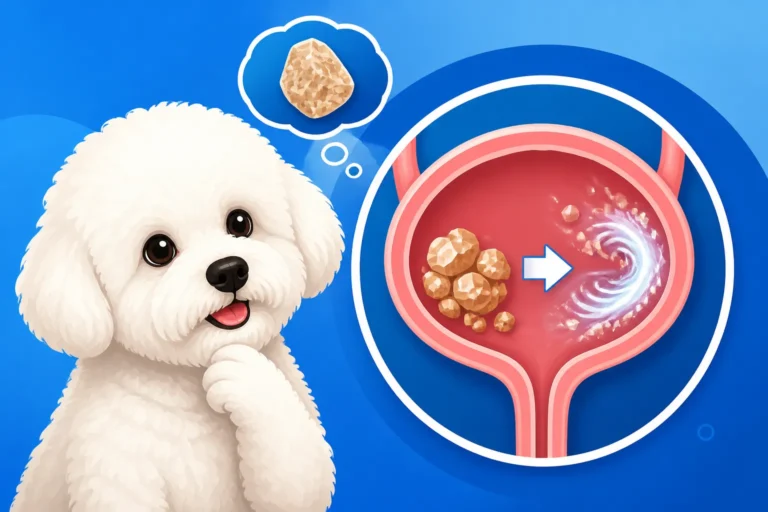
When we talk about bladder stones in Bichon Frises, more often than not, we're discussing calcium oxalate stones. Unlike some other types, these aren't formed from bacterial infections but rather from an imbalance in urine chemistry, leading to crystals that accumulate and harden. Imagine tiny, sharp pebbles forming within your dog's bladder, growing larger and rougher over time. These stones are particularly prevalent in Bichons, and unfortunately, once they've formed, they have a notoriously stubborn nature. They're like little geological formations – incredibly hard, dense, and resistant to dissolution. You can't just wish them away, and no special diet will magically melt them. For a deeper dive into their composition, you might find information on What a Calcium Oxalate Stone Is in a Bichon Frise particularly enlightening. This inherent hardness is the primary reason why we, as pet parents, are often faced with the difficult decision of surgery. It's not a choice made lightly, but it's a necessary one when these calcium oxalate culprits are present.
The Limitations of Non-Surgical Approaches
It's natural to hope for a less invasive solution when your dog is diagnosed with bladder stones. Many owners ask, "Can't we just change their diet or give them medication?" And for some types of stones, like struvite stones which are often linked to urinary tract infections, a special prescription diet can indeed work wonders, slowly dissolving the stones over weeks or months. However, this isn't the case for calcium oxalate stones. Despite advancements in veterinary medicine, there is currently no proven dietary or medicinal protocol that can consistently dissolve existing calcium oxalate stones in dogs.
This can be incredibly disheartening. You want to avoid surgery if possible, but the reality is that without surgical removal, those calcium oxalate stones will remain. While a management diet can help prevent new stones from forming or growing larger, it simply doesn't address the ones already causing problems. Trying to avoid surgery for calcium oxalate stones often means subjecting your Bichon to prolonged discomfort and risking more severe complications down the line. It's a common misconception that all stones are dissolvable, and it's a frustration many Bichon owners face when learning the specific nature of their dog's stones. To understand more about this particular challenge, our guide on Whether Oxalate Stones Dissolve in a Bichon Frise offers further details.
When Stones Become a Critical Threat
Leaving bladder stones, especially calcium oxalates, untreated is a gamble no loving pet owner wants to take. These little formations aren't just a minor inconvenience; they pose significant health risks that can rapidly turn life-threatening.
The Risk of Urethral Blockage
Perhaps the most terrifying complication of bladder stones is a urethral blockage. This is particularly a concern for male Bichon Frises because their urethra (the tube that carries urine out of the body) is narrower and longer than a female's, making them more susceptible to a stone getting lodged. Imagine a small stone, perhaps dislodged by movement or straining, becoming stuck in this narrow passage. It's like trying to push a pebble through a tiny straw – it simply gets jammed. When this happens, your dog cannot urinate at all, or can only pass a few drops with immense effort.
This isn't just uncomfortable; it's an emergency that can quickly become fatal. Without the ability to pass urine, toxins build up in the bloodstream, leading to kidney damage, bladder rupture, and ultimately, death within a matter of hours if not addressed promptly. Signs like straining to urinate, frequent attempts with no urine production, lethargy, or vomiting should send you straight to the emergency vet. Understanding Spotting a Blocked Bichon Frise in Time is crucial, as is recognizing Whether Male Bichon Frises Block More Often due to their anatomy. It's a stark reminder that these seemingly small stones can be incredibly dangerous.
Chronic Pain and Infection
Beyond the immediate threat of blockage, bladder stones are a constant source of chronic pain and inflammation for your Bichon. Think about having a persistent irritant rubbing against the delicate lining of your bladder – it's going to hurt! Dogs often show this discomfort through frequent urination, straining, or having accidents indoors, which can easily be mistaken for behavioral issues or incomplete housetraining. They might also lick their genital area excessively, a tell-tale sign of irritation.
The stones also create an ideal environment for bacteria to thrive. The rough surfaces and constant irritation can damage the bladder lining, making it easier for bacteria to adhere and cause recurrent urinary tract infections (UTIs). Many Bichon owners find themselves in a frustrating cycle of antibiotic treatments, only for the infection to return shortly after the medication stops. This is because the underlying cause – the stones – hasn't been removed. These chronic infections can cause blood in the urine, another alarming symptom, and can lead to more serious kidney infections if left unchecked. Our article on Whether Blood in a Bichon Frise's Urine Means Stones can help you understand these signs better. The cycle of pain, inflammation, and infection significantly diminishes your Bichon's quality of life, making surgical removal a compassionate choice to restore their comfort and health.
The Surgical Solution: Cystotomy
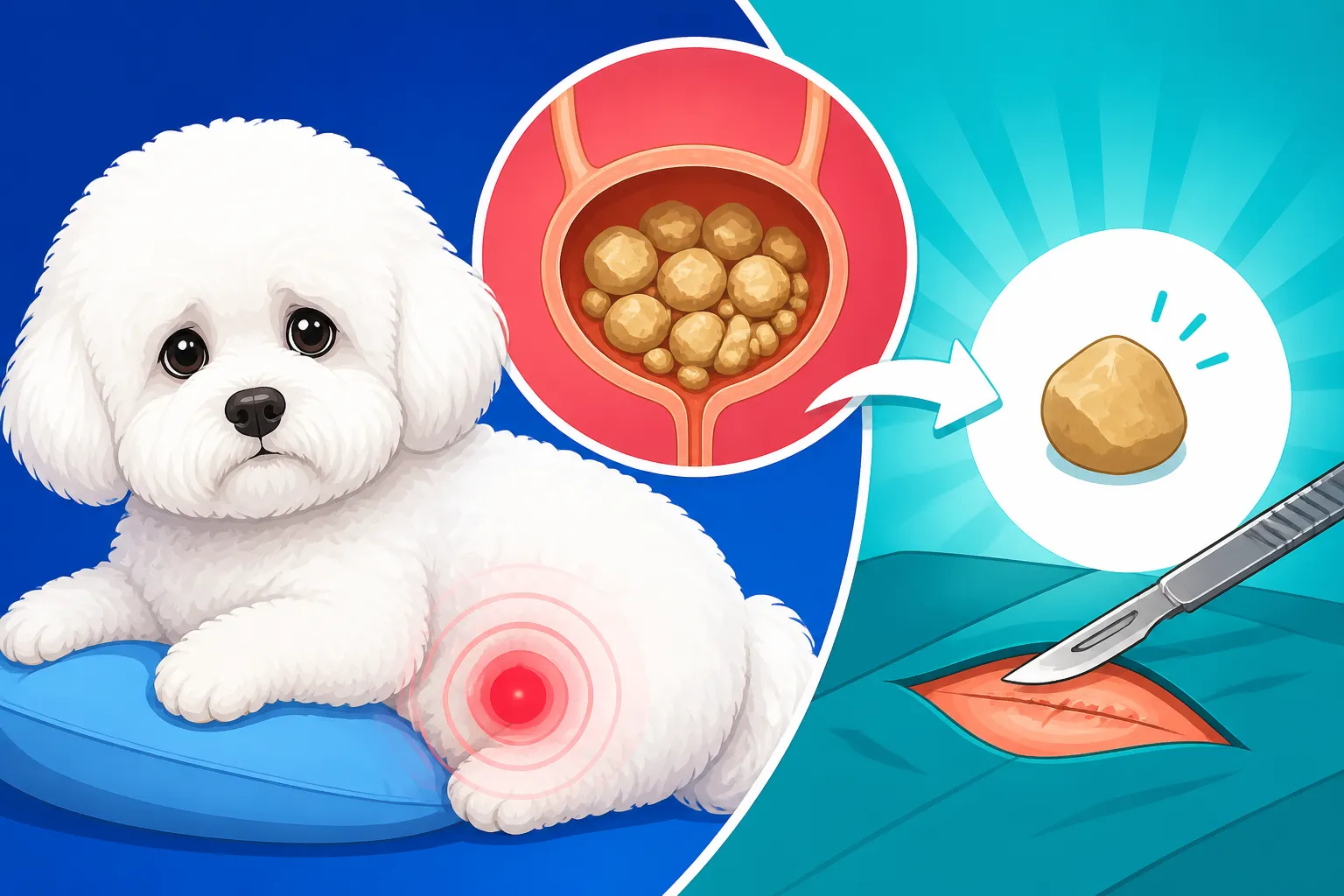
When it comes to calcium oxalate stones, surgery, specifically a procedure called a cystotomy, is often the most direct and effective way to remove them and restore your Bichon's health. It sounds daunting, but it's a common and generally safe procedure.
What Stone Surgery Involves
A cystotomy is a surgical procedure where an incision is made into the bladder to physically remove the stones. Before the surgery, your veterinarian will conduct a thorough physical exam, blood tests, and often X-rays or an ultrasound to confirm the presence, size, and location of the stones. This is how a vet confirms stones in a Bichon Frise and ensures they have a clear roadmap for the procedure. For example, your vet might use an ultrasound to check for any stones that might have moved into the urethra, providing a more complete picture than X-rays alone.
On the day of surgery, your Bichon will be placed under general anesthesia. The veterinary surgeon will make an incision in the abdomen to access the bladder, carefully open it, and remove all visible stones. They will also thoroughly flush the bladder to ensure no tiny stones or crystalline debris remain. After the stones are removed, the bladder is meticulously stitched closed, followed by the abdominal incision. The removed stones are typically sent to a specialized lab for analysis. This analysis is crucial because it identifies the exact composition of the stones (e.g., calcium oxalate, struvite, urate), which then dictates the long-term dietary and medical management plan to prevent recurrence. This detailed process ensures every effort is made to clear the bladder and set the stage for your Bichon's recovery.
Recovery and Post-Operative Care
After stone surgery, your Bichon Frise will need careful attention during the recovery period. Immediately after the procedure, they will likely stay at the veterinary clinic for pain management and monitoring, usually overnight, to ensure they're recovering well from the anesthesia and initial discomfort. Once home, your role as caregiver becomes paramount. You'll need to administer prescribed pain medications and possibly antibiotics to prevent infection. An Elizabethan collar (e-collar) will be necessary to prevent your Bichon from licking or chewing at their incision site, which could lead to infection or reopening of the wound.
Activity should be strictly limited for a few weeks, meaning no jumping, strenuous play, or long walks. Short, leashed potty breaks in the yard are generally all that's recommended. You'll need to monitor the incision daily for any signs of redness, swelling, discharge, or separation. Follow-up vet appointments are crucial for checking the incision and ensuring proper healing. While it might feel like a long road, many Bichons recover quickly from stone surgery, often showing significant improvement in comfort and urination within a week or two. It’s a dedicated period, but seeing your furry friend regain their comfort is incredibly rewarding. This is also where having pet insurance like Healthy Paws can be a real lifesaver, helping to cover the often significant costs associated with diagnostics, surgery, and post-operative medications.
| Aspect of Recovery | Typical Duration | Key Activities/Care | Potential Challenges |
|---|---|---|---|
| Hospital Stay | 1-2 days | Pain management, IV fluids, initial monitoring | Anxiety, discomfort |
| E-Collar Use | 10-14 days | Prevents licking incision, allows healing | Impaired vision, frustration for dog |
| Activity Restriction | 2-4 weeks | Leashed potty breaks only, no jumping | Boredom, difficulty enforcing quiet time |
| Medication | 1-3 weeks | Pain relievers, antibiotics, anti-inflammatories | Missed doses, side effects |
| Incision Monitoring | Daily for 2 weeks | Check for redness, swelling, discharge | Infection, dehiscence (opening of wound) |
| Follow-up Vet Visits | 2, 4 weeks post-op | Suture removal, recheck, stone analysis results | Travel stress, additional costs |
Preventing Recurrence After Removal
Removing existing stones is a huge relief, but it's not the end of the journey. For Bichon Frises prone to calcium oxalate stones, preventing their recurrence is a lifelong commitment. This proactive approach is essential to avoid repeating the stress and expense of future surgeries.
The Lifelong Commitment to Diet and Management
Once the stones are removed and analyzed, your veterinarian will formulate a specific plan to minimize the chances of new stones forming. For calcium oxalate stones, this almost always involves a prescription urinary diet. These diets, such as those from brands like Hill's Prescription Diet or Royal Canin Veterinary Diet, are specially formulated to alter the urine's pH, reduce the concentration of stone-forming minerals, and encourage increased water intake, which helps dilute the urine. It’s not just any dog food; it’s a medical intervention in kibble form.
This dietary change is not temporary; it's a lifelong commitment. Even a single "cheat" treat or a small amount of table food that isn't compatible with the diet can disrupt the delicate balance and potentially contribute to new stone formation. It's a real challenge, especially when your Bichon is used to variety, but consistency is key. Our guide on The Diet a Bichon Frise Stays On for Life dives much deeper into the specifics of these crucial dietary changes. You might also want to explore Whether Diet Alone Stops a Bichon Frise Reforming Stones to understand the nuances of this management strategy. Alongside diet, ensuring your Bichon drinks plenty of water is paramount, as diluted urine makes it harder for crystals to form. Strategies like adding water to food or using a pet water fountain can be helpful.
The Importance of Regular Monitoring
Even with a perfect diet, preventing recurrence isn't guaranteed. That's why regular veterinary monitoring is absolutely non-negotiable for a Bichon Frise prone to stones. This typically involves routine urine tests to check pH, specific gravity, and for the presence of crystals or infection. In some cases, your vet may recommend Whether a Bichon Frise Should Be Urine Tested Yearly as a preventative measure.
Beyond urine tests, periodic diagnostic imaging, such as X-rays or ultrasounds, is critical. These imaging studies allow your vet to literally see inside your Bichon's bladder and kidneys to detect any tiny new stones before they grow large enough to cause problems or blockages. These screenings might be recommended every 6 to 12 months, depending on your dog's history and risk factors. Catching tiny stones early can sometimes allow for less invasive intervention, or at least a quicker resolution, before they become a full-blown crisis requiring emergency surgery again. It's an ongoing vigilance, but it's the best way to safeguard your Bichon's urinary health and prevent the emotional and financial strain of repeated surgeries. Again, this ongoing care, including diagnostics and prescription foods, is where pet insurance from providers like Healthy Paws can significantly ease the financial burden, allowing you to prioritize your dog's health without constant worry about costs.
Disclaimer
This article is intended for informational purposes only and does not constitute professional veterinary advice. Always consult with a qualified veterinarian for any health concerns or before making any decisions about your pet's medical care.