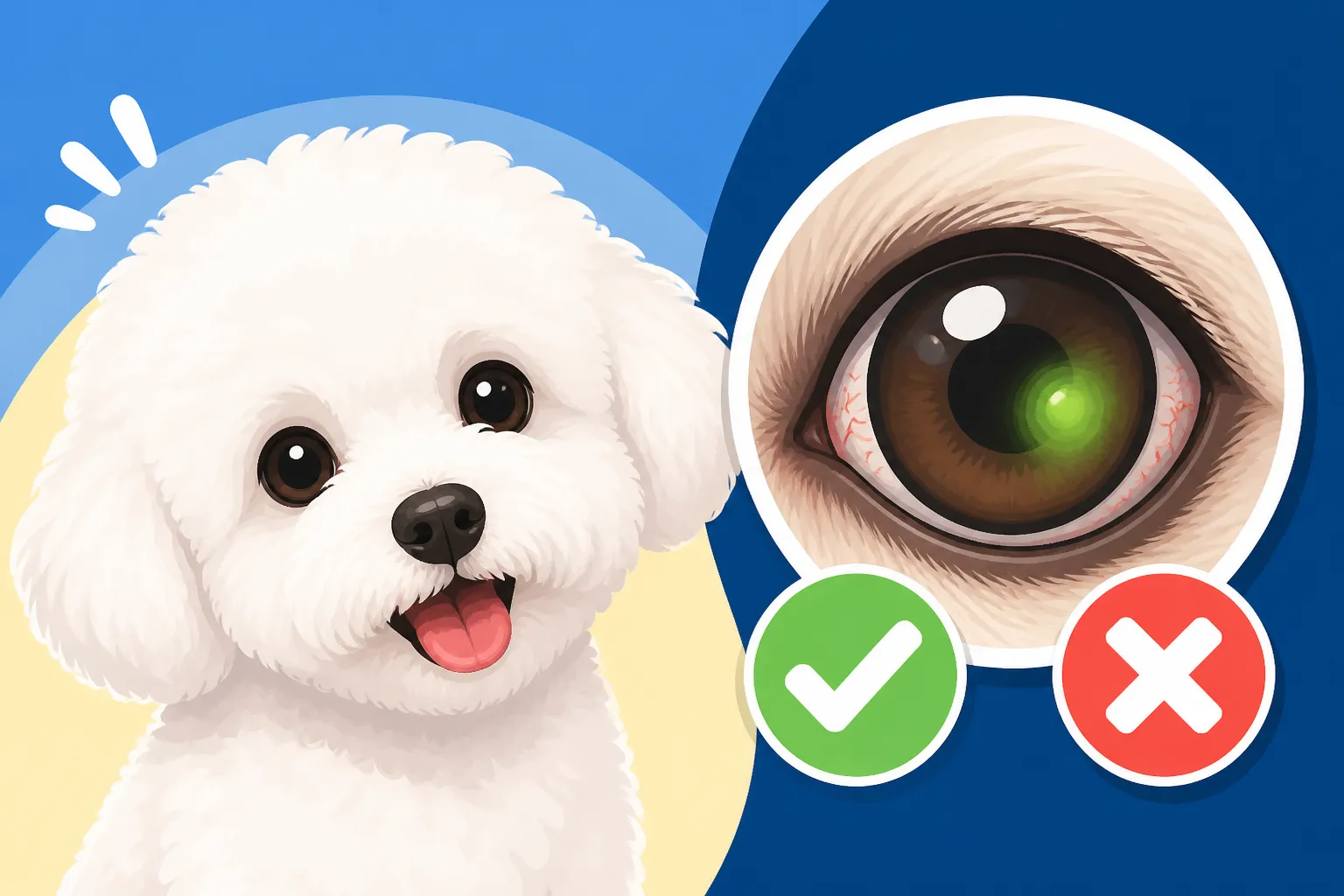
Whether a Bichon Frise Gets Corneal Ulcers
It’s incredibly distressing when your beloved Bichon Frise starts showing signs of eye discomfort – squinting, redness, or even pawing at their face. As a devoted Bichon parent, you know their bright, expressive eyes are a huge part of their charm, so any issue there can be truly alarming. While tear staining is a common cosmetic concern, a more serious and painful condition like a corneal ulcer can sneak up on these fluffy companions. This comprehensive guide will walk you through understanding what corneal ulcers are, how to spot them early, the treatment options available, and crucial steps to protect your Bichon's precious eyesight from such a painful ordeal.
Understanding Corneal Ulcers in Bichon Frises
When we talk about corneal ulcers, it’s important to first understand what the cornea actually is. Think of your Bichon's eye – that clear, glistening outermost layer that covers the iris (the colored part) and the pupil (the black center) is the cornea. It’s essentially the clear "window" to their eye, playing a vital role in vision by allowing light to enter and protecting the delicate inner structures. This transparent tissue is quite remarkable, but also very sensitive, and when it gets damaged, that’s where the trouble begins. A corneal ulcer is, simply put, an open sore on this transparent surface.
Why Bichons Might Be More Susceptible
Unfortunately, our adorable Bichons, with their sweet expressions and fluffy faces, can sometimes be more prone to eye issues, including corneal ulcers, than some other breeds. One contributing factor is their prominent, round eyes. While beautiful, these eyes can be a little more exposed to environmental hazards. Imagine your Bichon enthusiastically sniffing around a bush, or getting into a playful tussle with another dog – their eyes are right there, ready to encounter a stray twig, dust, or even a playful paw. This direct exposure makes them susceptible to minor traumas that can quickly escalate into an ulcer.
Another significant factor is their luxurious coat. While we adore the powder puff look, the hair around their eyes, if not meticulously groomed, can cause constant irritation. A rogue strand of hair rubbing against the cornea acts like sandpaper, creating tiny abrasions that can then develop into full-blown ulcers. This is a common frustration for many Bichon owners, trying to keep those cute little bangs out of their dog's eyes. Beyond physical irritation, some Bichons might have underlying conditions that compromise their eye health. For example, some may inherit genetic predispositions that make their eyes more vulnerable, as discussed in detail in our guide on The Eyes a Bichon Frise Inherits. Conditions like chronic dry eye (keratoconjunctivitis sicca, or KCS), which you can learn more about in Whether a Bichon Frise Gets Dry Eye, significantly reduce the protective tear film, leaving the cornea dry and susceptible to damage. Even minor trauma can lead to a severe ulcer if the eye isn't properly lubricated.
Different Types and Severity of Ulcers
Not all corneal ulcers are created equal, and understanding the differences can help you grasp the seriousness of the situation your vet might explain.
- Superficial Ulcers (Epithelial Defects): These are the most common and usually the least severe. They involve only the outermost layer of the cornea, called the epithelium. Often, they heal quite quickly with appropriate medical treatment, sometimes within a few days to a week. They are still painful, but the prognosis is generally excellent if caught early.
- Stromal Ulcers (Deep Ulcers): These are far more serious as they extend into the middle layer of the cornea, the stroma. This layer makes up the bulk of the corneal thickness. Deep ulcers carry a much higher risk of complications, including infection, perforation (a hole in the eye), and permanent scarring, which can impact vision. They require more aggressive treatment and often a longer healing time.
- Descemetocele: This is a critical, life-threatening situation for the eye. A descemetocele occurs when the ulcer has progressed through almost the entire cornea, leaving only the innermost layer, Descemet's membrane, intact. This membrane is incredibly thin and fragile, and perforation is imminent. If your vet diagnoses this, it's an immediate emergency, usually requiring urgent surgical intervention to save the eye.
- Melting Ulcers (Collagenase Ulcers): These are a particularly aggressive and dangerous type of ulcer that can be superficial or deep. They're characterized by rapid deterioration of the corneal tissue, often appearing soft, gelatinous, or "melting" due to an overactive enzyme process (collagenase) that literally digests the cornea. These can progress incredibly quickly, sometimes within hours, and demand immediate, intensive veterinary care to prevent rupture. They often occur secondary to bacterial infections.
Understanding these distinctions helps underscore why prompt veterinary attention is so crucial when you suspect any eye problem in your Bichon. The difference between a minor scratch and a sight-threatening condition can literally be a matter of hours.
Spotting the Tell-Tale Signs of a Corneal Ulcer
As a Bichon owner, you’re usually hyper-aware of your furry friend’s well-being. Their eyes are so expressive, and any change can be noticeable. However, sometimes the early signs of a corneal ulcer can be subtle, easily mistaken for something less serious like a bit of irritation. Knowing what to look for can make all the difference in getting timely treatment and preventing a minor issue from becoming a major crisis.
Common Physical Symptoms to Watch For
The most immediate and obvious sign of a corneal ulcer is often pain. Imagine getting something in your own eye – it hurts, right? Your Bichon feels the same, if not worse.
- Squinting or Holding the Eye Shut (Blepharospasm): This is usually the first and most prominent symptom. Your Bichon will try to protect their painful eye by keeping it partially or completely closed. It might look like they're just sleepy, but if it's persistent in one eye, it's a red flag.
- Excessive Tearing (Epiphora): The eye might water constantly, often more than their usual tear staining. This is the eye's natural response to irritation, trying to flush out whatever is causing discomfort. You might notice the fur beneath the affected eye becoming much wetter and possibly darker than usual.
- Redness of the Eye (Conjunctivitis): The white part of the eye (sclera) and the eyelids may appear noticeably red and inflamed. This indicates irritation and inflammation.
- Cloudiness or Bluish Haze on the Cornea: A healthy cornea is perfectly clear. If you observe any dullness, cloudiness, or a bluish-white haze on the surface of their eye, that's a strong indicator of corneal damage. This cloudiness is often due to fluid accumulation (edema) in the cornea as it responds to injury.
- Pawing or Rubbing at the Eye/Face: Your Bichon might try to alleviate the discomfort by pawing at their face or rubbing it against furniture or the floor. While this might seem like a natural response, it can unfortunately worsen the ulcer or introduce secondary infections, so it's important to discourage it gently.
- Discharge: While excessive tearing is common, you might also see other types of discharge, ranging from clear and watery to thicker, yellowish-green pus if a bacterial infection has set in. This thicker discharge is a worrying sign and needs immediate attention.
Behavioral Changes You Might Notice
Beyond the direct physical signs, an uncomfortable Bichon might also show changes in their usual demeanor.
- Lethargy or Reduced Activity: If your normally playful Bichon is suddenly quiet, sleeping more, or unwilling to engage in their usual games, pain from an eye ulcer could be the culprit. They might be trying to conserve energy and avoid anything that could exacerbate their discomfort.
- Sensitivity to Light (Photophobia): Just like us, dogs with eye pain often prefer dimmer environments. You might notice your Bichon trying to avoid bright lights, perhaps seeking out shady spots or turning their head away from direct sunlight.
- Loss of Appetite: Pain and discomfort can sometimes lead to a temporary loss of appetite. If your Bichon is turning up their nose at their favorite treats or meals, it's worth checking for other signs of illness, including eye problems.
When to Seek Emergency Vet Care
Honestly, any sudden, noticeable change in your Bichon's eye – persistent squinting, severe redness, cloudiness, or discharge – warrants a prompt visit to your veterinarian. Eye issues can progress very quickly, and what seems like a minor irritation could be the beginning of a serious ulcer. If you notice any signs of a deep ulcer or a "melting" appearance, or if your Bichon is in obvious severe pain, treating it as an emergency and getting to your vet or an emergency clinic right away is crucial. Time is often of the essence in saving your Bichon's eyesight. Never try to self-diagnose or treat an eye problem with over-the-counter human eye drops, as many can be harmful to dogs.
Diagnosing and Treating Your Bichon's Corneal Ulcer
When you bring your Bichon to the vet with a suspected eye issue, rest assured they have a clear process to figure out what's going on and get your beloved pet on the road to recovery. It’s a bit like detective work, but with specialized tools!
The Vet Examination and Diagnostic Tests
Your veterinarian will start with a thorough general physical exam, but their focus will quickly turn to the affected eye. They'll observe your Bichon’s behavior, how they hold their head, and the appearance of the eye itself.
- Ophthalmic Examination: Using a special light source and magnification, your vet will carefully examine the cornea, conjunctiva (the pink lining of the eyelids), and other structures of the eye. They’ll be looking for foreign bodies, swelling, and signs of inflammation.
- Fluorescein Stain Test: This is the most definitive test for diagnosing a corneal ulcer. A special orange dye, called fluorescein, is applied to the eye. The dye adheres to any areas where the protective outer layer of the cornea (the epithelium) is disrupted, staining the ulcer a bright green. The healthy, intact cornea will not retain the stain. This test quickly shows the presence, size, and depth of an ulcer.
- Schirmer Tear Test: If dry eye is suspected as an underlying cause, a Schirmer Tear Test might be performed. A small strip of special paper is placed inside the lower eyelid for one minute to measure tear production. If tear production is low, it confirms KCS, which then needs to be managed alongside the ulcer treatment. This is vital because if Whether a Bichon Frise Gets Dry Eye is the root cause, ignoring it means ulcers will likely keep recurring.
- Corneal Cytology and Culture: For deep or melting ulcers, or those that aren't responding to initial treatment, your vet might take a sterile sample from the ulcer. This sample can be examined under a microscope (cytology) to look for bacteria or fungi, or sent to a lab for culture and sensitivity testing. This helps identify the specific bug causing infection and determines which antibiotics will be most effective.
- Tonometry: This measures the intraocular pressure (pressure inside the eye) to check for glaucoma, another condition that can cause eye pain and is sometimes confused with ulcers or can complicate treatment.
Medical Management for Ulcers
For most superficial ulcers, medical management with eye drops and oral medications is often highly effective.
- Antibiotic Eye Drops or Ointments: These are critical, even if an infection isn't immediately apparent, to prevent secondary bacterial infections from developing in the damaged cornea. Your vet will prescribe a specific antibiotic based on the likely bacteria or culture results. You'll need to administer these frequently, often multiple times a day, which can be a bit of a challenge with a wiggly Bichon!
- Pain Medication: Corneal ulcers are incredibly painful. Your vet will likely prescribe oral pain relief (NSAIDs) to keep your Bichon comfortable, which also helps them recover faster by reducing stress. Topical atropine drops might also be used to dilate the pupil, which helps relieve pain caused by muscle spasms in the eye, although it can temporarily make your Bichon more light-sensitive.
- Serum or Plasma Drops: For more severe or melting ulcers, your vet might use drops made from your dog’s own blood (autologous serum) or donor plasma. These contain natural proteins that inhibit the "melting" enzymes, helping the cornea to heal and preventing further damage.
- E-Collar ( Elizabethan Collar): This is non-negotiable! No matter how much your Bichon hates it, an E-collar (cone of shame) is essential to prevent them from rubbing, scratching, or pawing at their eye, which could worsen the ulcer or dislodge their contact lens if one is placed. It's tough love, but absolutely necessary.
Surgical Interventions for Severe Cases
Sometimes, medical management isn’t enough, especially for deep, non-healing, or melting ulcers. In these cases, surgery becomes necessary to save your Bichon's vision or even the eye itself.
- Grid Keratotomy / Superficial Keratectomy: For a specific type of superficial ulcer that fails to heal (called an indolent ulcer or Boxer ulcer, common in some breeds but can affect Bichons), your vet might perform a minor procedure called a grid keratotomy or superficial keratectomy. This involves gently scoring the surface of the cornea or removing the unhealthy epithelial layer to encourage healthy new cells to attach and heal. This is usually done under sedation or light anesthesia.
- Conjunctival Flap Surgery: For deep ulcers, a more involved surgery called a conjunctival flap is often performed. During this procedure, a small flap of conjunctiva (the vascular tissue lining the inside of the eyelids) is carefully sutured over the ulcerated area. The conjunctiva brings a rich blood supply and healing cells to the damaged cornea, which accelerates healing and provides structural support. Once the ulcer is healed, the flap can usually be carefully trimmed or allowed to retract naturally.
- Corneal Grafting: In very severe cases where the cornea is extremely thin or ruptured, a corneal graft might be required, using corneal tissue from a donor.
- Enucleation (Eye Removal): In the most extreme and irreversible cases, such as a severely infected eye that has ruptured and cannot be saved, or if the eye is in constant, unmanageable pain, surgical removal of the eye (enucleation) might be the most humane option. While heartbreaking, a Bichon can live a perfectly happy and full life with one eye.
The costs associated with these treatments can vary significantly depending on the severity of the ulcer and whether surgery is required. It's wise to have pet insurance like Healthy Paws, which can often cover a significant portion of these unexpected veterinary expenses. Knowing that your pet is covered can provide immense peace of mind during a stressful time, allowing you to focus on your Bichon’s recovery rather than the financial strain. For more on managing potential costs, you might want to read What a Bichon Frise's Lifetime Grooming and Vet Bill Compares To.
Proactive Care and Prevention Strategies
While we can't completely prevent every accident or genetic predisposition, there's a lot you can do as a dedicated Bichon Frise owner to minimize the risk of corneal ulcers and promote overall eye health. Prevention truly is key when it comes to these delicate little eyes.
Regular Grooming and Eye Hygiene
The Bichon's signature fluffy coat, while adorable, is a double-edged sword when it comes to eye health. Hair constantly rubbing against the cornea is a recipe for irritation and ulcers.
- Keep Hair Trimmed Away from Eyes: This is paramount. Regular grooming, whether at home or by a professional groomer, must include keeping the hair around your Bichon's eyes meticulously short. Don't just trim the very tips; ensure there’s a clear space around the eyes. If you groom at home, use blunt-nosed scissors specifically designed for pet grooming to prevent accidental pokes. Learning Whether a Bichon Frise Tolerates Daily Eye Wiping can help you manage this process.
- Daily Eye Wiping: Even with proper trimming, Bichons are prone to tear staining. Wiping around their eyes daily with a soft, damp cloth or a veterinarian-approved eye wipe helps remove tear residue, which can irritate the skin and potentially lead to secondary infections. It also helps prevent crusting that can pull on delicate eye hairs.
- Addressing Tear Stains Proactively: While cosmetic, severe tear staining can indicate issues that affect eye health. Our guide on Whether a Bichon Frise's Tear Ducts Block explores this further, but sometimes addressing the root cause of excessive tearing (like diet, water quality, or even mild infections) can improve overall eye hygiene.
Environmental Hazard Management
Your Bichon's playful nature means they might get into situations that put their eyes at risk. Being mindful of their surroundings can help.
- Supervise Outdoor Play: Keep an eye on your Bichon when they're playing in areas with tall grasses, thorny bushes, or dusty conditions. Even a tiny piece of debris can cause a scratch.
- Car Safety: If your Bichon loves riding with their head out the car window (which many do!), this can be incredibly dangerous for their eyes. Wind, dust, insects, and debris can cause severe corneal damage. It's much safer to use a car seat or harness that keeps them secure inside the vehicle. If they must have their head out, consider protective dog goggles (yes, they exist!).
- Avoid Irritating Substances: Be careful with household cleaning products, aerosols, and even strong perfumes around your Bichon. These can cause chemical irritation to their eyes. Similarly, ensure any shampoos used during bathing are tearless and thoroughly rinsed from around their eyes.
- Prevent Trauma During Play: Rough play with other dogs or even enthusiastic toy sessions can sometimes result in accidental eye pokes. While you don't want to stop all fun, be aware of situations where an eye injury could occur.
Routine Veterinary Care and Monitoring
Consistent veterinary attention is indispensable for catching potential issues before they become serious.
- Regular Check-ups: Ensure your Bichon has regular veterinary check-ups, ideally annually, where their eyes are part of the routine examination. Early detection of issues like dry eye or even subtle changes in the cornea can be life-saving for their vision. For more information, check out Whether a Bichon Frise Needs a Yearly Eye Exam.
- Discuss Any Concerns Promptly: Never hesitate to call your vet if you notice any change in your Bichon’s eyes, no matter how minor it seems. It's always better to be safe than sorry when it comes to eyesight.
- Manage Underlying Conditions: If your Bichon has conditions like allergies or dry eye, meticulous management of these conditions is crucial. Uncontrolled allergies can lead to chronic eye rubbing and inflammation, increasing ulcer risk. As mentioned, dry eye itself is a significant risk factor, and consistent medication is vital.
By being proactive with grooming, mindful of environmental risks, and diligent with veterinary care, you can greatly reduce the likelihood of your beloved Bichon Frise experiencing the pain and potential complications of a corneal ulcer. Their bright, happy eyes depend on your vigilance!
Here's a quick reference table outlining typical signs and what they might indicate:
| Symptom | Possible Indication | Urgency Level |
|---|---|---|
| Squinting / Holding Eye Shut | Pain, irritation | High |
| Excessive Tearing | Irritation, attempt to flush eye | High |
| Redness (Conjunctivitis) | Inflammation, infection | High |
| Cloudiness / Bluish Haze | Corneal damage (ulcer, edema) | Emergency |
| Pawing / Rubbing Eye | Pain, severe irritation | High (can worsen) |
| Thick Yellow/Green Discharge | Bacterial infection | Emergency |
| Lethargy / Appetite Loss | Significant pain, systemic illness | High |
| Light Sensitivity | Ocular pain, pupillary spasm | High |
| Visible injury/foreign object | Trauma, deep ulcer, imminent perforation | Emergency |
Disclaimer
This article is for general informational purposes only and does not constitute professional advice. Laws, prices and regulations vary by location and change over time. Consult a qualified professional for guidance on your specific situation.