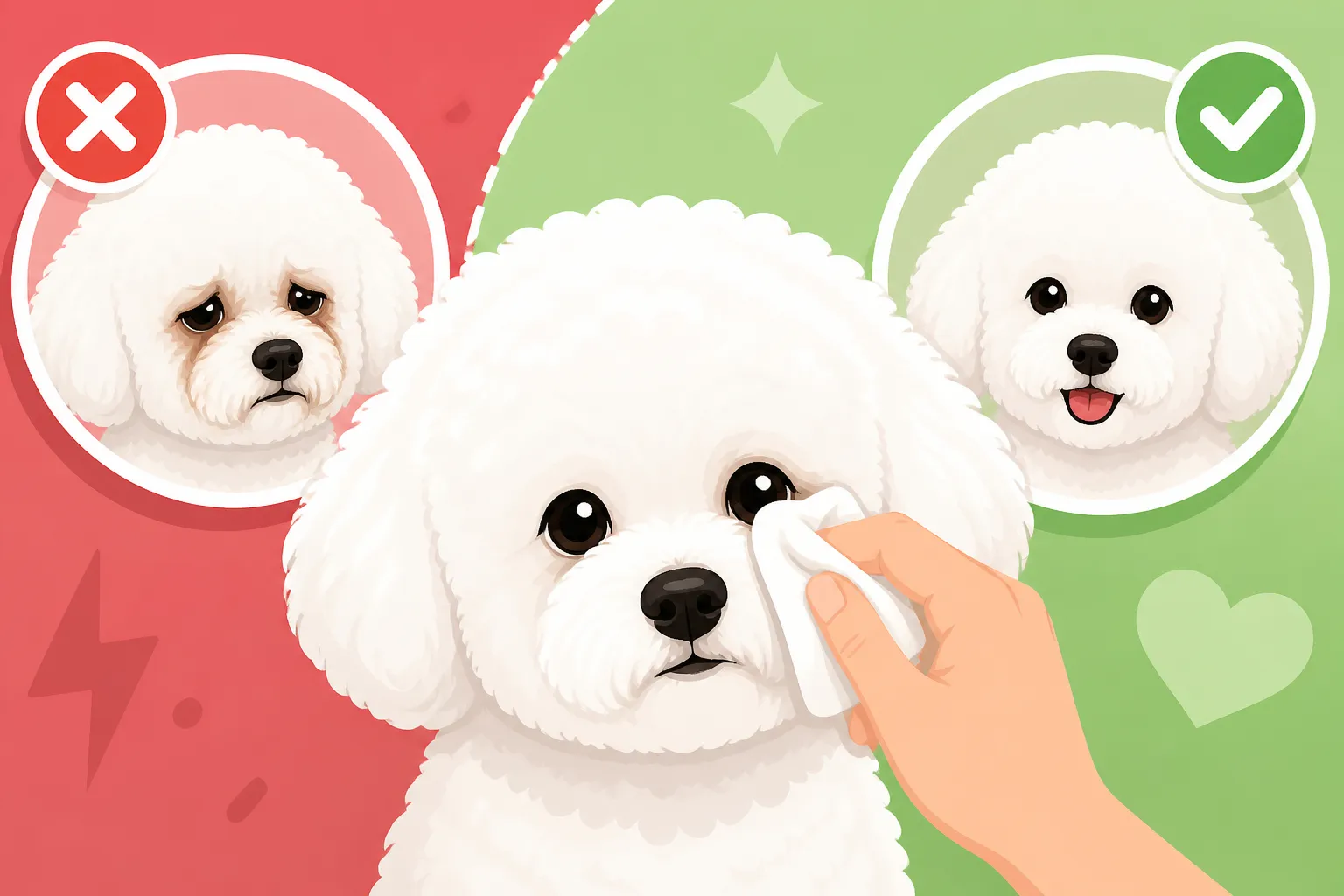
Whether a Bichon Frise Tolerates Daily Eye Wiping
One of the most common challenges Bichon Frise owners face is the persistent problem of tear stains, which often leads to daily eye wiping. It can feel like a never-ending battle, and many owners worry if their fluffy companion will ever truly tolerate this essential grooming step without a fuss. This comprehensive guide will explore why daily eye care is crucial for Bichons, how to gently introduce and maintain this routine, and what to do when your furry friend puts up a fight.
Why Daily Eye Wiping Is Non-Negotiable for Bichon Frises
Let's be honest, those beautiful white coats are a double-edged sword when it comes to eye care. The pristine white fur around their eyes acts like a beacon for every little bit of moisture and pigment, making tear stains notoriously visible. It’s not just about aesthetics, though that's certainly a big part of why we strive to keep them clean. There's a genuine health component to consistent eye hygiene that every Bichon owner needs to understand and prioritize.
The Stubborn Reality of Tear Stains
Bichon Frises, with their bright, expressive eyes, are particularly prone to tear staining. These reddish-brown marks, often seen cascading down from the inner corner of their eyes, are primarily caused by porphyrins. These are iron-containing waste products from the breakdown of red blood cells, excreted through tears. When exposed to light, porphyrins oxidize and turn that tell-tale rust color we all know and… well, don't exactly love. It's a natural process, but certain factors can exacerbate it, leading to more staining.
Beyond porphyrins, excessive tearing itself, known as epiphora, plays a huge role. Small breed dogs like Bichons can have slightly shallower eye sockets, or their eyelids might not quite sit perfectly, leading to tears spilling over rather than draining efficiently through the tear ducts. This constant dampness creates the perfect breeding ground for yeast and bacteria, which can contribute to the staining and sometimes even a slight odor. This combination of factors means that even with the best intentions, those stains can be incredibly stubborn, requiring a consistent, proactive approach. For more on this, you might find our article on The Tear Stains Under a Bichon Frise's Eyes helpful.
Beyond Aesthetics: Health Implications
While we all want our Bichons to look pristine, the motivation for daily eye wiping extends far beyond winning beauty contests. The constant moisture and buildup of tears, porphyrins, and potentially yeast or bacteria can lead to uncomfortable skin irritation and even infections. Think about how your own skin feels if it's constantly damp; now imagine that happening in a delicate area like around a dog's eyes. The skin can become inflamed, itchy, and sometimes even raw.
If left untreated, this persistent dampness can lead to secondary skin infections, characterized by redness, swelling, and a sour smell. In some cases, a blocked tear duct might be contributing to the excessive tearing. While eye wiping won't fix a blockage, it helps manage the overflow and prevents complications while you address the root cause with your vet. A clean, dry area around the eyes is less hospitable to these opportunistic invaders, making daily wiping a preventative health measure as much as a grooming chore. Keeping up with this routine is vital, as discussed in Whether Wiping Daily Keeps a Bichon Frise Clean.
Teaching Your Bichon Frise to Accept Eye Wiping
It's natural for a dog to be wary of things coming close to their eyes, especially if it's a new or uncomfortable sensation. The key to successful, stress-free eye wiping is to approach it with patience, positive reinforcement, and a clear understanding of your dog's temperament. Remember, we're building trust and a routine, not forcing compliance.
Starting Early and Making It Positive
The absolute best time to introduce eye wiping is when your Bichon is a puppy. Their minds are sponges, and they're generally more open to new experiences, especially if those experiences are paired with delicious treats and gentle praise. Start by simply touching their face around the eyes for a second, then immediately offer a high-value treat and verbal praise. Repeat this many times a day, keeping sessions incredibly short – just a few seconds each. The goal is to create a positive association: face touch equals yummy reward. This early socialization and desensitization are crucial for so many aspects of a puppy's life, echoing the advice often given in resources like the BAXTER & Bella online puppy school.
As they become comfortable with light touches, gradually progress to briefly holding an eye wipe near their face, then touching the fur around their eye, and eventually, gently wiping for a fleeting moment. Always reward immediately after the desired action. If they pull away, don't scold them. Simply withdraw your hand and try again when they are calm, perhaps going back to an easier step. The phrase "less is more" applies here; short, frequent, positive interactions will build a solid foundation much faster than long, frustrating battles. This foundational work is part of their The First Year With a Bichon Frise Puppy.
Gradual Desensitization and Counter-Conditioning
For adult Bichons who might already be wary or outright resistant to eye wiping, the process will require even more patience and a systematic approach known as desensitization and counter-conditioning. Desensitization means gradually exposing them to the trigger (eye wiping) at a level where they don't react negatively. Counter-conditioning means changing their emotional response from fear or anxiety to a positive one. This means pairing the "scary" thing with something they absolutely love, like their favorite treat or a special toy.
Break down the act of eye wiping into tiny, manageable steps. Maybe step one is just showing them the wipe, rewarding, and putting it away. Step two, touch the wipe to their cheek, reward. Step three, touch the wipe to the fur just below their eye, reward. Only move to the next step when your dog is completely comfortable with the current one, showing no signs of stress or fear. Keep your voice calm and reassuring. If they tense up or try to get away, you've gone too far, too fast. Go back to an easier step and proceed more slowly. Consistency is paramount, making it a regular part of What a Bichon Frise Needs Every Day.
Tools and Techniques for Stress-Free Eye Care
Having the right tools and knowing how to use them gently can make a world of difference in your Bichon's acceptance of daily eye wiping. There's a plethora of products out there, and finding what works best for your dog's specific needs and sensitivities is often a process of trial and error.
Choosing the Right Wipes and Cleaners
When it comes to eye wipes and cleansers, quality and ingredients matter. Look for products specifically formulated for dogs, ideally tearless and free from harsh chemicals, parabens, or fragrances that could irritate sensitive eyes. Many brands offer pre-moistened pads, which are convenient and hygienic. Others prefer liquid cleansers that can be applied to a cotton ball or soft cloth. You can find a wide variety of these specialized wipes on platforms like Amazon, making it easy to compare options and read reviews from other pet owners.
Consider the texture of the wipe as well. Some dogs might prefer a softer, lint-free cloth over a rougher pad. For tackling really stubborn stains, sometimes a dedicated tear stain remover liquid, often applied with a separate pad, might be needed in conjunction with daily maintenance wipes. Always read the instructions carefully and, if in doubt, consult your veterinarian for recommendations on safe and effective products for your Bichon. Remember that certain ingredients are crucial for addressing the issues, as some products claim to remove stains but may not be ideal for the long term.
Here's a quick comparison of popular eye-cleaning tools:
| Tool Type | Pros | Cons | Best For |
|---|---|---|---|
| Pre-moistened Wipes | Convenient, pre-dosed, disposable | Can dry out, may contain harsh ingredients | Daily maintenance, on-the-go cleaning |
| Liquid Cleansers | Customizable application, often gentle formulas | Requires separate pads/cloths, can be messy | Stubborn stains, sensitive eyes |
| Fine-toothed Combs | Excellent for removing crusts/debris | Not for liquid stains, can pull hair | Removing dried eye discharge |
| Soft Cotton Balls/Pads | Very gentle, readily available | Can leave lint, absorbs a lot of liquid | Applying liquid cleansers, very sensitive eyes |
Mastering the Gentle Approach
Even with the best products, your technique is paramount. The area around a Bichon's eyes is incredibly delicate. Always approach your dog calmly, speaking in a soothing voice. Avoid making sudden movements or grabbing their face forcefully. Instead, gently cup their chin or place a hand under their jaw to steady their head without feeling restrictive. Use your thumb to gently pull down the lower eyelid, exposing the inner corner.
With your chosen wipe or cotton ball, gently swipe away any discharge or moisture, moving from the inner corner outwards. Avoid rubbing directly on the eyeball. For dried crusts, hold a damp, warm (not hot!) cloth over the area for a few seconds to soften it before gently wiping away. Never try to yank off dried crusts, as this can pull hair or irritate the skin. Finish with praise and a reward. If your Bichon continues to resist, consider shorter, more frequent sessions, or even breaking it down further by only wiping one eye at a time until they build confidence. Consistency in this gentle approach is what truly makes a difference.
Common Challenges and Troubleshooting
Despite our best efforts, sometimes Bichons can still be resistant to eye wiping. It’s important to understand why they might be reacting negatively and how to troubleshoot those challenges effectively. Sometimes, it’s not just a matter of training; there might be an underlying issue at play.
Dealing with Resistance and Fear
If your Bichon actively resists, ducks their head, or even growls when you try to wipe their eyes, it's a clear sign of discomfort or fear. First, rule out pain. Could there be an irritation, an ingrown hair, or even a scratch on the cornea that makes the area genuinely sensitive? A quick vet check can rule out these medical issues. Assuming it's a behavioral resistance, you need to go back to basics with positive reinforcement and desensitization, as discussed earlier. Don't rush. Every negative experience sets you back, so aim for success in tiny steps.
Consider the environment. Is it noisy or distracting? Try to perform eye wiping in a quiet, calm space. Ensure you're not using anything that smells strongly or feels scratchy. Some dogs are more comfortable if they are on a non-slip surface or even on your lap, feeling secure. You might try pairing eye wiping with a distraction, like offering a lick mat smeared with peanut butter (xylitol-free!) while you gently perform the task. Over time, with consistent, positive handling, their tolerance will likely improve significantly. For other grooming tolerances, Teaching a Bichon Frise to Hold Still on a Table offers relevant insights.
When to Seek Professional Help
There are times when you've done everything right, but the eye staining or the resistance to wiping persists. This is when a professional opinion becomes invaluable. If the tearing is excessive, persistent, or changes color (e.g., green or yellow discharge), or if the eyes themselves appear red, swollen, or cloudy, it’s time for a vet visit. These can be signs of infections, allergies, Whether a Bichon Frise's Tear Ducts Block, or even more serious eye conditions. Whether Yeast Causes a Bichon Frise's Brown Stains is also a common concern that a vet can diagnose.
Your veterinarian can examine your Bichon's eyes thoroughly, check for underlying medical conditions, and provide specific treatment or recommendations. They might suggest a different type of cleanser, a medicated eye drop, or even dietary changes if certain food sensitivities are contributing to the issue, as explored in Whether Diet Changes a Bichon Frise's Tear Stains. Sometimes, a professional groomer who is experienced with sensitive dogs can also offer tips on handling and products. Don't hesitate to reach out for help; your Bichon's comfort and eye health are paramount.
Disclaimer
This article is for general informational purposes only and does not constitute professional advice. Laws, prices and regulations vary by location and change over time. Consult a qualified professional for guidance on your specific situation.