Grading a Bichon Frise’s Luxating Patella
It's incredibly disheartening when you notice your sweet Bichon Frise suddenly skip a step, hold up a back leg, or even limp. That little hitch in their gait can send a wave of worry through any devoted pet parent, making you wonder what on earth could be wrong with their precious joints. This guide is here to shed light on one of the most common orthopedic issues for our fluffy companions: luxating patellas. We'll walk you through understanding the different grades of this condition, what each one means for your Bichon, and what steps you can take with your vet to ensure their comfort and mobility.
Understanding Luxating Patella in Bichon Frises
Luxating patella, often affectionately (or perhaps not so affectionately, depending on your vet bills!) called a "slipped kneecap," is a surprisingly common issue, particularly in small breeds like our beloved Bichon Frises. It’s one of those things you might not even know about until your own pup starts showing symptoms, and then suddenly, you're deep-diving into canine anatomy.
What Exactly is a Luxating Patella?
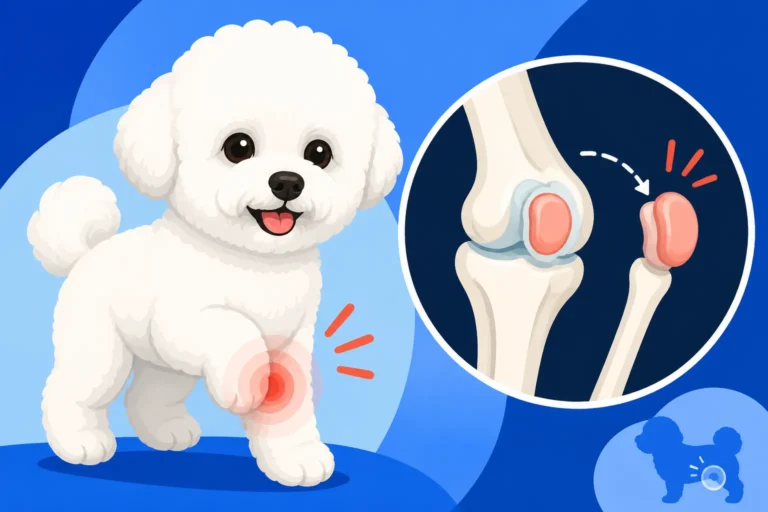
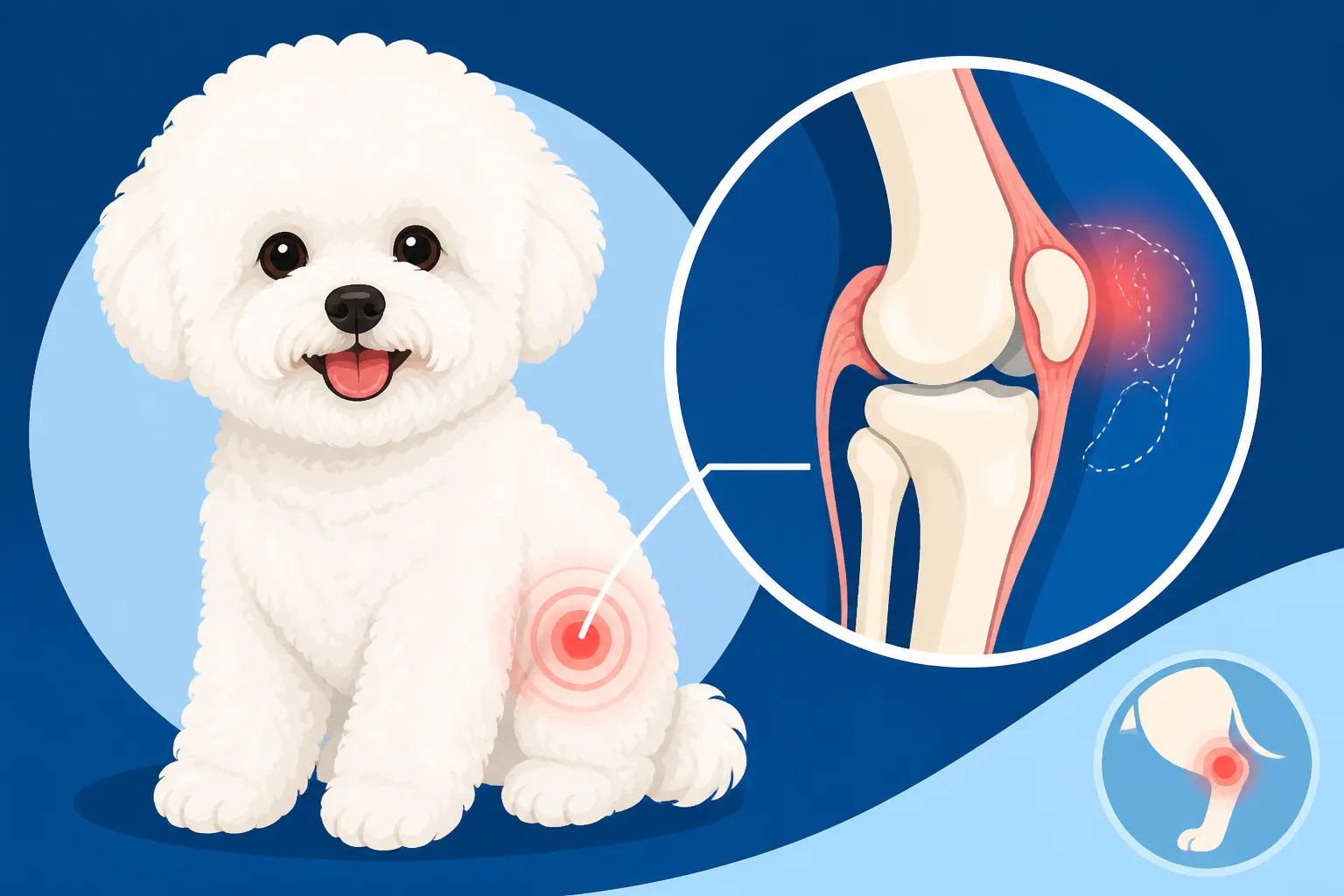
Let's break down the fancy terminology. The "patella" is simply your dog's kneecap, just like yours. It's a small, triangular bone that sits in a groove on the end of the femur (thigh bone), called the "trochlear groove." The patella is part of the quadriceps mechanism, which helps extend the knee. When everything is working correctly, the patella glides smoothly up and down this groove as your dog walks, runs, and plays, acting like a pulley to give the leg power and stability.
"Luxating" means that the patella slips out of its normal position in that trochlear groove. It can slip either to the inside (medially) or, less commonly, to the outside (laterally). For Bichon Frises, medial patellar luxation (MPL) is by far the most frequent culprit. When that kneecap pops out, it can cause immediate discomfort, pain, and loss of function in the affected leg. You might see your dog suddenly yelp, pick up a back leg for a few steps, and then put it down again as if nothing happened – that's often the kneecap slipping out and then back into place. It’s a classic sign, and it’s always a good idea to have your vet check it out if you observe your Bichon experiencing The Skip That Means a Bichon Frise's Knee Has Gone.
Why Bichons are Prone to This Condition
It’s not just bad luck that many Bichon Frises end up with luxating patellas. There's a strong genetic component at play here. This condition is considered largely inherited, meaning it's passed down from parent to puppy. Breeders who are dedicated to the health of their lines will screen for this, but even with careful breeding, it can still appear.
The underlying issue often stems from subtle anatomical deformities that are common in smaller breeds. These can include:
- Shallow Trochlear Groove: The groove where the kneecap sits might not be deep enough, making it easier for the patella to pop out. Imagine a train track that isn't quite deep enough to hold the wheels – the train is going to derail easily.
- Misaligned Muscles and Tendons: The muscles and tendons that attach to and around the kneecap might not be perfectly aligned, creating an uneven pull that forces the patella out of the groove.
- Deformed Femur or Tibia: Sometimes, the thigh bone (femur) or the shin bone (tibia) can be slightly curved or twisted, which also puts abnormal stress on the kneecap and predisposes it to luxation.
Because of these inherent predispositions, it’s not uncommon for Bichons to show signs of luxating patella early in life, sometimes even as puppies. Understanding The Age a Bichon Frise's Kneecap First Slips can help owners be proactive in recognizing and addressing the issue. While not every Bichon will develop this condition, their breed's genetic blueprint does place them higher on the risk list compared to many other dogs.
The Four Grades of Patellar Luxation
Veterinarians use a standardized grading system to classify the severity of patellar luxation. This system helps them determine the best course of action, from watchful waiting to surgical intervention. The grades range from 1 (the mildest) to 4 (the most severe), and they provide a clear picture of how much the kneecap is slipping and what kind of impact it's having on your Bichon's mobility and comfort.
Grade 1: The Mildest Form
At Grade 1, the patella slips out of its groove only intermittently, and usually, it can be easily manually pushed out by a veterinarian during an examination. Critically, it pops back into place on its own with little to no intervention. Most of the time, your Bichon might not even seem bothered by it. You might notice a very occasional skip in their step – that characteristic little "hop" where they hold up a back leg for a step or two before resuming normal movement – but it's often fleeting and painless.
Because the luxation is so infrequent and typically doesn't cause pain or significant lameness, many Bichons with Grade 1 patellar luxation are managed conservatively. This usually involves focusing on maintaining a healthy weight, providing regular, moderate exercise to build muscle around the knee, and perhaps considering joint supplements. Your vet will usually monitor these cases to ensure they don't progress, but surgery is rarely recommended unless the condition worsens or the dog experiences discomfort.
Grade 2: More Frequent Slipping and Discomfort
Grade 2 is where things start to get a bit more noticeable. The patella still slips out of its groove, often when the dog flexes its knee, but it luxates more frequently than in Grade 1. Unlike Grade 1, it might not always pop back into place immediately on its own, sometimes requiring your Bichon to shake or extend their leg to "pop" it back. You'll likely see the skipping much more often, and your dog might experience occasional lameness or reluctance to use the leg, especially after activity.
At this stage, the repeated slipping can begin to cause wear and tear on the cartilage in the joint, potentially leading to early onset arthritis over time. Because of the increased frequency and potential for discomfort, a conversation with your vet about proactive management becomes more critical. While conservative measures are still very important, some vets might suggest considering surgery, especially if the dog is young, active, and experiencing noticeable discomfort or reduced quality of life. The decision on Which Patella Grade Needs Surgery in a Bichon Frise often becomes more complex at Grade 2, weighing the dog's symptoms against the potential long-term damage.
Grade 3: Persistent Luxation and Lameness
When a Bichon Frise has Grade 3 patellar luxation, the kneecap is out of its groove most of the time. While it can still be manually put back into place by a vet, it will usually pop right back out once the pressure is released. This persistent luxation means your dog will experience chronic lameness. Their affected leg might appear bowed, and they might walk with a crouched gait, trying to compensate for the instability in their knee. They might even refuse to put full weight on the leg or struggle with activities they once enjoyed, like jumping on the couch.
The constant abnormal movement significantly contributes to joint degeneration and the development of painful arthritis. At Grade 3, the impact on your Bichon's quality of life is usually substantial, and surgical correction is almost always recommended to alleviate pain, improve mobility, and prevent further joint damage. Delaying treatment can lead to more severe deformities and a more complicated surgical recovery down the line.
Grade 4: Severe and Debilitating Luxation
Grade 4 represents the most severe form of patellar luxation. In these cases, the patella is permanently out of its groove and cannot be manually put back into place by a vet. The anatomical deformities are significant, often involving a severely shallow or non-existent trochlear groove, and bowing or twisting of the femur and tibia. Your Bichon will experience severe and constant lameness, often holding the leg up or walking with extreme difficulty, if at all.
Dogs with Grade 4 luxation often develop severe skeletal deformities in their hind limbs, making it incredibly challenging for them to walk normally or bear weight on the affected leg. This condition is debilitating and causes significant pain. Surgical intervention is absolutely necessary, though the procedures can be more complex due to the extensive anatomical changes. The goal of surgery at this stage is not only to return the patella to its groove but also to correct the underlying bone deformities, offering the best chance at improving the dog's long-term mobility and comfort. It's a challenging situation, but with dedicated veterinary care, even these severe cases can see significant improvement.
How Your Vet Diagnoses and Grades Luxating Patella
Diagnosing and accurately grading luxating patella isn't always as simple as a quick glance. Your veterinarian relies on a thorough physical examination and, often, diagnostic imaging to get a complete picture of what's happening inside your Bichon's knee. They're not just looking for the skip; they're feeling the joint, observing movement, and assessing the underlying bone structure.
The Physical Examination
The physical examination is the cornerstone of diagnosing a luxating patella. Your vet will carefully palpate (feel) your Bichon's knees, one at a time, while your dog is standing and lying down. They'll gently flex and extend the leg, attempting to push the kneecap out of its groove and then guide it back in. This manual manipulation allows them to assess how easily the patella luxates, whether it stays out, and how readily it returns to its normal position. This is how the initial grading is determined.
Beyond feeling the joint, your vet will also observe your Bichon's gait. They'll watch how your dog walks, looking for any skips, limps, or unusual leg carriage. They might ask you to walk your dog around the examination room or even outside. This observation helps confirm the clinical signs you've reported and correlates them with what they feel on examination. A thorough physical exam helps rule out other orthopedic issues that might present with similar symptoms, such as Legg Calve Perthes in a Bichon Frise or even a simple muscle strain. An experienced vet can often tell a lot about the severity just from these initial observations and palpations, making their clinical judgment invaluable.
Imaging and Further Diagnostics
While the physical exam gives the vet a good idea of the luxation's grade, imaging provides crucial additional information, especially for surgical planning. X-rays are the most common diagnostic tool used. They allow the vet to visualize the bones of the knee joint, including the femur, tibia, and patella.
Here's what X-rays help with:
- Assessing Trochlear Groove Depth: X-rays can show if the trochlear groove is too shallow, a common contributing factor to patellar luxation.
- Identifying Bone Deformities: They can reveal any bowing or twisting of the femur or tibia, which might need to be corrected during surgery.
- Checking for Concurrent Issues: X-rays are vital for looking for signs of arthritis, which often develops as a consequence of chronic luxation. They can also help rule out other conditions like hip dysplasia, which, while less common in Bichons than luxating patella, is still a possibility and can present with hind leg lameness. If you are concerned about your pup's joints generally, you might want to consider Whether a Bichon Frise Gets Hip Dysplasia.
- Surgical Planning: For higher-grade luxations, detailed X-rays allow the surgeon to precisely measure angles and depths, which is critical for planning the most effective surgical corrections.
In some complex cases, a vet might recommend stress radiographs, where the joint is X-rayed while a specific amount of pressure is applied, to better visualize the patella's movement. While less common, in very challenging situations, advanced imaging like a CT scan might be considered to provide a 3D view of the bony structures, offering even more detailed information for surgical planning. These diagnostics are essential for tailoring the best treatment plan for your specific Bichon Frise.
Treatment Options Based on Patellar Luxation Grade
The approach to treating a luxating patella in your Bichon Frise is highly dependent on its grade and the impact it's having on their daily life. What works for a mild Grade 1 might be completely insufficient for a debilitating Grade 4. Your veterinarian will work with you to decide on the most appropriate plan, always with your Bichon's comfort and long-term mobility in mind.
Conservative Management for Lower Grades
For Bichons with Grade 1 or sometimes even mild Grade 2 patellar luxation that aren't showing significant pain or lameness, conservative management is often the first line of defense. The goal here isn't to fix the anatomical issue, but to support the joint, manage any discomfort, and prevent the condition from worsening.
Key components of conservative management include:
- Weight Management: This is crucial! Excess weight puts extra strain on all joints, especially those that are already compromised. Keeping your Bichon at a healthy, lean weight can significantly reduce stress on their knees and improve their overall mobility. Talk to your vet about the ideal weight for your individual dog and how to achieve it with diet.
- Controlled Exercise: While you might think rest is best, appropriate exercise helps build and maintain strong muscles around the knee, providing natural support. This means avoiding high-impact activities like jumping or sudden stops and starts. Instead, focus on regular, moderate walks on leash. You also want to prevent activities that might exacerbate the condition, and understanding Whether a Bichon Frise Should Jump Off Furniture can be key.
- Anti-inflammatory Medications: If your Bichon experiences occasional pain or inflammation, your vet might prescribe non-steroidal anti-inflammatory drugs (NSAIDs) for short periods to manage discomfort.
- Physical Therapy/Rehabilitation: This can be incredibly beneficial. A certified canine rehabilitation therapist can develop a tailored exercise program to strengthen specific muscle groups that support the knee joint, improve range of motion, and enhance balance. This could include exercises like controlled leash walks, gentle swimming, or specific strengthening exercises.
- Joint Supplements: Many vets recommend joint supplements containing ingredients like glucosamine, chondroitin, and MSM. These compounds are believed to support cartilage health and reduce inflammation. While they won't fix the anatomical problem, they can help protect the joint and potentially slow the progression of arthritis. If you're wondering Whether Joint Supplements Help a Bichon Frise, the answer is often yes, as part of a comprehensive plan.
It's important to remember that conservative management requires ongoing commitment. Regular vet check-ups are essential to monitor the condition and adjust the plan as needed. For long-term care, especially if medication or regular physical therapy is involved, considering pet insurance can be a huge help. Providers like Healthy Paws often cover rehabilitation therapies and prescription medications for conditions like luxating patella, as long as it's not a pre-existing condition before your policy starts.
Surgical Intervention for Higher Grades
For Bichons with Grade 3, Grade 4, or symptomatic Grade 2 patellar luxation, surgical intervention is generally the most effective and often necessary treatment. The goal of surgery is to permanently correct the anatomical abnormalities that cause the kneecap to slip, restoring stability to the joint and preventing further damage and pain.
There isn't a single "one-size-fits-all" surgery for luxating patella; rather, a combination of techniques is often employed, tailored to your Bichon's specific anatomy and the severity of their condition:
- Trochleoplasty: This is one of the most common procedures, aimed at deepening the trochlear groove where the patella sits. The surgeon carefully removes a wedge or block of bone from the groove, then replaces it after deepening the track, creating a more secure channel for the kneecap to glide in.
- Tibial Crest Transposition: The tibial crest is the bony prominence on the shin bone (tibia) where the patellar ligament attaches. If the crest is misaligned, it pulls the kneecap out of place. In this procedure, the surgeon cuts a section of the tibial crest, moves it to a more appropriate position, and then reattaches it with pins or wires, correcting the line of pull on the patella.
- Soft Tissue Release/Tightening: Sometimes, the soft tissues (joint capsule and ligaments) on one side of the knee are too tight, pulling the patella out, while those on the other side are too loose. The surgeon may release the tight tissues and/or tighten the loose ones to help center the patella.
- Corrective Osteotomy: In severe cases, especially Grade 4, where the femur or tibia itself is significantly bowed or twisted, a more extensive surgery called a corrective osteotomy might be needed. This involves cutting and reshaping the bone to correct the overall limb alignment.
The specific combination of procedures will depend on the individual dog and the surgeon's assessment. Post-operative care is crucial for a successful outcome, involving strict rest, pain management, and often a course of physical rehabilitation. While surgery can seem daunting, it offers the best chance for long-term comfort and a pain-free life for Bichons with higher-grade luxating patellas.
It's no secret that veterinary surgery can be a significant investment, and the costs associated with knee surgery can certainly add up. Many owners find peace of mind knowing they have pet insurance to help with these unexpected expenses. A company like Healthy Paws is known for its comprehensive coverage, often including surgical procedures, hospitalization, and rehabilitation therapies for conditions like luxating patella, provided the condition isn't pre-existing. It’s worth exploring options like these to ensure you can provide the best care without financial stress. You may also want to research What Knee Surgery Costs on a Bichon Frise to get a clearer picture of potential expenses.
Living with a Bichon Frise with Patellar Luxation
Whether your Bichon Frise has undergone surgery or is being managed conservatively, living with a luxating patella requires ongoing commitment to their care. It's about more than just the initial diagnosis or treatment; it's about making lifestyle adjustments and consistently supporting their joint health for the long haul.
Post-Surgery Care and Rehabilitation
If your Bichon has undergone surgery for patellar luxation, the recovery period is just as important as the surgery itself. It's not a quick fix, and patience is key.
Here’s what you can generally expect:
- Strict Rest: Immediately after surgery, strict confinement and rest are essential. This means no jumping, running, or strenuous activity. Your vet will provide specific instructions, which often involve crate rest for several weeks.
- Medication: Your Bichon will be on pain medication and possibly anti-inflammatory drugs to manage discomfort and swelling during recovery. Administering these exactly as prescribed is critical for their comfort and healing.
- Controlled Leash Walks: As healing progresses, your vet will gradually introduce short, controlled leash walks. These walks are therapeutic, helping to regain muscle strength and range of motion without putting excessive stress on the healing joint.
- Physical Therapy (Rehabilitation): This is often recommended and incredibly beneficial. A canine rehabilitation therapist can guide you through specific exercises, stretches, and even modalities like hydrotherapy (underwater treadmill) to rebuild muscle, improve flexibility, and ensure proper gait. It’s not just about getting them moving again, but moving correctly.
- Follow-Up Appointments: Regular check-ups with your vet or surgeon are crucial to monitor healing, remove stitches, and ensure the patella remains stable. They'll advise you on increasing activity levels safely.
The recovery journey can be several weeks to a few months long, but with diligent care, most Bichons make excellent recoveries and regain full, pain-free mobility. Being prepared for this commitment, both time-wise and financially, is important. Again, pet insurance can be a lifesaver here, often covering post-operative care and rehabilitation, which can quickly add up.
Preventing Worsening and Recurrence
Even after successful surgery, or if your Bichon is on a conservative management plan, ongoing preventative measures are vital to prevent the condition from worsening or recurring, and to minimize the risk of secondary arthritis.
- Maintain a Healthy Weight: We can't stress this enough. Every extra pound your Bichon carries puts more stress on their knee joints. A lean body condition is paramount for long-term joint health.
- Appropriate Exercise: Continue with regular, moderate, low-impact exercise. Avoid activities that involve excessive jumping, twisting, or sudden stops and starts, which can put undue strain on the knees. Consider if Whether a Bichon Frise is Calmer Than a Havanese is a factor in choosing future pets, as some breeds might naturally be less prone to high-impact activities.
- Joint Supplements: Continue to provide high-quality joint supplements as recommended by your vet. These can help support cartilage and overall joint health.
- Home Environment Modifications: Help protect your Bichon's joints by making your home safer. Provide ramps or steps for access to furniture, use non-slip rugs on hard floors to prevent slipping and sliding, and ensure they have a comfortable, supportive bed. Think about Whether Slippery Floors Hurt a Bichon Frise and take steps to mitigate the risk.
- Regular Vet Check-ups: Maintain a schedule of regular veterinary check-ups to monitor your Bichon’s joint health. Your vet can catch any early signs of recurrence or developing arthritis and adjust the management plan as needed.
- Awareness of Other Conditions: Being vigilant for other breed-specific health concerns, such as Arthritis in a Bichon Frise at Eleven, can also ensure a holistic approach to their health as they age.
A proactive approach to your Bichon's care will go a long way in ensuring they lead a happy, comfortable, and active life despite their predisposition to luxating patella.
Here's a quick summary table of the luxating patella grades:
| Grade | Description | Luxation Frequency | Pain/Lameness | General Treatment Approach |
|---|---|---|---|---|
| 1 | Intermittent slipping, easily reducible | Occasional, transient | Mild or none | Conservative management, monitoring |
| 2 | Frequent slipping, may require manual reduction | Intermittent, noticeable | Occasional | Conservative management, potential surgical consideration |
| 3 | Patella mostly out, difficult to keep reduced | Persistent | Chronic | Surgical intervention highly recommended |
| 4 | Patella permanently out, not reducible | Permanent | Severe | Surgical intervention necessary (often complex) |
Disclaimer
The information provided in this article is for general informational purposes only and is not a substitute for professional veterinary advice. Always consult with a qualified veterinarian for any health concerns or before making any decisions about your pet's medical care.