The Average Age a Bichon Frise Reaches
It’s a natural worry for any Bichon Frise parent: how long will our fluffy little companion be with us? The thought of saying goodbye is heartbreaking, but understanding the typical lifespan of these cheerful dogs and what factors play into their longevity can help us make informed decisions to give them the healthiest, happiest life possible. This guide will delve into the average age a Bichon Frise reaches, what influences their longevity, and how you can actively contribute to their well-being for many cherished years.
The Typical Lifespan of a Bichon Frise
When you welcome a Bichon Frise into your home, you're not just getting a pet; you're gaining a family member whose presence brightens every day. Naturally, you hope for as many years as possible with them. Generally speaking, Bichon Frises are considered a relatively long-lived breed, often gracing our lives for a good stretch of time.
Most veterinary sources and breed statistics indicate that a healthy Bichon Frise typically lives between 12 to 15 years. Some lucky individuals, with exceptional genetics and impeccable care, might even push past that, celebrating their sweet sixteen or beyond! This is generally on par with, or slightly better than, many other small to medium-sized breeds, which is wonderful news for those of us who adore these charming little cotton balls. However, it’s crucial to remember that this is an average, and individual experiences can vary wildly based on a multitude of factors, some within our control and some unfortunately not. Just like humans, every dog is unique, and their journey through life will have its own timeline.
Key Factors Influencing a Bichon Frise's Longevity
While we wish our Bichons could live forever, reality dictates that various elements contribute to their overall health and, consequently, their lifespan. Understanding these factors can empower us to make choices that support their well-being every single day.
Genetics and Breeding Practices
The foundation of a long, healthy life often starts before your puppy even comes home. Genetics play an undeniable role. Responsible breeders prioritize the health of their breeding stock, screening for common hereditary conditions that could impact a Bichon's longevity. This means testing parents for issues like patellar luxation, eye diseases, and even having a history of stone formation tracked in their lines. A puppy from parents with a clear health history is generally more likely to inherit robust health, reducing the risk of early onset diseases that could shorten their life. Unfortunately, puppies from puppy mills or backyard breeders often come with an unknown genetic history, potentially predisposing them to conditions that might only become apparent years later, leading to heartbreaking health struggles. It's truly a lottery when you don't know the genetic cards your pup was dealt.
Nutrition and Diet Quality
"You are what you eat," and the same goes for our Bichons! A high-quality, balanced diet is paramount to their health and longevity. Dogs thrive on appropriate nutrition tailored to their life stage (puppy, adult, senior) and activity level. For Bichon Frises, who are unfortunately prone to certain health issues like bladder stones, the type of food they eat becomes even more critical. A diet rich in wholesome ingredients, appropriate protein, healthy fats, and essential vitamins and minerals supports organ function, maintains a healthy weight, and strengthens their immune system.
On the flip side, feeding low-quality kibble packed with fillers, artificial preservatives, and by-products can contribute to obesity, digestive issues, and a weakened immune system, all of which can indirectly shorten their lifespan. Even seemingly innocent treats can sometimes be problematic; for example, if your Bichon Frise must not form stones, even one treat can restart a stone. Always consult with your veterinarian to choose the best food for your individual Bichon, especially if they have specific health concerns or dietary needs.
Regular Veterinary Care and Preventive Measures
Consistent veterinary care is not just about reacting when your dog is sick; it's about proactive prevention. Regular check-ups allow your vet to catch potential health problems early, often when they are most treatable. These appointments typically include a physical examination, dental checks, and discussions about vaccinations, parasite prevention, and any behavioral changes you might have noticed.
For Bichons, yearly urine testing is often recommended due to their propensity for bladder stones. Early detection of crystals or changes in urine pH can lead to dietary adjustments or treatments that prevent severe issues down the line. Beyond routine care, your vet is your best resource for personalized advice on things like maintaining a healthy weight, managing joint health as they age, and screening for age-related conditions. Many pet parents find that investing in pet insurance from providers like Healthy Paws helps them afford these crucial preventive measures and unexpected medical costs, without having to make difficult financial decisions when their beloved pet needs care.
Exercise and Mental Stimulation
While Bichons aren't marathon runners, regular, moderate exercise is vital for their physical and mental health. Daily walks, playtime in a secure yard, or indoor games keep their muscles toned, manage their weight, and support cardiovascular health. An active Bichon is less likely to become overweight, which can lead to a host of health problems like diabetes, joint issues, and heart disease, all of which can significantly shorten their life.
Beyond physical activity, mental stimulation is equally important. Bichons are intelligent little dogs who thrive on interaction and learning. Puzzle toys, training sessions, and new experiences keep their minds sharp and engaged. A bored Bichon can become stressed, destructive, or even depressed, impacting their overall well-being. Keeping them active and engaged both physically and mentally contributes to a higher quality of life, which often translates to a longer one.
Environmental Factors and Safety
Your Bichon's daily environment plays a bigger role than you might think. A safe home, free from hazards like toxic plants, unsecured medications, or small objects they could swallow, is crucial. Providing a comfortable, warm, and clean living space contributes to their physical comfort and reduces stress. Ensuring they are always on a leash when outside a secure, fenced area prevents accidents like being hit by a car or encountering aggressive animals. Even seemingly minor things like appropriate climate control can impact their health; Bichons can easily overheat in hot weather due to their thick coats. Moreover, consistent access to fresh, clean water is often overlooked but critical, especially for a breed prone to urinary issues, as diligent hydration can help dilute urine and reduce stone risk.
Common Health Challenges Impacting a Bichon Frise's Longevity
Sadly, Bichons, like all breeds, have certain predispositions to health issues that can, if not managed, affect their lifespan. Being aware of these common challenges is the first step in proactive care.
Urinary Tract Issues and Bladder Stones
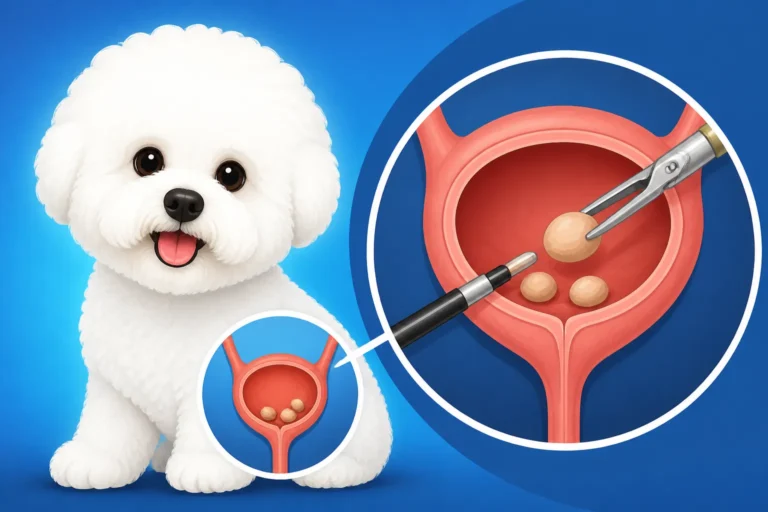
One of the most widely recognized health concerns for Bichon Frises is their high propensity for developing bladder stones, particularly calcium oxalate stones. It's a truly frustrating and often recurring problem for many owners. These stones can cause pain, frequent urination, blood in the urine, and in severe cases, a life-threatening blockage, especially in males.
The Stone That Comes Back a Year After Bichon Frise Surgery is a common worry, and many owners feel like they're constantly battling this issue. If left untreated, a blockage can quickly become fatal. Even with successful surgery, managing this condition often requires a lifelong commitment to a specific prescription diet, like the diet a Bichon Frise stays on for life, and regular monitoring to prevent recurrence. This constant vigilance and specialized care certainly impact the daily life of a Bichon and its owner, and the stress on their urinary system over time can take its toll.
| Condition | Typical Impact on Longevity | Management Strategies |
|---|---|---|
| Bladder Stones (Calcium Oxalate) | Can lead to life-threatening blockages if untreated; chronic issues can stress kidneys. | Prescription diet, increased water intake, regular urine/imaging checks, surgery if needed. |
| Cushing's Disease | If unmanaged, can lead to diabetes, infections, and organ damage. | Daily medication (e.g., Trilostane), regular monitoring of bloodwork and ACTH stim tests. |
| Allergies/Atopic Dermatitis | Chronic discomfort, skin infections, stress, can impact quality of life and immune system. | Allergy medication (Apoquel, Cytopoint), medicated shampoos, elimination diets, immunotherapy. |
| Diabetes Mellitus | Requires strict management; if uncontrolled, can lead to blindness, kidney failure, and other complications. | Daily insulin injections, specialized diet, strict routine, glucose monitoring. |
| Patellar Luxation | Can cause chronic pain, arthritis, and gait issues; rarely directly life-threatening but impacts quality of life. | Pain management, joint supplements, weight control, surgery for severe cases. |
| Dental Disease | Can lead to systemic infections, heart, kidney, and liver damage if severe. | Daily tooth brushing, professional dental cleanings under anesthesia. |
Endocrine Disorders: Cushing's and Diabetes
Bichon Frises also have a higher-than-average incidence of endocrine disorders. Cushing's Disease in a Bichon Frise Past Seven is a common diagnosis in older dogs. This condition, where the adrenal glands produce too much cortisol, can lead to a range of symptoms including excessive thirst and urination, a pot-bellied appearance, hair loss, and increased susceptibility to infections. If left untreated, Cushing's can contribute to diabetes, pancreatitis, and other serious health problems, significantly shortening a Bichon's life.
Similarly, Bichons are among the breeds susceptible to Diabetes in a Bichon Frise. This metabolic disorder, characterized by the body's inability to produce or properly use insulin, requires diligent management with daily insulin injections and a strict diet. Uncontrolled diabetes can lead to cataracts, kidney disease, and other severe complications that drastically reduce quality of life and lifespan. Both Cushing's and diabetes require lifelong commitment to medication, monitoring, and careful management, which can be taxing but ultimately vital for prolonging their years.
Allergies and Skin Issues
While not always directly life-threatening, chronic allergies and skin issues can significantly impact a Bichon Frise's quality of life and, over time, their general health. The Atopic Skin a Bichon Frise Is Born With often manifests as persistent itching, redness, ear infections, and skin infections. This constant discomfort can lead to stress, secondary bacterial or yeast infections, and a compromised immune system.
Chronic inflammation and infections can make a dog feel miserable, affect their appetite, and generally reduce their vitality. While treatments like Apoquel or Cytopoint can offer immense relief, consistent management is key to preventing these issues from spiraling into more severe health problems. Sometimes, differentiating whether a Bichon Frise's itching is food or pollen-related is the first step in effective management.
Other Notable Health Concerns
Beyond these more common issues, Bichons can also be prone to other health conditions that warrant attention:
- Slipping Kneecaps in a Bichon Frise (Patellar Luxation): While usually not life-threatening, severe cases can lead to chronic pain, arthritis, and mobility issues, impacting their quality of life if not managed.
- Dental Disease in a Bichon Frise: Small breeds are notoriously prone to dental issues. Plaque and tartar buildup can lead to gum disease, tooth loss, and bacterial infections that can spread to the heart, kidneys, and liver, posing a serious threat to their overall health. Regular dental care, including professional cleanings, is paramount.
- The Eyes a Bichon Frise Inherits: Bichons can be predisposed to certain eye conditions, including juvenile cataracts, which can lead to blindness if not treated. While blindness itself isn't life-shortening, it can impact a dog's safety and quality of life if not managed well.
Understanding these potential pitfalls allows owners to be vigilant, ensuring that symptoms are noticed early and appropriate veterinary care is sought. Pet insurance, such as a policy from Healthy Paws, can be incredibly beneficial for covering the costs associated with diagnosing and treating these complex and often expensive conditions, giving owners peace of mind.
Maximizing Your Bichon Frise's Years: A Holistic Approach
While genetics and predispositions play a part, a significant portion of your Bichon Frise's longevity rests in your hands. By adopting a holistic approach to their care, you can help them not just live longer, but live better.
Proactive Health Management and Early Detection
The single most impactful thing you can do for your Bichon is to be proactive about their health. Don't wait for obvious signs of illness. Regular veterinary check-ups, ideally twice a year for seniors, are crucial. These visits aren't just for vaccinations; they're opportunities for your vet to assess subtle changes, perform routine screenings like blood work and urine tests, and address any emerging concerns. For instance, whether a Bichon Frise should be urine tested yearly is a question many owners ask, and the answer is a resounding yes, especially given their stone risk.
Early detection of conditions like bladder stones, diabetes, or Cushing's can mean the difference between minor management and a full-blown health crisis. For example, catching urinary crystals before they form into large stones can sometimes be achieved through diet changes alone, avoiding invasive surgery. This proactive stance ensures that any issues are tackled head-on, often before they become severe and more challenging—or costly—to treat. Remember, your vet is your partner in their health journey; openly discuss any concerns, no matter how small they seem.
Prioritizing Nutrition and Hydration
We've touched on diet, but let's emphasize its paramount importance. Beyond just "good quality food," think about specific needs. For a breed prone to bladder stones, proper hydration is critical. Encourage your Bichon to drink more by always having fresh water available, perhaps using a water fountain, or even adding water to their kibble. Wet food can also contribute to increased water intake, which helps dilute urine and reduce the concentration of stone-forming minerals.
If your Bichon has been diagnosed with urinary issues, sticking strictly to the prescription diet is non-negotiable. Whether a Bichon Frise ever comes off the stone diet is a critical question, and the answer is almost always no, as even tiny deviations can lead to recurrence. Similarly, for conditions like diabetes, a consistent diet schedule is vital for managing blood sugar levels. Treats should be carefully selected to align with any dietary restrictions.
Active Lifestyle and Weight Management
Keeping your Bichon at a healthy weight is one of the easiest, yet most profound, ways to extend their life and improve its quality. Obesity puts immense strain on their joints, heart, and other organs, increasing the risk of diabetes, arthritis, and certain cancers. Regular exercise, tailored to their age and physical condition, is key. Two short walks a day, combined with indoor playtime, are usually sufficient for a Bichon. Monitor their weight regularly and adjust their food intake as needed. You should be able to feel their ribs easily without seeing them, and they should have a discernible waist.
An active lifestyle also includes mental enrichment. Training sessions, interactive toys, and opportunities for safe socialization keep their minds sharp and their spirits high. A happy, engaged Bichon is generally a healthier Bichon. Even an old Bichon Frise needs to stay active, albeit at a gentler pace.
Excellent Dental Hygiene
Don't underestimate the power of a healthy mouth. Dental disease isn't just about bad breath; it's a gateway for bacteria to enter the bloodstream and travel to vital organs, causing systemic infections and organ damage. Small breeds like Bichons are particularly susceptible. Aim for daily tooth brushing with dog-specific toothpaste. This might sound like a chore, but starting early and making it a positive experience can make a huge difference.
Beyond daily brushing, professional dental cleanings under anesthesia, as recommended by your vet, are often necessary to address plaque and tartar buildup below the gumline. These cleanings are a significant investment, but they are crucial for preventing serious health complications that can shorten your Bichon's life. Considering that What a Bichon Frise's Dental Costs can be substantial, having pet insurance like Healthy Paws can help cover these essential procedures.
Creating a Stress-Free and Loving Environment
Finally, never underestimate the power of love and a stable home environment. Bichon Frises are companion dogs; they thrive on interaction and affection. A secure, loving home where they feel safe and cherished reduces stress, which in turn supports their immune system and overall well-being. Consistent routines, clear boundaries, and plenty of positive reinforcement contribute to a well-adjusted and happy dog.
While some conditions are inevitable, the emotional support and stable environment you provide can significantly impact their resilience and recovery. A Bichon who feels loved and safe is more likely to cope better with health challenges and maintain a good quality of life into their senior years. Caring for a Bichon Frise Past Eleven means adapting to their changing needs, but their need for love and companionship remains constant.
Disclaimer
This guide provides general information and recommendations regarding Bichon Frise health and longevity. It is not a substitute for professional veterinary advice. Always consult with a qualified veterinarian for any health concerns or before making any decisions about your pet's medical care or diet.