Whether Anesthesia Is Riskier on a Small Bichon Frise
It's completely normal to feel a surge of anxiety when your sweet Bichon Frise needs to go under anesthesia. We all worry about our furry family members, and there's a common misconception that because small dogs are, well, small, any anesthetic procedure carries an inherently higher risk. This concern often stems from stories or a general unease about how such tiny bodies handle powerful medications. But is anesthesia truly riskier for a small Bichon Frise? Let's delve deep into this topic to ease your mind and equip you with the knowledge to make the best decisions for your beloved companion.
Understanding Anesthesia in Small Breeds
The idea that small dogs are automatically at higher risk for anesthesia is a persistent myth, and it causes a lot of undue stress for Bichon owners. While there are unique considerations for smaller patients, modern veterinary medicine has made incredible strides in making anesthesia safe for nearly all sizes and breeds. It's less about the size itself and more about the individual dog's overall health and the specific anesthetic protocol being used.
Why Size Matters and Doesn't Always Mean Higher Risk
When we talk about small dogs and anesthesia, several physiological differences come to mind, but these aren't insurmountable obstacles; rather, they are factors that a good veterinary team carefully manages.
Firstly, metabolism. Smaller dogs often have a higher metabolic rate compared to larger dogs, meaning they process drugs differently and can cool down much faster. This isn't inherently bad, but it requires precise drug dosing and vigilant temperature monitoring throughout the procedure. Overdosing or underdosing can be more critical in a small patient because their smaller body mass offers less buffer. However, veterinarians are highly trained in calculating exact dosages based on weight, age, and individual health, often using specialized scales that measure down to grams.
Secondly, heat loss. This is a very real concern for small breeds like Bichons. Their larger surface area to volume ratio means they lose body heat more rapidly. Hypothermia during anesthesia can slow metabolism, prolong recovery, and increase the risk of complications. Because of this, veterinary teams take proactive measures, using heated surgical tables, warm air blankets (like Bair Huggers), and even warmed intravenous fluids to maintain a stable body temperature. So, while size matters for heat regulation, it's a manageable factor, not an inherent risk that can't be overcome.
Lastly, cardiovascular and respiratory systems. A tiny Bichon's heart and lungs are smaller, which means less reserve compared to a large breed. But again, this isn't a death sentence for anesthesia. It means careful monitoring of heart rate, rhythm, blood pressure, and oxygen saturation is absolutely crucial. Modern veterinary clinics are equipped with advanced monitoring devices that provide real-time data on these vital signs, allowing the veterinary team to make immediate adjustments if needed.
The Bichon Frise's Specific Considerations
Beyond general small breed factors, our lovely Bichons have a few common health predispositions that might make anesthesia a discussion point for their owners. It's not that anesthesia is riskier because they are Bichons, but rather that these conditions might necessitate anesthesia and require tailored approaches.
One of the most common issues in Bichon Frises that often requires anesthesia is Dental Disease in a Bichon Frise. These procedures, involving dental cleanings and potential extractions, are essential for their overall health, as poor oral hygiene can lead to more severe systemic problems. However, they naturally involve general anesthesia. Similarly, Bichons are prone to conditions like Slipping Kneecaps in a Bichon Frise (luxating patellas), which might require surgical correction, and that means another anesthetic event. Urinary issues, such as bladder stones, are also prevalent in the breed. If your Bichon develops them, you might find yourself needing to understand How a Bichon Frise's Stones Are Removed, a procedure that invariably requires anesthesia.
These aren't reasons to avoid necessary procedures, but rather points for open discussion with your vet. A good veterinarian will thoroughly assess your Bichon's specific health profile, including any breed-specific predispositions, to formulate the safest anesthetic plan possible. They will consider all these factors, from their smaller body mass to their potential underlying health conditions, ensuring a customized and secure approach.
Here's a simplified look at considerations often discussed regarding small versus large dogs and anesthesia:
| Factor | Small Dogs (e.g., Bichon Frise) | Large Dogs (e.g., Labrador Retriever) |
|---|---|---|
| Metabolic Rate | Higher; metabolize drugs faster, require precise dosing. | Slower; drug metabolism might be more prolonged. |
| Heat Loss | Rapid; high surface area to volume ratio, prone to hypothermia. | Slower; lower surface area to volume ratio, less prone to rapid cooling. |
| Drug Dosing | Critical precision due to smaller body mass. | More forgiving due to larger body mass, but still precise. |
| Vascular Access | Smaller veins can make IV catheter placement more challenging. | Larger, more accessible veins for IV catheterization. |
| Monitoring | High vigilance for subtle changes in vital signs. | Vigilant, but changes might be less dramatic than in small patients. |
| Recovery | Can be rapid if warm; risk of prolonged recovery if hypothermic. | Generally smooth, but can take longer to fully wake up. |
| Organ Reserve | Generally less reserve in heart and lungs compared to larger breeds. | Greater organ reserve. |
Pre-Anesthetic Care and Assessment
The true cornerstone of safe anesthesia for any dog, big or small, lies in thorough pre-anesthetic preparation. This stage is where your vet gathers all the necessary information to tailor an anesthetic plan that minimizes risks specifically for your Bichon Frise.
The Importance of Comprehensive Pre-Op Screening
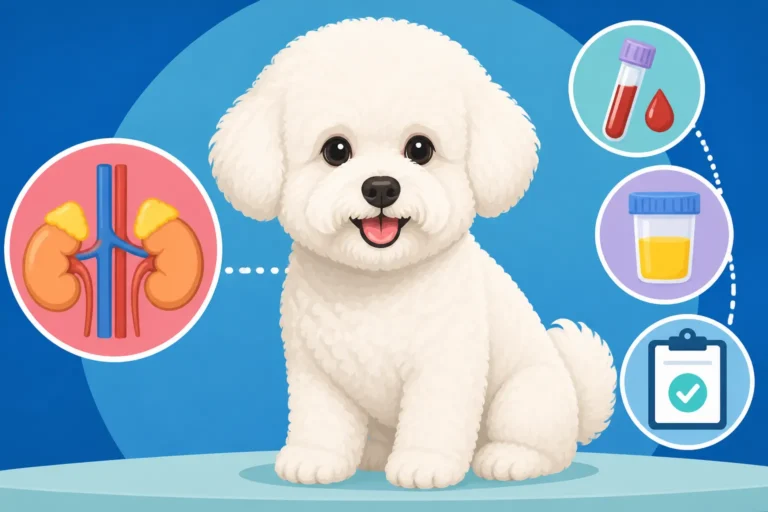
Before any anesthetic procedure, your veterinarian should recommend a series of diagnostic tests. These aren't just a formality; they are crucial windows into your Bichon's internal health, helping to identify any hidden issues that could complicate anesthesia.
Blood Work: This is probably the most common and vital pre-op test. It includes:
- Complete Blood Count (CBC): Checks red blood cells (for anemia), white blood cells (for infection or inflammation), and platelets (for clotting ability). An anemic dog might struggle with oxygen delivery under anesthesia, while low platelets could lead to bleeding complications.
- Blood Chemistry Panel: Evaluates organ function, particularly the liver and kidneys. These organs are responsible for metabolizing and excreting anesthetic drugs. If they aren't functioning optimally, drug dosages might need to be adjusted, or alternative medications chosen. This panel can also check electrolytes and blood glucose, ensuring your Bichon is stable enough for the procedure.
Electrocardiogram (ECG): An ECG assesses your Bichon's heart rhythm and electrical activity. Even if your Bichon doesn't have a known heart condition, a pre-op ECG can detect subtle arrhythmias or abnormalities that might increase anesthetic risk. If something is detected, further cardiac work-up might be recommended by a veterinary cardiologist before proceeding.
Chest X-rays: For older Bichons, or those with known respiratory issues (like a Whether a Bichon Frise Gets a Collapsing Trachea or chronic bronchitis), chest X-rays provide a visual assessment of the heart and lungs. They can help identify lung disease, fluid accumulation, or an enlarged heart, all of which would influence the anesthetic plan.
By conducting these tests, your veterinary team gets a holistic picture of your Bichon's health, allowing them to anticipate and mitigate potential challenges. It's truly about preventing problems before they even start.
Tailoring Anesthesia Protocols for Your Bichon
Once the pre-op screening is complete, your vet will design a specific anesthetic protocol. This isn't a "one-size-fits-all" approach; it's a carefully considered plan based on your Bichon's individual needs.
Drug Selection: There's a wide array of anesthetic drugs available, and veterinarians select them based on various factors:
- Patient health: A dog with kidney issues might receive drugs metabolized by the liver, and vice versa.
- Type of procedure: A short, minimally invasive procedure might use different drugs than a long, complex surgery.
- Pain management needs: Many anesthetic protocols include preemptive pain medications to ensure your Bichon is comfortable before, during, and after the procedure.
Intravenous (IV) Catheter and Fluids: Nearly all modern anesthetic protocols for small dogs include an IV catheter. This serves several critical purposes:
- Fluid support: IV fluids help maintain blood pressure, support kidney function, and keep your Bichon hydrated during anesthesia, which is especially important for their small bodies.
- Emergency access: In the unlikely event of an emergency, the IV catheter provides immediate access to administer life-saving medications.
Monitoring During Anesthesia: This leads us to the heart of anesthetic safety. Your Bichon will be constantly monitored by trained personnel, usually a veterinary technician, throughout the procedure. They will use sophisticated equipment, but their hands-on assessment is just as vital.
Monitoring During and After Anesthesia
The time your Bichon is under anesthesia and immediately after is a period of intense monitoring. This is where vigilance truly pays off, ensuring that any subtle changes are noticed and addressed promptly.
Vital Signs and Advanced Monitoring Equipment
During anesthesia, your Bichon Frise will be surrounded by technology designed to keep them safe. This isn't just a luxury; it's a standard of care.
- Pulse Oximetry: This device measures the oxygen saturation in your Bichon's blood, essentially telling the veterinary team how well their lungs are absorbing oxygen and how efficiently it's being distributed. Low oxygen levels can be an early warning sign of respiratory compromise.
- Capnography: This monitors the carbon dioxide levels in your Bichon's exhaled breath. It provides crucial information about ventilation (how well they are breathing) and metabolic function. Deviations can indicate issues with breathing, circulation, or even the anesthetic depth.
- Blood Pressure Monitoring: Maintaining stable blood pressure is paramount for ensuring adequate blood flow to all organs, especially the kidneys and brain. Small dogs are prone to drops in blood pressure, and constant monitoring allows the team to administer IV fluids or medications to support it if necessary.
- ECG (Electrocardiogram): As mentioned for pre-op, the ECG continues to monitor heart rate and rhythm throughout the procedure, alerting the team to any irregularities.
- Temperature Monitoring: Because small dogs are prone to hypothermia, a rectal thermometer or an esophageal probe provides continuous temperature readings, allowing the team to adjust warming measures as needed.
Beyond the machines, a dedicated veterinary technician will be constantly assessing your Bichon's reflexes, eye position, and general demeanor. They are the eyes and ears of the veterinarian, ensuring everything is running smoothly. This combination of human expertise and advanced technology is what makes modern anesthesia so safe.
Post-Anesthesia Recovery and At-Home Care
The journey doesn't end when the procedure is over. The recovery period is just as important, and your vet team will guide your Bichon through it carefully.
In-Clinic Recovery: After anesthesia, your Bichon will be moved to a recovery area where they'll continue to be monitored closely. The veterinary staff will focus on keeping them warm, comfortable, and pain-free. They'll monitor their waking process, ensuring they are alert and responsive. Pain management is often continued with injectable medications as your Bichon wakes up, transitioning to oral medications for home use.
At-Home Care: Once your Bichon is deemed stable enough to go home, you'll receive detailed discharge instructions. This will typically include:
- Keeping Warm: Continue to provide a warm, quiet, comfortable place for your Bichon to rest. Their body temperature might still be a little low.
- Monitoring Appetite and Thirst: It's normal for them to be a bit groggy and not want to eat right away. Offer small, bland meals and fresh water. If they're refusing food or water for an extended period, contact your vet.
- Medication Administration: You'll likely have pain medication and possibly antibiotics to administer. Follow the instructions precisely.
- Monitoring for Complications: Watch for any unusual signs, such as persistent vomiting, excessive lethargy, difficulty breathing, or issues with the incision site (if applicable). Don't hesitate to call your vet if you have any concerns, no matter how small they seem.
This meticulous approach, from pre-screening to post-op care, is designed to ensure the safest possible outcome for your Bichon Frise, helping them get back to their happy, frolicking selves.
Mitigating Risks and Choosing the Right Vet
Ultimately, minimizing the risks of anesthesia for your Bichon Frise boils down to two main factors: proactive risk mitigation and selecting a veterinary practice that prioritizes patient safety.
Questions to Ask Your Veterinary Team
Don't be shy about asking questions! As a pet parent, you have every right to understand the procedures your Bichon will undergo. Here are some key questions to consider:
- What pre-anesthetic blood work and diagnostics do you recommend, and why? A good clinic will explain the purpose of each test.
- Who will be monitoring my Bichon during anesthesia, and what qualifications do they have? Ideally, a dedicated, trained veterinary technician should be present solely for monitoring.
- What monitoring equipment do you use? Ask about pulse oximetry, capnography, blood pressure, and ECG.
- What measures do you take to keep small dogs warm during and after surgery? This shows they understand the specific needs of small breeds.
- Will my Bichon receive intravenous fluids? This is a standard of care for most anesthetic procedures.
- What is your pain management protocol before, during, and after the procedure? Ensuring comfort is crucial for recovery.
- What are the potential risks specific to my Bichon's age and health conditions? Your vet should be able to discuss these openly and honestly.
- What is your emergency plan if complications arise? Knowing they have a protocol in place can be reassuring.
Asking these questions not only provides you with valuable information but also demonstrates to your veterinary team that you are an engaged and informed pet owner, which fosters better communication and care.
Financial Considerations and Pet Insurance
It's no secret that comprehensive veterinary care, especially involving anesthesia and surgery, can be costly. Pre-anesthetic blood work, advanced monitoring, IV fluids, and skilled personnel all contribute to the expense, but these are investments in your Bichon's safety. Many owners worry about the cost, which can sometimes lead to delaying necessary procedures, but this can ultimately lead to more severe and expensive problems down the line.
Consider What a Bichon Frise's Dental Costs if your little one needs a cleaning, or even What a Bichon Frise's Emergency Blockage Costs if a urinary stone creates a crisis. These are significant expenses that often require anesthesia. This is where pet insurance can be a real lifeline. Companies like Healthy Paws offer various plans that can cover a substantial portion of these unexpected veterinary bills, including those for diagnostic tests, surgical procedures, and post-operative care. Having a good pet insurance policy, such as one from Healthy Paws, in place before your Bichon develops any conditions can provide immense peace of mind, allowing you to focus on their health without the added stress of financial burden. It’s definitely worth looking into, especially with common Bichon issues that require repeated vet visits and procedures throughout The Fourteen to Fifteen Years a Bichon Frise Lives.
The bottom line is that while anesthesia for a small Bichon Frise has its unique considerations, modern veterinary practices are exceptionally well-equipped to manage these factors. The perceived "riskier" aspect for small dogs is largely mitigated by meticulous pre-operative assessment, tailored anesthetic protocols, vigilant monitoring, and attentive post-operative care. By working closely with your trusted veterinarian, asking informed questions, and planning for potential costs, you can ensure your beloved Bichon receives the safest and most effective care possible, allowing them to continue their happy, healthy lives for many years. It’s all part of Caring for a Bichon Frise Past Eleven and ensuring they have the best quality of life. Knowing what actually kills most Bichon Frises and addressing it proactively is key.
Disclaimer
Please remember that this article provides general information and should not replace professional veterinary advice. Always consult with your veterinarian regarding any health concerns or before making decisions about your Bichon Frise's care.