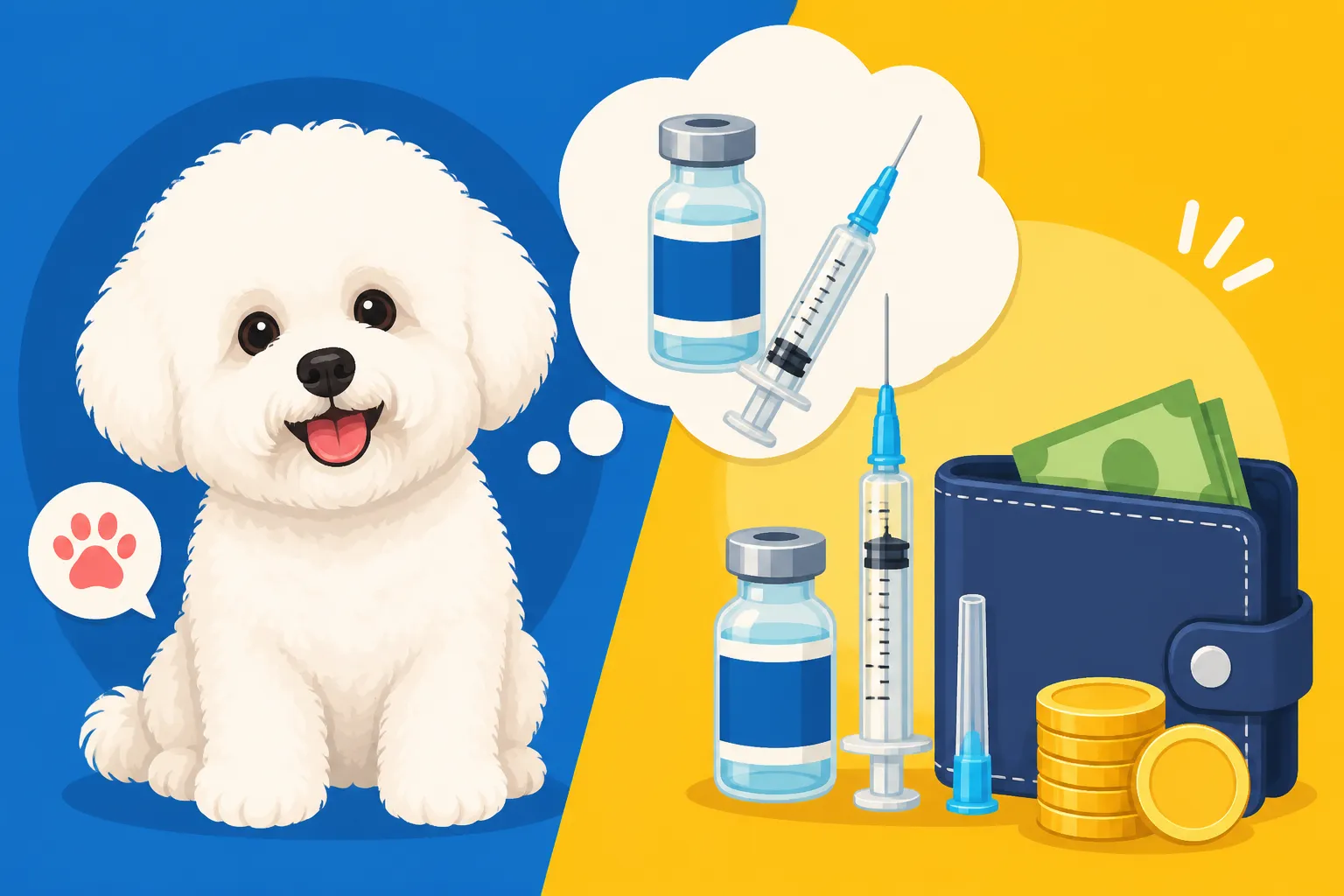
What Insulin and Needles Cost for a Bichon Frise
Receiving a diagnosis of diabetes for your beloved Bichon Frise can feel overwhelming, not just emotionally, but financially. Suddenly, you're faced with a lifelong commitment to managing their condition, and a big part of that involves understanding the recurring costs of essential medications and supplies. This guide will walk you through what to expect regarding the ongoing expenses for insulin and needles, helping you prepare for and navigate this journey.
Understanding Your Bichon Frise's Diabetes and Insulin Needs
When your sweet Bichon Frise is diagnosed with diabetes, it means their body isn't producing enough insulin, or isn't using it effectively, leading to high blood sugar levels. This isn't just a minor issue; it's a serious health condition that requires careful, consistent management. The cornerstone of this management for most diabetic dogs is insulin therapy.
Why Insulin is Non-Negotiable for Diabetic Bichon Frises
Insulin acts like a key, unlocking cells to allow glucose (sugar) from their food to enter and provide energy. Without adequate insulin, that sugar just builds up in the bloodstream, leading to a host of problems. You might notice your Bichon Frise drinking and urinating excessively, losing weight despite eating, or becoming lethargic. Left untreated, high blood sugar can lead to severe complications like cataracts, nerve damage, and even a life-threatening condition called diabetic ketoacidosis. Providing insulin isn't a choice; it's a vital, life-sustaining treatment that allows your Bichon Frise to live a comfortable and active life. It helps regulate their blood sugar, preventing those dangerous highs and lows and improving their overall well-being. This consistency is crucial, as you'll often read about in articles discussing Managing an Insulin Dependent Bichon Frise.
Different Types of Insulin and What They Mean for Your Dog
Just like humans, dogs can be prescribed different types of insulin, and your veterinarian will determine the best one for your Bichon Frise based on their specific needs. The most common insulins used for dogs are intermediate-acting insulins, which provide a steady release over several hours. You might hear about U-40 or U-100 insulins, referring to their concentration (units per milliliter). This concentration is incredibly important because it dictates the type of syringe you need – using the wrong one can lead to dangerous under or overdosing. These insulins typically come in small vials, and while the upfront cost of a vial might seem like a lump sum, it's really the cost per dose that matters. Your vet will often prescribe a specific brand known for its efficacy in canines. It's not a one-size-fits-all, and finding the right fit for your Bichon Frise might take a little trial and error, along with careful monitoring.
Breaking Down the Cost of Insulin Medication Itself
The actual insulin medication is, naturally, a primary and recurring expense. It's not just about the price of a single vial; it's about understanding the factors that influence how quickly you go through it and where you can reasonably source it.
The Vial's Price Tag and Dosage Variations
Insulin vials generally come in standard sizes, but the actual cost to you depends heavily on your Bichon Frise's prescribed dosage and the insulin's concentration. A smaller Bichon Frise, especially one with well-controlled diabetes, might use a single vial for many weeks or even a couple of months. On the other hand, a larger or more resistant dog could go through a vial much faster. Therefore, while a vial has a set price, your effective monthly cost will vary. It's important to remember that these medications are specialized and require careful manufacturing, which contributes to their cost structure. The cost generally reflects the research and development involved in producing a stable, effective product for veterinary use. It's a significant ongoing expenditure, much like any chronic health management, as highlighted in broader discussions about What a Bichon Frise Costs a Year to Keep.
Storage and Expiry: Hidden Costs and Considerations
Insulin is a delicate medication that needs proper storage to remain effective. It generally requires refrigeration and must be protected from extreme temperatures and direct sunlight. Once a vial is opened, its shelf life significantly shortens, often to 28 days, even if refrigerated. This means that if your Bichon Frise is on a very low dose and doesn't use the entire vial within that timeframe, you'll need to discard the remaining medication and open a new vial. This can feel like a "hidden cost" or waste, but it's crucial for your pet's safety and the efficacy of the treatment. Using expired or improperly stored insulin can lead to ineffective blood sugar control, which in turn can cause serious health issues for your Bichon Frise.
Where to Purchase and Potential Savings
Most veterinarians carry the insulins they commonly prescribe, making it convenient to pick up your supply directly from their office. However, you often have other options. Reputable online pet pharmacies and even some human pharmacies can dispense veterinary insulin with a valid prescription from your vet. Companies like Chewy, for instance, offer a wide range of prescription medications, including insulin, and sometimes at a more competitive price point than you might find locally. Always ensure you're purchasing from a trusted source, and factor in any shipping costs or potential delays when ordering online. Some pet owners find that buying a few vials at once, if their vet permits and they can use them before expiry, might offer a slight bulk discount, but this needs careful calculation against the 28-day open-vial rule to avoid waste.
The Essential Tools: Syringes, Needles, and Other Supplies
Insulin is only effective if it's delivered correctly, and that means having the right tools. The syringes and needles are just as critical as the insulin itself and represent another recurring expense that adds up over time.
Choosing the Right Syringe and Needle Size
This is perhaps one of the most crucial aspects of insulin administration. As mentioned, insulins come in different concentrations (U-40 or U-100). You must use the corresponding syringe. A U-40 insulin requires a U-40 syringe, and a U-100 insulin requires a U-100 syringe. Using the wrong syringe can lead to a drastic overdose or underdose, with potentially fatal consequences. Syringes also come in different volumes (e.g., 0.3ml, 0.5ml, 1ml) and with various needle gauges (thickness) and lengths. A smaller gauge (higher number, e.g., 30G) means a finer needle, which can be more comfortable for your Bichon Frise during injection. Your vet will advise you on the exact type of syringe and needle combination suitable for your dog and their specific insulin. Don't ever deviate from their recommendation. This detail about dosage is vital, especially when considering Whether a Diabetic Bichon Frise Needs Twice Daily Insulin.
Ongoing Supply Costs and Bulk Buying
Since you'll be injecting your Bichon Frise usually once or twice a day for the rest of their life, you'll go through a lot of syringes and needles. It's essential to use a fresh, sterile needle for every injection to minimize pain and the risk of infection. Syringes are typically sold in boxes of 100, and while the cost per box might seem manageable, remember it's a constant need. Many pet owners find that purchasing these supplies from large online retailers like Chewy or other medical supply companies can offer better value compared to buying them individually from a vet. These platforms often have bulk pricing or subscription options that can shave a bit off the recurring cost. However, always double-check the exact specifications (U-concentration, volume, gauge, length) to ensure you're getting precisely what your vet prescribed.
Beyond the Syringe: Sharps Disposal and Monitoring
Beyond the insulin itself and the syringes, there are other essential supplies to factor into your budget. Safely disposing of used needles and syringes is paramount. This means investing in a dedicated sharps container, which can be purchased from pharmacies or online. Once full, these containers need to be disposed of according to local regulations, often at designated hazardous waste facilities or vet clinics, which may have a small associated fee.
Furthermore, monitoring your Bichon Frise's blood glucose levels at home is often recommended by vets to help fine-tune insulin doses and observe how they respond to treatment. This involves purchasing a pet-specific glucometer kit (which might have a moderate upfront cost), and then the recurring expense of test strips and lancing devices (or lancets), which are used to obtain a tiny blood sample. While not strictly "insulin and needles," these monitoring tools are integral to effective diabetic management and contribute to the overall cost, helping you truly understand and manage your dog's condition, as discussed in Managing an Insulin Dependent Bichon Frise.
Managing the Financial Strain of Long-Term Diabetic Care
Living with a diabetic Bichon Frise is a long-term commitment, both emotionally and financially. Understanding all the moving parts of the cost can help you budget effectively and explore options for support.
The Role of Veterinary Consultations and Monitoring
Insulin and needles are just two pieces of the puzzle. Regular veterinary check-ups are absolutely essential for a diabetic Bichon Frise. Initially, when your dog is diagnosed, there will be more frequent visits to establish the correct insulin dose through blood glucose curves and other diagnostic tests. Once stable, your vet will still recommend periodic check-ups, typically every few months, to monitor their blood sugar control, check for any complications, and ensure their overall health is stable. These visits involve consultation fees, blood tests, and sometimes urine tests, all of which contribute significantly to the total annual cost. It's an investment in your pet's health and ensures the insulin regimen remains appropriate and safe. What a Bichon Frise's Yearly Vet Bill Looks Like will give you a broader picture of these recurring costs.
Dietary Adjustments and Their Cost Implications
Diet plays a crucial role in managing canine diabetes. Your veterinarian will likely recommend a specific prescription diet designed to help stabilize blood sugar levels, or at the very least, a carefully controlled feeding schedule with a high-fiber, moderate-carbohydrate food. These specialized diets can sometimes be more expensive than your average commercial dog food. While brands like Ollie focus on fresh, human-grade ingredients that are excellent for general health, for specific medical conditions like diabetes, a vet-prescribed formula might be necessary. Even if you don't use a prescription diet, strict consistency in food type and feeding times is paramount, as any deviation can impact insulin effectiveness. The cost of this specialized food is another ongoing expense that needs to be factored into your budget alongside insulin and needles, especially if you consider the principles in The Diet a Bichon Frise Stays On for Life.
Pet Insurance: A Lifeline for Chronic Conditions
For many pet owners, especially those facing a chronic condition like diabetes, pet insurance can be a significant financial buffer. While most policies won't cover pre-existing conditions (meaning if your Bichon Frise was diagnosed before you got insurance, diabetes likely won't be covered), if you had a policy in place before the diagnosis, it could help with a substantial portion of the recurring costs for insulin, syringes, vet visits, and monitoring tests. Companies like Healthy Paws offer comprehensive plans that could ease the burden of these lifelong expenses. It's vital to research different providers and understand their coverage limits, deductibles, and reimbursement percentages. Carefully read the fine print regarding chronic conditions and annual benefit limits, as explored in articles like Whether an Annual Limit Is Enough for a Bichon Frise. Having insurance can turn what feels like an insurmountable financial challenge into a manageable one.
Practical Tips for Budgeting and Finding Support
Managing the ongoing costs of insulin and needles for your Bichon Frise requires a proactive approach to budgeting. Create a dedicated section in your monthly budget for pet medical expenses. Look into loyalty programs or discounts offered by online pharmacies or your veterinary clinic for recurring purchases. Don't be afraid to discuss your financial concerns openly with your vet; they might be able to suggest alternative purchasing options, payment plans, or local resources. There are also various animal welfare organizations and diabetes support groups that sometimes offer assistance or advice on managing costs. Remember, you're not alone in this journey.
Here's a general overview of typical recurring costs associated with insulin therapy, keeping in mind that exact figures vary greatly:
| Item | Frequency | Nature of Cost |
|---|---|---|
| Insulin Vial (e.g., U-40/U-100) | Monthly/Bi-monthly | Moderate to significant, depends on dosage and vial usage before expiry. |
| Insulin Syringes/Needles (Box of 100) | Monthly/Bi-monthly | Moderate, especially when bought in bulk from online retailers. |
| Sharps Disposal Container | Quarterly/Bi-annually | Low, but essential for safe disposal. |
| Blood Glucose Monitor Kit (Initial) | One-time | Moderate upfront cost. |
| Blood Glucose Test Strips | Monthly | Moderate to significant, depending on frequency of home monitoring. |
| Lancets/Lancing Device | Monthly/Bi-monthly | Low. |
| Veterinary Consultations | Quarterly/Bi-annually | Significant, covers exam fees, diagnostics like glucose curves, and bloodwork. |
| Prescription Diabetic Food | Monthly | Moderate to significant, can be higher than regular food. |
Caring for a diabetic Bichon Frise is a testament to your love and dedication. While the financial aspect of insulin and needle costs, along with associated vet care and dietary needs, can feel daunting, understanding these expenses upfront and exploring available resources can make the journey smoother for both you and your cherished companion.
Disclaimer
This article is for general informational purposes only and does not constitute professional advice. Laws, prices and regulations vary by location and change over time. Consult a qualified professional for guidance on your specific situation.