Whether a Bichon Frise Is Genuinely Cheerful
It's easy to look at a fluffy, white Bichon Frise with their dark, sparkling eyes and assume they're just naturally bundles of pure, unadulterated joy. While they absolutely have an incredibly cheerful disposition, the reality is a little more nuanced than just constant happiness. This guide will explore what genuine cheerfulness looks like in a Bichon, what influences their mood, and how you can ensure your little companion experiences true contentment, not just a façade of fluffiness.
The Bichon Frise Temperament: More Than Just Fluffy Cheer
When you first meet a Bichon Frise, it’s hard not to be charmed by their seemingly unending enthusiasm and bright-eyed expressions. They bounce, they wag, and they have a way of making every moment feel like the best moment ever. But what lies beneath that cheerful exterior? Is it an inherent, unwavering joy, or something that needs careful cultivation?
The Merry Disposition: Fact or Fiction?
The official breed standard for the Bichon Frise actually describes their temperament as "merry," and honestly, it's a fitting word. They are known for being playful, inquisitive, and generally good-natured. It’s not just an act; many Bichons genuinely possess an optimistic outlook on life. They often greet new people and situations with a wagging tail and an eager sniff, rather than shyness or aggression. This innate friendliness makes them wonderful companions, always seeming ready for an adventure or a cuddle. They thrive on interaction and being part of the family, and their happiness often seems intertwined with the happiness of their human companions. It’s a joy that often spills over, making you feel lighter just by being around them. However, it's important to remember that 'merry' doesn't mean 'never sad' or 'always happy under all circumstances'. Just like us, dogs have a range of emotions and can be affected by their environment, health, and how they are handled.
Why the Perception of Cheerfulness Lingers
The Bichon's history as a companion dog and even a performer contributes significantly to their cheerful reputation. For centuries, these little dogs charmed royalty, traveled with sailors, and later delighted crowds in circuses and street performances. Their natural intelligence, eagerness to please, and compact size made them ideal for learning tricks and being highly interactive. This historical role meant they were bred and selected for traits that made them engaging and adaptable, traits that naturally lean towards a sunny disposition. People saw them smiling (or at least looking like it!) and performing feats, reinforcing the idea of a perpetually happy dog. When you think of a circus dog, you often envision a happy, confident performer, and the Bichon Frise certainly fits that bill from its past. This legacy of charming and entertaining has been woven into their very being, shaping the cheerful perception we hold today.
The "Bichon Blitz" and Bursts of Joy
If you've ever owned a Bichon, you're undoubtedly familiar with the "Bichon Blitz," or as some call them, "zoomies." These sudden, frantic bursts of energy, where your dog races around the house or yard at top speed, are pure expressions of exhilaration. They might dash under furniture, slide on rugs, and then collapse into a panting, happy heap, only to spring up again moments later. This isn't just random hyperactivity; it's a clear demonstration of pure, unadulterated canine joy and release of pent-up energy. The Bichon Blitz and What It Means is a hallmark of the breed, a delightful explosion of happiness that proves their merry nature isn't just a calm smile but also an active, physical expression of delight. It’s often seen after a bath, a meal, or simply when they're feeling particularly spirited. Observing a Bichon in the midst of a blitz is to witness genuine, unfiltered happiness in motion.
Unpacking the Reality: Nuances of Bichon Frise Happiness
While the general disposition of a Bichon Frise is indeed cheerful, it's crucial for any owner to understand that this isn't a default setting that requires no input. Their happiness, like any dog's, is deeply tied to their physical health, mental stimulation, consistent training, and the environment you provide. Just because they look happy doesn't always mean they feel their best.
Factors Influencing a Bichon's Mood
A Bichon's mood is a delicate balance influenced by several key factors. First and foremost is their health. A dog in pain, discomfort, or suffering from an underlying medical condition cannot truly be cheerful, even if they try to put on a brave face. Conditions common to the breed, such as bladder stones or skin allergies, can significantly impact their well-being. Imagine trying to be "merry" when you're constantly itching or having trouble urinating. Regular vet check-ups are paramount. Beyond health, consistent training and socialization play a huge role. A well-trained Bichon understands expectations and feels secure, leading to confidence and happiness. Lack of training can lead to anxiety or frustration, while insufficient socialization can make them fearful or reactive. The First Year With a Bichon Frise Puppy is crucial for setting these foundational elements. Lastly, their environment matters. A chaotic, noisy, or lonely home can stress a Bichon, no matter how naturally cheerful they are. They thrive in loving, stable environments where they feel like an integral part of the family.
Signs of a Truly Happy Bichon
So, how can you tell if your Bichon Frise is genuinely happy, beyond the charming fluff? It comes down to observing their body language, engagement, and overall demeanor. A truly happy Bichon will typically have:
- Relaxed Posture: A soft, wiggly body with a relaxed tail wag that might even involve their whole rear end. Their ears will be in a natural, soft position, not pinned back or stiffly alert.
- Bright Eyes and Soft Mouth: Their eyes will be sparkling and expressive, but not wide or showing too much white. A soft, slightly open mouth, perhaps even with a little "smile," is a good sign.
- Eager Engagement: They seek out interaction, whether it's nudging you for pets, bringing a toy, or following you happily from room to room. They'll be curious about their surroundings and eager to explore safely.
- Playfulness: A happy Bichon loves to play, whether it's a game of fetch, tug-of-war, or a spontaneous "Bichon Blitz." Their play is usually gentle and inviting, not aggressive or overly dominant.
- Good Appetite and Sleep: While some dogs can be picky, a healthy, happy Bichon generally has a good appetite. They also sleep soundly and comfortably, usually curled up in a secure spot.
It's about the whole picture, not just one isolated behavior.
When Cheerfulness Might Be Masking Something Else
Sometimes, what appears as cheerful or energetic behavior in a Bichon can actually be a sign of underlying issues. An overly boisterous or constantly "on" dog might be experiencing anxiety, especially separation anxiety, trying to cope with stress through excessive activity or attention-seeking. A Bichon that seems cheerful but is always restless, panting excessively, or pacing could be experiencing discomfort or a medical issue that needs veterinary attention. For instance, a dog straining to urinate but still trying to be "brave" could be suffering from stones. Handling a Bichon Frise Whose Skin Is Sore might make them seem grumpy or irritable, not cheerful. Owners often report that their Bichon will still try to be affectionate and playful even when unwell, which can make it harder to spot a problem. It’s why regular observation and understanding their normal patterns are so vital. If your normally calm Bichon suddenly becomes hyperactive, or a playful one seems withdrawn, it's always worth a call to the vet. Don't let the breed's reputation for merriness blind you to subtle cues that something might be amiss.
Here’s a quick comparison of common Bichon behaviors and their potential interpretations:
| Behavior | Often Perceived As | Potential Underlying Meaning |
|---|---|---|
| Bichon Blitz (Zoomies) | Pure Joy, Excitement | Release of pent-up energy, happiness, sometimes over-arousal |
| Constant Barking | Alertness, Playfulness | Boredom, anxiety, territoriality, attention-seeking |
| Seeking Constant Attention | Affectionate, Loving | Bonded, needs mental stimulation, can be separation anxiety |
| Excessive Licking/Chewing | Self-grooming, Boredom | Allergies, anxiety, pain, habit (especially paw licking) |
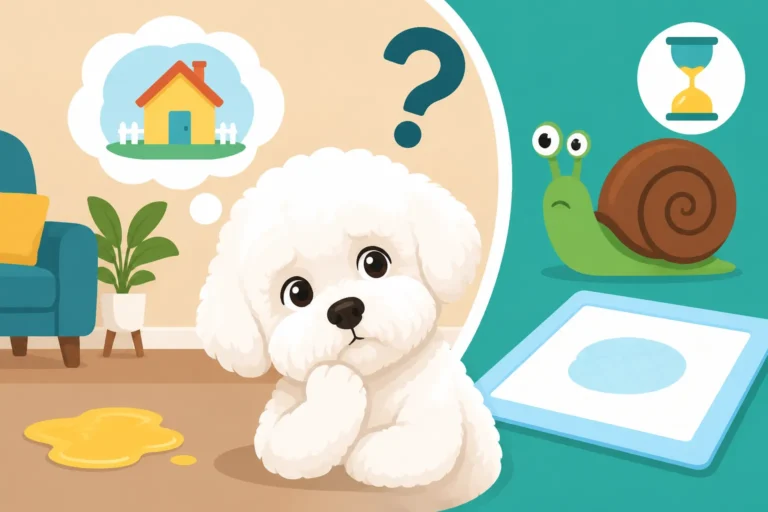
| Sudden Housetraining Accidents | Stubbornness, Spite | Urinary tract infection, bladder stones, stress, aging |
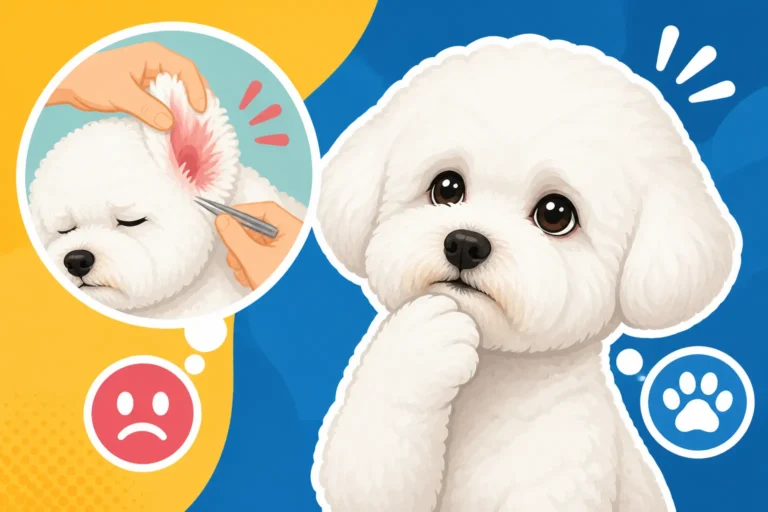
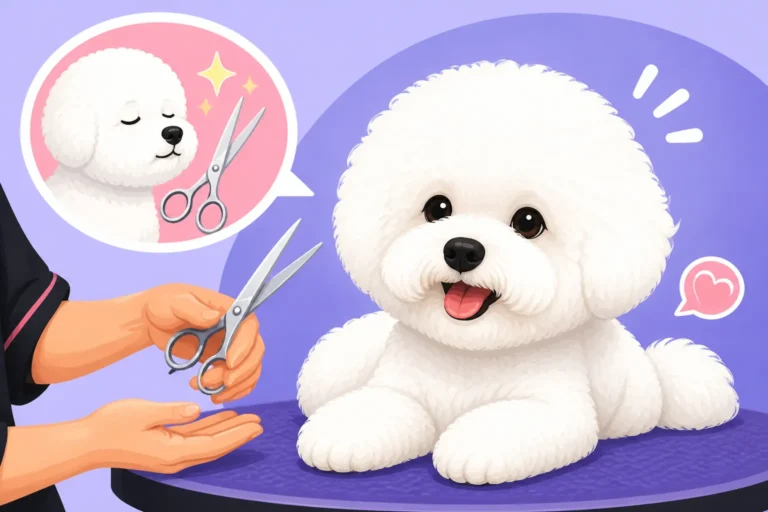
| Reluctance to Be Groomed | Picky, Naughty | Pain, mats, skin sensitivity, fear from past negative experiences |
| Hyperactivity, Restlessness | Energetic, Playful | Anxiety, discomfort, lack of mental/physical exercise |
Nurturing Genuine Happiness in Your Bichon Frise
Bringing out the truly cheerful, contented side of your Bichon Frise isn't about hoping for the best; it's about active, consistent care and providing an environment where they can thrive. Their natural disposition for joy is a gift, but it needs to be nurtured through thoughtful training, diligent care, and a secure home life.
Consistent Training and Socialization
One of the most powerful tools for fostering a happy Bichon is consistent, positive reinforcement training. Dogs, especially intelligent ones like Bichons, thrive on structure and understanding what's expected of them. A dog that knows its commands and feels confident in different situations is a happy dog. Brands like BAXTER & Bella offer online puppy training programs that can be incredibly helpful for new owners, guiding them through crucial steps like house-training (which, let's be honest, can be a challenge for Bichons!), leash manners, and basic obedience. This foundational training builds confidence and strengthens your bond.
Equally important is early and ongoing socialization. Exposing your Bichon puppy to a variety of sights, sounds, people, and other well-behaved dogs in a positive way helps them develop into a well-adjusted adult. A Bichon who is comfortable in different environments and with new experiences will be far more genuinely cheerful than one who is fearful or withdrawn due to lack of exposure. Even simple things like taking them on car rides, walking past a bustling park (from a safe distance initially), or having calm visitors can make a huge difference. Remember, positive experiences build confidence. For training essentials like clickers, treat pouches, or engaging puzzle toys, platforms like Amazon can be a treasure trove of resources to support your training journey. How Fast a Bichon Frise Learns a New Cue highlights their intelligence and eagerness, making training a rewarding experience for both of you.
Meeting Their Needs: Exercise, Grooming, and Health
To maintain that merry disposition, a Bichon Frise needs more than just cuddles on the couch. They need regular exercise to burn off energy and provide mental stimulation. Daily walks, playtime in a secure yard, or even indoor games of fetch are essential. Remember, a tired dog is often a happy dog! Next, grooming is non-negotiable for a Bichon. Their unique double coat needs daily brushing to prevent painful mats and regular professional grooming every 4-6 weeks to maintain their iconic "powder puff" look. Neglecting their coat can lead to severe discomfort and skin issues, directly impacting their mood. What a Bichon Frise Needs Every Day includes these crucial care routines.
Finally, proactive health care is paramount. Regular veterinary check-ups are vital for early detection and prevention of common breed-specific ailments, such as dental disease, patellar luxation, and those pesky bladder stones. Discussing preventative measures, diet, and any changes in behavior with your vet ensures your Bichon remains in top physical condition, which is the bedrock of genuine happiness. A healthy dog has the energy and comfort to be cheerful, whereas one suffering silently cannot.
Creating a Secure and Engaging Home Environment
Your home is your Bichon's world, and creating a secure, enriching environment is key to their well-being. This means having a comfortable, safe space where they can retreat, like a cozy crate or a special dog bed in a quiet corner. Bichons are highly attached to their families, earning their reputation as a true Whether a Bichon Frise Is a Lap Dog, so ensuring they feel included and loved is fundamental. This might involve setting up a playpen with engaging toys when you can't directly supervise them, or making sure their feeding and potty routines are consistent.
Enrichment toys and activities can prevent boredom and destructive behaviors that stem from unhappiness. Puzzle feeders, chew toys, and interactive games keep their minds stimulated. Consider rotating toys to keep things fresh and exciting. A predictable routine for feeding, walks, and playtime also provides a sense of security and reduces anxiety. A Bichon thrives on being part of the family rhythm, feeling safe and engaged in their daily lives. By providing these elements, you foster not just temporary cheerfulness, but a deep, lasting contentment in your beloved companion. Whether a Bichon Frise Learns Tricks can also be a fantastic way to engage their minds and boost their confidence within the home environment.
Disclaimer
This article is for general informational purposes only and does not constitute professional advice. Laws, prices and regulations vary by location and change over time. Consult a qualified professional for guidance on your specific situation.