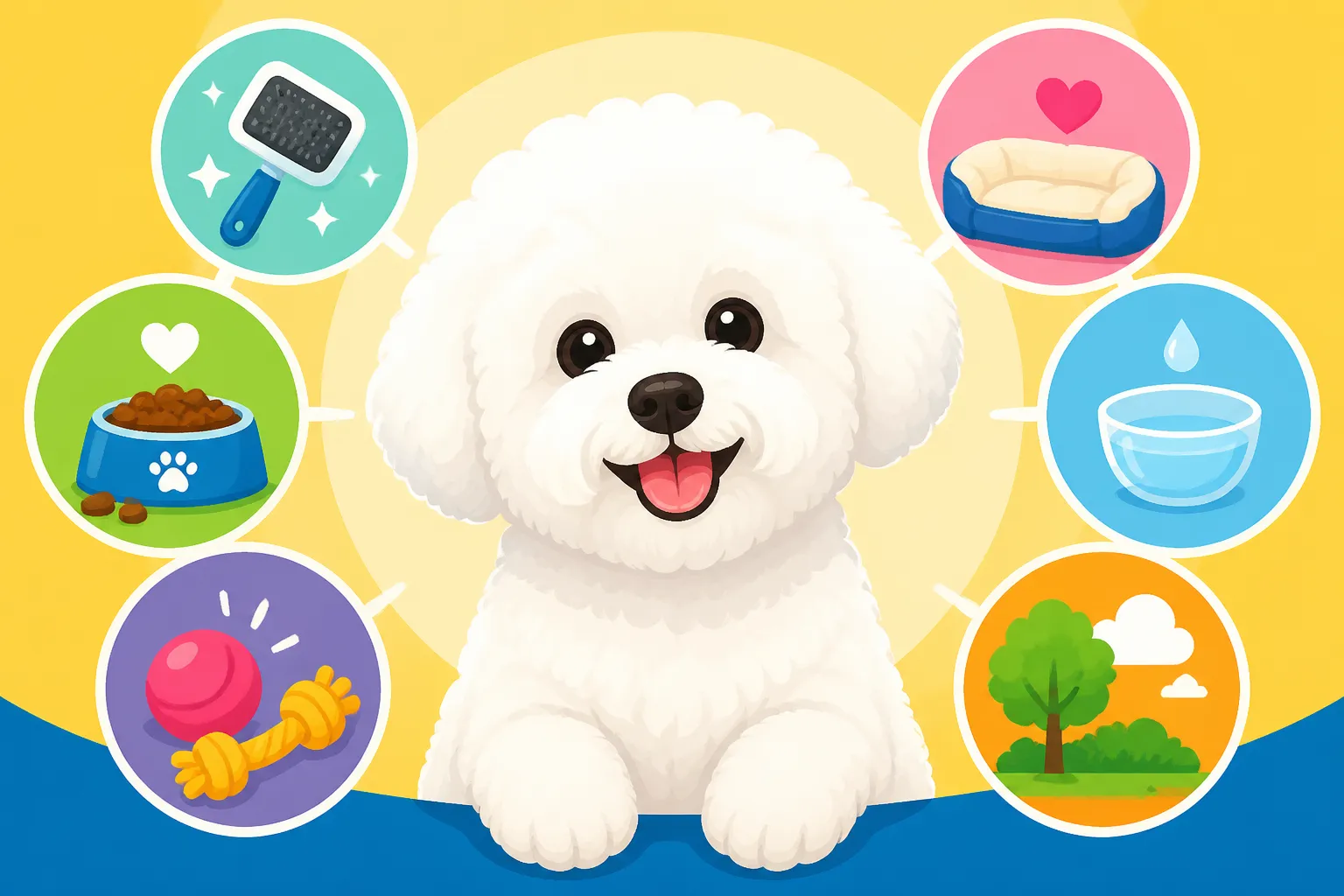
What a Bichon Frise Needs Every Day
Bringing a Bichon Frise into your life is an absolute joy, but it also comes with a unique set of daily responsibilities that, if overlooked, can quickly lead to bigger headaches. From their iconic fluffy coat that seems to mat just by looking at it, to their sometimes sensitive stomachs and surprising energy bursts, understanding what your Bichon needs every single day is crucial for their health, happiness, and your sanity. This guide is here to walk you through the essential daily care routine, ensuring your little white cloud stays vibrant, healthy, and a cherished member of your family.
The Daily Grooming Ritual for a Bichon Frise
Let's face it, the Bichon Frise coat is gorgeous, but it's also a commitment. Many owners get a Bichon without fully appreciating just how much daily attention that beautiful white fluff demands. It's not just about looking pretty; regular grooming is fundamental to their skin health, comfort, and preventing painful mats that can lead to serious skin issues.
Brushing and Combing to Prevent Mats and Maintain Coat Health
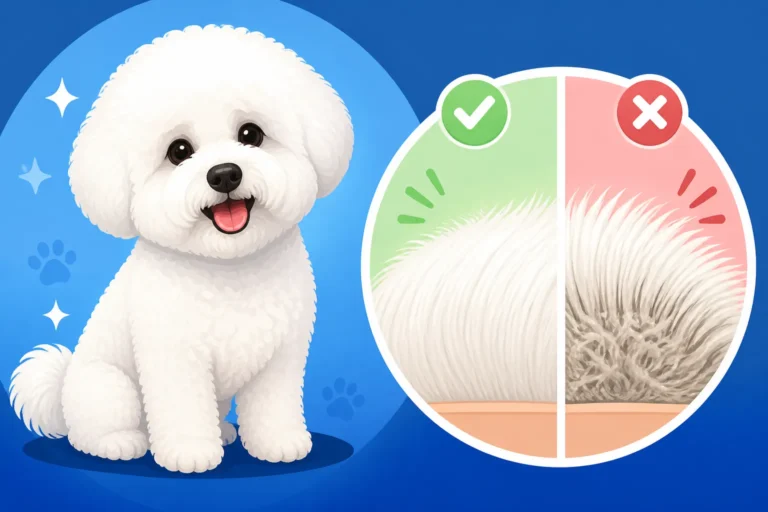
The Bichon's glorious double coat, with its soft undercoat and coarser outer coat, is a magnet for tangles. If you skip even a day or two, especially in humid weather or after a romp outside, you'll start feeling those dreaded knots forming close to the skin. These aren't just cosmetic; mats pull on the skin, causing discomfort, pain, and can even cut off circulation or hide skin infections. It's a common frustration, feeling like you just brushed them, and they're already tangled again! This is why a thorough daily brushing session is non-negotiable.
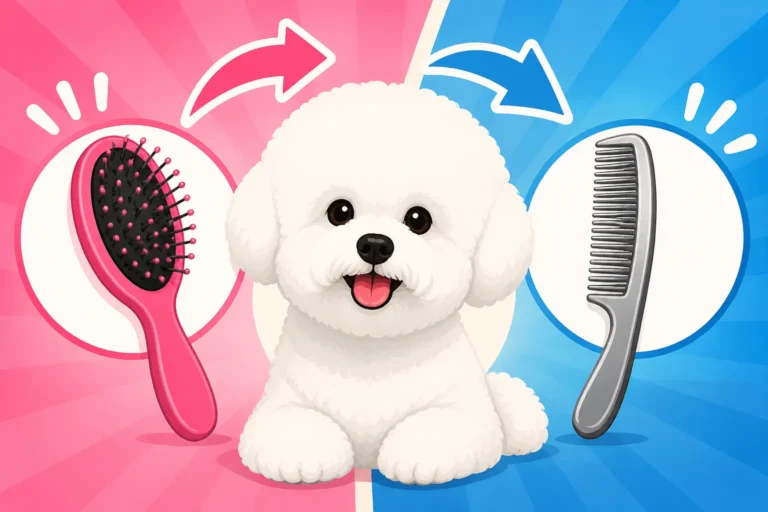
To properly brush your Bichon, you need the right tools: a slicker brush and a metal comb. Start by gently misting their coat with a conditioning spray to help detangle and prevent breakage. Then, use the slicker brush, working in small sections, always brushing down to the skin. Many owners only brush the top layer, which leaves mats festering underneath, so be diligent! Once you've gone over an area with the slicker, follow up with the metal comb. The comb is your mat detector; if the comb can't glide smoothly through the coat from root to tip, you've missed a tangle. Pay extra attention to common matting areas like behind the ears, under the legs, and around the collar. If you find a mat, don't yank it; gently work it out with your fingers and the comb, or use a mat splitter if it's really stubborn. Remember, regular full grooms, usually every 4-6 weeks, are also essential to maintain The Powder Puff Outline a Bichon Frise Is Scissored Into, but daily brushing is your defense between professional visits.
This daily ritual usually takes about 15-30 minutes, depending on the length of their coat and how cooperative your Bichon is feeling that day. Establishing this routine early in puppyhood makes it much easier, as they learn to tolerate and even enjoy the attention. If you wait until they're older and already matted, it becomes a battle. Think of it as a bonding experience, a quiet moment where you connect with your pup, and you’ll both be much happier for it. You can find a great selection of brushes, combs, and conditioning sprays on sites like Chewy or Amazon, making it easy to keep your grooming arsenal stocked. For more on the time commitment, you might find How Long Brushing a Bichon Frise Takes helpful.
Essential Eye and Face Care to Combat Tear Stains
Ah, the dreaded tear stains! This is another common frustration for Bichon Frise owners. Those reddish-brown streaks under their eyes can make even the cleanest Bichon look a bit disheveled. While there are many factors contributing to tear staining, including genetics, diet, and even the pH of their tears, daily cleaning is paramount to managing them. Without it, the moisture under their eyes creates a breeding ground for yeast and bacteria, leading to discoloration and sometimes even skin irritation or odor.
Every day, ideally morning and night, you'll need to gently clean the area around your Bichon's eyes. Use a soft, damp cloth or a specialized eye wipe. Carefully wipe away any crust or discharge, and then gently clean the stained fur. Some owners find that using a non-irritating, pet-safe tear stain remover helps, but consistency is key. Make sure the area is completely dry after cleaning, as lingering moisture encourages staining. You can even use a tiny bit of cornstarch to absorb excess moisture, though be careful not to get it directly in their eyes. For stubborn stains, a professional groomer can sometimes trim the hair very short in that area to help manage it, but it’s a constant battle.
Beyond just cleaning, observe your Bichon's eyes for any signs of excessive tearing, redness, swelling, or discharge that seems unusual. These could indicate an underlying issue like allergies, a blocked tear duct, or even an eye infection, which would warrant a vet visit. While keeping a Bichon perfectly white can feel like a full-time job, managing tear stains is a vital part of their daily care. For more in-depth information, check out The Tear Stains Under a Bichon Frise's Eyes and What Causes a Bichon Frise's Tear Stains.
Routine Ear Checks and Cleaning for Optimal Ear Health
Bichons have beautiful floppy ears, which, while adorable, can create a warm, moist environment perfect for yeast and bacteria to flourish. This makes them prone to ear infections, which are incredibly uncomfortable for your dog and frustrating to treat. Prevention is definitely better than cure, and a quick daily ear check can save you a lot of heartache and vet bills.
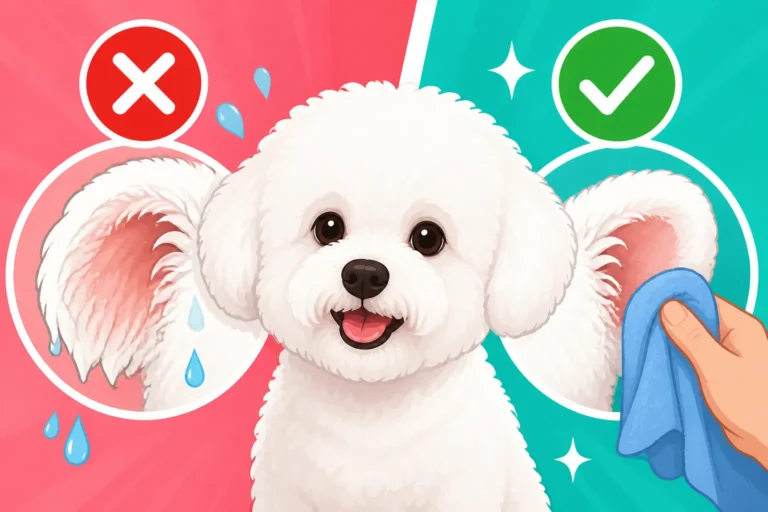
Daily, gently lift your Bichon's ear flaps and take a peek inside. What are you looking for? A healthy ear canal should look clean, pale pink, and free of any odor or excessive wax build-up. If you notice redness, swelling, dark discharge (which often looks like coffee grounds), a foul smell, or if your Bichon is shaking their head, scratching their ears, or rubbing them on furniture, these are all red flags for an ear infection. Don't try to treat a suspected infection yourself; a vet needs to diagnose it and prescribe appropriate medication.
If their ears look healthy but you see a little wax, you can gently clean the outer folds of the ear with a cotton ball dampened with a veterinarian-approved ear cleaner. Never use cotton swabs deep inside the ear canal, as this can push debris further in or damage delicate structures. Many Bichons also have hair growing inside their ear canals, which can trap moisture and debris. While some groomers and vets recommend plucking this hair, others advise against it as it can cause irritation. Discuss the best approach for your individual Bichon with your vet. Consistent attention to their ears, along with The Ears a Bichon Frise Needs Cleaned Every Week, will go a long way in keeping them happy and healthy.
Nutritional Needs and Hydration: Fueling Your Fluffy Companion
What goes into your Bichon's bowl every day has a profound impact on their overall health, energy levels, coat condition, and even their temperament. With so many dog food options out there, it can feel overwhelming to choose the best one, especially when you know Bichons can be prone to specific health issues like bladder stones that diet significantly impacts.
Choosing the Right Diet and Portion Control for Your Bichon Frise
Selecting the right food for your Bichon Frise is about more than just picking something palatable. You need a high-quality dog food appropriate for their life stage (puppy, adult, senior), activity level, and any specific health concerns. Look for foods with real meat as the first ingredient, followed by wholesome grains, vegetables, and fruits. Avoid foods with excessive fillers, artificial colors, or by-products. Many Bichon owners gravitate towards smaller kibble sizes, which are easier for their tiny mouths to chew. Brands like Royal Canin often have breed-specific formulas, but many other high-quality brands are suitable.
Portion control is equally critical. Bichons are small dogs, and it's incredibly easy to overfeed them, leading to obesity. Obesity puts a strain on their joints, heart, and can exacerbate other health issues. Always follow the feeding guidelines on your chosen dog food bag, but remember these are just starting points. Your individual Bichon's metabolism and activity level will dictate their exact needs. A good rule of thumb is that you should be able to easily feel, but not necessarily see, their ribs when you run your hands along their sides. You should also see a discernible waist tuck. Divide their daily food allowance into two meals to help manage hunger and provide steady energy throughout the day. For more details on quantities, see How Much an Adult Bichon Frise Eats Daily.
If your Bichon has specific health concerns, such as a history of bladder stones (which is quite common for the breed), your veterinarian might recommend a prescription diet. These diets are specifically formulated to alter urine pH or reduce certain mineral levels to prevent stone recurrence. If this is the case, sticking to that diet rigorously is crucial. For these specialized foods, you often need a vet's authorization, and you can then purchase them through your vet's office or online retailers like Chewy or Amazon with a prescription. For comprehensive information on how diet impacts stone formation, refer to Feeding a Bichon Frise That Must Not Form Stones.
Ensuring Adequate Water Intake and Hydration Strategies
Hydration is a cornerstone of good health for any dog, but it's particularly important for Bichon Frises, especially those with a predisposition to urinary tract issues. Water helps flush out the urinary system, diluting urine and making it less concentrated, which can help prevent the formation of bladder stones. Unfortunately, getting some dogs to drink enough water can be a challenge for owners.
Your Bichon should always have access to fresh, clean water. This means refilling their bowl at least once a day, and preferably more often, and regularly cleaning the bowl to prevent bacterial growth. Some Bichons are finicky about their water, preferring cold, fresh water, or even bottled water over tap water. Observe your dog's drinking habits. If you notice they aren't drinking much, consider investing in a pet water fountain. Many dogs are intrigued by the running water and tend to drink more from fountains. You can find many options on Amazon or Chewy.
Another excellent strategy to boost water intake is to incorporate wet food into their diet or add water or low-sodium broth to their kibble. Wet food naturally has a much higher moisture content, contributing significantly to their daily hydration. Even adding a few tablespoons of warm water to their dry kibble can make a big difference and sometimes makes the food more appealing too. Regularly encouraging your Bichon to drink, especially after exercise or on warm days, is a daily habit that directly contributes to their long-term health. Dive deeper into this topic with Getting Enough Water Into a Bichon Frise and Whether a Water Fountain Encourages a Bichon Frise.
Navigating Treats and Special Dietary Considerations
Treats are an important part of bonding, training, and simply spoiling our beloved Bichons, but they need to be chosen and portioned wisely, especially if your dog is on a special diet. For a Bichon Frise prone to calcium oxalate stones, for example, many common treats are off-limits because of their high oxalate content (think sweet potatoes, spinach, or certain fruits). This can be a huge frustration, as you want to reward your dog but fear undoing all your hard work with their prescription diet.
If your Bichon is on a prescription urinary diet, it's absolutely crucial that all treats align with that diet. This often means finding specific prescription treats designed for urinary health, or using small pieces of their own prescription kibble as rewards. Deviating from the diet, even with seemingly innocent treats, can negate the preventative effects of the specialized food and lead to stone recurrence. Always check with your veterinarian about appropriate treats if your Bichon has any health conditions.
For Bichons without specific dietary restrictions, choose high-quality, small treats that are easily digestible. Avoid treats with artificial ingredients, excessive sugars, or fats. Many pet stores and online retailers like Chewy offer a wide variety of healthy, natural treats. Remember that treats should make up no more than 10% of your dog's daily caloric intake to prevent weight gain. Consider brands like Ollie if you're looking for fresh, human-grade treats and meals that can be tailored to your dog's specific needs, though always double-check ingredients for any dietary sensitivities your Bichon might have.
Exercise and Play: Keeping Your Bichon Frise Active and Mentally Engaged
Despite their small size and fluffy appearance, Bichon Frises are energetic little dogs that need regular exercise and mental stimulation to stay healthy and well-behaved. Don't let their lapdog reputation fool you; a bored Bichon can quickly become a destructive or overly vocal one.
Daily Walks and Outdoor Adventures for Physical Well-being
A couple of daily walks are essential for your Bichon Frise. These aren't just for potty breaks; they provide crucial physical exercise and mental stimulation. Even a brisk 20-30 minute walk twice a day can make a world of difference. Bichons love to explore new scents, see new sights, and interact with the world around them. Walking helps maintain their muscle tone, keeps their joints limber, and burns off excess energy, preventing boredom-induced behaviors like excessive barking or chewing.
For their safety and comfort, always use a harness instead of a collar when walking your Bichon. Their delicate tracheas can be easily damaged by pulling on a collar. Ensure the harness fits snugly but isn't restrictive. During walks, be mindful of weather conditions. Bichons, with their dense coats, can overheat in hot weather, and their small size makes them susceptible to cold in winter. Shorten walks or opt for indoor play during extreme temperatures. Also, remember to protect their delicate white paws from hot pavement or icy sidewalks.
These daily excursions are a wonderful opportunity for socialization. Exposing your Bichon to different people, other friendly dogs, and various sights and sounds helps build their confidence and good manners. Just make sure interactions are positive and supervised. If you live in an urban environment, you might consider taking your Bichon to a local dog park during off-peak hours for some safe, supervised playtime. The fresh air and change of scenery do wonders for their overall well-being.
Structured Playtime and Indoor Enrichment Activities
Beyond walks, structured playtime is vital for engaging your Bichon's mind and body. Bichons are intelligent and playful dogs who thrive on interaction with their owners. Dedicate at least 15-20 minutes a day to active play sessions. This could involve games of fetch in the living room, a spirited chase with a favorite toy, or even a game of hide-and-seek. Their small size makes them perfect for indoor play, especially on days when outdoor conditions aren't ideal.
Mental enrichment is just as important as physical exercise. Bichons can get bored easily, and a bored dog often finds its own (usually undesirable) entertainment. Puzzle toys, like those found readily on Amazon or Chewy, are fantastic for this. They dispense treats as your dog solves a puzzle, keeping their minds active and satisfied. Lick mats, filled with peanut butter or plain yogurt, can also provide a calming, engaging activity. Rotate toys regularly to keep things fresh and exciting.
Consider short training sessions as another form of mental stimulation. Teaching new tricks or practicing obedience commands for 5-10 minutes each day engages their brain and strengthens your bond. Bichons are surprisingly smart and love to learn, especially when positive reinforcement and tasty treats are involved. This daily mental workout contributes significantly to a well-adjusted and happy Bichon.
Understanding and Enjoying the "Bichon Blitz"
If you own a Bichon Frise, you've undoubtedly witnessed the "Bichon Blitz" or "zoomies." This is when your typically calm and cuddly companion suddenly transforms into a furry white blur, tearing around the house at top speed, often with joyful abandon. This isn't a sign of bad behavior; it's a completely normal, and often hilarious, release of pent-up energy. It's truly a sight to behold, a burst of The Merry Temperament the Bichon Frise Standard Demands in full display.
The Bichon Blitz usually occurs after a bath (they get a burst of energy from being clean and dry!), upon waking up, or sometimes just out of sheer excitement. These episodes are generally short-lived, lasting only a few minutes, but they are intense. Your Bichon might race laps around furniture, jump on and off the couch, and just generally behave like a small, fluffy rocket. As an owner, your role during the Blitz is to ensure their safety. Make sure there are no obstacles they could trip over and that they won't run into anything dangerous.
While the Blitz is a natural energy release, consistent daily walks and play sessions can help reduce its frequency or intensity. If your Bichon is having constant, very long "Blitz" sessions, it might indicate they aren't getting enough consistent exercise or mental stimulation throughout the day. Embrace these moments as a testament to your Bichon's joyful spirit, but also use them as a reminder to ensure their daily exercise needs are being met. For more on this delightful phenomenon, explore The Bichon Blitz and What It Means.
Training, Mental Stimulation, and Affection
Bichon Frises are intelligent and eager to please, making them generally trainable, but they thrive on consistency and positive reinforcement. Beyond formal training, their daily need for mental engagement and affection is paramount to their emotional well-being.
Consistent Reinforcement of Basic Commands and Good Manners
Daily, short training sessions, even just 5-10 minutes each, are incredibly beneficial for a Bichon Frise. These aren't just about teaching new tricks; they reinforce basic obedience commands like sit, stay, come, and leash manners. Consistency is the magic word here. Everyone in the household needs to use the same commands and expectations. If one person allows jumping on the couch and another punishes it, your Bichon will get confused, and progress will stall.
Bichons respond incredibly well to positive reinforcement, meaning rewarding desired behaviors with treats, praise, or a favorite toy. Harsh corrections or punishment can make them anxious and less willing to learn. Given their sensitivity, gentle guidance and patience yield the best results. Daily practice keeps their minds sharp, solidifies their understanding of what's expected of them, and reinforces their good behavior. This is especially important for areas like housetraining, where consistency is absolutely key. Many Bichon owners find housetraining particularly challenging, so daily diligence and a routine are paramount. You can read more on this common frustration in Why a Bichon Frise Is Famously Hard to Housetrain.
Beyond formal commands, daily reinforcement of good manners, such as not jumping on guests or waiting patiently for their food, helps them become well-adjusted family members. These small, consistent efforts every day prevent minor issues from becoming major behavioral problems down the line. Remember, a well-trained dog is a happier dog, and a happier dog makes for a happier owner.
Providing Intellectual Challenges with Toys and Puzzles
Just like humans, dogs need mental exercise to prevent boredom and stimulate their brains. For an intelligent breed like the Bichon Frise, providing daily intellectual challenges is crucial. Simply throwing a ball might tire them physically, but it doesn't engage their problem-solving skills. This is where puzzle toys, snuffle mats, and interactive feeders come into play.
Puzzle toys, which require your Bichon to figure out how to get a treat, are fantastic for mental stimulation. These range from simple treat-dispensing balls to more complex puzzles with moving parts and compartments. Introducing a new puzzle toy or rotating existing ones every few days keeps things fresh and exciting. Snuffle mats, where treats are hidden within fabric strips, encourage their natural foraging instincts. These activities can keep a Bichon engaged and focused for extended periods, providing a wonderful outlet for their energy when you might not be able to actively play with them. You can find a vast array of these enrichment tools on platforms like Amazon or Chewy.
Even something as simple as a scavenger hunt for kibble around the house can be a great mental workout. Hide small portions of their daily meal in various spots, encouraging them to use their nose and brain to find it. These daily intellectual challenges not only prevent boredom and destructive behaviors but also boost their confidence and give them a sense of accomplishment.
The Indispensable Role of Daily Affection and Social Connection
Bichon Frises are renowned for their affectionate, cheerful, and people-oriented personalities. They were bred to be companions, and as such, their daily need for human interaction and affection is profound. They are not dogs that thrive being left alone for long stretches without attention. Depriving a Bichon of daily affection can lead to anxiety, sadness, and behavioral issues like excessive barking or clinginess.
Every single day, your Bichon needs quality time with you. This isn't just about sharing space; it's about active engagement. This could be cuddling on the couch, gentle belly rubs, a massage after a walk, or simply talking to them throughout the day. They thrive on being part of the family activities. Many Bichons truly are Whether a Bichon Frise Is a Lap Dog, perfectly content to curl up beside you while you work or relax. Their joyful demeanor and desire to be close is one of their most endearing qualities, and nurturing this connection daily is essential for their emotional health.
For multi-dog households, ensure each Bichon (or other dog) gets individual attention. For single Bichons, you are their world, and they need to feel that reciprocated. This daily dose of affection strengthens your bond, builds trust, and allows them to feel secure and loved. It's a key ingredient in raising a happy, well-adjusted Bichon Frise and truly brings out Whether a Bichon Frise Is Genuinely Cheerful.
Routine Health Checks and Home Preventative Care
While professional veterinary check-ups are essential, many aspects of preventative health care start right at home with daily owner vigilance. By incorporating a few simple observations and tasks into your routine, you can catch potential health issues early and keep your Bichon in top condition.
Daily Observation of Your Bichon Frise's Wellness Signals
Think of yourself as your Bichon's first line of defense against illness. Every day, take a few moments to observe their overall demeanor. Are they eating and drinking normally? Is their appetite consistent? Are they eager for walks and playtime, or do they seem lethargic or withdrawn? Are their stools normal in consistency and frequency? Any changes in these basic daily routines can be an early indicator that something isn't quite right.
Pay attention to their physical appearance too. Is their coat shiny and healthy, or do you notice any new lumps, bumps, redness, or excessive shedding? Are their eyes bright and clear, or are they watery, cloudy, or red? Are their ears clean and odor-free? Is their nose moist and cool, or dry and crusty? Even subtle changes in their breathing, gait, or how they carry themselves can signal an underlying problem. Because Bichons are often masters of hiding discomfort, your keen daily observation is incredibly important. A quick, head-to-tail once-over while you're cuddling or brushing them can become a routine part of catching issues early.
If you spot anything concerning, don't hesitate to contact your veterinarian. It’s always better to be safe than sorry. Often, early detection leads to easier and more successful treatment outcomes. This daily vigilance is particularly vital for a breed like the Bichon Frise, which is prone to certain health conditions.
Maintaining Oral Hygiene for Dental Health
Dental disease is one of the most common health problems in small breed dogs like the Bichon Frise. Without daily care, plaque and tartar can rapidly build up on their teeth, leading to bad breath, gingivitis, painful infections, and eventually tooth loss. These infections can also spread to other organs, impacting overall health and potentially shortening their lifespan. It's a silent problem that can cause immense discomfort, and many owners are surprised by the extent of dental issues found during routine vet visits.
The gold standard for preventing dental disease is daily tooth brushing. Yes, daily! Use a dog-specific toothbrush and toothpaste (never human toothpaste, as it contains ingredients toxic to dogs). Start slowly and make it a positive experience with praise and treats. Even just brushing the outer surfaces of their teeth for a minute or two can make a huge difference. If daily brushing isn't feasible, aim for every other day, and supplement with other dental hygiene methods.
Other tools that can help maintain dental health include dental chews (choose veterinarian-approved options, as some can be too hard and fracture teeth), water additives, and dental-specific diets. These should always be used in conjunction with, not as a replacement for, brushing. Regular professional dental cleanings under anesthesia, performed by your veterinarian, are also often necessary to remove tartar that brushing can't tackle. Your daily commitment to their oral hygiene will prevent pain and costly dental procedures down the road.
Nail Trimming and Paw Pad Care
Your Bichon Frise's paws are their foundation, and keeping them healthy is crucial for their comfort and mobility. Long nails can cause pain, make walking difficult, and even lead to splayed toes or paw injuries. They can also affect their posture and put strain on their joints. For a small dog that loves to scamper, healthy paws are non-negotiable.
Ideally, your Bichon's nails should be trimmed every 2-4 weeks, or whenever you hear them clicking on the floor. If you're new to nail trimming, ask your groomer or vet to show you how to do it safely. Use sharp dog nail clippers or a dremel tool. Be very careful to avoid cutting the quick (the sensitive part of the nail that contains blood vessels and nerves), as this is painful and will make your dog fearful of future trims. Many Bichons have clear nails, making the quick easier to see, but if your Bichon has dark nails, it can be trickier. Make it a positive experience with treats and praise, building their confidence over time.
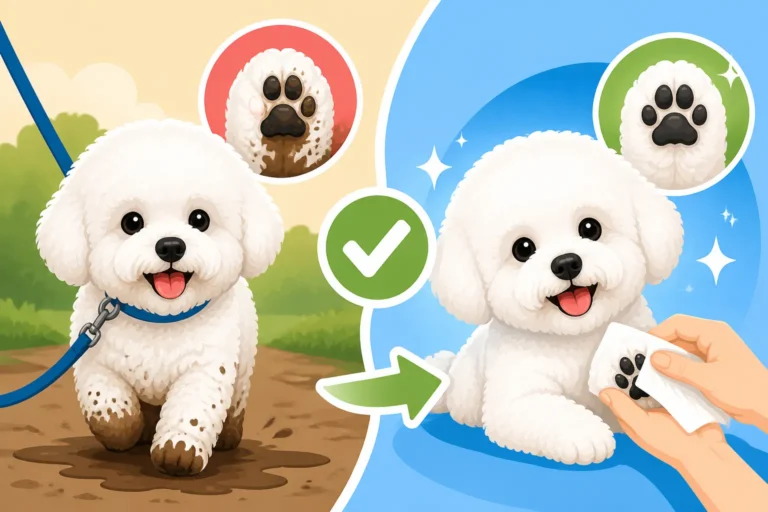
Beyond nails, regularly check their paw pads. Look for any cuts, cracks, tenderness, or foreign objects like burrs or pebbles, especially after walks. Paw pads can become dry and cracked, particularly in harsh weather. You can apply a pet-safe paw balm to moisturize and protect them. Also, keep the hair between their paw pads trimmed short. This prevents matting, which can be painful, and reduces the amount of dirt and debris they track into the house. A quick daily check and occasional trim will ensure your Bichon's feet stay happy and healthy for all their daily adventures.
Establishing and Adapting a Consistent Daily Schedule
Dogs thrive on routine and predictability, and a Bichon Frise is no exception. A consistent daily schedule provides a sense of security, reduces anxiety, and helps you manage their needs effectively. While life inevitably throws curveballs, having a framework makes adjusting much easier.
The Comfort and Security of a Predictable Routine
Imagine your own day without a schedule – it would be chaotic and stressful, right? Dogs feel the same way. A predictable routine for feeding, potty breaks, walks, playtime, and rest times helps your Bichon understand what to expect throughout the day. This structure provides a sense of security and reduces anxiety, as they know when their needs will be met. This is particularly beneficial for puppies during housetraining and for sensitive adult dogs who prefer things to be consistent.
When your Bichon knows, for example, that breakfast is at 7 AM, a walk follows, and then a period of quiet time, they are less likely to exhibit anxious or demanding behaviors. They learn to settle and wait patiently. Without a routine, a dog might constantly demand attention, bark excessively, or have accidents because they don't know when their next potty break is coming. Establishing this rhythm early on sets the stage for a well-behaved and emotionally balanced companion.
For example, a typical daily routine might involve an early morning potty break and breakfast, followed by a morning walk and some playtime. Mid-day might include another potty break and a quick cuddle. The afternoon could involve another walk, some training, and an enrichment activity with a puzzle toy. Evening wraps up with dinner, a final potty break, and quiet time or cuddling before bed. This consistent framework allows both you and your Bichon to navigate the day smoothly.
Crafting a Daily Schedule for Different Life Stages
The "perfect" daily schedule isn't a one-size-fits-all solution; it needs to be tailored to your Bichon Frise's specific life stage and individual needs. A puppy's schedule will look very different from an adult's or a senior's.
Puppy Schedule (8 weeks – 6 months): Young Bichon puppies have tiny bladders and boundless energy, requiring frequent potty breaks (often every 1-2 hours while awake, immediately after waking, eating, or playing), multiple small meals (3-4 times a day), and short, frequent play and training sessions. They also need lots of naps throughout the day. Consistency here is paramount for successful housetraining and early socialization. This stage demands a significant time commitment, but the effort pays off immensely in building a well-adjusted adult.
Adult Schedule (6 months – 7 years): As your Bichon matures, their bladder control improves, and their feeding schedule can typically shift to two meals a day. Exercise needs remain important, with two daily walks and dedicated playtime. Grooming and dental care are still daily requirements. This is often the most stable period, where a consistent, predictable routine truly shines.
Senior Schedule (7+ years): Older Bichons often slow down, may need more frequent, shorter potty breaks due to aging bladders, and might prefer gentler exercise. Their joints may ache, so careful grooming on a comfortable surface is important. They might sleep more, but still cherish mental stimulation and affection. Dietary needs may change, requiring senior-specific food. Caring for a Bichon Frise Past Eleven provides excellent insights into adapting your routine for an aging dog. Regularly assessing their comfort and adjusting the routine to accommodate their changing physical needs is a loving part of senior care.
Flexibility and Adaptation for Life's Little Surprises
While routine is incredibly valuable, life isn't always perfectly predictable. It's important to build a certain degree of flexibility into your mindset when it comes to your Bichon's daily schedule. There will be days when you're unexpectedly busy, the weather is terrible, or your Bichon isn't feeling 100%. The key is to adapt without completely abandoning the core structure.
On days when a long walk isn't possible, compensate with extra indoor playtime or a mentally stimulating puzzle toy. If you're running late, prioritize the essential potty breaks and feeding, and shorten playtime for that day. Dogs are remarkably resilient and can handle occasional deviations, especially if their overall routine is consistent. The goal isn't rigid adherence to the minute, but rather a consistent pattern that provides comfort and security.
Even during travel or changes in your own schedule, try to maintain as much of your Bichon's routine as possible. Bringing their usual food, bed, and toys can help them feel more secure in new environments. A well-adjusted Bichon, accustomed to a routine but also exposed to gentle variations, will be more adaptable and less stressed by life's inevitable surprises. Your daily dedication to their care, both in structure and in flexible love, is what truly makes a happy and healthy Bichon Frise.
Disclaimer
This article is for general informational purposes only and does not constitute professional advice. Laws, prices and regulations vary by location and change over time. Consult a qualified professional for guidance on your specific situation.