Whether a Bichon Frise Sits Still for a Head Trim
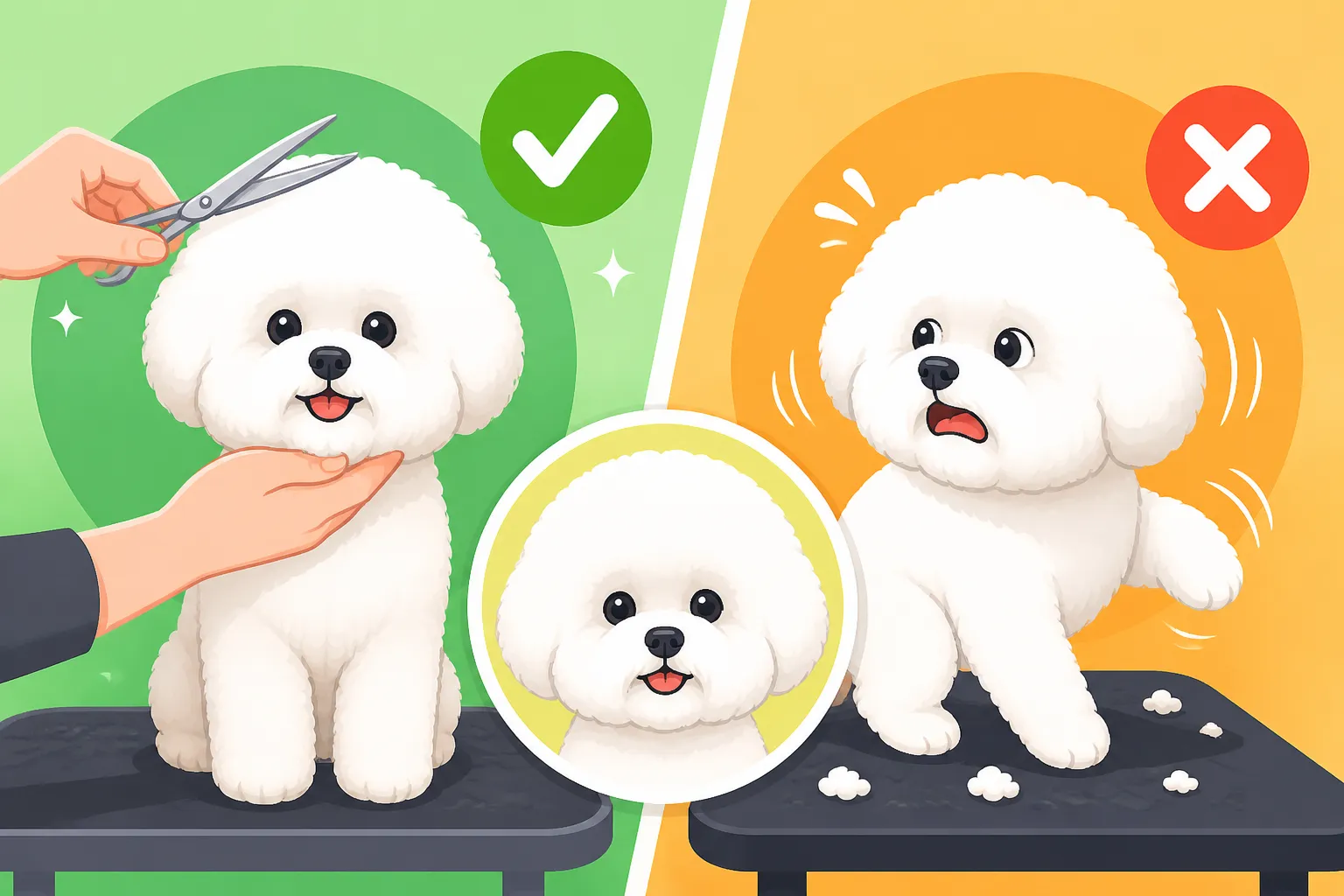
Oh, the infamous head trim! If you're a Bichon Frise parent, you've likely experienced the unique challenge of trying to get that adorable, fluffy cotton ball of a head perfectly sculpted while your dog wiggles, ducks, or simply decides "nope, not today." It can feel like a losing battle, turning a necessary grooming routine into a frustrating and even stressful ordeal for both you and your sweet companion. This guide is dedicated to helping you understand why head trims are such a sticky wicket for Bichons and offering practical, empathetic strategies to make the experience much calmer and more positive for everyone involved.
Why Head Trims Are Such a Tricky Business for Bichons
Let's be real, grooming a Bichon Frise isn't for the faint of heart, and the head trim is often the grand finale of the challenge. There are several reasons why this particular part of grooming often leads to a dance-off between owner and dog, and understanding them is the first step toward finding a smoother path.
The Sensitivity of the Head and Face Area
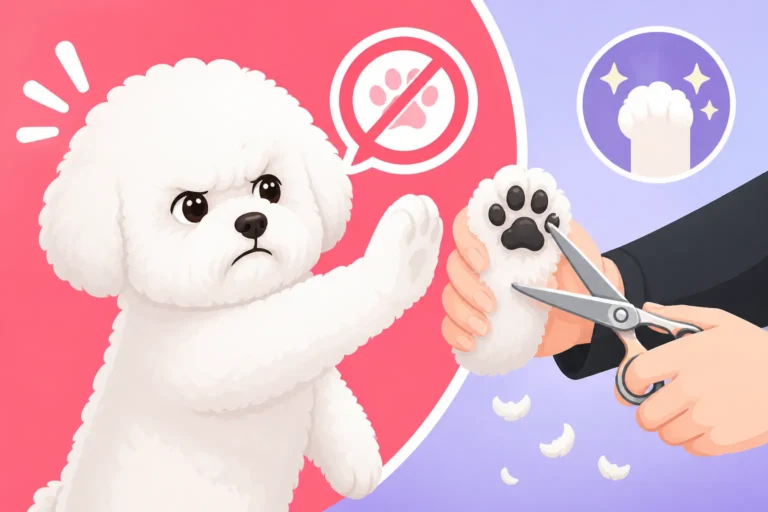
Think about it: the head and face are incredibly sensitive areas for any dog, and Bichons are no exception. Their eyes, ears, and muzzle are vital sensory organs, and anything approaching them, especially sharp scissors or noisy clippers, can trigger a natural aversion. Even the gentlest touch around their eyes or whiskers can feel unsettling. It's not usually defiance; it's often a deeply ingrained instinct to protect vulnerable spots.
For many Bichons, early experiences can set the tone. If a puppy has a negative or even just an uncomfortable encounter with grooming around its face – perhaps a quick nip, an eye poked with a comb, or a sudden, loud noise from clippers – that memory can stick. They don't differentiate between a loving owner and a professional groomer in that moment; they just remember the discomfort or fear associated with the tools or the restraint. This makes subsequent attempts even harder, as they anticipate the unpleasantness. You might even find your Bichon struggling when you try something as simple as wiping away tear stains, which only highlights this inherent sensitivity.
Breed Temperament and Energy Levels
Bichon Frises are renowned for their joyful, merry temperament. They're often playful, curious, and brimming with energy. While this makes them wonderful companions, it can also translate into a predisposition for wiggling, squirming, and a general difficulty staying still for extended periods, especially when something as boring (to them) as a head trim is happening. The breed standard calls for a "merry" disposition, and sometimes that merriness expresses itself as a lack of patience for stillness.
Puppies, in particular, are bundles of boundless energy, and expecting them to remain motionless for five to ten minutes while you meticulously sculpt their head can be an unrealistic expectation. Even adult Bichons can have short attention spans when it comes to grooming. They'd much rather be chasing a ball, exploring the yard, or cuddling on your lap than holding still on a grooming table. It’s part of their charm, but it's certainly a hurdle when you're trying to achieve that perfect fluffy head. This inherent playfulness means you need to get creative with your training, making it feel less like a chore and more like a game. You might also notice their energy bursts in other ways, like the famous "Bichon Blitz" where they race around the house.
Setting the Stage for Success: Training for Cooperative Grooming
The good news is that with patience, consistency, and the right approach, you absolutely can teach your Bichon Frise to tolerate, and even enjoy, their head trims. It’s all about building positive associations and making them feel safe.
Desensitization and Positive Reinforcement
This is the cornerstone of cooperative grooming. Instead of forcing your Bichon into a full head trim session, break it down into tiny, manageable steps and reward heavily for compliance. Start by simply touching their head and face gently, then immediately follow with a high-value treat and praise. Repeat this many times a day, in short bursts. Don't even bring out the tools yet. The goal is to create a positive emotional response to being touched in those areas.
Once they're comfortable with gentle touch, introduce the grooming tools, but without using them. Let your Bichon sniff the comb and scissors. Hold the closed scissors near their face, give a treat. Open and close the scissors quietly nearby, treat. Gradually build up to touching their face with the blunt side of the scissors or the comb for just a second, then treat. The key is to never push past their comfort level. If they show any signs of stress, stop and go back to an easier step. If you're struggling to get started or need a structured approach, online training programs can be incredibly helpful. Resources like BAXTER & Bella offer comprehensive puppy training courses that often include cooperative care modules, guiding you through these desensitization steps systematically. Remember, the idea is to prevent them from developing a fear of tools or the grooming process, as a Bichon who fears the groomer after pain can be very difficult to work with.
Short, Frequent Sessions and High-Value Rewards
Lengthy grooming sessions are a recipe for disaster with a Bichon Frise. Their attention spans are short, and their patience wears thin quickly. Instead, aim for very short, frequent sessions throughout the day. Maybe just one minute in the morning, another at lunchtime, and one more in the evening. During these sessions, focus on just one tiny aspect of the head trim – perhaps just trimming a few hairs above one eye, or around the ears.
Use high-value rewards that your Bichon absolutely loves. This might be a dollop of peanut butter on a lick mat, a tiny piece of cooked chicken, or their favorite squeaky toy. The reward should be given immediately after they show compliance, even if it's just for a few seconds of stillness. Over time, you can gradually increase the duration of stillness you ask for before giving the reward. Think of it as a game where they earn delicious prizes for being a good sport. This approach aligns with broader training principles, such as How Fast a Bichon Frise Learns a New Cue – short, positive sessions are always more effective.
Establishing a Consistent Routine and Environment
Dogs thrive on routine. Try to establish a consistent time and place for grooming sessions. A dedicated grooming table, even a small one you can put on a sturdy surface, helps signal to your Bichon that it's "grooming time." The height of the table can also make it easier for you to access their head without bending awkwardly, and for some dogs, being elevated helps them understand that it's a specific activity, not playtime on the floor.
Ensure the environment is calm and free of distractions. Turn off the TV, put away noisy toys, and ensure other family members aren't interrupting. Soft, calming music might even help. The more predictable and calm the experience, the less anxious your Bichon will be. This consistency helps them understand expectations and reduces their urge to fight against the process. Even a simple What a Home Grooming Kit Costs a Bichon Frise Owner will likely include basic items to help establish this routine.
Essential Tools and Techniques for a Smooth Head Trim
Having the right tools and knowing how to use them safely is paramount when trimming your Bichon's head. Safety first, always!
Choosing the Right Scissors and Combs
For head trims, safety is key. Invest in a good pair of blunt-nosed grooming scissors. These have rounded tips, significantly reducing the risk of accidentally poking an eye or nostril if your Bichon makes a sudden movement. You'll also want a fine-toothed comb to separate the hair and check your work.
| Tool Type | Purpose | Key Feature for Head Trims |
|---|---|---|
| Blunt-nosed Scissors | Trimming hair around eyes, muzzle, and ears | Rounded tips to prevent accidental pokes |
| Straight Scissors | Shaping the overall roundness of the head and topknot | Sharp blades for clean cuts, used with extreme caution |
| Thinning Shears | Blending lines, softening edges, creating a natural look | Toothed blade for less aggressive removal and softer finish |
| Fine-toothed Comb | Combing out mats, separating hair, checking for evenness | Essential for precise work and fluffing the coat |
| Slicker Brush | Removing loose hair, fluffing the coat before trimming | Helps create the "powder puff" look |
You can find a great selection of these specialized grooming tools on Amazon, often with reviews from other pet parents that can help you choose. Remember that a good comb should also follow your brush, ensuring no tangles are left behind that might pull during scissoring. The goal is to achieve that beautiful The Powder Puff Outline a Bichon Frise Is Scissored Into, and the right tools make all the difference.
Proper Technique for Safe and Effective Trimming
Always work with a clean, thoroughly brushed and combed coat. Mats and tangles will pull and make the process uncomfortable. Use a slicker brush and a metal comb to ensure the hair is free of knots. For the head, specifically, you want to use a comb to lift the hair and then cut just the tips, working slowly and methodically. This is often referred to as scissoring, and it helps maintain the desired soft, fluffy texture unique to the Bichon.
When trimming around the eyes, always place your non-dominant hand firmly but gently on your Bichon's forehead or under their chin to stabilize their head. Use your fingers to hold the skin taut and gently push the eyelid up or down, exposing the hair you need to trim. Always point the blunt tips of the scissors away from the eye. For the muzzle, comb the hair forward and then trim the ends to create a neat, rounded appearance. For the ears, trim around the edges and blend the hair on the ear leather into the head coat. If you want to learn more about comprehensive grooming, articles like Teaching a Bichon Frise to Hold Still on a Table and Getting a Bichon Frise Used to Scissors can provide additional insights.
Creating a Calm and Positive Grooming Experience
Beyond the physical techniques, your demeanor plays a huge role. Stay calm, speak in a soothing voice, and offer constant praise. If you get frustrated or stressed, your Bichon will pick up on that energy, making them more anxious and less cooperative. It's a feedback loop.
Take frequent short breaks. If your Bichon starts to get restless, stop, give them a quick cuddle, a tiny treat, and then resume. Don't feel like you have to get the entire head done in one go. Even if you only manage one small section at a time, it’s a win. The ultimate goal isn't just a perfectly trimmed head; it's a Bichon who tolerates the process and trusts you. This long-term trust is far more valuable than a pristine haircut achieved through struggle. Consistent home brushing can also make professional salon visits much easier, reinforcing the idea that grooming is a positive experience.
When to Call in the Professionals and Other Considerations
Sometimes, despite your best efforts, certain aspects of grooming, especially the detailed head trim, might require a professional touch. Knowing when to seek help is a sign of a responsible pet parent.
Enlisting the Help of a Professional Groomer
If you're finding the head trim consistently overwhelming, or if your Bichon is genuinely distressed despite your training efforts, don't hesitate to consult a professional groomer. Experienced groomers have specialized tools, techniques, and the knack for handling even the most wiggly dogs. They can often achieve in minutes what might take you an hour of struggle. A good groomer understands the Bichon Frise breed standard and can create that beautiful powder puff outline.
When choosing a groomer, look for one who prioritizes positive reinforcement and gentle handling. Ask about their approach to fearful or difficult dogs. A groomer who uses force or intimidation will only reinforce your Bichon's negative associations. Many groomers are happy to work with you, giving tips for at-home maintenance and even allowing short "happy visits" where your Bichon just gets praise and treats without any actual grooming, helping to build positive associations with the salon environment. You might even find that Whether a Groomer Refuses a Difficult Bichon Frise is a real concern, so finding the right fit early on is important.
Veterinary Assistance for Extreme Cases
In rare instances, if a Bichon Frise is extremely anxious, aggressive, or phobic about grooming to the point where it's dangerous for both the dog and the handler, veterinary intervention might be necessary. This doesn't mean sedation for every trim, but rather working with your vet to rule out underlying pain (like ear infections or skin sensitivities, which might make Handling a Bichon Frise Whose Skin Is Sore particularly challenging) or anxiety issues. Your vet might recommend anti-anxiety medications or behavioral modification plans to help your Bichon cope with the stress of grooming. This is always a last resort, but it's important to know it's an option if all other methods fail.
A Bichon's fear of grooming can sometimes stem from pain or discomfort, so a thorough vet check is always a good idea if their resistance is sudden or extreme. If you notice signs like shaking their head frequently, they might have Recurrent Ear Infections in a Bichon Frise, making the ear area painful to touch.
Maintaining the Trim Between Professional Visits
Even if you rely on a professional groomer, regular at-home maintenance is crucial. This means daily brushing and combing, especially around the face and ears, to prevent mats. It also means gently wiping away tear stains daily and keeping the hair out of their eyes. These small, consistent efforts not only keep your Bichon looking tidy but also maintain their comfort level with handling, making professional trims easier and less frequent.
Think of it as partnership: the groomer does the heavy lifting for the major shaping, and you do the daily touch-ups to keep things neat and reinforce positive handling. This teamwork ensures your Bichon Frise always looks their best and remains a happy, cooperative participant in their grooming journey. Consistent care can also reduce the overall How Often a Bichon Frise Needs a Full Groom, making it a win-win for everyone.
Disclaimer
This article is for general informational purposes only and does not constitute professional advice. Laws, prices and regulations vary by location and change over time. Consult a qualified professional for guidance on your specific situation.