How Fast a Bichon Frise Learns a New Cue
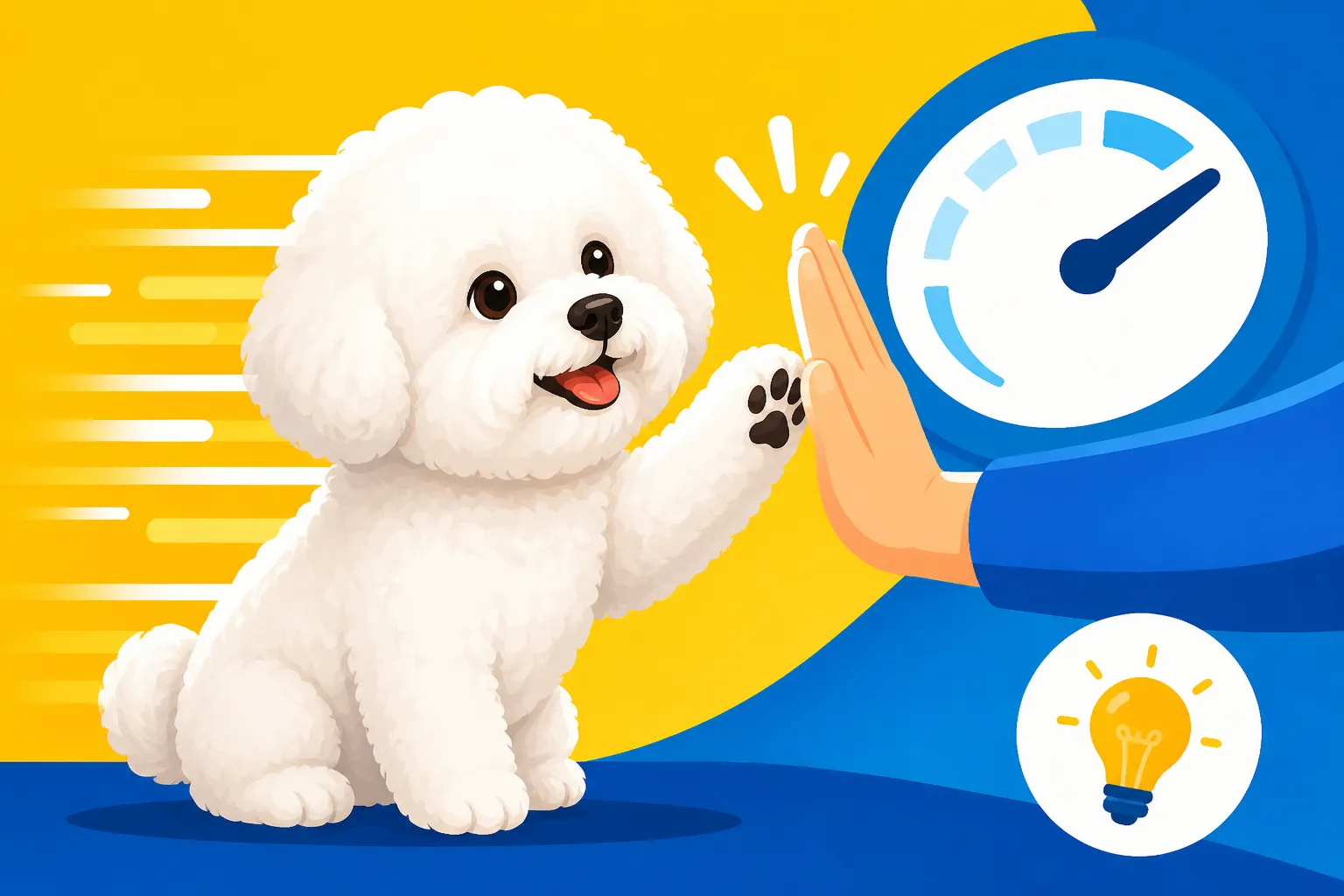
It can be incredibly frustrating when you're trying to teach your beloved Bichon Frise a new command, and it feels like they're just not "getting it." You see other dogs seemingly pick up tricks in minutes, and you wonder if your fluffy companion is just exceptionally stubborn or if there's something you're doing wrong. This comprehensive guide will explore the various factors that influence how quickly a Bichon Frise learns a new cue, offer practical strategies to speed up the process, and help you understand your little cloud's unique learning curve.
Understanding the Bichon Frise Learning Style
Bichon Frises are often described as intelligent and charming little dogs, and they certainly live up to that reputation. However, their intelligence sometimes comes with a mischievous streak and a desire to please themselves as much as they please you! Understanding their inherent characteristics can shed a lot of light on their learning speed.
Their Intelligence and Trainability
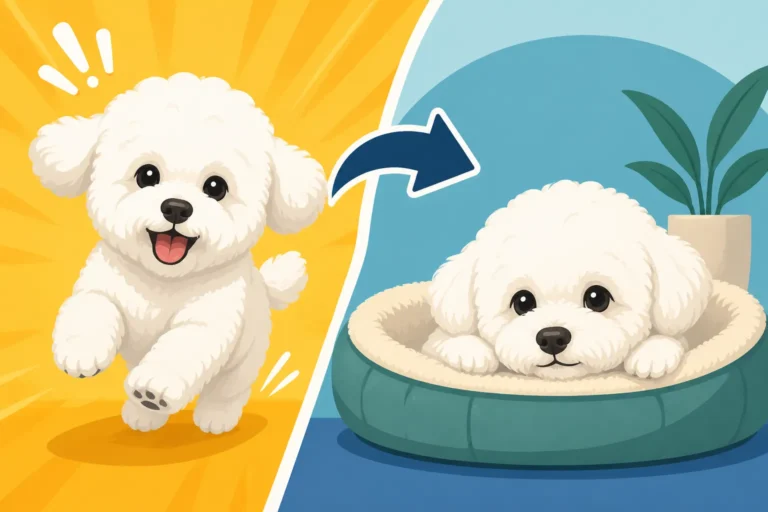
Don't let their fluffy, innocent looks fool you; Bichons are smart cookies. Historically, they were bred as companion dogs and even performed in circuses, which speaks volumes about their capacity for learning and their eagerness to engage. They can absolutely learn a vast array of cues, from basic obedience like "sit" and "stay" to more complex tricks. The key isn't their ability to learn, but often their motivation and the clarity of your communication. They thrive on positive interaction and praise, and they pick up patterns quickly. If you're consistent and make learning fun, you might be surprised at how fast a Bichon Frise can connect a word or hand signal to an action. They often do well in structured environments that are clear and predictable, which helps them feel secure and focus.
Motivation and Distraction
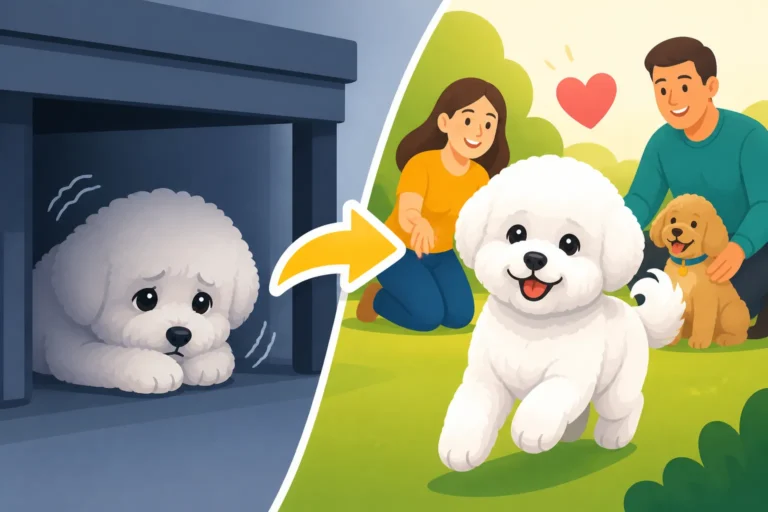
Bichons are generally very people-oriented dogs, which can be a huge advantage in training. They often seek human attention and affection, making them receptive to rewards like praise, gentle petting, and tasty treats. However, their lively, curious nature also means they can be easily distracted. A new smell, a sound outside, or even a sudden movement can break their focus in an instant. This isn't stubbornness; it's just a reflection of their keen senses and playful spirit. When starting a new cue, finding a quiet, low-distraction environment is crucial. Once they've grasped the cue in a calm setting, you can gradually introduce distractions to proof their understanding. Think of it like a child learning to read – you wouldn't expect them to concentrate in a busy playground initially. Whether a Bichon Frise Works for Food or Praise is a good question to explore for motivation, as individual dogs have different preferences.
Short Attention Spans
While intelligent, Bichons, like many small breeds, can have relatively short attention spans, especially when they are puppies or if the training session isn't engaging. This means that long, drawn-out training sessions are often counterproductive. Instead of pushing for perfection over 20 minutes, aim for multiple short bursts of training throughout the day. Five-minute sessions, two or three times a day, are far more effective than one long, boring session where both you and your Bichon lose interest. These short sessions keep the training fresh, prevent frustration, and ensure that your Bichon is more likely to retain what they've learned because it's always ending on a positive note.
Factors Influencing Learning Speed in Bichons
Several elements can dramatically impact how quickly your Bichon Frise picks up new cues. Understanding these can help you tailor your approach for maximum success.
Age and Previous Experience
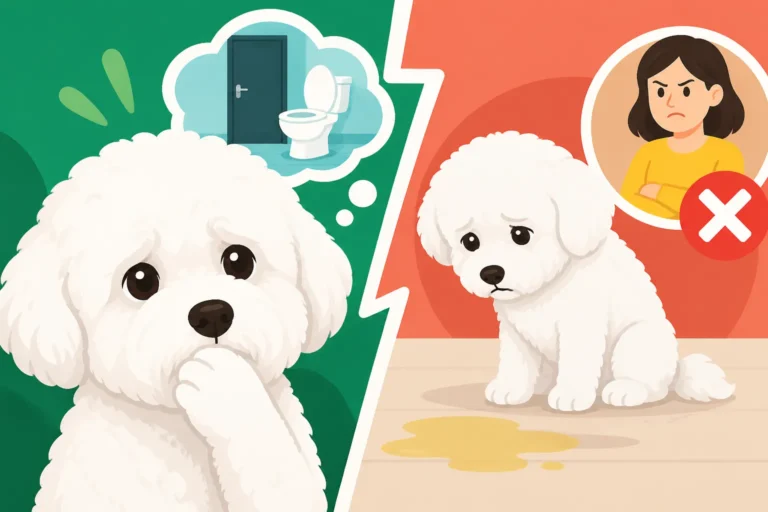
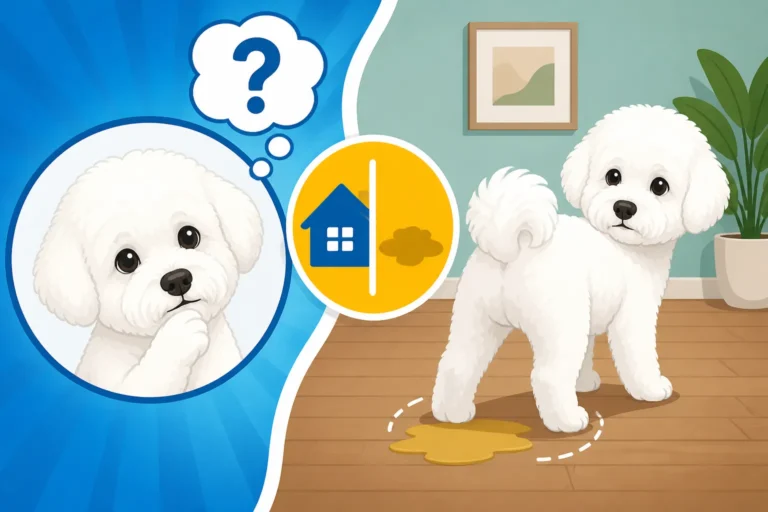
Just like humans, puppies learn differently from adult dogs. A young Bichon puppy is like a sponge, soaking up new information and experiences, but they also have very limited bladder control and even shorter attention spans. Housetraining, for example, is a significant early challenge where their physical development plays a huge role. How Many Weeks a Bichon Frise Takes to Be Clean will give you a realistic timeline. Older Bichons, especially those with some prior training or who have been in a consistent routine, might actually learn new cues faster because they already understand the concept of "learning" and responding to human commands. However, an older rescue Bichon with no prior training or a history of neglect might need more patience and a different approach to build trust and overcome any learned fears or habits. Consistency, regardless of age, remains paramount.
Trainer Consistency and Clarity
This is perhaps the single biggest factor in how fast a Bichon Frise learns a new cue. Dogs are creatures of habit and thrive on predictability. If everyone in the household uses different words for the same action (e.g., "sit," "butt down," "park it"), or if cues are given inconsistently (sometimes rewarding, sometimes not), your Bichon will be confused and learning will slow to a crawl. Use the exact same word and exact same hand signal every single time. Reward immediately and consistently when they perform the desired action. Even slight variations can be a major hurdle for your dog. For structured guidance, online training platforms like BAXTER & Bella offer comprehensive programs that can help all family members stay on the same page with commands and methods, ensuring crystal clear communication for your Bichon.
Environment and Distractions
As mentioned, Bichons can be easily distracted. Trying to teach a new "stay" command at a bustling dog park is setting both of you up for failure. Start in a quiet room with no other pets, no loud noises, and no tempting toys within reach. As your Bichon masters the cue in this controlled environment, you can gradually introduce more distractions. Take them to a slightly busier room, then outside in the yard, then to a quiet park. This process, known as "proofing," helps generalize the behavior so your Bichon understands the cue applies everywhere, not just in the living room. Imagine trying to learn a complex math problem with a loud TV on and people talking – it's tough! Your Bichon feels the same way.
Health and Comfort
It's impossible for any dog to learn effectively if they're not feeling well. An underlying health issue can significantly impact their ability to focus, their energy levels, and even their temperament. For instance, a Bichon suffering from discomfort due to skin allergies might be constantly scratching or licking, making them less receptive to training. Whether an Itchy Bichon Frise Is Grumpier is a real concern. Similarly, urinary issues like bladder stones, which Bichons are prone to, can cause discomfort and make house training especially challenging, as the dog may have increased urgency. Whether Frequent Squatting Means Stones Not Training highlights how a physical problem can be misinterpreted as a training failure. Always ensure your Bichon is healthy and comfortable before expecting them to engage in rigorous training. Regular vet check-ups are essential to rule out any medical conditions that might be hindering their learning progress.
Effective Strategies for Teaching New Cues
When you're ready to teach your Bichon Frise a new cue, having a game plan will make the process smoother and faster.
Positive Reinforcement is Key
Bichons respond beautifully to positive reinforcement. This means rewarding desired behaviors, not punishing mistakes. Punishment can create fear and anxiety, damaging your bond and making your Bichon hesitant to try new things. Instead, when your Bichon performs the action you want, immediately follow it with something they love: a high-value treat, enthusiastic praise, or a favorite toy. The timing is critical – the reward must come within 1-2 seconds of the desired behavior so they can clearly connect the action to the treat. Clicker training, using a clicker from a reliable source like those found on Amazon, can be incredibly effective because the "click" is a precise marker signaling exactly when they did something right, followed by the reward.
Here's a quick comparison of effective vs. ineffective reinforcement:
| Strategy Aspect | Effective Approach | Ineffective Approach |
|---|---|---|
| Timing of Reward | Immediate (within 1-2 seconds) | Delayed (seconds or minutes later) |
| Type of Reward | High-value treats, enthusiastic praise, favorite toy | Mild praise, no treat, or an unwanted reward |
| Consistency | Every time the desired behavior occurs (initially) | Inconsistent; sometimes rewarded, sometimes not |
| Emotional Tone | Calm, happy, encouraging | Frustrated, angry, impatient |
| Environment | Low distraction, quiet | High distraction, noisy |
Keep Sessions Short and Fun
As we discussed, Bichons have short attention spans. Aim for 3-5 minute training sessions, several times a day. End each session on a high note, even if it's just practicing a cue they already know perfectly. This leaves them wanting more and makes training a positive experience. If you notice your Bichon starting to get bored, frustrated, or distracted, it's time to stop and try again later. Trying to push through when they've "checked out" will only make them associate training with negativity. Think of these short bursts as mini-games rather than formal lessons.
Break Down Complex Cues
Some cues are more complex than others. If you're trying to teach something like "stay," don't expect your Bichon to hold it for five minutes on the first try. Break the cue down into tiny, achievable steps:
- Ask for a "sit."
- Say "stay" and immediately reward for even a fraction of a second of stillness.
- Gradually increase the duration of the "stay" by a second or two, always rewarding success.
- Then, slowly add distance, taking one step away and returning, then two steps, and so on.
Each step is a small victory that builds confidence. This method makes learning less overwhelming for your Bichon and builds a strong foundation. This step-by-step approach is at the core of successful training programs, like those offered by BAXTER & Bella, which guide owners through breaking down cues into manageable parts.
The Power of Lure and Reward
For teaching new physical actions, luring is a fantastic technique. Use a treat to guide your Bichon into the desired position. For example, to teach "sit":
- Hold a treat near their nose.
- Slowly move the treat in an arc over their head, towards their tail.
- As their nose follows the treat, their rear end will naturally lower into a sit.
- The moment their bottom touches the ground, say "Sit!" and immediately reward with the treat and praise.
- Repeat this many times, gradually fading the lure (making the hand motion smaller) until your Bichon sits on the verbal cue alone.
This method helps your dog understand what you want them to do without physical manipulation, which can sometimes be confusing or even uncomfortable.
Common Challenges and How to Overcome Them
Even with the best strategies, you might encounter some bumps along the training road with your Bichon. It's totally normal, and understanding these common challenges can help you navigate them effectively.
The "Stubborn" Phase
Sometimes, your Bichon might seem stubbornly unwilling to perform a cue they previously knew. Before labeling them "stubborn," consider a few things:
- Are they truly understanding? Maybe you rushed the generalization, and they only understand the cue in one specific spot.
- Is something distracting them? Their sensitive noses and ears mean they might be picking up on things you don't even notice.
- Are they feeling unwell? A slight ache or upset stomach can make them reluctant to engage.
- Are you offering a high enough value reward? What was super exciting yesterday might be "meh" today. Switch it up!
- Are they just having an off day? Like us, dogs have days where they're not feeling 100% motivated.
If you suspect true stubbornness (or selective hearing!), go back to basics. Revisit the cue in a low-distraction environment with super high-value treats. Make it so easy for them to succeed that they can't fail. This rebuilds their confidence and makes them want to engage again. Patience and persistence are your greatest allies here. Whether a Bichon Frise Is Stubborn is a common question, and it's often more about context than true obstinance.
Dealing with Regressions
It's common for dogs to have training regressions, especially during developmental stages or after significant changes (like a move or a new pet). For instance, a perfectly housetrained Bichon might suddenly start having accidents. This isn't usually spite; it's often stress, a medical issue, or a need to reinforce their learning. Whether a Housetrained Bichon Frise Suddenly Starts Leaking often points to such issues. For other cues, a regression might mean they've simply forgotten due to lack of practice, or that they're testing boundaries.
When a regression occurs, don't get angry. Simply go back to an earlier, simpler stage of the cue. Practice in a controlled environment, making success easy and rewarding. If you've just brought home a new baby or moved, understand that your Bichon is processing a lot, and training might take a back seat for a short period while they adjust. Once they feel secure again, you can pick up the pace.
Boredom and Lack of Engagement
If your Bichon looks bored during training, it's a clear sign you need to change your approach. Here are some ideas:
- Vary your treats: Rotate between different high-value treats.
- Incorporate play: Use a favorite toy as a reward, or intersperse short training bursts with quick play sessions.
- Change locations: Move your training sessions to different rooms or even outdoors (once the cue is solid).
- Try new cues: Sometimes, a fresh challenge is all they need.
- Make it a game: Hide-and-seek with treats, or a "find it" game, can be a great way to practice recall or nose work.
Keeping training dynamic and unpredictable (in a good way!) will keep your Bichon engaged. Websites like BAXTER & Bella often have a wealth of ideas for making training sessions more engaging and fun, beyond just basic commands. You can also find fun, interactive training toys on Amazon that can stimulate their minds. For a playful breed, turning learning into a game is often the fastest route to success. A Bichon Frise who is enjoying themselves is a Bichon Frise who will learn quickly.
Disclaimer
This article is for general informational purposes only and does not constitute professional advice. Laws, prices and regulations vary by location and change over time. Consult a qualified professional for guidance on your specific situation.