Where to Take a Bichon Frise Puppy Before Full Cover
Bringing home a fluffy, playful Bichon Frise puppy is one of life's greatest joys, but it also comes with a lot of anxieties, especially when it comes to keeping them safe and healthy. One of the biggest worries new owners face is how to properly socialize their precious little furball when they haven't yet received all their vaccinations. This guide aims to clear up that confusion and offer practical, empathetic advice on where you can safely take your Bichon Frise puppy before they have "full cover" to ensure they grow into a well-adjusted, confident companion without unnecessary risk.
Understanding Your Bichon Frise Puppy's Vulnerability Before Full Vaccination
It's completely normal to feel a bit overwhelmed trying to balance your puppy's need for new experiences with the very real threat of illness. Every responsible puppy parent grapples with this, wanting to do right by their little one but also terrified of the "what ifs." The period before a puppy receives its full vaccination course is a critical time, and understanding why that is will help you make informed decisions.
The Critical Window: Why Full Vaccination Matters
When we talk about "full cover" for your Bichon Frise puppy, we're primarily referring to the complete series of core vaccinations, usually against diseases like canine distemper, parvovirus, adenovirus (hepatitis), and parainfluenza. Puppies receive some initial immunity from their mother through colostrum, but this maternal immunity wanes over time. The puppy vaccine series is designed to pick up where maternal antibodies leave off, building the puppy's own active immunity. However, because we don't know exactly when a specific puppy's maternal immunity will drop, vets administer a series of shots, typically every 3-4 weeks until the puppy is 16 weeks old or sometimes even older, ensuring protection is established. Before this series is complete, and usually a week or two after the final shot, your Bichon Frise puppy's immune system isn't fully robust.
Think of it like this: your puppy's immune system is still a little fortress under construction. Each vaccine shot adds another brick to the wall, making it stronger. Until the final bricks are laid and the mortar has set (a week or two post-final jab), that fortress has weak points. Exposing your Bichon Frise puppy to environments where highly contagious and potentially fatal diseases like parvovirus can linger is akin to inviting an enemy to walk right through those weak spots. It's a genuine concern, and your vet's guidance on when your puppy is fully protected is paramount. This waiting period is frustrating, but it's vital for their long-term health.
The Real Risks: What "No Full Cover" Actually Means
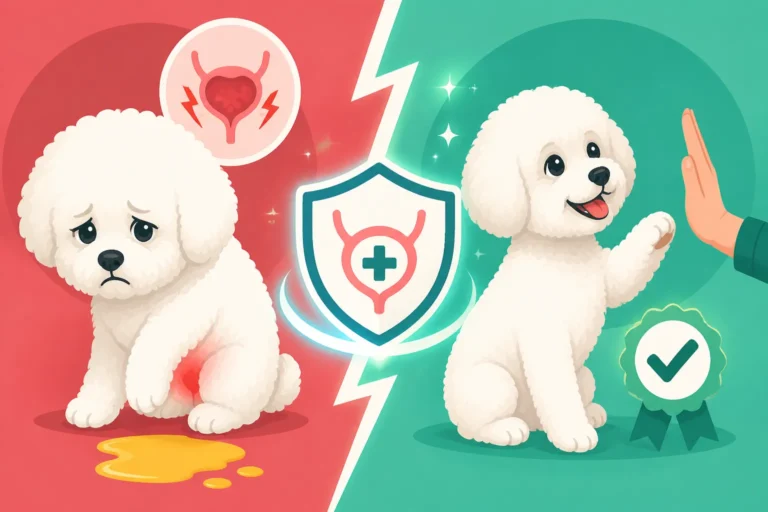
When your Bichon Frise puppy isn't fully vaccinated, they are highly susceptible to diseases that can be lurking in the environment. Parvovirus, for instance, is incredibly hardy and can survive in soil, grass, and even on surfaces for months. It's easily transmitted through contact with infected feces, even if you can't see it. This means a walk in a public park where other dogs have been, a sniff in a communal grass patch, or even contact with an unvaccinated dog's owner's shoes can potentially expose your vulnerable puppy. Distemper is another severe viral disease that can cause respiratory, gastrointestinal, and neurological symptoms. These aren't just mild puppy sniffles; these are serious, life-threatening conditions that often require expensive, intensive veterinary care, and even then, don't always have a happy outcome.
The risk isn't just theoretical; it's a harsh reality that many new puppy owners, through no fault of their own, sometimes learn the hard way. The thought of your tiny, defenseless Bichon Frise puppy contracting such a horrible illness is terrifying, and it's why vets are so firm about restricting public access during this period. It’s not about being overly cautious; it’s about protecting a fragile developing immune system. Understanding these risks isn't meant to scare you, but to empower you to make safe choices for your The First Year With a Bichon Frise Puppy.
Creating a Safe Bubble: Socialization Within Your Home and Garden
Just because your Bichon Frise puppy can't explore the dog park doesn't mean socialization stops. Far from it! The early weeks are critical for shaping your puppy's temperament and confidence. The key is to control the environment to minimize exposure to pathogens while maximizing positive experiences. Your home, and carefully managed visits, become your puppy's first classroom.
Inviting Trusted, Vaccinated Friends and Their Pets
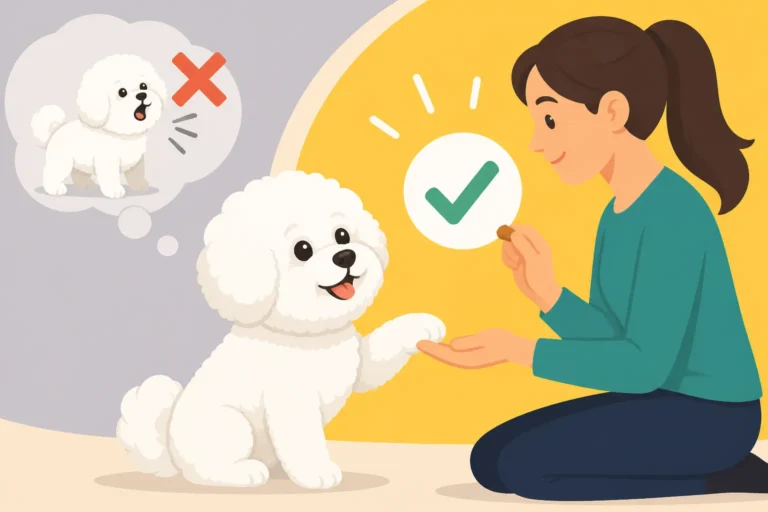
One of the best ways to provide your Bichon Frise puppy with crucial social interaction is through controlled introductions. This means inviting fully vaccinated, healthy adult dogs that you know and trust into your home or yard. Ensure these dogs have a clean bill of health and a calm temperament. The goal isn't just dog-to-dog play, but also exposing your puppy to different sizes, breeds, and personalities in a safe, supervised setting. This helps them learn appropriate canine social cues, like how to greet politely, read body language, and play gently.
Beyond canine friends, bringing trusted human visitors into your home is also vital. Your Bichon Frise puppy needs to learn that new people, with different voices, appearances, and smells, are nothing to fear. Ask visitors to interact calmly and positively, offering treats and gentle praise. This lays the groundwork for a friendly, outgoing adult Bichon Frise. Make sure everyone washes their hands before handling your puppy, and if they have been in contact with unfamiliar dogs, ask them to change their shoes to reduce any potential for tracking in germs. You can even order some simple pet-friendly shoe covers from Amazon for guests if you're particularly cautious, or keep a designated "puppy play" zone clear and easily sanitized.
Exploring Your Own Secure Outdoor Space
If you have a private, fenced yard that hasn't been frequented by unvaccinated dogs, stray animals, or wildlife, this can be a safe haven for your Bichon Frise puppy to explore. The fresh air, new smells, and tactile experiences of grass, dirt, and leaves are incredibly stimulating. Use this time for potty training – How Long a Bichon Frise Puppy Holds It Overnight – and for short play sessions. Supervise them closely to prevent them from eating anything questionable or interacting with any unexpected visitors.
Even in your own yard, it's wise to take precautions. Avoid areas where you know wild animals frequent or where neighborhood dogs might have had access. Regularly clean up any animal waste to reduce potential pathogen exposure. This safe outdoor time is essential for your puppy to develop motor skills, coordination, and a sense of curiosity about the world, all without the risks associated with public spaces. A playpen setup, easily found on Amazon, can be a great way to give your puppy some outdoor exposure in a very contained, clean space.
The Power of Sounds and Textures Indoors
Socialization isn't just about meeting other living beings; it's also about exposing your Bichon Frise puppy to a wide variety of sights, sounds, and textures in a positive way. Inside your home, you have complete control over this. Think about introducing them to different flooring surfaces – carpet, tile, hardwood – and various household noises like the vacuum cleaner, doorbell, washing machine, and television. Play gentle music, or even recordings of typical city sounds (traffic, sirens) at a low volume, gradually increasing it as your puppy remains relaxed.
These seemingly small exposures build resilience and prevent your Bichon Frise from becoming fearful of everyday occurrences later in life. Introduce different toys with varying textures, sizes, and sounds. Let them experience gentle brushing, nail trimming (even if it’s just for practice), and being handled all over their body. The online puppy training program from BAXTER & Bella offers excellent guidance on how to introduce these experiences positively and systematically, helping you build a confident pup right from home. These early positive exposures will make future grooming visits and vet checks much smoother.
Carefully Curated Outings: Low-Risk Environments Beyond the Home
While wide-open public spaces are off-limits, there are specific, carefully chosen outings that can benefit your Bichon Frise puppy's development without compromising their safety. The key is extreme caution and adherence to your veterinarian's advice.
Puppy Socials and Classes: Vet-Approved Spaces
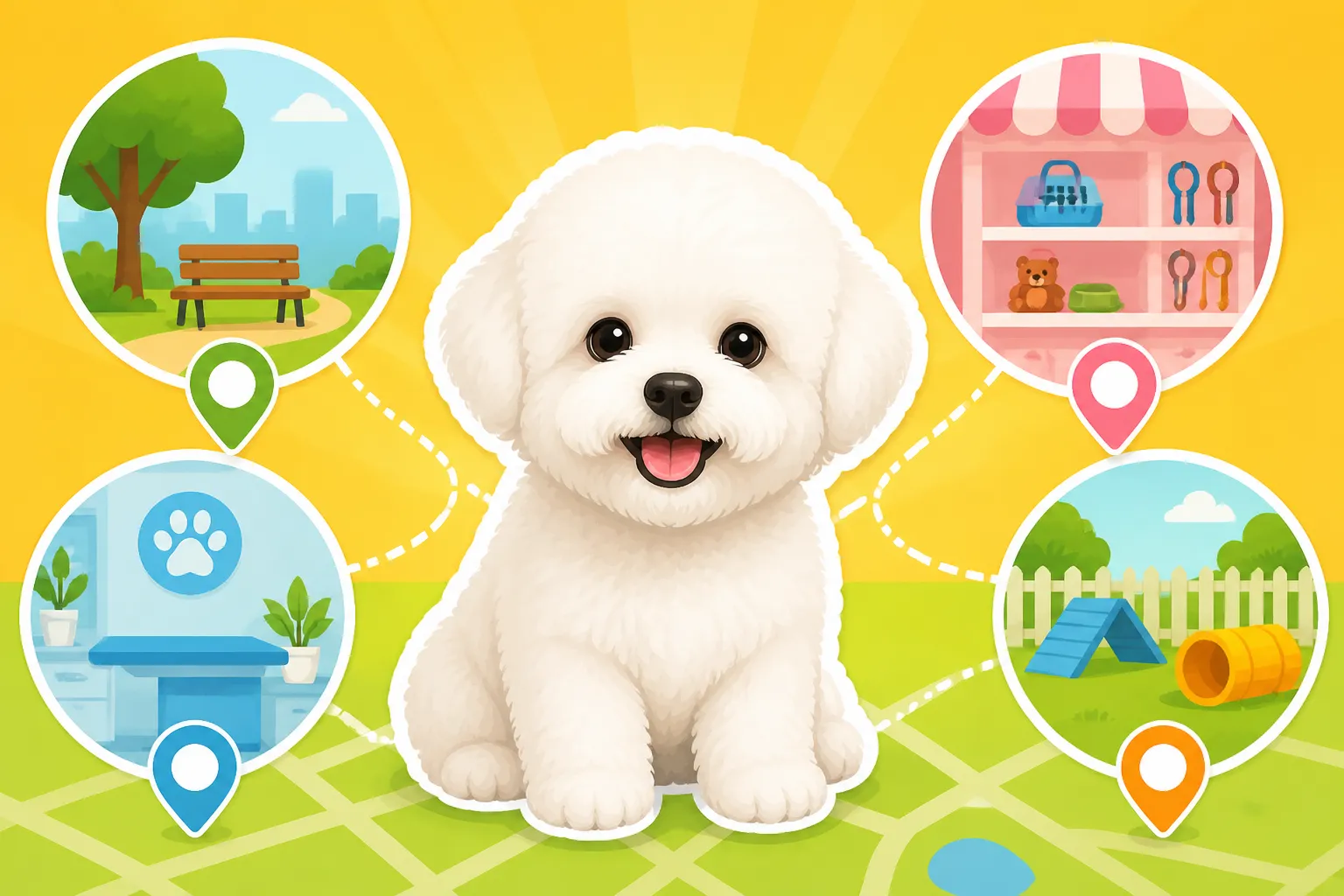
Many veterinary clinics or reputable dog training facilities offer "puppy socialization classes" specifically designed for young puppies who haven't completed their vaccination series. These classes are a fantastic resource! They are held in sanitized environments, often indoors, and require proof of age-appropriate vaccinations for all participants. This means every puppy present is on a similar vaccination schedule, and the risk of disease transmission is significantly reduced. These classes are vital for teaching your Bichon Frise puppy bite inhibition, basic manners, and positive interactions with other puppies and people.
Beyond the formal structure of a class, some vets host "puppy parties" or controlled play sessions in their clean, supervised environments. This allows puppies to safely interact and build confidence in a controlled setting. Always confirm with the facility that all puppies are age-appropriately vaccinated and that the space is regularly disinfected. This type of structured, safe interaction is invaluable for a growing Bichon Frise and can prevent behavioral issues like shyness or aggression later on. What puppy class costs a Bichon Frise owner is a small price to pay for such foundational socialization.
Car Rides and Carriers: Sightseeing Safely
One of the easiest and safest ways to expose your Bichon Frise puppy to the outside world before full vaccination is through car rides. Secure your puppy in a comfortable, well-ventilated carrier or with a car seat harness specifically designed for small dogs. Drive them to different locations – busy streets, quiet neighborhoods, near a park (but don't let them out!) – and let them observe the world from the safety of your vehicle. The sights, sounds, and movements are all new experiences that contribute to their socialization without direct contact with the ground or other animals.
Consider taking them to visit friends' houses (again, ensuring those homes are safe zones) or even just for a quick trip through a drive-thru. The goal is to make positive associations with car travel and the outside world. Keep these trips short and pleasant, perhaps offering a special treat or a calming toy. This helps prevent car sickness and anxiety related to travel, which can be a real issue for some dogs, and teaches your Bichon Frise puppy that going places is a fun adventure.
Shopping Trips in Your Arms or a Carrier
Some pet-friendly stores, particularly large pet supply chains, may allow well-behaved puppies in carriers or held in your arms. This can be a wonderful way to introduce your Bichon Frise puppy to new people, different smells, and the general hustle and bustle of a public place without them touching the floor where germs might reside. Always call ahead to confirm the store's policy.
When undertaking such an outing, keep your Bichon Frise puppy securely in your arms or a carrier at all times. Do not let them walk on the floor, even for a moment. Ensure any human interactions are gentle and positive. The goal is exposure to new stimuli, not physical contact with unknown surfaces or dogs. These experiences, when managed correctly, help build your puppy's confidence and reduce the likelihood of them becoming fearful or anxious in novel situations later in life. You can find stylish and secure carriers suitable for a small Bichon Frise on Amazon.
Balancing Safety with Development: The Imperative of Early Socialization
It’s easy to get caught up in the fear of disease, but it’s crucial to remember that the period between 3 and 16 weeks is often referred to as the "critical socialization window" for puppies. What your Bichon Frise puppy experiences (or doesn’t experience) during this time will profoundly impact their temperament and behavior for the rest of their life. Striking the right balance between safety and exposure is a tightrope walk, but it's one of the most important jobs you have as a puppy parent.
The Consequences of Undersocialization
While protecting your Bichon Frise puppy from illness is paramount, complete isolation can lead to its own set of serious problems. Puppies who are not adequately socialized during their critical window often develop fear, anxiety, and behavioral issues that are much harder to address later in life. Imagine a Bichon Frise who has never seen a child, or a man with a hat, or heard a skateboard. As an adult, these novel stimuli can trigger panic, aggression, or extreme shyness. Whether an Undersocialized Bichon Frise Recovers is a difficult question, and prevention is always better than cure.
These behavioral challenges can include fear-based aggression, separation anxiety, excessive barking at new people or dogs, or an inability to cope with routine events like vet visits or grooming. Grooming is especially important for a Bichon Frise, and if they haven't been positively exposed to handling, bathing, and the sounds of clippers and dryers, it can become a nightmare for both you and your groomer. Whether a Bichon Frise puppy should be groomed before twelve weeks is an important consideration for early positive experiences. Behavioral issues, though not immediately life-threatening like parvo, can severely impact your Bichon Frise's quality of life and your relationship with them, sometimes even leading to rehoming. It's a risk that's often overlooked in the rush to avoid disease.
Practical Tips for Maximizing Safe Exposure
To navigate this tricky period effectively, here are some actionable tips:
- Consult Your Vet: Always start by discussing your socialization plans with your veterinarian. They know the local disease prevalence and can provide tailored advice on specific risks and safe timelines for your Bichon Frise.
- Vaccination Schedule Adherence: Stick to your vet's vaccination schedule rigorously. Missing a shot or delaying appointments can extend the period of vulnerability.
- Hygienic Practices: Wash your hands thoroughly before and after handling your puppy. Ask visitors to do the same. If you've been in areas with high dog traffic, change your shoes and clothes before interacting with your puppy.
- Enrichment at Home: Make your home an exciting and stimulating environment. Use puzzle toys, provide different textures to explore, and introduce various household sounds. You can even create a "sensory walk" with different materials in a safe corner.
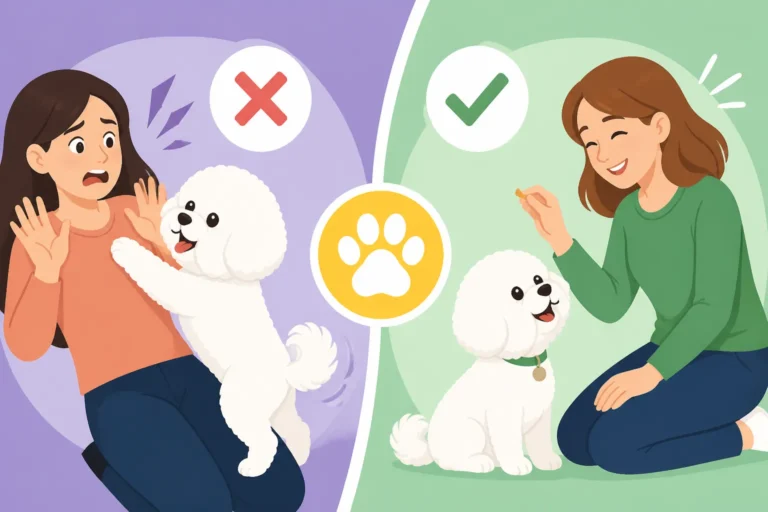
- Positive Exposure, Not Overwhelm: Keep all new experiences positive and brief. You want to build confidence, not fear. If your Bichon Frise puppy shows signs of stress (tucking tail, yawning excessively, lip-licking, trying to hide), reduce the intensity or remove them from the situation.
- Online Training Resources: Utilize online platforms like BAXTER & Bella that offer comprehensive puppy training and socialization guidance you can implement from the safety of your home. They provide structured lessons that address everything from basic commands to exposure to various stimuli.
- Leash and Harness Introduction: Even if you're not going for walks yet, get your Bichon Frise puppy comfortable with a collar or harness and a leash. This will make their first real walks much easier when they're fully vaccinated. Whether a Bichon Frise Should Wear a Harness is often recommended for their delicate necks.
- Prioritize Puppy Classes: If available and vet-approved, these are truly invaluable. They offer a rare opportunity for safe, supervised interaction with peers.
- Carry, Don't Walk: When you do take your Bichon Frise puppy out to low-risk public places, carry them or use a secure stroller or carrier. Never let them touch the ground until your vet gives the all-clear.
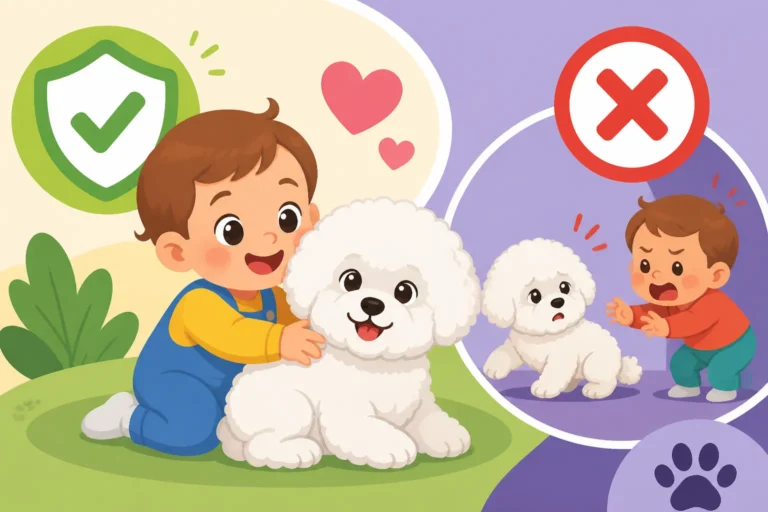
- Introduce to Kids Safely: If you have children or plan for your Bichon Frise to be around them, start gentle introductions early. Ensure interactions are supervised and positive. Whether a Bichon Frise Is Safe With Toddlers depends heavily on early, positive exposure and careful management.
By carefully managing their environment and providing a rich, stimulating, and safe range of experiences, you can help your Bichon Frise puppy grow into a confident, well-adjusted adult without taking unnecessary risks with their health.
| Safe Socialization Environments (Pre-Full Vaccination) | Risky Socialization Environments (Pre-Full Vaccination) |
|---|---|
| Your Home/Private Yard: Controlled access, known cleanliness. | Public Parks/Dog Parks: High traffic, unknown vaccination status. |
| Friends' Homes (Vaccinated Pets): Trusted, clean environment. | Pet Stores (On Floor): Many dogs walk here, high pathogen risk. |
| Veterinary Puppy Classes/Parties: Sanitized, age-appropriate vaccination checks. | Sidewalks/Communal Grass Areas: Urine/feces from unknown dogs. |
| Car Rides/Carrier Trips: Observation from safety, no ground contact. | Dog Beaches/Hiking Trails: Wild animals, unmanaged dog interactions. |
| Well-Monitored Garden Centers (Held): Low ground contact, human interaction. | Outdoor Patios (Even Held): Close proximity to unknown dog paws/droplets. |
Disclaimer
This article is for general informational purposes only and does not constitute professional advice. Laws, prices and regulations vary by location and change over time. Consult a qualified professional for guidance on your specific situation.