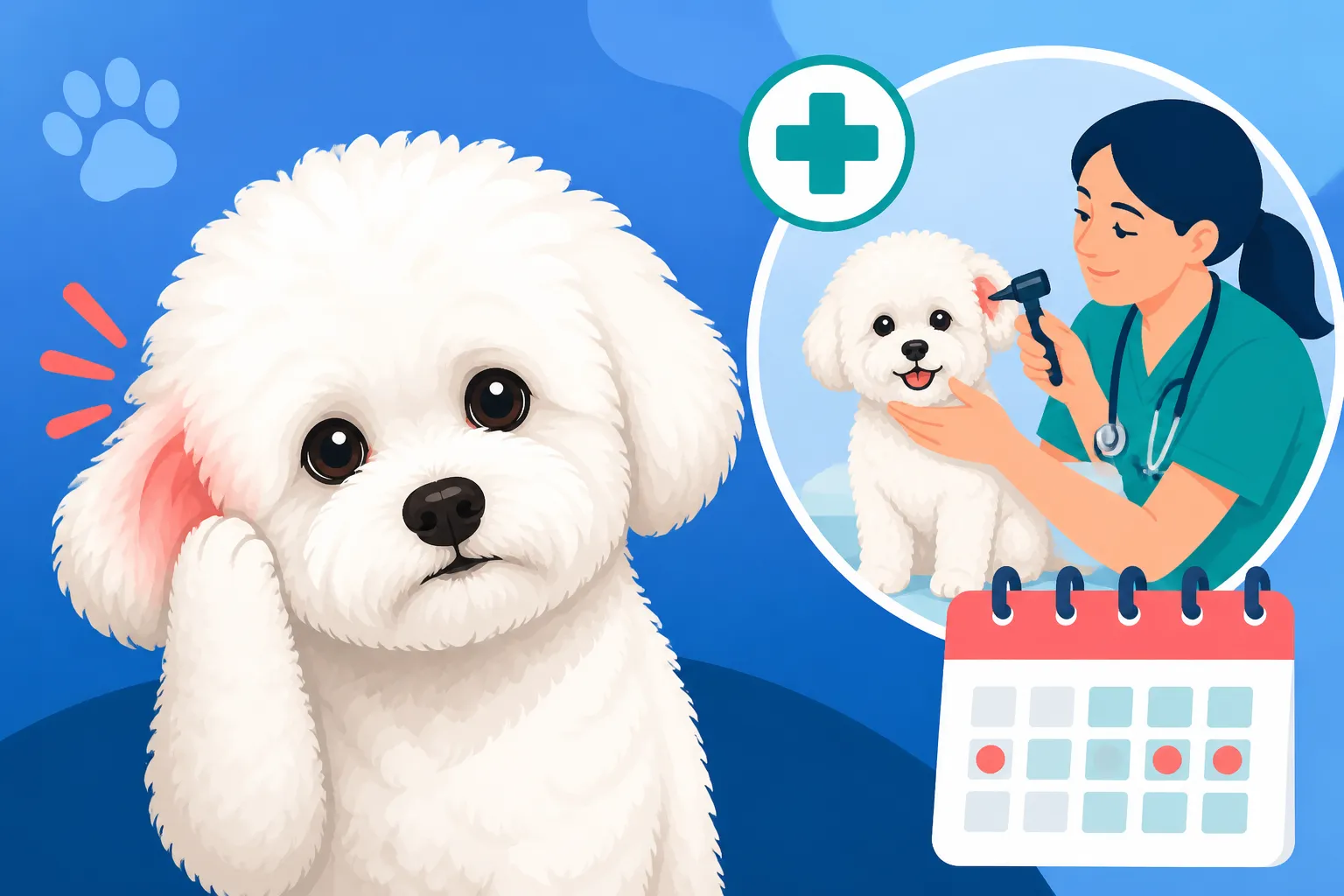
How Often a Bichon Frise Ends Up at the Vet for Ears
It's incredibly frustrating when your sweet Bichon Frise constantly battles ear infections, leaving you wondering if you're stuck in a revolving door of vet visits and treatments. You’re not alone in feeling this way; many Bichon owners grapple with persistent ear issues that seem to pop up just as you think you've finally gotten them under control. This comprehensive guide will delve into why Bichons are so prone to ear problems, what signs to look for, when a vet visit is absolutely necessary, and how to manage these recurring issues to potentially reduce those trips to the clinic.
The Common Ear Woes of a Bichon Frise
Bichon Frises, with their adorable floppy ears and luxurious coats, are unfortunately predisposed to a range of ear problems. This isn't just bad luck; it's often a combination of their unique anatomy and certain breed-specific traits that create a perfect storm for ear infections and other related discomforts. Understanding these underlying factors is the first step in breaking the cycle of recurring issues.
Why Bichon Frise Ears Are Prone to Trouble
One of the biggest culprits is the very design of a Bichon's ear. Their floppy, pendulous ears, while charming, cover the ear canal, limiting air circulation. This creates a warm, moist environment – essentially a sauna – that's ideal for bacteria and yeast to thrive. It's like wearing a perpetual earflap; moisture gets trapped easily, whether from baths, swimming, or even just humidity in the air.
Beyond the floppy nature, Bichons have a remarkable amount of hair, not just on their bodies, but inside their ear canals. This dense hair acts like a tiny broom, sweeping in debris and trapping it, but also creating a barrier that prevents proper ventilation and can hold onto moisture and ear wax. It's a double-edged sword: the soft hair is lovely, but it also creates a haven for microscopic invaders. This unique combination means that even a perfectly healthy Bichon Frise can quickly develop an ear infection without diligent care.
Recognizing the Signs of Ear Issues
As a dedicated Bichon owner, becoming familiar with the subtle (and not-so-subtle) signs of ear trouble is crucial. Your dog can't tell you in words that their ear hurts, so it's up to you to be their advocate. The earliest signs might be something as simple as a slight increase in head shaking, perhaps after they’ve been outside for a romp or had a bath. You might also notice them scratching at their ears more frequently, sometimes with a paw, other times by rubbing their head along the carpet or furniture.
As the problem progresses, the signs become more obvious. You might start to notice an unpleasant odor emanating from the ear – a tell-tale sign of infection. Look for discharge, which can range from waxy and dark brown to yellowish and pus-like. The inside of their ear flap or the opening of the ear canal might appear red, swollen, or even hot to the touch. Your Bichon might vocalize in pain when you try to touch their ear, or become withdrawn and less playful. Sometimes, they might even tilt their head to one side persistently. If you notice any of these symptoms, especially a combination of them, it’s a clear signal that something isn't right. Prompt action can often prevent a minor irritation from becoming a full-blown, painful infection.
The Cycle of Infection
It's disheartening to feel like you're constantly fighting the same battle, and with Bichon ear infections, a cycle can easily develop. It often starts with that perfect storm: limited airflow, trapped moisture, and excess hair. A small amount of trapped water from a bath or even condensation can lead to a slight overgrowth of yeast or bacteria. If this isn't addressed promptly, the mild inflammation can worsen, leading to more discharge, itching, and pain. Your dog scratches, further irritating the delicate skin in the ear, potentially breaking it and introducing more bacteria.
Even after a vet visit and treatment, if the underlying predisposing factors aren't managed, the infection can quickly return. Perhaps the medication course wasn't quite long enough, or the ear wasn't properly cleaned, leaving residual pathogens. Or, more commonly, the environmental conditions within the ear (moisture, hair, lack of air) remain, simply waiting for the next opportunity for an infection to flare up. This recurring nature is what makes ear care such a persistent challenge for Bichon owners, often leading to multiple vet visits throughout the year.
When to Call the Vet: Beyond Home Care
It’s tempting to try and handle minor ear irritations at home, and sometimes, for very mild issues, it’s appropriate. However, with a breed like the Bichon Frise that's prone to serious ear problems, knowing when to stop the home remedies and pick up the phone for your veterinarian is critical. Waiting too long can turn a manageable issue into a much more severe and painful one for your furry friend.
Initial Steps and When They're Not Enough
For very, very mild signs – perhaps just a little more ear scratching than usual, or a slightly waxy buildup without odor or redness – you might consider a gentle ear cleaner recommended by your vet. These cleaners are designed to remove wax and debris and often have mild drying agents to help prevent moisture buildup. You might gently wipe the outer ear flap with a soft cloth after walks or baths to keep it dry. However, this is where home care usually ends.
If you observe any redness, swelling, a foul odor, discharge, or if your Bichon is clearly in pain when you touch their ear, these initial steps are not enough. Attempting to deep clean an already infected ear with over-the-counter products can actually push debris further into the canal, cause more irritation, or mask symptoms, making the vet's diagnosis harder. Moreover, many ear infections require specific prescription medications that home remedies simply cannot provide. If your Bichon continues to show symptoms after a day or two of gentle observation, or if the symptoms are acute from the start, it's time for professional help.
The Importance of Professional Diagnosis
You might think "an ear infection is an ear infection," but for your vet, it's far more nuanced. There are different types of infections, caused by different organisms (bacteria, yeast, or even mites), and each requires a specific type of medication. What works for a yeast infection won't effectively treat a bacterial one, and vice-versa. A professional diagnosis begins with a thorough examination of the ear canal using an otoscope, which allows the vet to see deep inside, check for foreign bodies, polyps, or eardrum damage.
Crucially, your vet will often perform cytology – taking a swab of the ear discharge and examining it under a microscope. This simple, quick test identifies the type of organisms present, allowing them to prescribe the most effective antibiotics, antifungals, or anti-parasitics. Without this targeted approach, you're essentially guessing, which can lead to prolonged suffering for your dog and the development of resistant infections. It's an investment in getting the right treatment from the start, saving you time, worry, and often money in the long run. Sometimes, ear infections can even be a symptom of a larger issue, such as allergies, which a vet can begin to investigate. For more on this, you might explore What Atopic Dermatitis Does to a Bichon Frise.
Emergency Situations
While most ear infections aren't immediate life-or-death scenarios, there are definite situations that warrant an emergency vet visit. The most critical is when an infection has progressed to the point of severe swelling or pain, especially if it appears to be completely blocking the ear canal. If your Bichon is whining, crying, or snapping when you approach their head, or if they are holding their head at an extreme tilt and seem disoriented, don't wait.
Another serious sign is if the ear itself, or the area around it, becomes visibly swollen, hot, or if the discharge is particularly foul-smelling and copious. This could indicate an abscess or a deeper infection that needs immediate attention. Rarely, an untreated ear infection can spread to the middle or inner ear, leading to neurological symptoms like loss of balance, walking in circles, or even seizures. If you ever see these severe signs, especially a sudden onset of intense pain or neurological issues, skip the phone call and head straight to an emergency veterinary clinic. Your Bichon's comfort and long-term health depend on swift action in these cases.
Treatment Pathways and Follow-Up Visits
When your Bichon Frise develops an ear infection that requires veterinary attention, the path to recovery isn't always a one-and-done deal. It often involves a combination of treatments and diligent follow-up to ensure the infection is completely cleared and to prevent future flare-ups. This is where your partnership with your vet truly comes into play.
Common Vet Treatments for Ear Infections
Upon diagnosing an ear infection, your veterinarian will typically start with a thorough cleaning of your Bichon's ears. This is crucial because medication won't work effectively if it can't reach the infected tissues due to wax and debris buildup. They might use a medicated ear wash and specialized tools to gently flush out the canal.
Following the cleaning, your vet will prescribe ear drops or ointments. These usually contain a combination of antibiotics (to kill bacteria), antifungals (to kill yeast), and anti-inflammatory agents (to reduce swelling and pain). It’s incredibly important to administer these medications exactly as directed for the full duration, even if your Bichon's ears seem better after a few days. Stopping treatment too early is a common reason for recurrence. In some cases, if the inflammation is severe, your vet might also prescribe oral anti-inflammatory medications or even systemic antibiotics. They might also discuss the benefits of routine ear hair plucking, as explored in Whether a Bichon Frise's Ear Hair Should Be Plucked, which can be a game-changer for ventilation.
Chronic Cases and Specialist Referrals
Sometimes, despite diligent treatment, ear infections become a chronic, recurring nightmare for Bichon owners. If your dog is experiencing several ear infections a year, or if an infection is particularly stubborn, your vet might suggest investigating underlying causes. Often, the culprit is allergies – either environmental (like pollen or dust mites) or food-related. In these situations, ear infections are just one symptom of a body-wide inflammatory response.
Your primary vet might recommend an allergy workup, which could involve blood tests or a referral to a veterinary dermatologist. A specialist can conduct more in-depth testing, such as intradermal skin testing, or guide you through an elimination diet trial. For example, a specialized diet, perhaps even a hydrolyzed protein diet available from providers like Ollie, might be recommended to rule out food sensitivities. In very severe or complicated chronic cases, particularly those involving changes to the ear canal like calcification or polyps, a referral to a veterinary surgeon might be necessary to discuss options such as a total ear canal ablation (TECA) – a drastic but sometimes necessary procedure to provide relief. Exploring topics like Whether a Bichon Frise's Allergies Get Worse With Age might provide more context on these persistent issues.
Preventing Recurrence and Long-Term Management
The goal isn't just to treat the current infection, but to prevent the next one. Long-term management is key for Bichon Frises. This involves a multi-pronged approach, often customized to your dog's specific needs. Regular, prophylactic ear cleaning with a vet-approved solution is often recommended, especially after baths or swimming, to keep the ear canals dry and free of debris. Your vet can show you the correct technique to avoid injury.
For Bichons with excessive ear hair, regular plucking by a groomer or vet can significantly improve ventilation. Discussing this with your vet or groomer is essential, as improper plucking can cause more irritation. If allergies are identified as the underlying cause, managing those allergies becomes paramount. This could involve daily medication, immunotherapy (allergy shots), regular medicated baths using special shampoos, or a strict dietary regimen. High-quality pet insurance providers like Healthy Paws can be incredibly valuable in helping manage the ongoing costs associated with chronic conditions, ensuring you don't have to choose between your pet's health and your budget. Consistent care, and sticking to your vet's recommendations, can dramatically reduce the frequency of vet visits and improve your Bichon's quality of life.
Understanding the Frequency of Vet Visits for Ears
It’s easy to feel disheartened when it seems like your Bichon Frise is constantly at the vet for their ears. This feeling isn't unfounded; for some owners, ear issues can become a primary reason for frequent clinic visits. Understanding what drives this frequency can help you better manage expectations and strategize for future prevention.
Factors Influencing Visit Frequency
The number of times your Bichon Frise ends up at the vet for ear-related issues can vary dramatically, depending on a multitude of factors. Firstly, the severity of the initial infection plays a huge role. A mild, acute infection might resolve with one vet visit and a course of drops, while a deep-seated or resistant infection could require multiple follow-up appointments, medication changes, and re-checks.
Secondly, the presence of underlying conditions like allergies (food or environmental), hypothyroidism, or even certain autoimmune diseases will significantly increase visit frequency. If the root cause isn't identified and managed, the ear infections will simply keep coming back, leading to a frustrating cycle of treatment and recurrence. Lastly, owner compliance with treatment protocols and preventative care is critical. Skipping doses, stopping medication early, or neglecting regular ear cleaning can inadvertently contribute to more frequent relapses, necessitating further vet visits. For instance, if your Bichon is on a special diet due to allergies, sourcing those specific foods consistently from places like Chewy can be vital to maintaining their health.
The Financial and Emotional Toll
Each vet visit for an ear infection comes with a financial cost, which can quickly add up, especially if your Bichon is prone to recurrent issues. There are consultation fees, diagnostic tests like ear cytology, the cost of medications (drops, oral antibiotics, anti-inflammatories), and potential follow-up visits. For chronic cases, specialized allergy testing or a referral to a veterinary dermatologist can be even more substantial. You might find yourself saying, "What does an ear infection cost to treat on a Bichon Frise?" quite often.
Beyond the monetary aspect, there's a significant emotional toll on both you and your Bichon. Watching your beloved pet scratch, shake their head in discomfort, or cry out in pain is heartbreaking. The stress of administering ear drops to an unwilling dog, the worry about their chronic discomfort, and the constant feeling of battling a persistent problem can be emotionally exhausting for owners. It's a reminder that good pet health management also requires managing your own stress and burnout.
Proactive Care to Reduce Vet Trips
The best way to reduce the frequency of vet visits for your Bichon's ears is to be relentlessly proactive with preventative care. This starts with a consistent, gentle ear cleaning routine at home, as advised by your vet. Learning how to properly clean their ears can make a huge difference in preventing moisture and debris buildup. After every bath or swim, ensure their ears are thoroughly dried.
If your Bichon has known allergies, strict adherence to their management plan – whether that's a special diet, regular allergy medication, or immunotherapy – is crucial. For instance, if your vet recommends a limited ingredient or hydrolyzed protein diet to manage food allergies that manifest in ear issues, brands like Ollie can often provide suitable options. Regular grooming, including careful ear hair plucking (if recommended by your vet or groomer), also helps maintain good ear health. Finally, being vigilant about the earliest signs of discomfort allows for prompt, at-home intervention (with vet-approved cleaners) or a quick, early vet visit, often preventing the infection from becoming severe and requiring multiple appointments. Think of it as investing in routine care to avoid emergency or complicated situations.
| Ear Issue | Common Symptoms | Typical Vet Intervention | Likely Vet Visits |
|---|---|---|---|
| Mild Otitis Externa | Mild itching, occasional head shake, slight redness, small amount of waxy discharge | Ear cleaning, topical ear drops (antibiotic/antifungal) | 1-2 |
| Moderate Otitis Externa | Frequent scratching, head shaking, odor, visible redness/swelling, moderate discharge | Ear cleaning, topical ear drops, possibly oral anti-inflammatory | 2-3 |
| Severe Otitis Externa | Intense pain, constant head shaking, strong odor, heavy pus-like discharge, swelling | Deep ear cleaning (sedated), strong topical/oral antibiotics, pain meds | 3-5+ |
| Chronic/Recurrent Otitis | Repeated episodes of any severity, often linked to allergies/underlying issues | Allergy testing, specialized diets, long-term medication, specialist referral | 4-6+ yearly |
| Ear Mites | Intense itching, dark, crusty discharge ("coffee grounds"), head shaking | Ear cleaning, anti-parasitic ear drops/oral medication | 1-2 |
| Foreign Body (e.g., Foxtail) | Sudden, intense head shaking, pawing at ear, pain, discharge (often one ear) | Sedated removal of foreign body, ear cleaning, antibiotics | 1-3 |
Disclaimer
This article is for general informational purposes only and does not constitute professional advice. Laws, prices and regulations vary by location and change over time. Consult a qualified professional for guidance on your specific situation.