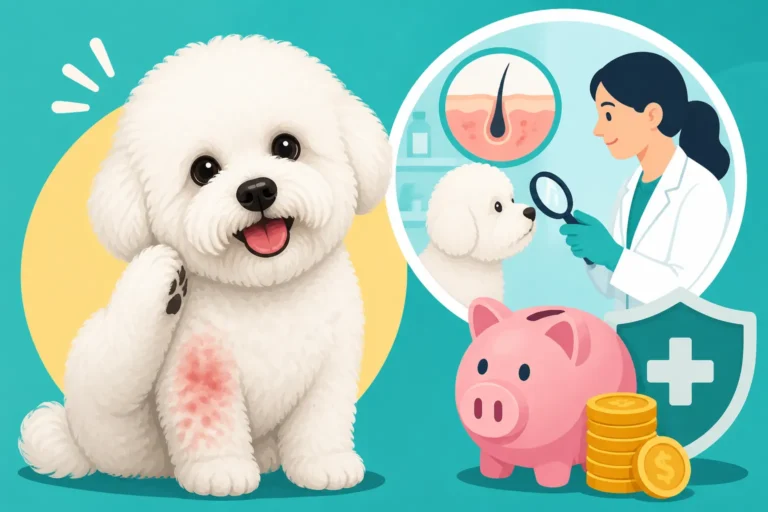
What a Bichon Frise’s First Year Costs
Bringing a fluffy, white Bichon Frise puppy into your home is an incredibly exciting time, filled with dreams of cuddles and playful antics. But let's be realistic – beneath all that adorable fluff, there's a significant financial commitment, especially during that whirlwind first year. It's easy to get swept up in the cuteness and overlook the practicalities, only to be hit with unexpected expenses. This guide is here to walk you through all the common costs you can expect when welcoming a Bichon Frise puppy, helping you budget wisely and ensure your new family member gets the best start possible without any financial surprises.
The Initial Investment: Bringing Your Bichon Frise Puppy Home
The very first expenses you'll encounter are often the largest and can set the tone for your financial commitment. It's more than just the puppy itself; it's about setting up their entire world and ensuring they start life with you on the right paw.
Puppy Purchase Price and Adoption Fees
The cost of acquiring a Bichon Frise puppy varies widely depending on where you get them from. If you're looking for a well-bred puppy from a reputable breeder, expect to pay a premium. These breeders often invest heavily in health testing their parent dogs, providing excellent early care, initial vaccinations, and sometimes even microchipping before the puppy goes home. They'll also offer a health guarantee, which can be invaluable. This upfront cost is a reflection of their dedication to the breed's health and temperament, and it's a critical investment in your future dog's well-being. Thinking about this, you might find our article What a Bichon Frise Puppy Costs From a Real Breeder quite helpful for a deeper dive.
On the other hand, if you choose to adopt from a rescue organization or a shelter, the fees will generally be much lower. These fees typically cover the cost of spaying or neutering, vaccinations, and sometimes microchipping. Adopting a rescue Bichon, even a puppy, can be incredibly rewarding. It's also important to be cautious about overly cheap puppies advertised online or in pet stores, as these often come from puppy mills where health and welfare are compromised. We cover the risks extensively in Whether a Cheap Bichon Frise Is a Mill Dog. While the initial fee might be less, the potential for future health issues and associated vet bills can quickly outweigh any perceived savings.
Initial Supplies: Setting Up Your Puppy's World
Once you've secured your new Bichon Frise, your next step is to prepare their new home. This means stocking up on all the essentials they'll need to feel safe, comfortable, and entertained. A sturdy crate is a must-have for housetraining and providing a secure den, alongside a comfy bed that fits inside. You'll also need food and water bowls, ideally stainless steel or ceramic for hygiene, and a collar, harness, and leash for walks and identification.
Don't forget toys! Puppies need a variety of appropriate chew toys to satisfy their natural urge to chew, especially during teething. Having a good selection can save your furniture and shoes! Grooming tools are also non-negotiable for a Bichon Frise, whose fluffy coat requires regular attention. This includes a slicker brush, a metal comb, nail clippers, and perhaps even some basic grooming shears for touch-ups. These initial supplies can add up quickly, but they are foundational for your puppy's first year. If you're wondering about setting up their space, take a look at What a Crate and Playpen Cost a Bichon Frise Owner, and for grooming, What Clippers Cost a Bichon Frise Owner offers a good perspective.
First Vet Visits and Preventative Care
Your puppy's first few weeks with you will involve several crucial trips to the vet. Even if they received initial vaccinations from the breeder or rescue, a new vet visit is essential to establish care and ensure they are settling in well. This typically includes a comprehensive health check, completion of their puppy vaccination series (distemper, parvovirus, adenovirus, rabies), and deworming treatments. Your vet will also discuss flea, tick, and heartworm prevention, which will become ongoing monthly expenses.
Perhaps the single largest medical expense in the first year for many Bichons is spaying or neutering. This procedure is usually performed between six months and one year of age, though your vet will advise on the best timing for your individual puppy. While the cost can be significant, it's a vital part of responsible pet ownership, preventing unwanted litters and offering numerous health and behavioral benefits. Early preventative care is key to a long, healthy life for your Bichon Frise, and these initial vet expenses are a non-negotiable part of that journey.
Ongoing Monthly and Quarterly Expenses in Year One
Beyond the initial setup, there are consistent costs that will become part of your regular budget as you nurture your Bichon Frise through their first year. These are the expenses you'll need to factor in week after week, month after month.
Food and Treats: Fueling Your Fluffy Friend
Providing a high-quality, nutritionally complete puppy food is paramount for your Bichon Frise's growth and development. Puppies have different dietary needs than adult dogs, requiring more calories and specific nutrient balances to support their rapid growth. As your Bichon matures, typically around 9-12 months, you'll transition them to an adult formula. The cost will depend on the brand, type of food (kibble, wet, fresh, raw), and where you purchase it. Brands like Ollie offer fresh, human-grade meal plans that can be fantastic for sensitive stomachs or picky eaters, though they often come at a higher price point than traditional kibble. Many owners find value in bulk buying from online retailers like Chewy, which can offer subscription services and discounts.
Don't forget treats! Training treats, chew sticks, and dental chews are all part of a puppy's diet and add to the monthly food budget. While a healthy, growing Bichon puppy might not immediately need a prescription diet, it's worth noting that if any health issues like allergies or urinary concerns arise later, these specialized foods can be a significant ongoing expense. Understanding how much to expect to spend on their meals is crucial, and you can get a clearer picture from our guide on How Much Food a Bichon Frise Eats Monthly.
Grooming: Keeping That Signature Cloud Look
The Bichon Frise is famous for its beautiful, fluffy white coat – and maintaining that "powder puff" look is a consistent, non-negotiable expense. Their unique double coat grows continuously and does not shed like many other breeds, meaning it quickly mats if not brushed and trimmed regularly. Most Bichon owners opt for professional grooming every 4-6 weeks to maintain their dog's coat, health, and hygiene. A full groom typically includes bathing, drying, brushing, de-matting (if necessary), ear cleaning, nail trimming, and a breed-specific haircut.
While some owners learn to do basic grooming at home to save money, it still requires an investment in quality tools and time. Even with home grooming, professional services for specific tasks like intricate scissoring or de-matting might still be needed occasionally. Regular grooming is not just about aesthetics; it's vital for preventing skin infections, discomfort from mats, and keeping their eyes and ears clean. For more details on what a professional service entails, check out What a Full Bichon Frise Groom Costs, and to understand the frequency, read How Often a Bichon Frise Needs Grooming.
Preventative Health and Insurance
After the initial puppy vaccinations, your Bichon Frise will need ongoing preventative medications throughout their first year and beyond. This includes monthly doses of flea and tick prevention, as well as heartworm medication, especially if you live in an area where these parasites are prevalent. These medications are crucial for protecting your puppy's health and can often be purchased in multi-month supplies from your vet or through online pharmacies.
Beyond preventative meds, considering pet insurance early in your Bichon's life is a wise financial move. Puppies, just like human toddlers, are prone to accidents and can develop unexpected health issues. Pet insurance helps mitigate the financial shock of emergency vet visits, diagnostic tests, surgeries, and long-term treatments. Companies like Healthy Paws offer comprehensive coverage that can provide immense peace of mind. Getting a policy when your Bichon is young means pre-existing conditions won't be an issue, which is a significant advantage. Our article What Insuring a Bichon Frise Puppy Runs provides more insight, and Whether a Bichon Frise Is Worth Insuring From Eight Weeks makes a strong case for early enrollment. Even with insurance, you'll still have deductibles and co-pays, so it's a cost to factor in.
Training, Socialization, and Unexpected Costs
The first year is a critical period for your Bichon Frise's development, not just physically but mentally and socially. Investing in their training and socialization will pay dividends for years to come, and it's also wise to anticipate the unexpected.
Puppy Classes and Socialization
Training is an essential part of raising a well-adjusted Bichon Frise. Puppy classes offer a fantastic opportunity for your young dog to learn basic commands, practice good manners, and, crucially, socialize with other puppies and people in a controlled environment. These classes typically run for several weeks and cover everything from sit and stay to leash walking and house-training troubleshooting. The cost can vary widely depending on the instructor and the program. Beyond formal classes, socialization involves exposing your puppy to a variety of sights, sounds, people, and friendly dogs. This can be done through puppy playdates, short trips to dog-friendly stores (once fully vaccinated), and walks in different environments. This early exposure helps prevent fear, anxiety, and reactivity later in life. If you're wondering about the investment in formal training, we have a helpful article, What Puppy Class Costs a Bichon Frise Owner.
Toys, Chews, and Enrichment
A bored puppy is often a destructive puppy! Providing a rotating selection of appropriate toys and chews is crucial for your Bichon Frise's mental and physical well-being. This isn't a one-time purchase but an ongoing expense as toys get destroyed, lost, or simply need to be refreshed to maintain interest. Look for durable chew toys, puzzle toys that dispense treats, and soft plush toys for comfort. Interactive toys can keep them entertained when you're busy, helping to prevent separation anxiety or destructive behaviors.
Beyond toys, enrichment activities like short training sessions, scent work games, or even just exploring new walking routes keep their intelligent minds engaged. These things don't always cost money, but the consumable items like treats for puzzle toys or new, exciting chews will add to your budget throughout the year.
The "Oops" Fund: Unexpected Vet Bills and Other Surprises
No matter how careful you are, puppies are notorious for getting themselves into predicaments. They'll eat things they shouldn't, take an unexpected tumble, or suddenly develop an upset stomach. These "oops" moments often lead to emergency vet visits, which can quickly become the most significant unexpected expense in your Bichon's first year. A swallowed toy, a mysterious limp, or a sudden bout of vomiting can result in hundreds, if not thousands, of dollars in diagnostic tests, medications, or even emergency surgery.
This is where having an emergency fund or robust pet insurance truly shines. While pet insurance (like that offered by Healthy Paws) helps with these situations, you'll still need to cover your deductible and any co-insurance. For those without insurance, having a dedicated savings account for your pet's health is critical. It's not about being pessimistic; it's about being a responsible and prepared pet parent. Our guide Setting Money Aside for a Bichon Frise's Vet Bills delves into this important topic. Beyond medical emergencies, other surprises could include damage to your home, a new crate after an unexpected growth spurt, or specialized cleaning supplies for house-training accidents.
Budgeting for Your Bichon Frise's First Year
Understanding these costs upfront allows you to plan and budget effectively, ensuring you're prepared for the financial journey of Bichon Frise ownership.
Creating a Realistic Budget
To create a realistic budget for your Bichon Frise's first year, it's helpful to categorize expenses into initial, one-time costs and ongoing, recurring costs. The initial costs, like the puppy's purchase price and the bulk of their startup supplies, will be paid within the first few weeks or months. Ongoing costs, such as food, grooming, and preventative medications, will be monthly or quarterly. Remember that prices are estimates and can vary significantly by location, specific brand choices, and your dog's individual needs.
It's always a good idea to build in a buffer for unexpected expenses – that "oops" fund we discussed. Being prepared for these eventualities means less stress for you and better care for your Bichon. Regularly review your budget to see if adjustments are needed, especially as your puppy grows and their needs change.
Long-Term Financial Commitment
While this article focuses on the first year, it's crucial to recognize that your Bichon Frise is a long-term commitment. The first year sets the stage, but many expenses will continue throughout their The Fourteen to Fifteen Years a Bichon Frise Lives. As they age, new costs might emerge, such as specialized diets, medications for senior ailments, or more frequent vet check-ups. The habits and routines you establish in the first year, like regular grooming and preventative care, will continue to be vital.
Understanding the total financial picture from the start will help you make informed decisions and ensure you can provide a high quality of life for your furry companion. For a broader look at the continuous costs of Bichon ownership, our article What a Bichon Frise Costs a Year to Keep provides a helpful overview that extends beyond the puppy stage.
Here's a breakdown of potential first-year costs to help you visualize:
| Category | Initial/One-Time Costs (Range) | Monthly/Recurring Costs (Range) | Notes |
|---|---|---|---|
| Acquisition | Breeder: High | N/A | Rescue: Lower, often includes spay/neuter. Breeder varies by pedigree, health testing. |
| Vet Care (First Year) | Initial Exams, Vaccinations: Moderate | Flea/Tick/HW Meds: Low-Moderate | Spay/Neuter: Moderate (often within 1st year). Emergency visits highly variable. |
| Supplies & Gear | Crate, Bed, Bowls, Leash: Moderate | Toys, Chews: Low-Moderate | Starter grooming kit: Low-Moderate. Replacements & new toys are ongoing. |
| Food & Treats | First Bag/Can: Low-Moderate | Puppy Food: Moderate | Transition to adult food. Quality, brand, and fresh food options (e.g., Ollie) impact cost. |
| Grooming | N/A | Professional Grooms: Moderate | Every 4-6 weeks for Bichons. Can invest in home grooming tools. |
| Training | Puppy Classes: Moderate | N/A | Books, online resources, potential private sessions. |
| Pet Insurance | N/A | Premiums: Low-Moderate | Deductibles/co-pays apply. Getting it early (e.g., Healthy Paws) avoids pre-existing conditions. |
This table provides a general overview, and your actual expenses will depend on various factors. The most important thing is to be prepared and understand that while the costs are real, the joy and companionship a Bichon Frise brings are truly priceless.
Disclaimer
This article is for general informational purposes only and does not constitute professional advice. Laws, prices and regulations vary by location and change over time. Consult a qualified professional for guidance on your specific situation.