What an Ear Infection Costs to Treat on a Bichon Frise
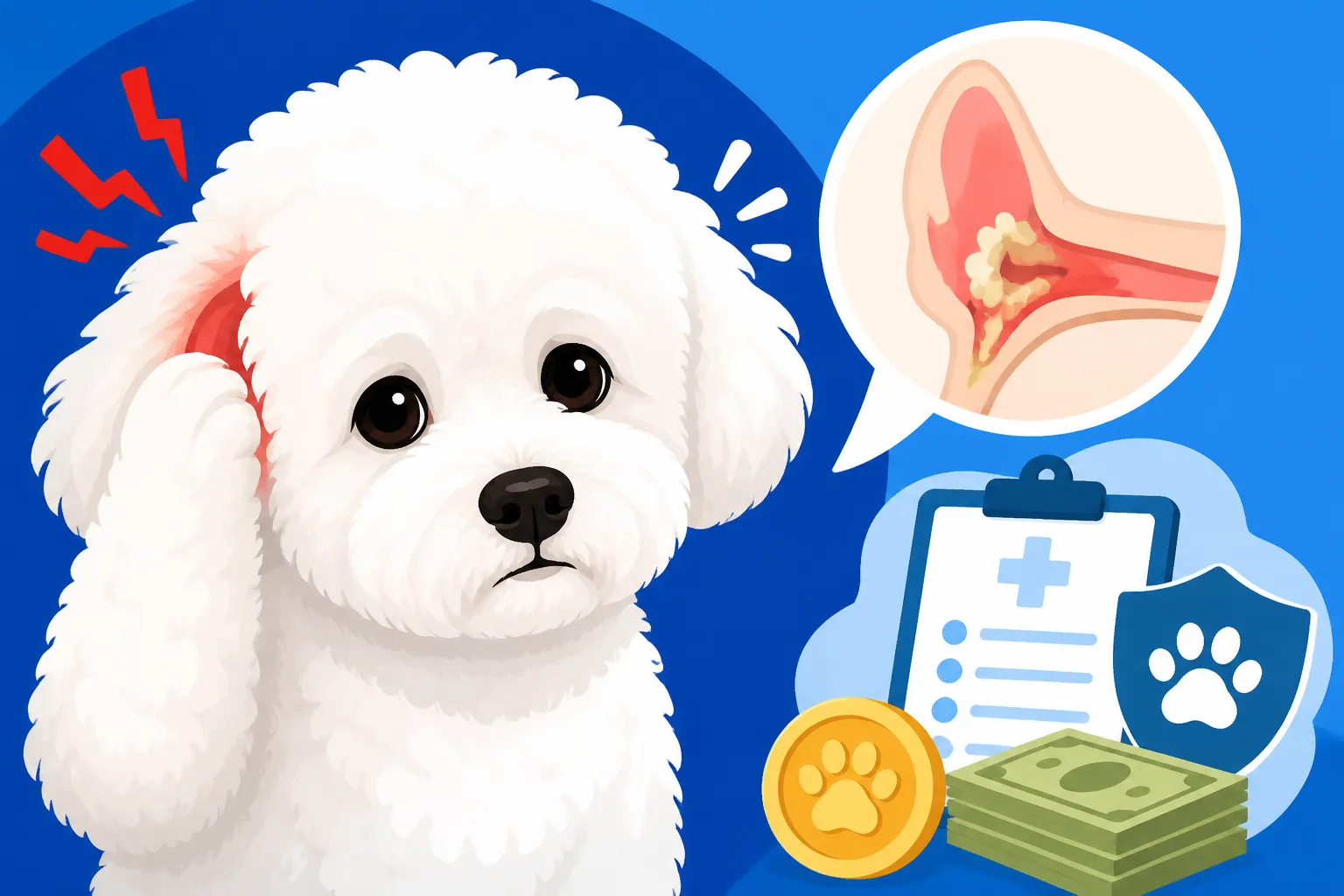
One of the most disheartening things a Bichon Frise parent can experience is watching their beloved fluffy companion suffer from recurrent ear infections. It's not just the visible discomfort – the head shaking, the scratching, the whining – but also the deep worry about what's actually going on inside those floppy, fur-covered ears. And let's be honest, that worry often comes with a hefty dose of anxiety about the vet bills. This guide is here to shed some light on the various costs involved in diagnosing, treating, and hopefully preventing those pesky ear infections in your Bichon Frise, so you can be better prepared.
Understanding the Initial Vet Visit and Diagnosis Costs
When your Bichon Frise starts shaking their head or scratching their ears, your first instinct is often to book an emergency vet appointment – and rightly so! Early intervention can save a lot of pain and prevent the infection from worsening, which in turn, can help keep treatment costs down in the long run. However, that initial visit sets the stage for the expenses to come.
The Examination Fee
Every vet visit starts with a consultation or examination fee. This is the baseline charge for the veterinarian to physically examine your dog, listen to your concerns, and start forming a diagnosis. For an ear infection, this involves a thorough look into both ear canals using an otoscope, checking for redness, swelling, discharge, and foreign bodies, and assessing the eardrum. They’ll also check for any pain response when manipulating the ear or jaw, and evaluate your dog’s overall health. This fee can vary significantly based on your clinic's location and whether it's a routine appointment or an emergency visit outside of regular hours.
It’s not just a quick glance; the vet is meticulously checking for subtle signs, because sometimes what looks like a simple ear infection can be a symptom of a larger, systemic issue. They'll also feel around the lymph nodes and assess for any other concurrent skin issues that might be contributing. This comprehensive approach is vital for an accurate diagnosis and effective treatment plan.
Diagnostic Tests: Swabs, Cytology, and Cultures
Once the vet has examined the ears, they'll almost certainly recommend some diagnostic tests. These are crucial because ear infections aren't always caused by the same thing, and treating blindly can lead to recurring problems or antibiotic resistance.
The most common test is a cytology, which involves taking a swab of the discharge or debris from the ear and examining it under a microscope. This allows the vet to identify whether the infection is caused by bacteria, yeast, or a combination of both. Different types of bacteria and yeast respond to different medications, so knowing the culprit is key. A cytology can also reveal mites, which are less common but certainly possible, especially in younger puppies or rescue dogs. This initial test is usually done in-house and provides immediate results, guiding the first steps of treatment.
If the infection is severe, chronic, or hasn't responded to initial treatment, your vet might recommend an ear culture. This involves sending a sterile swab to an external lab to grow the organisms present and test their sensitivity to various antibiotics. This test takes a few days to get results but provides invaluable information for targeting stubborn infections. Whether a Bichon Frise's Ears Need Treating Constantly often depends on getting the diagnosis right from the start. These lab tests add to the overall cost, but they are an investment in getting your Bichon Frise better quickly and preventing relapse.
Ear Cleaning and Medication Application
If your Bichon Frise's ears are heavily clogged with discharge, the vet might perform a professional ear cleaning in the clinic. This isn't just a cosmetic task; it's a vital part of treatment. A dirty ear canal can prevent topical medications from reaching the infection site, making them ineffective. The vet will use a special cleaner and tools to gently flush out debris, sometimes under sedation if your dog is in a lot of pain or uncooperative. This deep cleaning ensures the prescribed drops can do their job properly.
After cleaning, the vet will often administer the first dose of topical medication right there in the clinic, demonstrating how to do it correctly. This ensures you start on the right foot and helps your Bichon Frise get immediate relief. The cost of this cleaning and initial application is factored into your bill, and it’s well worth it for getting that powerful medicine exactly where it needs to be. For more severe cases, or if your Bichon Frise is especially uncomfortable, the vet might even provide a short-acting anti-inflammatory injection to quickly reduce pain and swelling, making subsequent at-home treatment much easier.
Ongoing Treatment and Follow-Up Costs
Getting the initial diagnosis and medication is just the beginning. Ear infections, especially in breeds like Bichon Frises who are prone to them due to their floppy ears and potential underlying allergies, often require consistent follow-up and long-term management.
Prescription Medications
The cost of prescription medications can vary widely depending on the type and duration of treatment. You might receive:
- Topical Ear Drops: These are often a combination of an antibiotic, an antifungal, and an anti-inflammatory. Brands and formulations differ, leading to varying prices. A single bottle might last a week or two, and you might need multiple bottles for a full course of treatment.
- Oral Antibiotics or Antifungals: If the infection is deep-seated, severe, or involves the middle ear, oral medications might be prescribed. These usually come in a course lasting several weeks, and the cost will depend on the drug, dosage, and your dog's weight.
- Anti-inflammatory Medications: To reduce pain and swelling, your vet might prescribe oral steroids or other anti-inflammatory drugs, especially in the initial stages. These help make your dog more comfortable and allow the ear canal to open up so other medications can penetrate.
Some pet owners find great prices on prescription medications through online pharmacies, often with the convenience of home delivery. Services like Chewy's pharmacy can be an option if your vet provides a prescription. Remember, finishing the entire course of medication, even if your Bichon Frise seems better, is crucial to prevent the infection from returning or becoming resistant. Many owners stop too soon, only to face another infection and another round of costs a few weeks later.
Recheck Appointments and Monitoring
Just when you think you're done, your vet will almost always recommend a recheck appointment. This isn't just to add to your bill; it's a critical step to ensure the infection has truly cleared. The vet will re-examine the ears, possibly repeat a cytology, and confirm that the eardrum is healthy. Ending treatment prematurely can lead to a quick relapse, and you'll be back to square one, both in terms of your dog's health and your wallet.
These recheck fees are typically lower than the initial consultation but are still a necessary expense. For chronic or stubborn infections, you might need several rechecks, potentially spanning weeks or even months. Sometimes, your Bichon Frise might also need ongoing maintenance using specific ear cleaners or very mild topical treatments to keep the ear environment healthy and prevent recurrence. This long-term monitoring is especially important for breeds known for ear issues. If you notice your Bichon Frise shaking its head or scratching more frequently, it might be a sign that Recurrent Ear Infections in a Bichon Frise are starting up again, warranting another trip to the vet.
Dealing with Chronic or Recurrent Infections
Unfortunately, some Bichon Frises struggle with chronic or recurrent ear infections. This is where costs can really escalate. If standard treatments aren't working, your vet might suggest:
- Dermatology Referral: A specialist veterinary dermatologist can delve deeper into underlying causes, such as allergies (environmental or food-related). They might recommend advanced diagnostics like allergy testing or an elimination diet. Whether a Bichon Frise's Itching Is Food or Pollen can be definitively answered by these specialists.
- Advanced Imaging: In severe cases, or if middle ear involvement is suspected, an MRI or CT scan might be necessary to visualize the ear canal and surrounding structures. These are specialist procedures and come with a significant price tag.
- Surgical Intervention: For very severe, non-responsive chronic infections, surgery might be the only option. Procedures like a Total Ear Canal Ablation (TECA) remove the entire ear canal to eliminate the source of chronic infection. This is a last resort, but it can provide permanent relief and ultimately be more cost-effective than endless cycles of medication and vet visits. However, it is a major surgery with significant costs, including the procedure itself, anesthesia, and post-operative care.
These advanced interventions are not cheap, but they aim to provide a lasting solution to a problem that significantly impacts your dog's quality of life. It’s a tough decision, but one that many owners face when battling persistent ear issues.
Preventing Future Infections and Associated Costs
While treating an ear infection can be costly, proactive prevention and understanding underlying causes can save you a lot of money and heartache in the long run.
Routine Ear Cleaning and Maintenance Products
One of the best ways to prevent ear infections in a Bichon Frise is through consistent, routine ear care. Their floppy ears and fluffy coats can trap moisture and debris, creating a perfect breeding ground for bacteria and yeast. Regular cleaning helps to remove this buildup and maintain a healthy ear environment.
You'll want to invest in a veterinarian-recommended ear cleaner designed for dogs. There are many options available, some with drying agents, others with antimicrobial properties. Your vet can guide you on the best type for your Bichon Frise's specific needs. Products can be found at pet supply stores or online retailers like Chewy. A good cleaning routine, perhaps weekly or every other week, can make a huge difference. How Often a Bichon Frise's Ears Should Be Cleaned really depends on their individual susceptibility, but regular checks are a must. Remember, consistency is key!
| Cost Category | Estimated Range (General, per incident/month) | What's Included |
|---|---|---|
| Initial Vet Exam | Moderate to High | Physical exam, initial assessment |
| Ear Cytology (in-clinic) | Low to Moderate | Microscopic analysis of ear swab |
| Ear Culture (external lab) | Moderate to High | Lab analysis, sensitivity testing |
| Professional Ear Cleaning | Moderate (may require sedation) | Deep cleaning of ear canal |
| Topical Ear Drops | Moderate | Antibiotic, antifungal, anti-inflammatory combination |
| Oral Medications | Moderate to High | Systemic antibiotics, antifungals, anti-inflammatories |
| Follow-up/Recheck Exam | Low to Moderate | Re-examination, sometimes repeat cytology |
| Dermatology Referral | High (initial consultation) | Specialist consultation, in-depth diagnostics |
| Advanced Imaging (MRI/CT) | Very High | Detailed internal imaging (if middle ear suspected) |
| Surgical Intervention (TECA) | Extremely High | Major surgery, anesthesia, hospitalization, post-op care |
| Preventative Ear Cleaner | Low (monthly/quarterly) | Product for at-home routine cleaning |
Addressing Underlying Causes
Often, ear infections are not just a standalone problem but a symptom of an underlying condition. In Bichon Frises, allergies are a very common culprit. When a dog has allergies, their skin barrier can be compromised, and inflammation can make them more susceptible to infections, not just in their ears, but potentially their paws and other skin folds as well.
Treating the underlying allergy can significantly reduce the frequency and severity of ear infections. This might involve:
- Food Trials: Eliminating common allergens from the diet.
- Medications: Such as Apoquel or Cytopoint, which target the allergic response. Whether a Bichon Frise Can Take Apoquel Instead of steroids for allergy management is a common question. These medications help control the itch and inflammation, making your Bichon Frise less prone to secondary infections.
- Immunotherapy: Customized allergy shots or drops based on specific allergens identified through testing.
While these treatments have their own ongoing costs, they can ultimately reduce the need for expensive ear infection treatments, making it a sound long-term investment in your dog's health and comfort. Neglecting the root cause almost guarantees repeated ear issues.
The Role of Pet Insurance
Let's face it, veterinary care can be expensive, and chronic conditions like recurrent ear infections can quickly add up. This is where pet insurance can be a real lifeline. Companies like Healthy Paws offer policies that can help cover a significant portion of unexpected veterinary costs, including diagnostic tests, medications, and even surgery for conditions like ear infections.
When considering pet insurance, it’s important to understand what’s covered, what the deductible is, and what percentage of the bill they reimburse. While most plans won't cover pre-existing conditions (meaning if your Bichon Frise already had ear infections before you got the policy, those specific issues might be excluded), if you enroll them early, before any problems arise, you could be well-protected. Insurance can offer immense peace of mind, knowing that you won't have to make difficult financial decisions when your furry friend needs care. What Insuring a Bichon Frise Runs Monthly varies, but it's worth exploring to protect your budget from those unforeseen, and often expensive, health challenges.
Disclaimer
This article is for general informational purposes only and does not constitute professional advice. Laws, prices and regulations vary by location and change over time. Consult a qualified professional for guidance on your specific situation.