Whether a Bichon Frise’s Ear Hair Should Be Plucked
One of the most common dilemmas Bichon Frise owners face is how to care for those adorable, fluffy ears. The dense, curly coat that makes our Bichons so endearing can also create a warm, moist environment in their ear canals, leading to endless frustration with recurrent infections. This guide will walk you through the specifics of Bichon Frise ear anatomy, delve into the controversial topic of ear hair plucking, and provide practical, vet-backed advice for maintaining your furry friend's ear health.
The Unique Anatomy of a Bichon Frise Ear
Bichon Frises are known for their beautiful, flowing coats, and that luxurious fur doesn't stop at their ear flaps. Their ears are particularly prone to issues due to a combination of their drop-ear structure and the profuse hair growth within the ear canal itself. Understanding this unique anatomy is the first step in providing the best care.
Why Bichon Frise Ears are Prone to Issues
Unlike breeds with pricked ears that allow for ample airflow, a Bichon Frise's ears hang down, effectively sealing off the ear canal from much-needed ventilation. This creates a warm, humid microclimate that is an absolute haven for yeasts and bacteria to thrive. Imagine wearing a heavy woolen hat over your ears constantly – that's a bit like what our Bichons experience. This lack of airflow, combined with the normal production of ear wax and shed skin cells, means moisture can easily get trapped. Whether it's from a bath, swimming, or even just humidity in the air, that moisture creates the perfect breeding ground for those annoying, itchy, and often painful ear infections. You might notice your Bichon shaking its head more often, a common sign of discomfort. This environment is why Bichon Frise owners so often deal with Recurrent Ear Infections in a Bichon Frise.
Beyond the drop-ear structure, the Bichon's dense double coat contributes significantly. The hair isn't just on the outside; it grows deep into the ear canal itself. This thick internal hair acts like a net, trapping debris, dirt, and excess wax, further exacerbating the moisture issue. It essentially creates a furry dam, making it difficult for natural ear cleaning mechanisms to work effectively and for any moisture to evaporate. This constant struggle with trapped moisture means that preventing problems becomes an ongoing battle for many owners, often leading to questions about Whether a Bichon Frise's Ears Trap Moisture more than other breeds.
The Role of Hair in the Ear Canal
The hair growing inside a Bichon Frise's ear canal is a double-edged sword. On one hand, some argue that it's a natural protective barrier, catching dust and foreign particles before they reach the eardrum. On the other hand, for a breed like the Bichon Frise, with its dense, curly coat, this hair can become a significant obstruction. It can mat together, forming a plug that blocks the normal flow of air and prevents ear wax and debris from naturally migrating out of the canal. This creates a dark, moist, and poorly ventilated environment that is just perfect for the overgrowth of bacteria and yeast, leading to that tell-tale foul smell and intense itching that drives both dogs and owners crazy.
Many owners, seeking to alleviate these issues, are often advised to consider removing this hair. The idea is that by clearing the canal, you improve airflow, reduce moisture, and allow ear wax to move out more freely. However, the method of removal, specifically plucking, has become a point of contention among veterinarians and groomers alike. The thought behind it is sound: remove the problem, prevent the infection. But, as we'll explore, the execution of this seemingly simple solution can sometimes create a whole new set of problems for your sensitive little Bichon's ears.
The Great Debate: To Pluck or Not to Pluck?
For years, routine ear hair plucking was considered standard practice for many long-haired, drop-eared breeds, including the Bichon Frise. The thinking was logical: remove the hair, improve airflow, prevent infections. However, modern veterinary science has started to challenge this long-held belief, leading to a significant shift in recommendations.
Arguments for Plucking
Historically, the primary argument for plucking ear hair in Bichon Frises and similar breeds centered on improving ventilation. Proponents believed that removing the dense hair from the ear canal would open it up, allowing air to circulate more freely. This, in theory, would reduce the warm, moist environment that bacteria and yeast absolutely adore, thereby reducing the likelihood of ear infections. Many groomers and even some older generation vets still adhere to this practice, believing it to be a proactive measure against ear disease. They often point to situations where a matted plug of hair visibly obstructs the ear canal, arguing that its removal immediately offers relief and prevents further issues.
Another common argument is that plucking helps in reducing the buildup of ear wax and debris. When hair clogs the canal, it traps everything – from shed skin cells to environmental dust and excess cerumen (ear wax). This accumulation can become an irritant itself, leading to scratching and further inflammation. By plucking, the canal is cleared, making it easier for owners to clean their Bichon's ears and for the ear's natural self-cleaning mechanisms to work. In cases where a Bichon Frise already has an active infection, a veterinarian might still recommend plucking as part of the initial treatment, especially if the hair is so dense it prevents topical medications from reaching the affected areas. This is usually a one-off, symptom-driven procedure, rather than a routine preventive measure.
Arguments Against Plucking
Despite the historical arguments, a growing body of veterinary evidence and consensus now strongly leans against routine ear hair plucking. The primary concern is that plucking, by its very nature, causes micro-trauma to the delicate skin lining the ear canal. Each hair follicle that is pulled out leaves a tiny, open wound, essentially creating an entry point for bacteria and yeast. This inflammation and irritation can actually increase the risk of infection, rather than prevent it. Imagine constantly pulling hairs from your nose – it's uncomfortable, irritating, and can leave the area red and sensitive. The same applies, perhaps even more so, to the sensitive skin inside your Bichon's ear.
Furthermore, plucking can cause significant pain and discomfort for your Bichon. If done improperly or too aggressively, it can turn what should be a routine grooming procedure into a traumatic experience, making future ear care much more difficult. Many veterinarians now advise against it unless there's a specific, diagnosed medical reason, such as a severe infection where the hair is completely blocking treatment. They often highlight that regular, gentle cleaning and addressing underlying causes, such as allergies, are far more effective and less invasive ways to manage ear health. If your Bichon is frequently suffering from ear issues, it's worth investigating if something like What Atopic Dermatitis Does to a Bichon Frise might be at play, as treating the root cause is always more effective than just managing symptoms.
Alternatives to Plucking and Proper Ear Care
Given the evolving veterinary recommendations, many Bichon Frise owners are now looking for safer and more effective ways to manage their dog's ear health without resorting to painful plucking. The good news is that there are excellent alternatives that prioritize your dog's comfort and long-term well-being.
Safe Cleaning and Trimming Techniques
Instead of plucking, the focus has shifted to regular, gentle cleaning and, if absolutely necessary, careful trimming of only the hair visibly blocking the outer ear canal entrance. Regular cleaning involves using a veterinarian-approved ear cleaner that helps break down wax and debris without causing irritation. To clean your Bichon's ears, gently lift the ear flap, apply the cleaner into the canal (don't be shy, fill it up!), and then massage the base of the ear for about 30 seconds. You'll hear a squishing sound, which means the cleaner is doing its job. After massaging, let your Bichon shake its head to dislodge the liquid and debris. Finally, use a soft cotton ball or gauze wrapped around your finger to wipe away any visible gunk from the outer part of the ear and the ear flap. Never use cotton swabs inside the ear canal, as this can push debris further in and potentially damage the eardrum. Consistent, gentle cleaning, perhaps weekly or bi-weekly depending on your dog's individual needs, is far more beneficial than infrequent, aggressive plucking. This routine is a crucial part of knowing How Often a Bichon Frise's Ears Should Be Cleaned.
For hair management, instead of plucking, consider carefully trimming the hair around the opening of the ear canal with blunt-nosed scissors or electric clippers with a small blade, like a #10. The goal here is not to remove all hair from deep inside, but to trim the visible tufts that might block the entrance and trap moisture. This is a delicate procedure, and if you're not confident, it's always best to have a professional groomer or veterinary technician perform it. They can safely trim the hair, ensuring no nicks or irritation to the sensitive skin. The key is to improve air circulation at the opening without causing trauma inside the canal. Remember, a clean, dry, and well-ventilated ear is a healthy ear, and these gentler methods achieve that goal without the risks associated with plucking.
When to Seek Professional Advice
While regular home care is crucial, there are definitely times when you need to call in the professionals. If you notice any signs of discomfort, such as excessive scratching, head shaking (especially if it seems more pronounced than a quick post-bath shake), redness, swelling, a foul odor, or discharge from the ear, it's time for a vet visit. These can all be indicators of an ear infection or other underlying issue that requires medical attention. Trying to self-diagnose or treat a full-blown infection at home can often make the problem worse, leading to more chronic issues or deeper infections.
A veterinarian can properly diagnose the cause of the ear problem, whether it's bacterial, yeast, mites, or even an allergic reaction. They might perform an otoscopic exam to look deep into the ear canal, take a swab for cytology (examining cells under a microscope), or even recommend a culture if the infection is particularly stubborn. They can then prescribe appropriate medications, which might include topical ear drops, oral antibiotics, or anti-fungals. In some cases, if the hair is severely matted and obstructing the vet's view or the medication's reach, they may then recommend a targeted plucking under sedation or anesthesia, but this is always a medical decision, not a routine grooming one. Chronic ear problems can lead to significant vet bills, which is why many Bichon Frise owners consider pet insurance options such as Healthy Paws to help cover the costs of diagnostics and treatment for recurring health issues, including ear infections.
Long-Term Ear Health Strategies
Managing ear health in a Bichon Frise is truly a long-game strategy. It's not just about what you do when a problem arises, but about consistent, proactive care and understanding the bigger picture of your dog's overall health.
Recognizing Signs of Trouble
Being vigilant about your Bichon Frise's ear health means knowing what to look and listen for. The earliest signs of trouble are often subtle. You might notice your dog scratching at their ears more frequently than usual, or perhaps rubbing their head along furniture or the carpet. Head shaking, especially if it's persistent or vigorous, is another strong indicator of discomfort. If you've been wondering Whether a Bichon Frise Shakes Its Head a lot, it's definitely something to pay attention to.
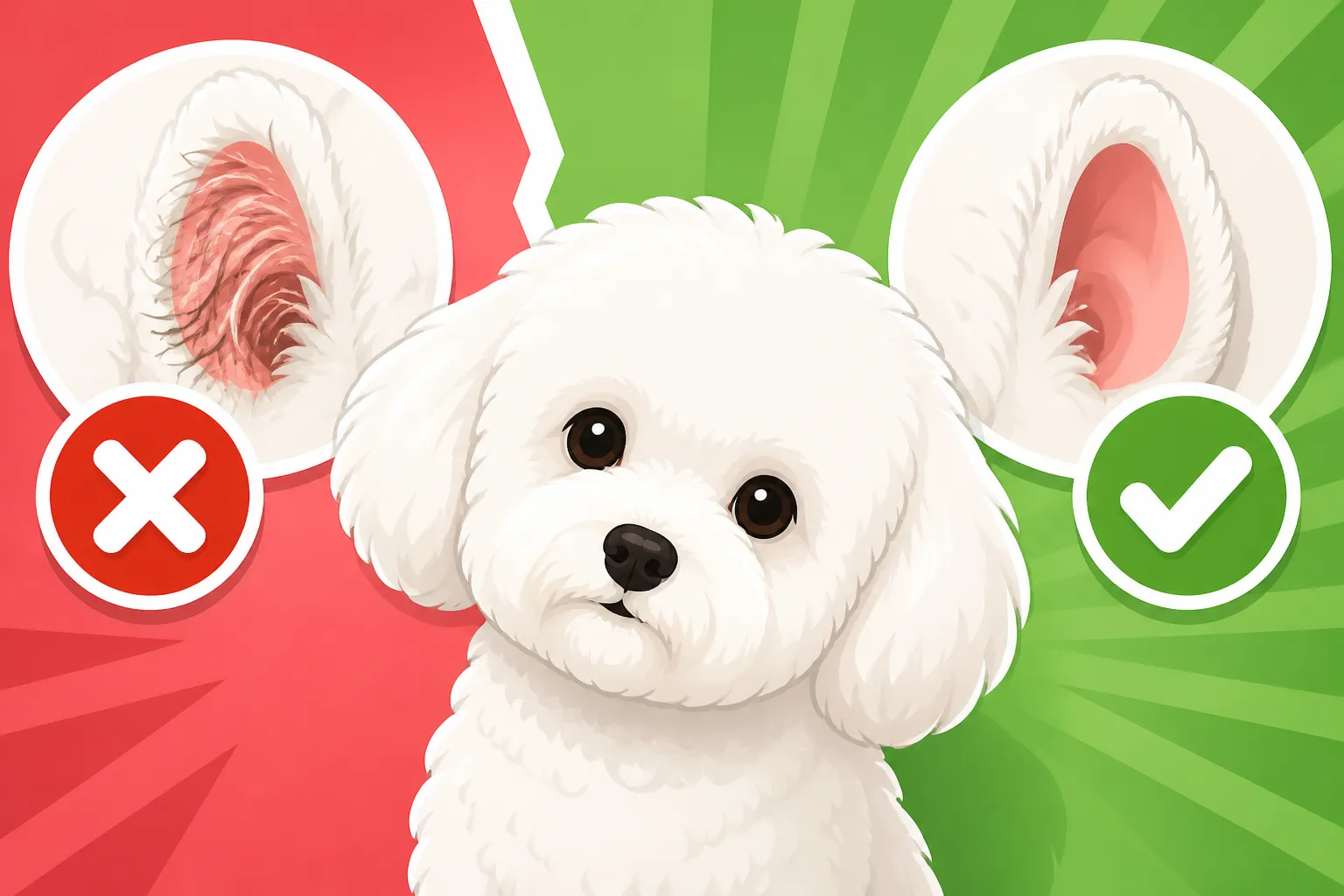
Beyond these behavioral cues, a visual and olfactory check can tell you a lot. Gently lift your Bichon's ear flap and take a good look inside. Is the skin red, inflamed, or swollen? Do you see any discharge – dark brown, yellowish, or black? A healthy ear canal should be pale pink and clean, with minimal odor. Any strong, yeasty, or foul smell is a red flag. Dark, waxy debris can indicate a yeast infection or ear mites, while pus-like discharge often points to a bacterial infection. Don't forget that consistent irritation can also lead your Bichon to display signs of pain or even aggression when you try to touch their ears. Catching these signs early means faster treatment and less discomfort for your beloved pet.
Proactive Measures and Prevention
The best offense is a good defense when it comes to Bichon Frise ear health. Beyond regular, gentle cleaning as discussed, consider environmental and lifestyle factors. Keeping your Bichon's ears dry after baths or swims is paramount. Use cotton balls to gently absorb moisture from the outer ear canal, and a pet-safe ear dryer on a cool setting can help further. Always remember that The Ears a Bichon Frise Needs Cleaned Every Week benefit from a thorough drying process too!
Addressing underlying issues is also critical. Many ear infections in Bichon Frises are secondary to allergies – environmental or food-related. If your Bichon suffers from chronic ear issues, talk to your vet about allergy testing or an elimination diet. Managing allergies can significantly reduce the frequency and severity of ear infections. For example, Managing a Bichon Frise's Skin Without Steroids often involves looking into their diet and environment, which directly impacts ear health. Ensuring your Bichon has a balanced diet and regular veterinary check-ups allows for early detection of any health shifts. Think of it as a holistic approach: healthy dog, healthy ears. Pet insurance, like that offered by Healthy Paws, can be a real lifeline here, helping you afford the necessary diagnostics and long-term management plans for conditions that might manifest as ear issues, making it easier to commit to thorough care for your furry family member. You might be surprised by What a Bichon Frise Costs a Year to Keep when you factor in potential chronic health conditions, so planning ahead is wise.
Comparing Ear Hair Management Approaches
| Feature | Routine Plucking | Gentle Trimming/No Plucking |
|---|---|---|
| Primary Goal | Improve airflow, reduce debris | Maintain natural ear health, prevent trauma |
| Method | Hair pulled from follicles | Hair trimmed at ear canal entrance |
| Pain/Discomfort | High potential for pain and micro-trauma | Minimal to no discomfort |
| Risk of Infection | Can increase risk due to micro-wounds | Lower risk, as skin barrier remains intact |
| Vet Consensus | Generally discouraged for routine care | Preferred method, especially with underlying causes |
| Frequency | As needed, often every 4-8 weeks | As needed, usually during grooming |
| Effectiveness | Temporary relief, but potential for rebound issues | Sustainable, preventative, addresses root causes |
Ultimately, the best approach for your Bichon Frise's ear health should always be discussed with your veterinarian. They can assess your dog's individual needs, considering their specific ear anatomy, history of infections, and overall health status. This personalized approach ensures your Bichon receives the most appropriate and gentle care, helping to keep those fluffy ears happy and healthy for years to come. For more on keeping those sensitive ears healthy, check out Whether a Bichon Frise's Ears Need Treating Constantly.
Disclaimer
Please remember that this article is intended for informational purposes only and is not a substitute for professional veterinary advice. Always consult with a qualified veterinarian for any health concerns or before making any decisions about your Bichon Frise's medical care or grooming routine.