What Pituitary Cushing’s Does to a Bichon Frise
Pituitary Cushing disease in a Bichon Frise causes excess cortisol production from a pituitary tumor overproducing ACTH.
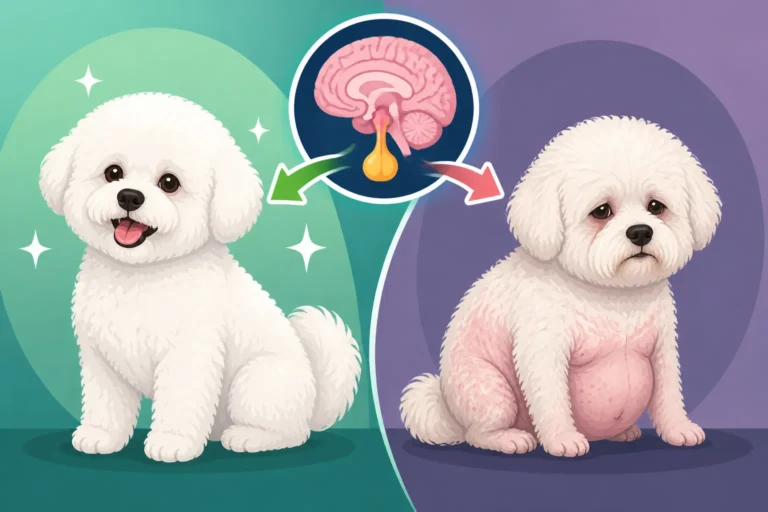
Pituitary Cushing disease in a Bichon Frise causes excess cortisol production from a pituitary tumor overproducing ACTH.

Annual urine testing protects the Bichon Frise breed from calcium oxalate bladder stones, infections, and hidden kidney disease.

Water intake changes a Bichon Frise bladder stone risk by diluting urine and flushing out painful calcium oxalate crystals.

Lifelong urinary diets prevent painful calcium oxalate bladder stones and dangerous urethral blockages in Bichon Frise dogs.

Bichon Frise bladder stone recurrence rates reach thirty to fifty percent within one to three years without strict prevention.
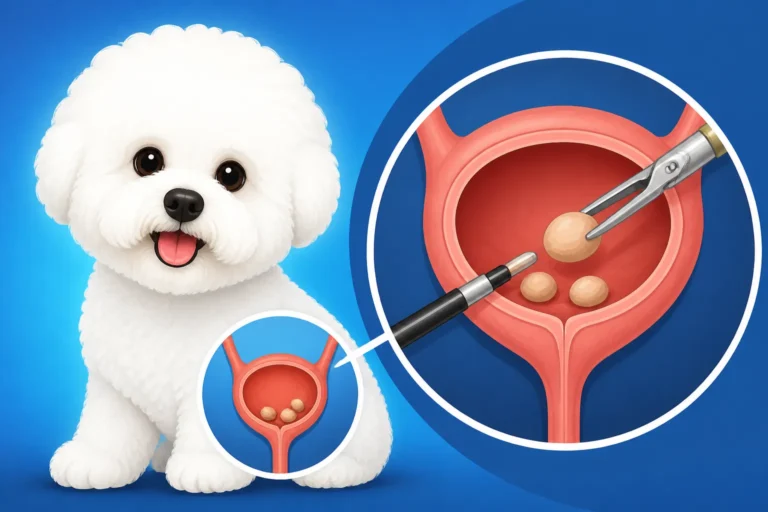
Bichon Frise bladder stone removal involves diagnostic testing, urinalysis, imaging methods, and surgical options to clear the urinary tract.
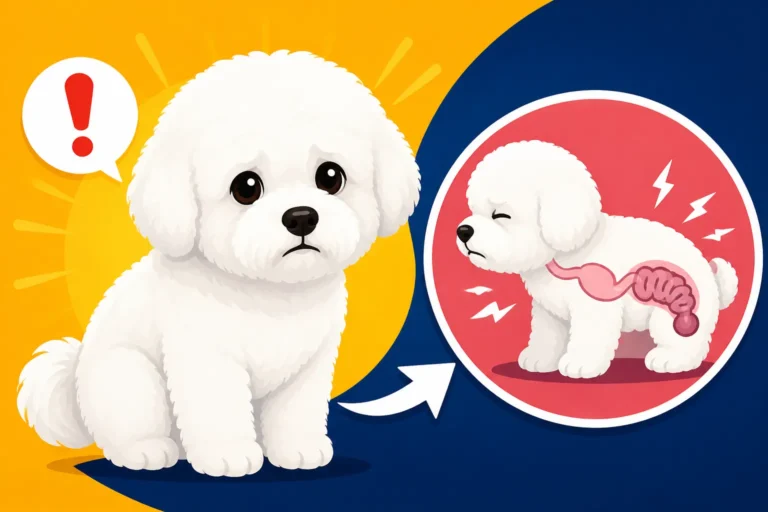
Urinary blockages in Bichon Frises cause painful bladder distension and kidney damage, creating a life-threatening emergency.
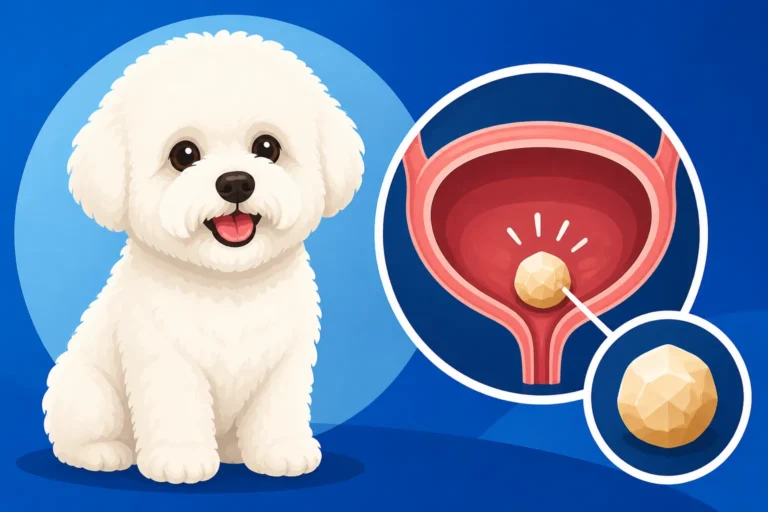
Bichon Frise dogs typically form their first calcium oxalate bladder stones between three and seven years of age due to genetics.
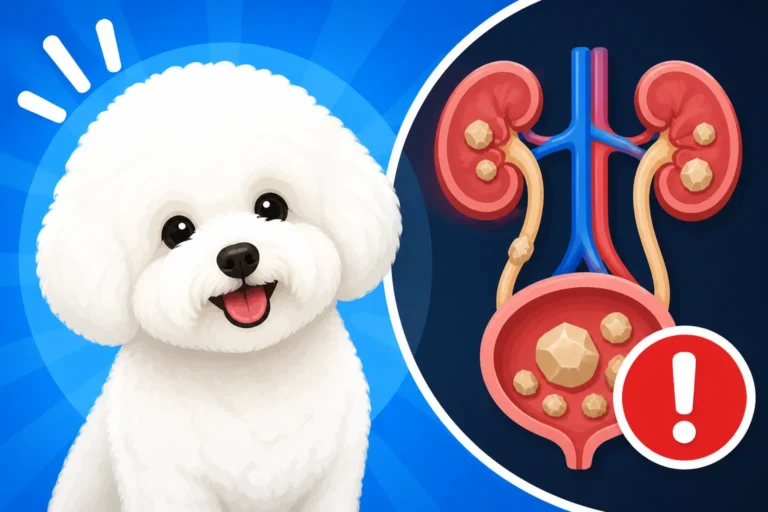
Bichon Frise bladder stones and genetic risks explained through urine chemistry, calcium oxalate formation, and inherited metabolism.
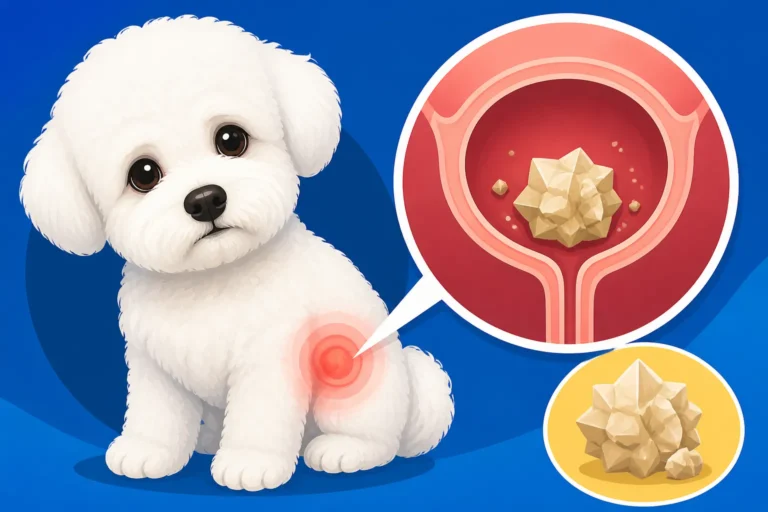
Calcium oxalate stones in Bichon Frises are hardened mineral deposits forming in the urinary tract that require surgical removal.