Spotting a Blocked Bichon Frise in Time
Few things are more terrifying than realizing your beloved Bichon Frise is struggling to urinate. A urinary blockage is a critical, life-threatening emergency that can cause excruciating pain, rapid kidney damage, and even lead to a bladder rupture if not addressed immediately. This comprehensive guide is designed to help you understand the urgent signs of a blocked Bichon, empowering you to act swiftly and potentially save your furry friend's life.
Understanding What a Urinary Blockage Means for Your Bichon Frise
When we talk about a urinary blockage in a Bichon Frise, we're discussing a complete or near-complete obstruction of the urethra, the tube that carries urine from the bladder out of the body. This isn't just a minor inconvenience; it's a veterinary crisis that can escalate incredibly quickly. Their small size and specific predispositions make them particularly vulnerable. It's a scary thought, but being informed is your best defense.
The Anatomy of the Problem: Why Males are More at Risk
The anatomical structure of male dogs places them at a significantly higher risk for urinary blockages compared to females. The male urethra is much longer and narrower, especially as it passes through the penis, making it far easier for stones or sludge to get lodged and create a complete obstruction. Think of it like a plumbing system: a narrow pipe is more prone to clogging. Female Bichons, while still susceptible to stones, have a shorter, wider urethra, which often allows smaller stones or grit to pass more easily, though they are certainly not immune to issues.
This difference in anatomy is crucial for owners to understand. While all Bichons are prone to urinary issues, male Bichon Frises demand extra vigilance when it comes to monitoring their urination habits. Knowing that your male companion is inherently more vulnerable can prompt you to seek help sooner if you notice even subtle changes, which can make all the difference in an emergency situation.
The Dangers of a Complete Obstruction
A complete urinary obstruction is an emergency because the urine, which is constantly being produced by the kidneys, has nowhere to go. It backs up, causing the bladder to distend painfully and the kidneys to struggle under the pressure. This can lead to a rapid accumulation of toxins in the bloodstream, a condition known as uremia, which can cause severe illness, collapse, and even death. The discomfort your Bichon experiences is immense, but the internal damage can be even more severe.
Beyond the immediate build-up of toxins, there's the terrifying risk of bladder rupture. A severely over-distended bladder, under constant pressure from accumulating urine, can literally burst. If this happens, urine, which is essentially a waste product, leaks into the abdominal cavity, leading to peritonitis and a much graver prognosis. Time is truly of the essence when dealing with a blocked Bichon; every hour counts.
Common Causes: Stones, Sludge, and Swelling
While there can be various reasons for a urinary blockage, the most common culprits in Bichon Frises are bladder stones, often specifically calcium oxalate stones. These little guys are genetically predisposed to forming such stones, as detailed in articles like Why a Bichon Frise Forms Stones Twenty Times as Often. These stones, which can range from tiny crystals (often called "sludge" or "sand") to surprisingly large formations, can migrate from the bladder into the urethra.
Sometimes, it's not a singular, solid stone but rather a thick, gritty accumulation of crystalline sludge that gets stuck. In other cases, severe inflammation or swelling in the urethra itself, perhaps due to infection or trauma, can narrow the passage enough to cause an obstruction, even without a physical stone. No matter the cause, the effect is the same: urine cannot pass, and your Bichon is in danger. Understanding what a calcium oxalate stone is in a Bichon Frise is key to appreciating the root of this common problem.
Recognizing the Early Warning Signs of a Blockage
Spotting a blocked Bichon in time means being incredibly observant of their normal behaviors and quickly identifying any deviations. Bichons are often quite stoic, sometimes hiding their pain until it's quite severe, so you really need to be tuned in. Don't dismiss subtle changes; trust your gut if something feels off.
Changes in Urination Habits
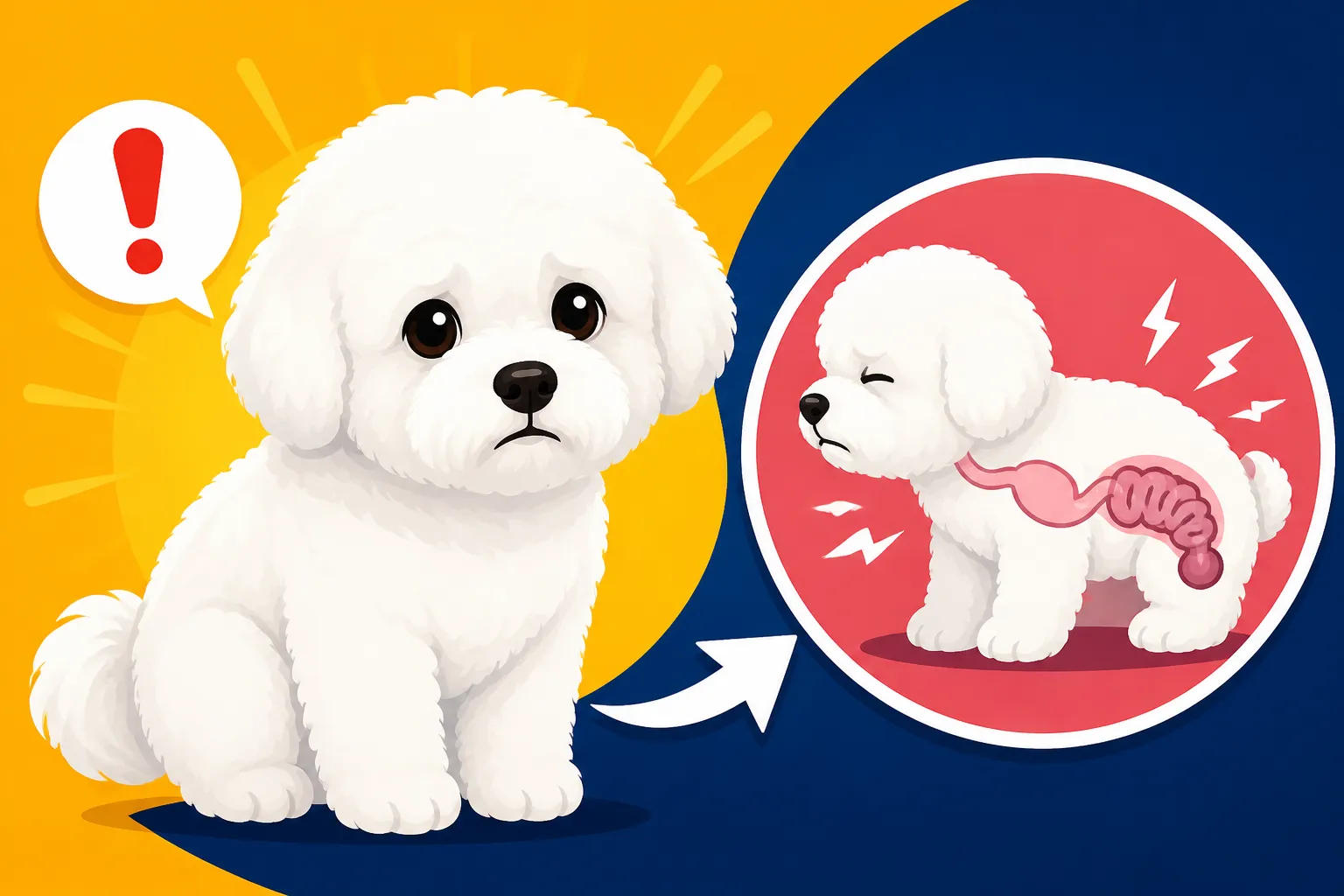
This is the most critical area to monitor. If your Bichon is blocked, they won't be able to urinate normally, if at all. You might see them attempting to urinate much more frequently than usual, straining with little or no urine coming out. Each attempt might be accompanied by obvious discomfort. It's not just "going inside"; it's a frantic, unproductive effort.
You might notice drops of urine, or even just wet spots, rather than a steady stream. Sometimes, owners report seeing their dog trying to urinate in unusual places, or squatting for an unusually long time without success. This straining is a huge red flag. An article on The First Signs a Bichon Frise Has Stones offers more insights into these initial changes. Any significant deviation from their normal routine, especially if they haven't produced much urine in several hours, warrants immediate concern.
Behavioral Shifts and Discomfort
A Bichon in pain from a urinary blockage will likely show clear behavioral changes. They might become restless, unable to settle, or pace around constantly. Conversely, some might become unusually lethargic and withdrawn, seeking solitude. They may lose interest in food or play, which is highly unusual for their generally cheerful disposition.
You might notice them licking at their genitals more than usual, an instinctive attempt to soothe discomfort. They may also vocalize, crying out, whimpering, or grunting when attempting to urinate or when you touch their abdomen. Some Bichons might even become aggressive if you try to handle them due to extreme pain. Remember, a sudden change in disposition often points to a serious underlying issue.
Physical Symptoms to Watch For
Beyond what you see them doing, there are physical signs you can observe, and even feel, if you know what to look for. One of the most telling signs is a distended, firm, and very painful abdomen, particularly in the area where the bladder sits. If you gently try to feel their belly (be very careful not to apply too much pressure if you suspect a blockage, as it can be excruciating), you might notice it feels unusually hard and tight.
Other physical signs include vomiting, a decreased appetite, and general weakness or lethargy. Their gums might appear pale due to dehydration or the accumulating toxins. They might also appear hunched over, a common posture for dogs trying to relieve abdominal pain. If your Bichon is straining, producing little to no urine, and showing these physical symptoms, it’s not just a concern; it’s an emergency. Whether a Straining Bichon Frise Is an Emergency underlines the urgency of such observations.
Differentiating Between a Blockage and Other Urinary Issues
It's easy for owners to get confused between a full urinary blockage and other less severe urinary problems, like a simple urinary tract infection (UTI). While all urinary issues warrant veterinary attention, a blockage requires immediate, emergency intervention. Knowing the subtle (and sometimes not-so-subtle) differences can save precious time.
Urinary Tract Infections vs. Obstruction
Urinary tract infections (UTIs) are common in dogs and share some overlapping symptoms with blockages, such as increased frequency of urination, straining, and sometimes blood in the urine. However, the key difference is the amount of urine produced. With a UTI, your Bichon will likely still be able to pass urine, even if it's uncomfortable and in small amounts. They might have accidents, but they are producing urine.
In a complete blockage, very little to no urine will pass. They will strain intensely but produce mere drops or nothing at all. While a UTI can be painful and needs prompt treatment, it's generally not a sudden, life-threatening emergency like a complete obstruction. If you suspect a UTI, it's vital to get your Bichon checked, but if you suspect a blockage, it's an immediate dash to the emergency vet.
Subtleties of Stone Formation Without Full Blockage
It's entirely possible for your Bichon Frise to have bladder stones without ever experiencing a full urinary blockage. Smaller stones might remain in the bladder, causing irritation, inflammation, and chronic UTIs. Symptoms in these cases can include recurrent blood in the urine, frequent urination, and occasional straining, but again, urine is still passed.
The danger arises when one of these stones, or a collection of sludge, mobilizes and gets stuck in the urethra. This transition from "stones in the bladder" to "obstructed urethra" can happen quickly. Regular check-ups, including urine testing, are crucial for breeds like Bichons prone to stones, helping to catch issues like Whether a Bichon Frise Should Be Urine Tested Yearly before they escalate to an emergency. This proactive approach is vital for their long-term health.
The Urgent Nature of a Blockage Compared to Other Conditions
To truly grasp the urgency, consider the timeline. A UTI might cause discomfort for days or even weeks before becoming severe. Bladder stones might be present for months or years, only causing intermittent symptoms. A complete urinary blockage, however, becomes life-threatening within 24-48 hours, and often much sooner. The clock starts ticking the moment urine flow stops.
This isn't a situation where you can "wait and see" or book a routine appointment for next week. If your Bichon hasn't urinated in several hours and is straining, uncomfortable, or showing any of the other severe signs, it needs emergency veterinary care now. It's better to be overly cautious and have it turn out to be a less severe issue than to delay and face dire consequences.
Here's a quick comparison to help distinguish:
| Symptom | Potential UTI | Potential Urinary Blockage |
|---|---|---|
| Urination Frequency | Increased attempts | Increased, frantic, unproductive attempts |
| Urine Volume | Small amounts, but consistent flow | Drops or no urine at all |
| Straining | Mild to moderate, usually passes urine | Severe, persistent, no urine passes |
| Pain Level | Discomfort, irritation | Severe, obvious pain, whimpering |
| Abdominal Feel | Normal or slightly tender | Distended, firm, very painful |
| Appetite/Energy | May be reduced, but often still active | Often completely off food, lethargic |
| Vomiting | Rare | Common |
| Urgency | Needs vet visit soon | EMERGENCY – needs vet NOW! |
What to Do If You Suspect Your Bichon is Blocked
Okay, you've observed the signs, and your heart is pounding. You suspect your Bichon Frise is blocked. This is not the time for panic, but for swift, decisive action. Your composure will help your dog, and your readiness will save precious time.
Immediate Actions to Take
First and foremost, contact your veterinarian or your nearest emergency veterinary clinic immediately. Do not delay. Explain clearly what you are seeing: "My male Bichon Frise is straining constantly but producing little to no urine, and his belly feels distended and painful. I suspect a urinary blockage." They will instruct you on how quickly to get there.
While you're on the phone and preparing to leave, try to keep your Bichon calm and comfortable. Avoid trying to force them to urinate or applying pressure to their abdomen. Offer a small amount of water if they'll drink it, but don't force it. The goal is to get them to professional medical care as quickly and safely as possible. Every minute counts in these situations.
Communicating with Your Veterinarian
When you call, be ready to provide key information: your dog's breed (Bichon Frise), age, sex, recent symptoms (when they started, how severe, if any urine has passed), and any relevant medical history (e.g., history of bladder stones or UTIs). This information allows the veterinary team to prepare for your arrival and prioritize your Bichon's case.
Don't hesitate to emphasize the urgency. Say, "I believe this is an emergency and my dog is completely blocked." Veterinary staff are trained to recognize the seriousness of a suspected blockage and will guide you. They might advise you to head straight over, or they may ask a few more questions to confirm. Being clear and concise helps them help your Bichon more effectively.
Preparing for an Emergency Visit
Before you rush out the door, take a moment to gather a few essentials. Have your dog's leash and carrier (if they use one) ready. If you have any recent veterinary records, especially related to urinary issues, bring those along. If your Bichon is on any medications, bring those too, or at least a list. Having pet insurance like Healthy Paws can be a huge relief in these unexpected, costly situations, so have your policy information handy.
Be mentally prepared for a potentially lengthy and expensive visit. Emergency care is never cheap, and a urinary blockage requires immediate diagnostic tests and procedures. Having your financial situation in order, whether through savings or a reliable pet insurance plan like Healthy Paws, can alleviate some stress during an incredibly difficult time. The focus must be on your Bichon's health, and being prepared means one less thing to worry about.
The Veterinary Diagnosis and Emergency Treatment
Once you arrive at the emergency clinic, the veterinary team will jump into action. They understand the critical nature of a suspected blockage. You might feel overwhelmed, but rest assured, they are doing everything they can.
How Vets Confirm a Blockage
The vet will perform a thorough physical exam, focusing on your Bichon's abdomen to feel for a distended, firm bladder. They'll also typically attempt to pass a urinary catheter to confirm the obstruction. This is often done under sedation or light anesthesia to minimize discomfort and stress for your pet. Imaging, such as X-rays or ultrasound, is crucial for identifying the cause and location of the blockage. How a Vet Confirms Stones in a Bichon Frise details these diagnostic steps.
Blood work will be taken to assess kidney function and electrolyte levels, as these can be severely affected by a blockage. These tests provide vital information about your Bichon's overall health and the severity of the crisis, guiding the immediate treatment plan. The goal is not just to confirm the blockage, but to understand its impact on your dog's system.
Emergency Procedures to Relieve the Obstruction
The immediate priority is to relieve the pressure on the bladder and restore urine flow. This typically involves passing a urinary catheter to flush the obstruction back into the bladder or out of the urethra. This procedure is delicate and requires expertise. If a stone is too large or firmly lodged, a technique called urohydropropulsion (flushing the stone out) or even a cystotomy (surgical removal of bladder stones) might be necessary. How a Bichon Frise's Stones Are Removed explains these procedures in more detail.
If the obstruction is successfully relieved, your Bichon will likely be hospitalized for several days. This allows for continuous monitoring of urine output, kidney function, and electrolyte balance. They'll receive intravenous fluids to help flush toxins and support kidney health, as well as pain medication and antibiotics. The initial relief of a successful unblocking is immense for both your dog and for you.
Post-Procedure Care and Prevention
Once your Bichon is home, the care doesn't stop. They'll typically be sent home with a urinary catheter for a few days, or if no catheter, will need very close monitoring of their urination. They'll require medications, including antibiotics to prevent infection and pain relief. Your vet will instruct you on how to manage their post-operative care, which might include specific dietary changes.
Prevention is key to stopping future blockages. For Bichons prone to calcium oxalate stones, this almost always means a lifelong prescription diet designed to alter urine pH and dilute minerals, preventing new stone formation. Regular follow-up appointments, urine tests, and sometimes even periodic imaging (X-rays or ultrasound) will be part of their ongoing care. Consider how pet insurance like Healthy Paws could help cover these extensive ongoing veterinary costs.
Long-Term Management and Prevention for Bichon Frises Prone to Stones
A urinary blockage is a wake-up call, but it doesn't have to be a recurring nightmare. With diligent long-term management, you can significantly reduce the risk of your Bichon Frise experiencing another obstruction. It requires commitment, but your furry friend is worth every effort.
Lifelong Dietary Changes
For Bichons who have formed calcium oxalate stones, a prescription veterinary diet designed specifically for stone prevention is absolutely essential and often lifelong. These diets, such as those from brands like Hill's Prescription Diet c/d or Royal Canin Urinary SO, work by modifying urine pH and reducing the concentration of minerals that form stones. This isn't just a recommendation; it's a critical component of their health management. An article like The Diet a Bichon Frise Stays On for Life provides more depth on this crucial topic.
It's vital that your Bichon eats only this prescription food, with no deviations. Even small amounts of regular food, table scraps, or non-approved treats can undermine the diet's effectiveness and increase the risk of stone recurrence. This can be challenging, especially if your Bichon is a picky eater, but consistency is paramount for their health.
The Importance of Consistent Monitoring
Ongoing vigilance is crucial. You'll need to continue monitoring your Bichon's urination habits daily, even after recovery. Any return to straining, frequent attempts, or reduced urine volume should trigger immediate concern and a call to your vet. Regular veterinary check-ups, often including yearly or bi-yearly urine tests and sometimes imaging (X-rays or ultrasound), will be necessary to catch any early signs of stone formation before they lead to another blockage.
Your veterinarian might recommend at-home urine pH testing strips, though these are often more useful for certain types of stones (like struvite) than for calcium oxalates. However, knowing your dog’s urine pH can still provide an additional layer of data. The key is to work closely with your vet to establish a comprehensive monitoring schedule tailored to your Bichon’s specific needs and history.
Encouraging Water Intake and Frequent Urination
Dilute urine is less likely to form stones. Therefore, encouraging your Bichon Frise to drink as much water as possible is a powerful preventative measure. Offering fresh, clean water in multiple bowls, using a pet water fountain, or adding water or broth (ensure it's low sodium and approved by your vet) to their food can all help. Wet prescription food is often recommended because of its higher moisture content, which inherently increases water intake. Whether Water Intake Changes a Bichon Frise's Risk highlights this very point.
Equally important is ensuring frequent opportunities to urinate. The longer urine sits in the bladder, the more time minerals have to crystallize and form stones. Take your Bichon out frequently, even if they don't seem to ask. This helps flush the bladder regularly and prevents the build-up of stone-forming elements. Think of it as continually cleaning the pipes to prevent clogs.
Disclaimer
This article is intended for informational purposes only and does not constitute professional veterinary advice. Always consult with a qualified veterinarian for any health concerns or before making any decisions related to your pet's medical care. In case of a suspected urinary blockage, seek immediate emergency veterinary attention.