Whether a Bichon Frise Should Jump Off Furniture
As a Bichon Frise owner, you’ve probably seen your adorable little fluffball leap off the sofa or bed with surprising agility, landing with a bounce. It’s natural to feel a pang of worry when they do this, wondering if those frequent jumps could be harming their delicate joints and small frame over time. This guide will explore the potential risks associated with Bichon Frises jumping off furniture and provide practical steps to help protect your beloved companion.
The Risks of Jumping for a Bichon Frise's Health
While a Bichon Frise might seem like an invincible, fluffy cloud of energy, their small stature and specific breed predispositions make them vulnerable to certain orthopedic and soft tissue injuries, especially from repetitive high-impact activities like jumping off furniture. What might seem like a harmless little hop can put significant stress on their joints and bones.
Orthopedic Concerns
Bichon Frises, like many small breeds, are unfortunately prone to several orthopedic issues that can be exacerbated by jumping. The force of landing, even from what seems like a low height to us, can be considerable for their tiny bodies, putting strain on areas that are already genetically predisposed to weakness.
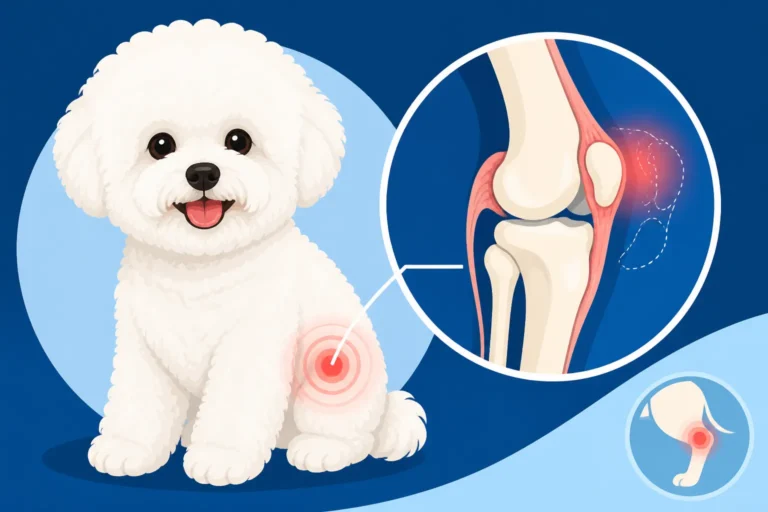
One of the most common issues is Slipping Kneecaps in a Bichon Frise, medically known as patellar luxation. This condition involves the kneecap (patella) slipping out of its groove in the thigh bone. Each time your Bichon jumps and lands, especially if they land awkwardly, it can increase the likelihood of the kneecap dislocating or further aggravating an already loose patella. Over time, this constant stress can lead to pain, inflammation, and even degenerative joint disease. Many owners only notice a "skip" in their dog's step, which can be an early sign that The Skip That Means a Bichon Frise's Knee Has Gone. It's crucial to understand that even minor luxations can worsen with repeated impacts.
Another less common but severe orthopedic condition seen in smaller breeds like Bichons is Legg-Calve-Perthes disease, which affects the hip joint. While not directly caused by jumping, impact can certainly aggravate symptoms in an affected dog. This condition involves the spontaneous degeneration of the head of the femur, leading to bone death and collapse. For a Bichon already predisposed or in the early stages, the constant jarring from jumping could worsen the joint damage, making them experience pain and lameness much sooner or more severely. It's a debilitating condition that typically shows up in young dogs and requires careful management.
Spinal and Soft Tissue Injuries
Beyond the primary orthopedic concerns, jumping can also lead to a host of other painful injuries that affect the spine, muscles, and ligaments. These injuries might not always be immediately apparent but can cause chronic discomfort and reduce your Bichon's quality of life.
Even though Bichon Frises aren't as notoriously prone to intervertebral disc disease (IVDD) as breeds like Dachshunds, any significant impact or twist can still strain their spinal column. Landing improperly, especially if they twist their body mid-air or land on an uneven surface, can put undue pressure on their discs. This could potentially lead to disc bulging or herniation, causing pain, nerve compression, and in severe cases, partial or full paralysis. Such an injury can be incredibly painful and costly to treat, often requiring crate rest, medication, or even surgery.
Furthermore, simple muscle strains, ligament sprains, or tendonitis can easily occur from jumping. Imagine the strain on a small dog's hind leg muscles as it pushes off or absorbs the impact of a landing. These soft tissue injuries can cause lameness, tenderness, and a reluctance to move. While seemingly minor, they can take weeks to heal and may require restricted activity and anti-inflammatory medications. In more severe cases, tiny fractures, especially in the bones of the paws or lower legs, can result from a bad landing. These small bones are more fragile than we often realize, and an awkward tumble can lead to a painful break that requires casting or surgery.
Age-Related Vulnerabilities
The effects of jumping aren't static; they change significantly depending on your Bichon Frise's age. Both very young puppies and senior dogs have increased vulnerability to injury, making a consistent approach to preventing jumps crucial throughout their lives.
Puppies, with their still-developing bones, growth plates, and ligaments, are particularly susceptible to injury. Their skeletal structures haven't fully solidified, making them more pliable and thus more prone to damage from impact. A bad jump during this critical growth period could lead to long-term orthopedic problems, setting them up for issues like worsened patellar luxation or early-onset arthritis. Owners should be extra diligent during the first year, providing safe access and gentle play to protect their growing joints. Remembering what What a Bichon Frise's First Year Costs often involves routine vet visits, it's wise to avoid unnecessary emergency ones from preventable accidents.
On the other end of the spectrum, older Bichons face a different set of challenges. As dogs age, their joints naturally start to show wear and tear, and many develop Arthritis in a Bichon Frise at Eleven or even earlier. Their muscles may weaken, their coordination might not be as sharp, and their bones can become more brittle. A jump that a younger Bichon could easily manage might result in a painful fall, a severe sprain, or even a fracture in a senior dog. Caring for a Bichon Frise Past Eleven often involves making modifications to their environment to minimize strain, and preventing furniture jumps is a key part of that care. The cumulative effect of years of jumping can finally catch up, turning once-agile leaps into dangerous feats.
Preventing Furniture Jumping and Mitigating Risks
Understanding the risks is the first step, but the real challenge for many Bichon Frise owners is how to effectively prevent their dogs from jumping off furniture without completely isolating them from family life. The good news is there are many practical solutions that can help keep your fluffy friend safe.
Providing Safe Access
The most straightforward way to prevent unsafe jumps is to offer an alternative, safe way for your Bichon to get on and off elevated surfaces. This means investing in and properly using dog ramps or steps.
Ramps are an excellent option, particularly for dogs with existing joint issues or those who are less agile. They provide a gentle incline, eliminating any impact on the joints. When choosing a ramp, look for one with a non-slip surface to ensure your Bichon feels secure, and make sure it's sturdy enough not to wobble. Place ramps next to your most frequented sofas, chairs, and beds, especially if your Bichon loves to cuddle up with you. It might take a little patience and positive reinforcement (think tasty treats!) to teach them to use it, but it's a small investment in their long-term health.
Dog steps are another popular choice, especially if you have less space or your furniture isn't excessively high. Like ramps, they should be stable and have a non-slip surface. Many pet stores offer a variety of styles, from carpeted wooden steps to foam-filled ones that are lightweight and easy to move. The key is to find steps that match the height of your furniture so your Bichon isn't still having to make a small leap at the top or bottom. Again, gentle training with rewards will help them associate the steps with safe access to their favorite spots. Teaching them to use these tools not only protects them but also allows them to maintain their independence in accessing comfortable resting places.
Training and Management Techniques
While physical aids are invaluable, training and consistent management also play a huge role in minimizing jumping risks. It’s about teaching your Bichon appropriate behaviors and structuring their environment for safety.
Teaching your Bichon the "off" command is a fundamental skill that can be incredibly useful. Start by luring them off the furniture with a treat, saying "off" as they move. Reward them immediately when all four paws are on the floor. Practice this consistently, and soon, "off" will become a reliable cue. This command isn't just for safety; it's also helpful for general manners. For those times when you can't be actively supervising, using physical barriers like baby gates can prevent access to rooms with high furniture. This is especially helpful for puppies who are still learning boundaries and for senior dogs whose mobility might be declining.
Supervision is paramount, particularly during vulnerable periods. Young puppies are often fearless and will try to jump off anything, simply because they haven't learned the consequences. Older dogs, on the other hand, might misjudge a jump due to failing eyesight or weakened muscles. Active supervision allows you to intervene before a dangerous jump happens, redirecting them to their ramp or steps. Creating designated, safe, floor-level resting spots, like a comfy dog bed near the sofa, can also encourage them to relax without needing to be up high all the time. Remember that consistency is key; if you sometimes allow jumping and sometimes don't, it will confuse your Bichon and make training much harder.
Environmental Modifications
Sometimes, the best prevention involves looking at your home environment itself and making adjustments to minimize risk factors for your small dog. These changes can create a safer space for your Bichon Frise to live and play.
Consider the height of your furniture. While replacing all your beloved pieces isn't realistic for most, if you're ever in the market for new furniture, opting for lower sofas or beds could be a long-term solution. Even adding extra-thick cushions to the floor around popular jumping spots can provide a softer landing, reducing the impact on their joints if they do decide to take a leap. It’s about creating a safety net for those moments when prevention isn't 100% effective.
Another critical environmental factor is your home's flooring. Slippery surfaces like hardwood, tile, or laminate can be treacherous for small dogs, especially when jumping. The lack of traction can lead to slips and falls upon landing, potentially exacerbating joint problems or causing acute injuries. Placing rugs or carpet runners in high-traffic areas, particularly around furniture, can provide much-needed grip. You can also consider non-slip paw pads or dog booties if your Bichon tolerates them. These simple modifications can significantly reduce the risk of slips, strains, and falls, protecting your Bichon’s joints.
When to Be Concerned: Signs of Injury
Despite your best efforts to prevent jumping, accidents can still happen, or subtle signs of joint stress might appear over time. It’s absolutely essential for Bichon Frise owners to be vigilant and recognize the early indicators that their dog might be in pain or has sustained an injury. Early intervention can make a world of difference in prognosis and recovery.
Recognizing Subtle Changes
Bichons are often stoic, and sometimes their pain signals can be subtle, easily mistaken for just being "tired" or "grumpy." As their guardian, you know your dog best, so pay close attention to any shifts in their normal behavior or movement patterns.
Limping or favoring a limb is one of the most obvious signs. It might be a persistent limp, or it could be intermittent, appearing after a period of rest or activity. You might notice them shifting their weight, avoiding putting pressure on one leg, or even holding a paw up. If your Bichon is suddenly reluctant to jump, use stairs, or even get up from a lying position, these are red flags. A change in their gait, such as a bunny hop, stiffness, or a wobbly walk, also warrants immediate attention. These can be indicators of something like a Whether a Bichon Frise's Kneecap Needs Surgery being required, or other serious joint issues.
Beyond physical lameness, changes in disposition can also signal pain. An otherwise cheerful Bichon might become withdrawn, irritable, or even snap when touched in a particular area. They might spend more time resting, lose interest in playing, or have a decreased appetite. Excessive licking or chewing at a specific joint or paw could indicate discomfort in that area. Remember, any sudden vocalization, like a yelp or whimper, when they move or are picked up, is a clear sign that something is amiss. It’s their way of telling you, "I hurt!"
The Importance of Veterinary Consultation
When you observe any of these signs, even if they seem minor, it's crucial not to adopt a "wait and see" approach. Small problems can escalate quickly in small breeds, and timely veterinary care can prevent further damage and alleviate suffering.
Your veterinarian is the best person to assess the situation. They will perform a thorough physical examination, checking for tenderness, swelling, range of motion in the joints, and stability. They might also recommend diagnostic imaging, such as X-rays, to get a clearer picture of what's going on internally. For instance, if your Bichon is limping, Whether a Limping Bichon Frise Needs X Rays is a common and often necessary step to diagnose issues like fractures, significant arthritis, or severe luxating patella. Don't hesitate to provide your vet with a detailed history, including when you first noticed the signs, any specific incidents, and changes in behavior. The more information they have, the better they can pinpoint the problem.
Dealing with unexpected vet bills for injuries can be stressful, which is where pet insurance can be a huge help. Companies like Healthy Paws offer comprehensive plans that can cover a significant portion of diagnostic tests, treatments, and even surgeries for unforeseen accidents or illnesses. Having a good insurance policy in place means you can make decisions about your Bichon's care based on what's best for their health, rather than solely on your immediate financial capacity. This peace of mind allows you to get them the best possible treatment without delay.
Long-Term Joint Health Strategies
Protecting your Bichon Frise from the immediate dangers of jumping is important, but a holistic approach to joint health also involves proactive, long-term strategies. These efforts support their skeletal system throughout their life, reducing their susceptibility to injury and mitigating the effects of aging.
Diet and Weight Management
One of the most impactful things you can do for your Bichon's joint health is to maintain them at a healthy weight. Extra pounds put enormous strain on all joints, including the knees, hips, and spine, amplifying the risks associated with jumping and general wear and tear.
Even a small amount of excess weight on a tiny Bichon Frise can be equivalent to several extra pounds on a human, making a significant difference to their delicate joints. Work with your veterinarian to determine the ideal weight for your individual dog and choose a high-quality diet appropriate for their age and activity level. If your Bichon is overweight, a controlled weight loss plan, including reduced calorie intake and appropriate exercise, is paramount. Avoiding excessive treats and human food scraps is also crucial. Every ounce counts when it comes to safeguarding those small joints.
Beyond weight control, certain dietary supplements can support joint health. Ingredients like glucosamine, chondroitin, and omega-3 fatty acids (specifically EPA and DHA) are widely recognized for their anti-inflammatory properties and ability to support cartilage health. While these aren't magic bullets and should always be discussed with your vet, especially before starting any new supplement regimen, they can be a beneficial addition for proactive joint support or for dogs already showing signs of early arthritis. Many owners wonder Whether Joint Supplements Help a Bichon Frise, and the answer is often yes, when used appropriately under veterinary guidance.
Regular, Controlled Exercise
While high-impact activities are a no-go, appropriate and regular exercise is vital for maintaining muscle strength, flexibility, and overall joint health. It's about finding the right balance to support, not strain, their small bodies.
Daily walks are an excellent form of controlled exercise for Bichons. These walks help build and maintain strong muscles around their joints, which act as natural shock absorbers and provide stability. Aim for short, frequent walks rather than one long, strenuous outing. For example, two to three 15-20 minute walks a day are generally much better than one hour-long power walk for a small dog. This ensures they get enough movement without over-exerting themselves or putting excessive stress on their joints. Consider using a harness instead of a collar for walks, as Whether a Bichon Frise Should Wear a Harness can prevent strain on their delicate neck and trachea.
It's equally important to avoid activities that involve excessive jumping, twisting, or hard landings, even during playtime. While a game of fetch in the yard is fun, try to keep the ball rolling on the ground rather than having them leap to catch it. Supervise play with other dogs to ensure it doesn't get too rough or involve high-impact maneuvers. Swimming can be a fantastic, low-impact exercise for Bichons, as it allows them to use their muscles without putting weight on their joints. The key is moderation and observation; always adjust their exercise routine based on their energy levels, age, and any existing health conditions.
Furniture Access Solutions Comparison
To help you decide the best way to keep your Bichon Frise safe around furniture, here's a comparison of common solutions:
| Feature | Dog Ramps | Dog Steps | Pros | Cons | Best For |
|---|---|---|---|---|---|
| Angle/Gradient | Gentle, continuous incline | Multiple horizontal steps, then a small vertical step | No impact on joints, ideal for senior dogs or those with severe orthopedic issues. | Can take up more floor space, some dogs might be hesitant to use them initially. | Dogs with arthritis, luxating patella, Legg-Calve-Perthes, or recovering from surgery. |
| Space Required | Moderate to large, depending on ramp length | Small to moderate, depending on number of steps | Easier for smaller spaces, less obtrusive. | Some dogs may still attempt to jump the last step, less smooth transition than a ramp. | Younger, more agile Bichons; owners with limited space; dogs who adapt quickly to new objects. |
| Ease of Use | Can require more training for some dogs to trust | Generally intuitive for most dogs, like human stairs | Once learned, provides very smooth, consistent access. | Still involves small "steps" up and down, which can put some minimal impact on joints compared to a ramp. | Dogs that are already comfortable with stairs or elevated surfaces. |
| Portability | Often foldable, but can be bulky | Usually lighter and more compact | Good for travel or moving between rooms. | May feel less stable if very lightweight or poorly constructed. | Owners needing flexible solutions for multiple rooms or travel. |
| Cost Range | Moderate to High (due to length and material) | Low to Moderate (many material options) | Wide range of options to fit various budgets. | Higher quality, sturdier options will naturally cost more. | Depends on material and size; generally, steps are more budget-friendly. |
| Recommended Use | Primary access for all furniture; mandatory for dogs with severe joint issues. | Good for occasional access or if a ramp is too long for the space. | Reduces risk of acute injury and long-term joint damage. | May still not be suitable for the most severe orthopedic conditions, where a ramp is always superior. | As a preventative measure for healthy Bichons or for dogs with mild joint concerns. |
Disclaimer
The information provided in this article is for general informational purposes only and is not intended as a substitute for professional veterinary advice. Always seek the advice of your veterinarian or other qualified health provider with any questions you may have regarding a medical condition or the health and welfare of your Bichon Frise. Never disregard professional veterinary advice or delay in seeking it because of something you have read in this article.