Whether an Untested Bichon Frise Litter Is Worth Buying
The adorable fluffball in front of you can be incredibly tempting, especially when you're caught up in the excitement of bringing a new puppy home. But the thought of purchasing a Bichon Frise puppy from a litter where the parents haven't had any health testing can stir up a lot of worry and uncertainty. It’s a common dilemma, and navigating the world of breeders and health clearances can feel overwhelming. This guide aims to clear up the confusion, lay out the facts, and help you decide if an untested Bichon Frise litter is truly a worthwhile investment for your family.
Why Health Testing Matters So Much for Bichon Frises
When you're looking for a Bichon Frise, you're not just picking a cute face; you're committing to a living creature for potentially a decade or more. And while every dog can develop health issues, the Bichon Frise breed, like many purebreds, is predisposed to certain genetic conditions. Reputable breeders conduct specific health tests on their breeding stock to try and minimize the chances of passing these preventable issues down to the next generation. Skipping these tests is like buying a car without checking if the engine works—you might get lucky, but the risks are substantial.
One of the most notorious issues for our fluffy friends is bladder stones. It's a shocking statistic, but Bichon Frises are known to form stones much more frequently than many other breeds. To understand more, you can read about Why a Bichon Frise Forms Stones Twenty Times as Often. These aren't just minor inconveniences; they can lead to painful blockages, emergency surgeries, and a lifetime of special diets. While there isn't a single definitive genetic test for bladder stone predisposition that breeders routinely use, breeders can track the incidence in their lines, discuss diet, and advocate for responsible management of this pervasive issue. They also ensure their dogs are generally healthy and don't show early signs of urinary trouble before breeding. An untested parent means you have no idea about the urinary health history in that dog's lineage, leaving you vulnerable to a costly and painful problem for your future pup.
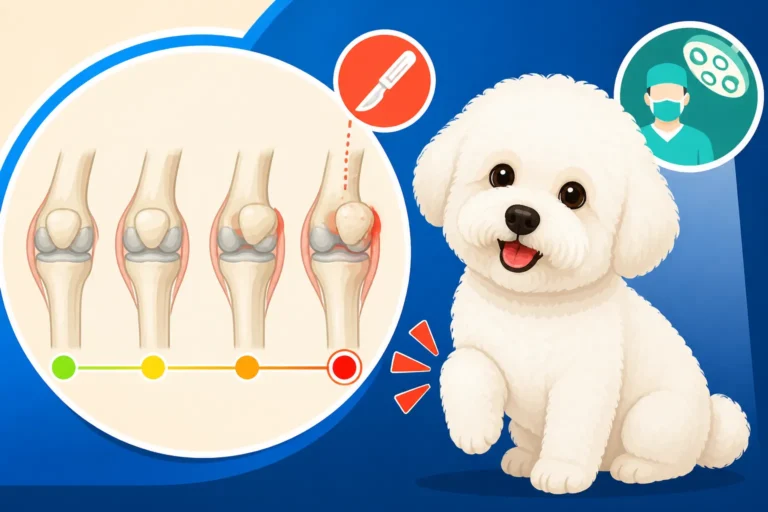
Another significant concern for Bichons is orthopedic problems, particularly Slipping Kneecaps in a Bichon Frise, medically known as luxating patellas. This is where the kneecap slips out of place, causing pain, lameness, and potentially requiring expensive surgery. OFA (Orthopedic Foundation for Animals) certifications are crucial here. Breeders should have their dogs' knees examined by a veterinarian and graded to ensure they are structurally sound. Buying from untested parents means you could be bringing home a puppy with a genetic predisposition to this condition, which might manifest as a slight skip in their gait as a puppy, or severe lameness in adulthood. It's not just about the cost; it's about your dog's quality of life.
Lastly, the beautiful The Eyes a Bichon Frise Inherits are also prone to certain genetic conditions. Juvenile cataracts, progressive retinal atrophy (PRA), and even conditions that can lead to chronic dry eye are seen in the breed. Eye certifications through organizations like the OFA or by a veterinary ophthalmologist (CERF exam) are vital. These exams help identify breeding dogs with inherited eye diseases that could lead to blindness or chronic discomfort for their offspring. Without these tests, you're essentially rolling the dice on your puppy's vision, which can be heartbreaking and costly to manage if problems arise. These aren't rare conditions; they are significant health concerns in the breed, and responsible breeders are actively working to reduce their prevalence through careful selection.
Understanding What "Untested" Really Means
When a breeder says their litter is "untested," or perhaps more subtly avoids discussing health clearances, it's a huge red flag that requires immediate attention. It doesn't necessarily mean the parents are unhealthy; it simply means their health status, particularly concerning common genetic predispositions, has not been formally evaluated or certified by a veterinary specialist. This lack of transparency can hide a multitude of potential problems and risks.
Responsible breeding isn't just about pairing two cute dogs. It involves a deep understanding of genetics, breed-specific health concerns, and a commitment to producing healthy, well-adjusted puppies. For Bichon Frises, "tested" typically refers to specific certifications. For patellas, an OFA Patella evaluation is standard. For eyes, a yearly eye exam by a certified veterinary ophthalmologist (often leading to a CERF or OFA Eye Certification Registry number) is crucial. While there isn't a direct genetic test for stone predisposition or The Atopic Skin a Bichon Frise Is Born With, responsible breeders actively track health within their lines, including incidence of stones, allergies, and other health issues, and are open about these discussions. They consider the health history of grandparents, siblings, and previous litters, not just the immediate parents.
An "untested" litter implies a significant unknown. The breeder might claim the parents are "healthy, seen by our vet," but a general vet check-up, while important, is not the same as a specialized health clearance. A general vet might not detect a mild luxating patella that could worsen with age or miss early signs of an inherited eye condition. These specialized tests often require referral to board-certified veterinarians (like orthopedic specialists or ophthalmologists) and specific imaging or examinations that go beyond a routine wellness visit. A breeder who truly prioritizes health will have verifiable documentation for these tests, readily available for prospective buyers to review. They'll be proud to show you certificates and explain what they mean. If they can't or won't, that silence speaks volumes.
The absence of testing also raises questions about the breeder's overall commitment to the breed's welfare. Are they just breeding for profit, or are they genuinely trying to improve the breed and ensure healthy puppies? Puppy mills and backyard breeders often bypass these crucial steps to save money and time, offloading the potential health burdens onto unsuspecting buyers. While you might find a puppy from an untested litter at a lower initial price, this saving is almost always dwarfed by the potential vet bills down the line. It's a short-term gain that can lead to long-term heartbreak and financial strain.
The Potential Long-Term Consequences of Choosing an Untested Litter
The immediate joy of a new puppy can sometimes overshadow the practicalities and potential challenges ahead. Choosing an untested Bichon Frise litter can lead to a host of long-term consequences, both financial and emotional, that many new owners aren't prepared for. It's not just about what a puppy costs from a real breeder; it's about the lifetime cost of care, especially if that care involves managing chronic or complex health conditions. You might think you're getting a deal, but often, it's a hidden cost waiting to manifest.
Financially, the impact can be staggering. Imagine bringing home your adorable Bichon puppy, only to find by their first birthday that they're experiencing lameness from a luxating patella. Surgery for this condition can easily run into thousands of dollars per knee. Or perhaps they start straining to urinate, and after diagnostics, you discover they have bladder stones requiring surgical removal. To learn more about this, see What One Bichon Frise Stone Surgery Costs and What Three Cost. These aren't isolated incidents; they are common in the breed, and the risk is significantly higher with untested parents. Without health clearances, you have no recourse if these issues arise, and pet insurance might not cover conditions considered "pre-existing" if the symptoms developed before coverage. Even with insurance, managing a dog with chronic issues will still involve deductibles, co-pays, and potentially rising premiums. Providers like Healthy Paws offer great coverage, but even they can’t make pre-existing conditions disappear.
Beyond the financial strain, there's the immense emotional toll. Watching your beloved pet suffer, undergoing multiple surgeries, or requiring lifelong medication and management is incredibly difficult. The dog that was supposed to be a source of joy becomes a source of constant worry and stress. It can also deeply affect the bond you share, as you navigate frequent vet visits, administer medications, and adjust your life around your dog's needs. The dream of a happy, playful companion can be overshadowed by the reality of a dog prone to chronic health issues. Moreover, coping with a dog in pain or discomfort can be exhausting, physically and emotionally.
Consider the time commitment as well. Managing a dog with significant health problems often means numerous vet appointments, specialized diets, daily medication regimens, physical therapy, and careful monitoring. This can be incredibly time-consuming, impacting your work, social life, and overall well-being. What might seem like a small risk at the beginning can blossom into a demanding full-time commitment that you never anticipated. A healthy start, backed by responsible breeding, sets the foundation for a happier, less stressful life for both you and your Bichon Frise.
Here's a quick comparison to help visualize the difference:
| Feature | Untested Bichon Frise Litter | Health-Tested Bichon Frise Litter |
|---|---|---|
| Initial Purchase Price | Often lower | Typically higher, reflecting breeder investment |
| Breeder Transparency | Vague or absent health documentation | Clear, verifiable health certificates (OFA, CERF) readily available |
| Known Health Risks | High risk for inherited conditions like luxating patellas, eye disease, bladder stones | Significantly reduced risk for genetic conditions tested for |
| Potential Vet Bills | Very high for chronic issues, emergency surgeries | Lower likelihood of major inherited health issues |
| Pet Insurance Coverage | May face exclusions for conditions that manifest early | More likely to cover unexpected illnesses or accidents |
| Emotional Impact | High stress, worry, and sadness if issues arise | Greater peace of mind, knowing proactive steps were taken |
| Time Commitment | Potentially significant for ongoing medical care | Standard care, less likely to require extensive medical management |
| Breeder Reputation | Often associated with backyard breeders or puppy mills | Associated with ethical, responsible, and knowledgeable breeders |
Navigating the Search for a Responsible Bichon Frise Breeder
So, you've decided that the peace of mind that comes with a health-tested puppy is worth it. But how do you actually find that responsible breeder when there are so many options out there, some more legitimate than others? It requires patience, research, and a willingness to ask tough questions, but it's absolutely crucial for setting your new family member up for success. Understanding What a Bichon Frise Puppy Costs From a Real Breeder can help manage expectations.
Start by looking for breeders who are affiliated with national or local breed clubs, such as the Bichon Frise Club of America. These clubs often have codes of ethics that members must adhere to, including mandatory health testing. They can also provide referrals to reputable breeders in your area. Websites like the Orthopedic Foundation for Animals (OFA) also allow you to search for health certifications by dog name or breed, enabling you to verify a breeder's claims. Don't be shy about asking for specific OFA numbers or CERF documentation for the parents of the litter. A good breeder will be proud to share this information and explain what it means. You should also inquire about Whether a Bichon Frise Breeder Screens for Stones, even if it's through careful lineage tracking rather than a specific genetic test.
When you contact a breeder, pay attention to their responses. Do they seem knowledgeable about the breed's health issues? Do they ask you a lot of questions about your living situation and experience with dogs? A responsible breeder is just as invested in finding the right home for their puppies as you are in finding the right puppy. They'll want to ensure their puppies are going to homes where they will be well cared for, and they'll be transparent about the health and temperament of their breeding dogs and previous litters. Ask about their What a Bichon Frise Health Guarantee Covers, which should offer some protection against genetic health issues.
Finally, be prepared to wait. Reputable breeders don't always have puppies available immediately. They plan litters carefully, often have waiting lists, and focus on quality over quantity. This waiting period is a good sign, as it indicates thoughtful breeding practices rather than impulsive pairings. Visiting the breeder's home (if possible) to meet the mother and see the environment the puppies are raised in can also offer invaluable insight into their practices. While the initial cost of a well-bred, health-tested Bichon Frise might be higher, remember that this upfront investment is often a small fraction of what you could potentially spend on vet bills and ongoing care for a dog with inherited health problems. It's about securing a healthy, happy future for your cherished companion. Considering the yearly expenses, you may also want to research What a Bichon Frise Costs a Year to Keep. Even with good pet insurance like Healthy Paws, preventative measures taken by a responsible breeder are invaluable.
Disclaimer
Please remember that this article provides general information and should not be considered a substitute for professional veterinary advice. Always consult with a qualified veterinarian regarding your pet's health and treatment options. The information provided about specific health conditions is for educational purposes only.