Whether a Bichon Frise Should Be Encouraged to Drink
Oh, the age-old question for us Bichon Frise parents: are they drinking enough? It’s a worry that often sits in the back of our minds, especially when we hear about how prone these little fluffballs are to certain health issues that can be influenced by hydration. This guide is all about diving deep into why encouraging your Bichon to drink more water is incredibly important, and more importantly, how you can actually achieve it without turning your home into a hydration battleground.
The Critical Importance of Hydration for Bichon Frises
When you think about your Bichon Frise, you probably picture their fluffy white coat, their playful antics, and maybe their charming little face. What you might not immediately consider is the intricate workings of their internal systems, particularly how vital proper hydration is for their long-term health. For Bichons, this isn't just a general health recommendation; it's a cornerstone of preventative care.
Why Bichons Need More Water Than You Might Think
At a basic level, water is essential for every living creature. It helps regulate body temperature, lubricates joints, aids in nutrient absorption, and flushes toxins from the body. For our Bichon Frises, these general benefits are amplified by their breed-specific predispositions. We're talking about conditions that can become quite serious and expensive to treat if not managed properly.
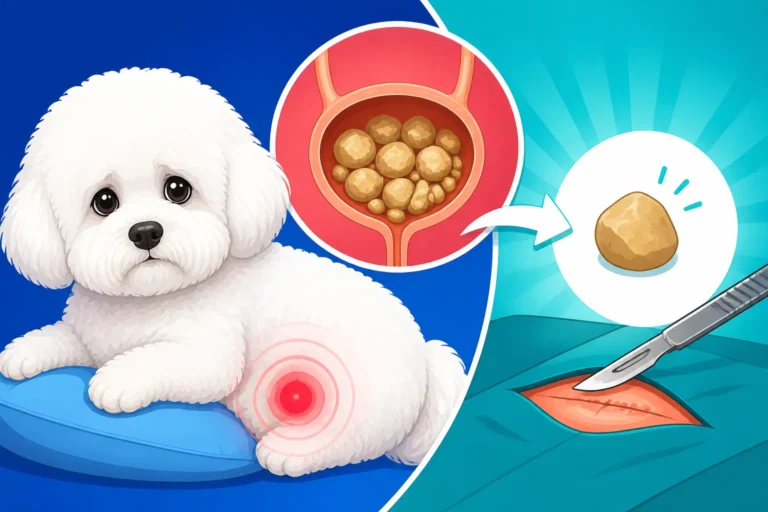
Specifically, Bichons are notoriously susceptible to developing bladder stones, particularly calcium oxalate stones. Imagine a tiny river carrying pebbles; if the water flow is strong and steady, those pebbles keep moving along. If the flow dwindles to a mere trickle, the pebbles settle, clump together, and can eventually form a dam. That's a bit like what happens with urine and bladder stones in your Bichon. When urine is concentrated, the minerals that form stones have a much easier time crystallizing and growing. By encouraging your Bichon to drink more, you're essentially ensuring a strong river flow, diluting their urine and making it significantly harder for those crystals to form and accumulate into painful stones. This proactive approach can potentially save your furry friend from the discomfort and danger of conditions like those discussed in Why a Bichon Frise Forms Stones Twenty Times as Often. Proper hydration also plays a crucial role in maintaining healthy kidney function, which is essential for filtering waste products from their blood. Beyond the urinary tract, adequate water intake contributes to a healthy, lustrous coat, promotes good digestion, and supports overall energy levels, keeping that signature "Bichon blitz" spirit alive and well.
Understanding the Risks of Dehydration
Even mild dehydration can have a noticeable impact on your Bichon's well-being, and severe dehydration can be life-threatening. The tricky part with Bichons, often hidden beneath all that glorious fluff, is that the subtle signs of dehydration can be hard to spot. You might not immediately notice dry, sticky gums or a loss of skin elasticity if you're not specifically looking for it. A lethargic demeanor or slightly sunken eyes might be attributed to a long nap rather than a lack of water.
However, the consequences of insufficient water intake are very real. The most pressing concern for Bichon owners is the increased risk of urinary tract infections (UTIs) and, as mentioned, bladder stone formation. Concentrated urine creates an ideal breeding ground for bacteria, leading to uncomfortable and potentially serious infections. If your Bichon isn't drinking enough, their urine becomes supersaturated with minerals, dramatically increasing the likelihood of those pesky calcium oxalate crystals forming, which can rapidly lead to stones. Beyond the urinary system, chronic dehydration can strain the kidneys over time, potentially leading to more severe kidney issues down the line. In warmer weather or after intense play, inadequate hydration also significantly elevates the risk of heatstroke, a veterinary emergency that can quickly turn fatal. Being vigilant about your Bichon's water intake is a simple yet powerful way to mitigate many of these health risks. Keeping them well-hydrated is a fundamental part of managing their long-term health, and recognizing early signs can prevent a trip to the emergency vet, which, let's be honest, nobody wants. Thinking ahead about pet insurance like Healthy Paws can give you peace of mind regarding unexpected veterinary costs, but prevention is always the best strategy.
Practical Strategies to Boost Your Bichon's Water Intake
So, you're convinced: your Bichon needs to drink more. But how do you get a tiny, sometimes finicky, dog to enthusiastically lap up more water? It's not always as simple as just refilling their bowl. These little dynamos can be creatures of habit, and sometimes, a little creative coaxing is required.
Making Water Irresistible
The first step in encouraging your Bichon to drink more is to make the water itself as appealing as possible. Think of it from their perspective: would you want to drink stale, lukewarm water from a dirty dish? Probably not!
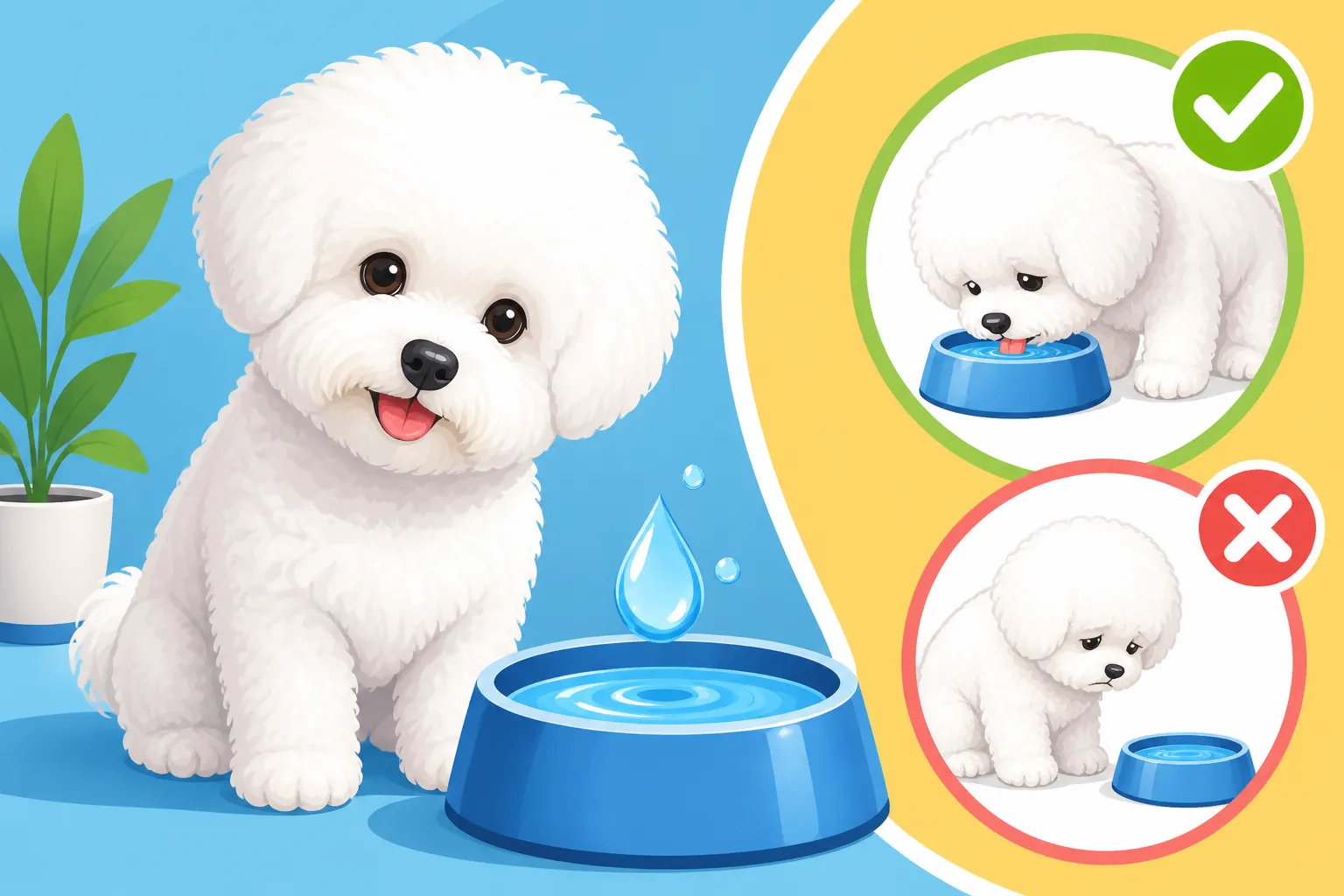
Start with freshness. This sounds obvious, but many owners don't change their dog's water as frequently as they should. Aim to change the water at least twice a day, and more often if it's hot or if your Bichon is particularly messy. A clean bowl is just as important; scrub it daily to remove any slimy biofilm that can build up, which is a major turn-off for discerning canine palates. Next, consider location, location, location. Placing multiple water bowls in different areas around your home can significantly increase opportunities for your Bichon to take a sip. Perhaps one in the kitchen, one near their favorite napping spot, and one in the living room. Experiment with different bowl types too. Some dogs prefer ceramic over stainless steel, or vice-versa. Others might appreciate a raised bowl, which can be more comfortable, especially for older Bichons or those with neck issues. A game-changer for many owners is a pet water fountain. These recirculate and filter water, keeping it fresh and aerated. The gentle bubbling or flowing water can mimic natural sources, which many dogs find incredibly enticing. You might find your Bichon, like my neighbor's little snowball, Fluffy, who used to barely touch her bowl, suddenly starts enjoying consistent sips from a new ceramic pet fountain. Brands like PetSafe or Pioneer Pet offer various styles and materials that might just be the ticket. Lastly, consider adding a touch of safe flavor. A tiny splash of low-sodium chicken or beef broth can make plain water much more appealing. You can also add a few ice cubes – some Bichons love to play with them, inadvertently taking in more water as they melt. Just remember to always keep the primary water source fresh and unflavored for those times they just want a plain drink.
Incorporating Hydration into Diet and Routine
Beyond making the water itself more enticing, you can cleverly weave additional hydration into your Bichon's daily routine and diet. This often involves adjusting their food or how you present it.
Wet food is arguably one of the most effective ways to boost your Bichon's daily water intake. Compared to dry kibble, which typically contains around 10% moisture, wet food can boast up to 75-85% water content. This significant difference can make a huge impact on their overall hydration levels. If your Bichon is on a prescription urinary diet, such as those mentioned in The Diet a Bichon Frise Stays On for Life, choosing the wet food version or mixing it with the dry kibble can be particularly beneficial. If your Bichon is currently eating only dry kibble, you can gradually introduce wet food or simply start by adding water to their kibble. Begin with a small amount of warm water (not hot, we don't want to burn their delicate mouths!) and mix it in, letting it soak for a few minutes. As they get used to the slightly softer texture, you can slowly increase the amount of water. This simple trick alone can add a surprising amount of fluid to their diet. Many owners wonder Whether Wet Food Helps a Bichon Frise's Stones, and the answer is a resounding yes due to this increased moisture.
Another fun and hydrating option is using ice cubes as treats, especially during warmer months. You can even freeze low-sodium broth into ice cubes for an extra tasty and hydrating snack. Always remember to offer water immediately after exercise or a long play session. Their thirst mechanism will be naturally elevated, making them more likely to drink a good amount. Establishing a consistent routine that includes water breaks can help too. For instance, offering water before and after walks, or after they've settled down from a bout of "Bichon blitz." While encouraging increased water intake is a fantastic preventative measure, it's also true that comprehensive pet insurance, like a policy from Healthy Paws, can offer invaluable financial support should any health issues arise. However, focusing on prevention is always the first line of defense for a happy, healthy pup.
Monitoring Your Bichon's Hydration and Health
It's one thing to offer more water and implement new strategies, but it's equally important to know if your efforts are actually working and if your Bichon is truly well-hydrated. Monitoring their drinking and urination habits can provide crucial insights into their overall health.
How to Tell if Your Bichon is Drinking Enough
Becoming attuned to your Bichon's daily habits is key to recognizing when something is amiss. The most direct indicators of good hydration are related to their urinary output. A well-hydrated Bichon will typically produce a larger volume of urine that is light yellow or straw-colored. Dark, concentrated urine, on the other hand, is a clear sign that they need more fluids. If you notice their urine is consistently dark or very strong-smelling, it's a good cue to step up your hydration efforts.
Naturally, more drinking generally leads to more frequent urination. This isn't just a side effect; it's a benefit! Frequent flushing of the urinary tract is what helps prevent those mineral crystals from settling and forming stones. It also helps to prevent bacterial buildup that can lead to infections. If you're concerned, you might track how many times your Bichon urinates in a day. A significant decrease or increase could be a flag. This frequent urination protects your Bichon, as explored in Whether Frequent Urination Protects a Bichon Frise. Additionally, pay attention to their overall thirst levels. Are they eagerly lapping up water, or do they barely touch their bowl throughout the day? A dog that seems uninterested in water could be mildly dehydrated or, in some cases, might be showing early signs of an underlying health issue. Ultimately, if you have any lingering concerns about your Bichon's hydration or urinary health, a visit to your veterinarian is always the best course of action. They can perform a physical exam and, if necessary, recommend a Whether a Bichon Frise Should Be Urine Tested Yearly or further diagnostics to ensure everything is functioning as it should.
When to Be Concerned About Drinking Habits
While encouraging your Bichon to drink more is generally a positive thing, there's a fine line between healthy hydration and excessive drinking, which can be a red flag for serious health problems. It's crucial to understand this distinction.
Excessive thirst, or polydipsia, isn't just about drinking a bit more than usual; it's a noticeable and sustained increase in water consumption. If your Bichon suddenly starts drinking bowls dry, demanding water constantly, or having accidents indoors because they can't hold their urine, it warrants immediate veterinary attention. Excessive drinking can be a symptom of several significant medical conditions, including diabetes mellitus, kidney disease, or Cushing's disease. For example, a Bichon with Cushing's disease often drinks constantly, as highlighted in Whether a Cushing's Bichon Frise Drinks Constantly, and similarly, a diabetic Bichon Frise will exhibit increased thirst. Catching these conditions early through proper diagnosis and treatment is paramount.
Conversely, a sudden and unexplained decrease in drinking can also be a cause for concern. If your normally thirsty Bichon suddenly loses interest in water, it could indicate pain, nausea, fever, or another illness. This can quickly lead to dehydration, escalating any existing health issues or creating new ones. Accompanying symptoms like changes in appetite, lethargy, vomiting, or diarrhea, when paired with altered drinking habits, should prompt an immediate call to your vet. Regular vet check-ups are invaluable for monitoring these kinds of changes. Being prepared with pet insurance, such as Healthy Paws, ensures that if your vet does discover a more serious condition, the financial burden of diagnostics and treatment is more manageable, allowing you to focus on your Bichon's recovery. Understanding the normal patterns of your Bichon's drinking and urination is one of the most powerful tools you have as an owner to safeguard their health.
Hydration Tools and Methods for Bichons
Encouraging increased water intake doesn't have to be a chore. There are numerous products and simple household adjustments that can make the process easier and even fun for your Bichon. Finding what works best for your individual dog might take a little experimentation, but the payoff in terms of health is invaluable.
Enhancing Water Access and Appeal
The most basic step, as we've covered, is making sure clean, fresh water is always available. But let's get a bit more creative with the actual tools.
Water bowls come in many forms, and the right choice can make a difference. Stainless steel bowls are often recommended by vets because they are easy to clean, durable, and don't harbor bacteria like some plastics can. Ceramic bowls are also a good option for cleanliness, though they can break. Some Bichons might prefer a wider, shallower bowl, while others don't mind a deeper one. For older Bichons or those with joint issues, raised food and water bowls can provide a more comfortable posture for drinking, reducing strain on their neck and back. You'd be surprised how much difference a slight elevation can make in their willingness to drink.
As mentioned earlier, pet water fountains are fantastic for enticing many dogs. The gentle flow of water can appeal to their natural instincts, making it more inviting than stagnant water in a bowl. Brands like Catit, PetSafe, or Drinkwell offer various designs, from simple plastic models to elegant ceramic or stainless steel options. Some have multiple streams, while others have a wider bubbling surface. Observe your Bichon; do they like to lick or lap? This can guide your choice. Another simple trick is to add ice cubes to their water, especially on warm days. Some Bichons enjoy playing with the cubes, and as they melt, they add to the water intake. You can even make "broth cubes" by freezing diluted low-sodium chicken or beef broth, which adds an irresistible flavor. These can be given as special treats or added to their water bowl. Remember, these little changes might seem minor, but they add up to a significant difference in your Bichon's daily hydration.
Dietary Adjustments for Increased Moisture
While direct water intake is crucial, the food your Bichon eats can also be a powerful tool in their hydration strategy. This is especially true given their predisposition to certain health issues like bladder stones, where high moisture intake is a key preventative measure against What a Calcium Oxalate Stone Is in a Bichon Frise.
Wet dog food is your best friend here. Switching from an exclusively dry kibble diet to a wet food diet, or even a mixed diet of both, can drastically increase the amount of water your Bichon consumes daily. Wet foods typically contain 75-85% moisture, compared to 10% in dry kibble. This extra moisture not only helps with hydration but can also make their meals more palatable and satisfying. If your vet has prescribed a special diet for urinary health, always inquire about the wet food version. Many brands, like Royal Canin or Hill's Science Diet, offer both dry and wet formulations for their prescription diets.
If a full switch to wet food isn't feasible or desired, adding water directly to your Bichon's dry kibble is a simple yet effective method. Start by mixing in a quarter to a half cup of warm water with their meal. Let it sit for a few minutes to soften the kibble and release aromas, which can make it more appealing. You can gradually increase the amount of water over time. Some dogs prefer their kibble completely soggy, while others like it just moistened. This method directly contributes to their daily fluid intake and helps in diluting their urine. Another often overlooked option is offering specific "hydrating" treats. These aren't necessarily specialized products but rather safe, high-moisture fruits and vegetables like cucumber slices, watermelon (without seeds), or apple slices (without core or seeds). Always introduce new foods slowly and in small quantities to avoid upsetting their stomach. These crunchy, watery snacks can be a refreshing and hydrating alternative to dry biscuits, complementing their main meals and boosting overall fluid consumption. A holistic approach that integrates both direct water access and moisture-rich foods is the most effective way to ensure your Bichon Frise stays optimally hydrated.
Long-Term Health Benefits and Considerations
Maintaining optimal hydration for your Bichon Frise isn't just about preventing immediate issues; it's a long-term investment in their health and well-being. Consistent effort in encouraging adequate water intake can have profound effects on their quality of life, especially as they age.
Proactive Health Management Through Hydration
One of the most significant long-term benefits of consistent hydration for Bichon Frises is the reduced risk of urinary tract issues. We've talked about calcium oxalate stones, and diluting the urine is the primary preventative measure against their formation and recurrence. By helping your Bichon to drink more, you're essentially flushing their system regularly, making it much harder for crystals to accumulate and become problematic. This proactive approach can potentially save your Bichon from painful and invasive surgeries, which can be quite a burden, both emotionally and financially. This vigilance is a key part of managing a Bichon's health, often preventing them from becoming one of What Bichon Frises Are Most Often Treated For.
Beyond stones, good hydration supports overall kidney health. The kidneys are vital organs responsible for filtering waste products from the blood, and they perform this function much more efficiently when there's ample fluid passing through them. Well-hydrated kidneys are less likely to be strained, potentially delaying or mitigating the onset of age-related kidney disease. Furthermore, proper hydration impacts every system in the body, contributing to better digestion, nutrient absorption, and a stronger immune system. It can even help maintain healthy skin and a lustrous coat, reducing dryness and itchiness that might otherwise contribute to common Bichon skin issues. Think of it as laying a strong foundation for a long, healthy life for your furry companion. These long-term benefits underscore why it's so important to be diligent from puppyhood right through to Caring for a Bichon Frise Past Eleven.
Potential Health Issues and Hydration's Role
While encouraging water intake is generally beneficial, it's essential to recognize that hydration is also intertwined with various other health conditions in Bichons, sometimes as a symptom, and other times as part of the treatment plan.
Take, for example, dental health. Bichon Frises are prone to dental disease, and while brushing their teeth daily is crucial, as in Whether a Bichon Frise Needs Its Teeth Brushed Daily, good hydration can also play a small, indirect role. A well-hydrated dog produces more saliva, which helps to wash away food particles and bacteria, although this is a minor factor compared to actual dental hygiene. More critically, if your Bichon is experiencing pain from a severe dental issue, they might drink less, leading to dehydration, or they might prefer to drink from a specific type of bowl that doesn't exacerbate their pain.
Similarly, if your Bichon develops an illness that causes vomiting or diarrhea, rapid dehydration can occur. In such cases, encouraging small, frequent sips of water or offering electrolyte solutions (under veterinary guidance) becomes a critical part of their recovery. The first signs a Bichon Frise has stones often involve changes in urination and drinking, so being aware of normal hydration levels can help you spot issues early. Recognizing these subtle connections between hydration and other health aspects is part of being a truly informed Bichon parent. Regular monitoring of their drinking habits, alongside their appetite, energy levels, and overall demeanor, can give you early warning signs for a range of health issues, allowing for prompt veterinary intervention and a better prognosis.
| Method of Encouraging Water Intake | Pros | Cons | Effectiveness (for most Bichons) |
|---|---|---|---|
| Multiple Water Bowls | Easy, low cost, increases access points | Requires frequent cleaning and refills | Moderate to High |
| Pet Water Fountain | Keeps water fresh, encourages natural instinct, appealing | Higher initial cost, requires cleaning, some noise | High |
| Adding Water to Kibble | Simple, direct hydration boost, softens food | May make kibble soggy, some dogs dislike texture changes | High |
| Feeding Wet Food | Significant hydration, palatable, nutrient-rich | Higher cost than kibble, shorter shelf life once opened | Very High |
| Ice Cubes (plain/broth) | Fun, cooling, adds moisture, simple | Some dogs may not be interested, can be messy | Moderate |
| Low-Sodium Broth in Water | Highly palatable, encourages drinking | Must be low-sodium, used in moderation to avoid calorie intake | High |
Disclaimer
The information provided in this article is for general informational purposes only and is not a substitute for professional veterinary advice. Always consult with a qualified veterinarian for any health concerns or before making any decisions about your pet's health or treatment.