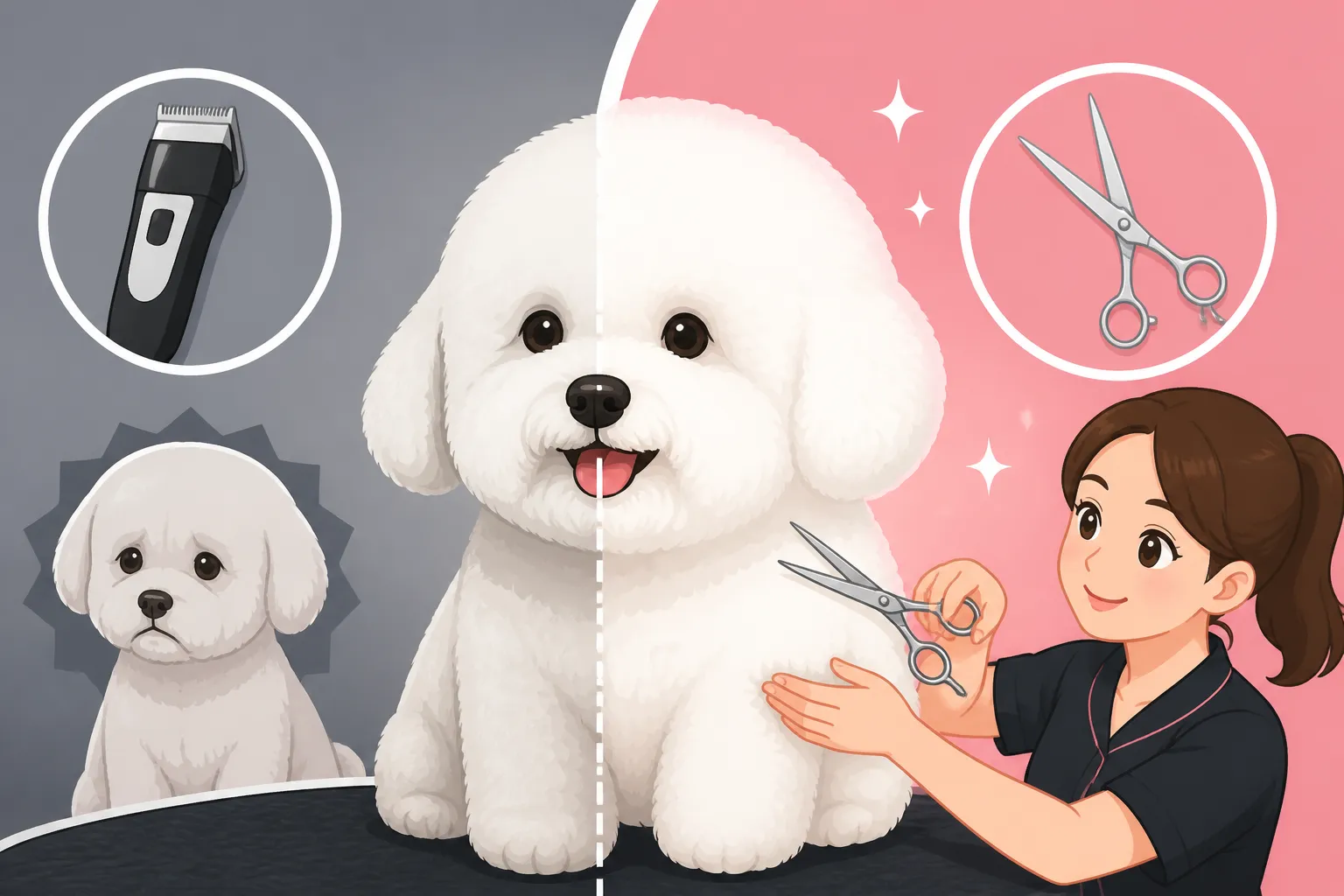
Why a Groomer Scissors a Bichon Frise Instead of Clipping It
One of the most common head-scratchers for new Bichon Frise parents is understanding why their groomer insists on using scissors when a quick buzz with clippers might seem, to the untrained eye, so much faster and simpler. It’s a frustration many of us have faced, wondering if we're paying for extra time and effort that isn't truly necessary. This guide will dive deep into the unique qualities of the Bichon coat and reveal precisely why scissoring is not just a preference, but an absolute necessity for maintaining their iconic "powder puff" look, coat health, and overall well-being.
Understanding the Bichon Frise Coat: A Unique Challenge
The Bichon Frise coat is truly a marvel, but it comes with its own set of care instructions that are far more involved than many realize. It's not just "fluffy"; it's a carefully balanced marvel of nature that demands specific attention.
The 'Powder Puff' Ideal: More Than Just Fluffy
When you think of a Bichon Frise, you instantly picture that adorable, soft, rounded "powder puff" silhouette. This isn't accidental; it's the hallmark of the breed, a defining characteristic that sets them apart. This ideal look isn't achieved by just letting their hair grow wild, nor can it be easily replicated with blunt instruments. It's a sculpted, artistic creation that highlights the natural beauty and texture of their unique double coat.
Their coat is specifically described in breed standards as having a soft, dense undercoat and a coarser, curly outer coat that stands off the body, giving it that springy, plush feel. Imagine trying to sculpt a cloud with a hedge trimmer – it just wouldn't work, right? The very nature of this coat means that it holds shape beautifully when properly trimmed, allowing for those signature round heads, flowing tails, and smoothly blended bodies. It’s this specific texture and growth pattern that allows a skilled groomer to literally sculpt the dog's coat into that recognizable, charming shape, a feat that would be impossible without the precision of shears.
Every curve and blend, from their expressive face to their merry, plumed tail, requires a gentle, artistic touch. Without this specific type of grooming, the Bichon simply loses its distinct aesthetic. It becomes just another fluffy white dog, rather than the elegant, cheerful companion so many of us adore. This iconic look isn't just about superficial beauty; it's part of the breed's identity and heritage, and maintaining it properly is a nod to that tradition.
The Non-Shedding Myth and Matting Reality
One of the biggest drawcards for many Bichon Frise owners, especially those with allergies, is the widely held belief that they are "non-shedding." While it's true they don't shed in the traditional sense like a Labrador or a German Shepherd, this doesn't mean their hair doesn't come out. The reality is that Bichons do shed hair; it just gets trapped within their dense, curly coat instead of falling out onto your furniture. This trapped shed hair is the primary culprit behind the notorious matting problems that Bichons are so prone to.
Imagine dozens, or even hundreds, of tiny threads getting tangled together every single day. That's essentially what's happening in your Bichon's coat. These shed hairs, combined with the active living of a dog – playing, rolling, scratching, even just walking – quickly bind together to form knots, then tangles, and eventually, solid, painful mats. These mats can start as small, innocent-looking tufts behind the ears or in the armpits, but given even a few days without proper grooming, they can quickly grow into large, pelt-like sheets that pull at the skin, restricting movement and causing immense discomfort. Whether Loose Hair Trapped in the Coat Causes Mats is a real concern and requires daily attention.
Beyond the discomfort, severe matting poses serious health risks. Mats can trap moisture against the skin, leading to painful skin infections, hot spots, and yeast overgrowth. They can hide parasites, obscure wounds, and even restrict blood flow to extremities if they become tight enough. In warm weather, a dense, matted coat prevents air circulation, leading to overheating. It's a cruel irony that a coat cherished for its beauty can become such a source of misery if not managed meticulously. This is where the right grooming approach becomes absolutely critical, not just for looks, but for the dog's well-being.
The Art of Scissoring: Crafting the Iconic Bichon Look
Scissoring a Bichon Frise is truly an art form, a dance of precision and skill that transforms a shaggy coat into that quintessential powder puff. It's far more than just "cutting hair"; it's sculpting.
Precision and Shaping: Why Scissors Are Essential
Think of a sculptor working with clay. They don't just hack away; they meticulously shape and refine, adding curves here, smoothing lines there, to bring their vision to life. Groomers approach a Bichon Frise with scissors in much the same way. The breed standard calls for a very specific outline: a rounded head, a body that appears well-proportioned and symmetrical, and a light, springy appearance. This simply cannot be achieved with clippers, which cut at a uniform length and tend to leave a blockier, less natural finish. How the Round Head Is Scissored on a Bichon Frise is a technique only possible with scissors.
Scissoring allows the groomer to customize the cut to highlight your individual Bichon's best features, adapting to their body structure and coat type. For instance, they can round out the head to frame the face perfectly, create soft, seamless transitions from the body to the legs, and maintain that characteristic full, plumed tail. Each snip of the scissors is deliberate, contributing to the overall balanced silhouette. It's about blending, tapering, and creating soft, natural curves that define the breed's elegance. Without this precision, the Bichon would lose its distinct identity, becoming a generic fluffy dog rather than the cheerful, cloud-like companion we know and love.
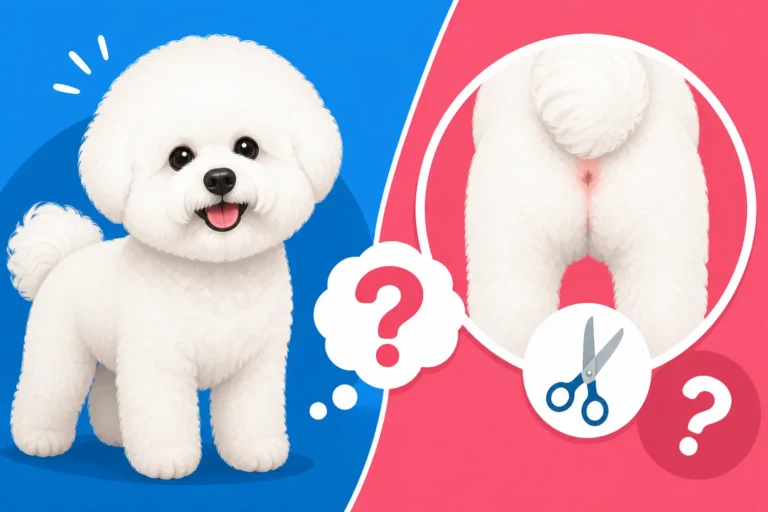
Imagine trying to trim a topiary bush into an intricate animal shape using only electric hedge trimmers set to one length. It’s just not going to happen, is it? Similarly, the nuanced shaping required for a Bichon’s coat demands the adaptability and finesse that only various types of scissors can provide. From straight shears for general shaping to curved shears for those perfect rounded lines and thinning shears for blending, a groomer’s toolkit is an extension of their artistic vision, enabling them to execute the complex "powder puff" outline with mastery. This meticulous hand-scissoring is truly Why the Bichon Frise Outline Matters to a Groomer.
Maintaining Coat Integrity and Health
Beyond aesthetics, scissoring plays a crucial role in preserving the overall health and integrity of your Bichon's coat. Unlike clippers, which can sometimes "chew" or damage the individual hair shafts, leading to a duller appearance and more brittle hair, sharp scissors make a clean cut. This clean cut helps the hair grow back healthier, maintaining its natural texture and strength. When the hair is cut cleanly, it's less prone to splitting or breaking, which means a softer, more vibrant coat in the long run.
Moreover, the natural texture of the Bichon's coat is what gives it that springy, stand-off-the-body quality. Repeated clipping with certain blades can sometimes alter this texture over time, leading to a coat that lies flatter, feels coarser, or becomes more prone to matting because the natural curl structure is compromised. Scissoring respects the natural growth pattern and texture, helping to preserve that characteristic fluffy, soft feel that is so delightful to touch. It’s like the difference between pruning a rose bush with sharp secateurs versus tearing off branches with your hands; one promotes healthy growth, the other causes damage.
A well-scissored coat also allows for better air circulation against the skin. By carefully removing only the necessary length and shaping the coat to stand off the body, the groomer ensures that air can flow freely, which is vital for skin health. This aeration helps prevent moisture buildup, reducing the risk of skin irritations, hot spots, and bacterial or yeast infections that thrive in damp, stagnant environments. In essence, scissoring is not just about making your Bichon look good; it's a fundamental part of keeping their skin and coat healthy, comfortable, and beautiful from the inside out.
The Limitations of Clipping: Why It Falls Short for a Bichon
While clippers might seem like a quick-fix solution for grooming, especially for a densely coated breed like the Bichon Frise, they ultimately fall short of achieving the breed's signature look and can even have detrimental effects on their coat health.
The "Clipped Look": Losing the Powder Puff
When a Bichon Frise is clipped all over, the result is often a uniform, short coat that lacks the distinctive rounded shape and soft, flowing lines that define the breed. Clippers, by their nature, cut hair to a specific, even length across the entire body. This means the nuanced sculpting required for that famous "powder puff" appearance – the perfectly rounded head, the seamlessly blended body, the delicate shaping around the legs – is lost. Instead, you end up with a dog that looks more like a sheared sheep than a fluffy cloud.
The uniform cut of clippers can make a Bichon appear blocky or angular, rather than soft and curvilinear. Their unique coat, which naturally stands off the body, can also look flattened or less vibrant when clipped short, as the texture necessary for its characteristic springiness is reduced. Many owners who initially opt for an all-over clipper cut, perhaps for ease of maintenance, often express disappointment when they realize their Bichon has lost its breed-specific charm. It's simply not possible to achieve the artistic, hand-scissored outline with a one-length clipper blade, and the difference in appearance is often quite stark.
Moreover, the clipped look often fails to flatter the Bichon’s natural structure. Their small size and cheerful demeanor are best complemented by a coat that adds to their whimsical presence, not detracts from it with a severe, uniform cut. If you've ever seen a Bichon in its full, majestic glory, and then compared it to one that's been clipped down without care, you'll understand the profound visual difference. The clipped coat simply doesn't allow for the sophisticated dimension and texture that makes a Bichon truly shine. This is why Whether a Clipped Bichon Frise Loses Its Shape is a common concern for breed enthusiasts.
Coat Damage and Growth Issues
Beyond the aesthetic shortcomings, using clippers on a Bichon Frise can sometimes lead to actual damage and long-term issues with their coat. The blades of clippers, especially if they're dull or misused, can pull, tug, and even "chew" the hair rather than making a clean cut. This rough treatment can weaken the hair shaft, making it more prone to breakage, frizz, and an overall coarser texture as it regrows. Imagine repeatedly tearing the ends of your hair instead of cutting them; the damage accumulates.
Another common problem associated with clipping is "clipper irritation" or "clipper burn." This occurs when the clipper blades become too hot, or when a dog's skin is particularly sensitive, resulting in red, irritated patches on the skin. While usually not severe, it can cause discomfort for your Bichon and may require soothing treatments. Repeated or aggressive clipping can also disrupt the natural growth cycle of the hair, and in some cases, owners report that after multiple clip-downs, the coat seems to regrow differently – perhaps softer, coarser, or with less of its characteristic curl. This change, while not always permanent, can make it even harder to achieve the desired fluffy look in the future.
The health of the skin underneath the coat is also a consideration. When a coat is repeatedly clipped very short, it can expose delicate skin to the elements more directly, potentially leading to dryness, sun irritation, or a heightened sensitivity to allergens. While a short coat can reduce matting, it can also create other vulnerabilities if not managed properly. This is why Whether a Clipped Bichon Frise Coat Grows Back the Same is a question many owners ponder, and the answer isn't always a simple yes. A professional groomer trained in scissoring understands these nuances and prioritizes the long-term health and beauty of your Bichon's coat.
When Clipping Might Be Considered (and the Trade-offs)
While scissoring is the gold standard for Bichon Frise grooming, there are specific situations where clipping becomes not just an option, but a necessity, or a practical choice based on an owner's lifestyle.
Severe Matting and Health Concerns
Sometimes, despite best intentions, a Bichon's coat can become severely matted. This might happen due to illness, a period of neglect, or simply an overwhelming struggle with daily brushing. When mats are tight, extensive, and pulling at the skin, attempting to brush them out can be incredibly painful and traumatic for the dog. In such cases, a professional groomer will almost always recommend a complete shave-down using clippers. This isn't a stylistic choice; it's a medical necessity to relieve the dog from pain and prevent further skin issues. Whether a Matted Bichon Frise Must Be Shaved is often a grim reality.
The groomer’s priority in this situation is the dog's comfort and well-being. A shave-down, while sacrificing the traditional "powder puff" look temporarily, allows the skin to breathe, permits access for treating any underlying skin infections or irritations, and immediately removes the painful tugging of mats. It’s a clean slate, a fresh start. Once the coat begins to regrow, owners can then implement a rigorous brushing schedule and work with their groomer to transition back to scissoring and maintain a healthy, mat-free coat.
It's a tough decision for any owner to see their beloved Bichon shaved short, but it's important to understand it's done out of kindness and necessity. Post-shave, your groomer will likely give you detailed instructions on how to care for the exposed skin and how to begin rebuilding healthy grooming habits. This temporary aesthetic compromise is a small price to pay for your dog's relief and health, and with diligent care, that beautiful fluffy coat will eventually return.
Lifestyle and Maintenance Preferences
Beyond severe matting, some Bichon Frise owners consciously choose a shorter, clipped coat for practical reasons related to their lifestyle. Let's be honest: maintaining that full, scissored powder puff coat requires significant commitment, both in terms of home grooming and regular professional appointments. For busy individuals, those with physical limitations, or owners who prioritize ease of care above the show-ring aesthetic, a shorter clipper cut can be a perfectly valid choice. Whether a Pet Trim Suits a Bichon Frise often comes down to these personal choices.
A shorter clip dramatically reduces the daily brushing requirement, minimizes the risk of matting, and can make outdoor adventures less of a hassle (think less mud and burrs in the coat!). While it won't achieve the classic Bichon silhouette, a skilled groomer can still create a tidy, pleasing look that is functional and comfortable for the dog. The trade-off is, of course, the departure from the traditional breed appearance. However, a happy, comfortable dog whose coat is manageable for its owner is always the most important outcome.
It’s crucial to remember that even with a shorter clipper cut, professional grooming remains essential. The coat still grows, still needs bathing, nail trims, and ear care. A shorter cut doesn't eliminate the need for regular grooming, but it can certainly extend the time between appointments and simplify the daily home routine. This approach simply shifts the balance from high-maintenance aesthetics to a more practical, comfortable style, ensuring the dog is still well-cared for.
The Grooming Experience: What to Expect
Taking your Bichon to the groomer should be a positive experience for both of you. Understanding what goes into a scissored trim, and how you can prepare your pup, makes all the difference.
The Time and Skill Involved in a Scissored Trim
Let's be clear: scissoring a Bichon Frise is not a quick job. It's a meticulous, time-consuming process that requires immense skill, patience, and an artistic eye. A full hand-scissored trim can easily take a professional groomer several hours, depending on the dog's size, coat condition, and temperament. This isn't just about cutting hair; it's about sculpting a living, moving creature into a precise shape while ensuring their comfort and safety.
A groomer's toolkit for a Bichon is extensive, featuring various types of shears – straight, curved, and thinning scissors – each used for different purposes to achieve specific angles, blends, and textures. They also rely on a range of combs, brushes, and specialized drying equipment. The process typically involves a thorough bath, careful drying and brushing to 'fluff' the coat out, and then the detailed scissoring, often done in stages to ensure symmetry and balance. This is why you'll find that the cost for a full scissored groom is higher than for a simple clip. You're not just paying for hair removal; you're paying for specialized expertise, artistic talent, and the significant time invested. What a Bichon Frise Groom Costs Each Visit reflects this level of service.
The groomer has to visualize the final shape even before the first snip, constantly assessing the dog's structure and how the coat lies. It's a physically demanding job that requires standing for long periods, precise hand-eye coordination, and a deep understanding of canine anatomy and coat dynamics. When you pick up your perfectly coiffed Bichon, remember the hours of skilled work that went into making them look so wonderfully fluffy and well-maintained.
Preparing Your Bichon for Grooming Success
The journey to a beautifully scissored Bichon starts long before they step foot in the grooming salon. Your role in home care is absolutely vital for making the grooming experience positive and manageable for both your dog and the groomer. The single most important thing you can do is commit to a consistent, thorough home brushing routine. Because their shed hair gets trapped, daily brushing is non-negotiable to prevent matting. A matted dog means a longer, more uncomfortable groom, and potentially a necessary shave-down. How Long Brushing a Bichon Frise Takes might surprise you, but it's essential.
Beyond brushing, early positive exposure to grooming tools and the grooming environment is crucial, especially for puppies. Get them used to being handled, having their paws, ears, and face touched. Introduce them to the sound of electric toothbrushes (mimicking clippers) or hair dryers. Short, positive visits to the groomer, even just for a bath and tidy, can build confidence. These early experiences help prevent fear and anxiety, making the process smoother as they grow. How Early a Bichon Frise Should Meet a Groomer can significantly impact their future comfort.
If your Bichon arrives at the groomer severely matted and has to endure a painful de-matting process or a shave-down, it can create a negative association with grooming. This can lead to fear, aggression, and make future sessions incredibly challenging, potentially requiring sedation in extreme cases. Whether a Bichon Frise Learns to Fear the Groomer After Pain is a valid concern. By doing your part at home – brushing regularly, positive reinforcement, and consistent care – you set your Bichon up for a much happier, less stressful, and ultimately more successful grooming journey, allowing your groomer to do their best work with scissors.
Essential Tools for Home Care: Bridging the Gap Between Grooms
While professional groomers are indispensable, what you do at home between visits makes all the difference in maintaining your Bichon's coat and health. Having the right tools is half the battle won.
Brushes, Combs, and Shampoos for a Bichon Frise
Let's face it, keeping a Bichon Frise looking pristine is a commitment, and it starts right in your own home with the right set of grooming tools. For their unique double coat, a high-quality slicker brush is an absolute must-have. This brush helps to penetrate the dense topcoat to reach the undercoat, effectively removing loose hair and working out small tangles before they escalate into painful mats. Remember to brush in layers, getting right down to the skin, not just skimming the surface. Following up with a metal comb, especially a greyhound comb with both wide and narrow teeth, is essential to ensure you haven't missed any hidden knots. It's the ultimate test: if the comb slides through easily from root to tip, you're doing a great job! Which Brush Suits a Bichon Frise is critical for effective home grooming.
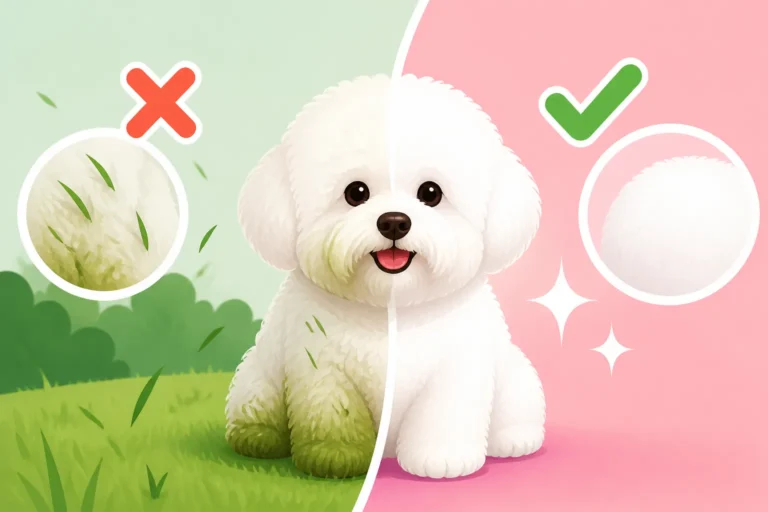
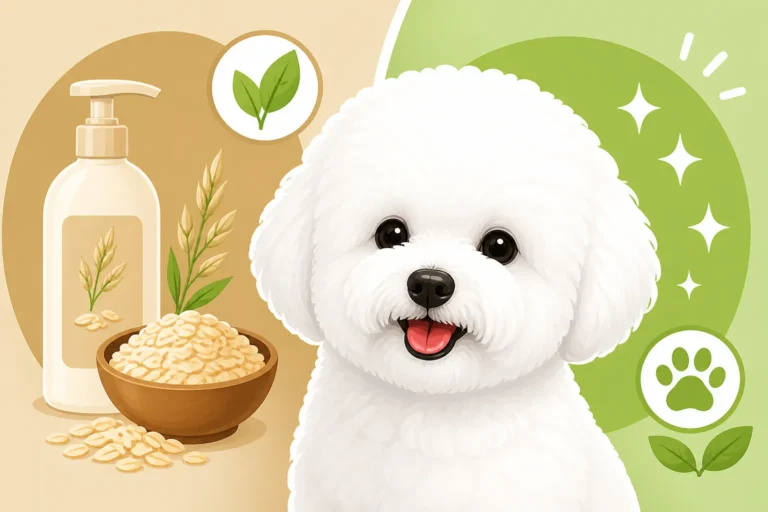
Beyond brushes and combs, selecting the right shampoo and conditioner is crucial, especially for keeping that brilliant white coat actually white. Look for shampoos specifically formulated for white coats that contain optical brighteners, but always ensure they are tearless and gentle. Harsh chemicals can dry out their delicate skin or strip natural oils, leading to irritation. A good quality conditioner is also vital to help soften the coat, making it easier to brush and less prone to tangles. Regular bathing, usually every 2-4 weeks depending on activity level, helps keep the coat clean and manageable. You can find excellent options for all these supplies on platforms like Amazon or specialized pet retailers such as Chewy.
Investing in a high-velocity dryer, while a bigger upfront cost, can also dramatically cut down drying time and help straighten the coat for easier brushing and mat prevention after baths. Trying to air-dry a Bichon often leads to a tangled, matted mess. Remember, a well-cared-for coat at home means a happier groomer and a more comfortable experience for your Bichon when they visit the salon. It's truly a team effort, and your home grooming kit is your arsenal in that fight against mats. What a Home Grooming Kit Costs a Bichon Frise Owner will be well worth the investment.
The Role of Diet in Coat Health
It might not be the first thing you think of when grooming comes to mind, but your Bichon Frise's diet plays a surprisingly significant role in the health and appearance of their coat. Just like our own skin and hair reflect our internal health, a dog's coat is a direct indicator of their nutritional well-being. A dull, dry, brittle, or excessively oily coat can often be traced back to deficiencies or imbalances in their food.
High-quality dog food, rich in essential fatty acids like Omega-3 and Omega-6 (often listed as fish oil, flaxseed, or sunflower oil), vitamins (especially Vitamin E and biotin), and easily digestible proteins, provides the building blocks for a strong, healthy coat and supple skin. These nutrients help maintain skin elasticity, reduce inflammation, and promote a shiny, resilient coat that is less prone to breakage and excessive dryness. When the skin and coat are healthy, they're naturally more resistant to matting and easier to brush, making the entire grooming process smoother. Some modern, fresh food options, like those from Ollie, are formulated with high-quality ingredients designed to support overall health, including skin and coat condition.
Conversely, a diet lacking in these crucial elements can result in a compromised coat that is more difficult to manage. Imagine trying to brush through straw-like hair – it's a nightmare! A poor diet can lead to excessive shedding (even in "non-shedding" breeds, poor coat health means more breakage), flaky skin, or a coat that feels greasy or sticky. All of these conditions make brushing and grooming significantly harder, increasing the likelihood of matting and skin irritations. So, while you're busy brushing and scissoring, remember that what goes into your Bichon's bowl is just as important for maintaining that beautiful, healthy coat.
Partnering with Your Groomer: Communication is Key
A successful grooming experience for your Bichon Frise isn't just about the groomer's skill; it's also about effective communication between you and them. Think of it as a partnership where your input and their expertise combine for the best outcome.
Discussing Your Desired Look and Expectations
When you drop your Bichon off at the salon, don't just say "do the usual." Take a moment to clearly articulate your preferences and any concerns you might have. Do you want the traditional "powder puff" look, or a slightly shorter, more manageable version of it? Are there specific areas you're worried about, like tear staining around the eyes or matting behind the ears? Bringing a photo of what you envision can be incredibly helpful, as "short" or "fluffy" can mean different things to different people. Be realistic, though; a heavily matted coat might not achieve the long, flowing look you desire in a single session.
Open communication also means discussing your dog's lifestyle. Does your Bichon spend a lot of time outdoors getting dirty, or are they mostly an indoor companion? This information helps the groomer recommend a coat length and style that will be most practical for you to maintain between appointments. If you're struggling with home brushing, share that too; the groomer can offer advice or suggest a slightly shorter cut that's easier for you to manage. Remember, your groomer is an expert, and they want your dog to look and feel great. A clear conversation upfront helps manage expectations and ensures everyone is on the same page.
Finally, establishing a consistent grooming schedule is paramount. Bichons need professional grooming every 4-8 weeks to prevent matting and maintain their shape. Discuss this with your groomer and commit to regular appointments. This routine not only keeps your Bichon looking its best but also makes each grooming session smoother and less stressful for your dog. It prevents the coat from getting overgrown and matted, allowing the groomer to focus on fine-tuning that beautiful scissored finish rather than battling tangles. How Often a Bichon Frise Needs a Full Groom is crucial information to plan around.
Understanding the Groomer's Perspective
It’s important to remember that groomers are not just there to make your dog look pretty; they are also focused on your Bichon's health, safety, and comfort. When a groomer makes a recommendation, it's usually rooted in their professional experience and concern for the dog. For instance, if your Bichon arrives severely matted, a groomer's primary recommendation will be a shave-down, even if you wanted a long, fluffy cut. This isn't to be difficult; it's because attempting to brush out tight mats is incredibly painful and inhumane for the dog, and can even injure them. Whether a Groomer Refuses a Difficult Bichon Frise is a possibility, especially if severe matting makes the process dangerous.
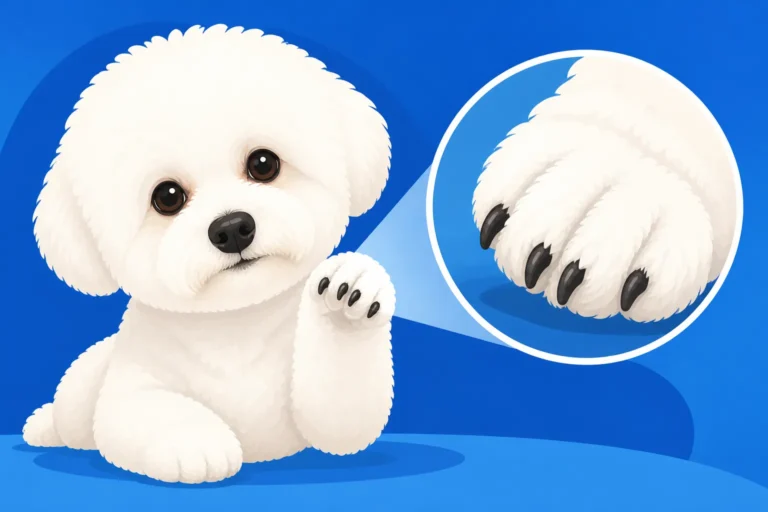
Groomers also have a unique vantage point to spot potential health issues. During a groom, they examine your dog's skin, ears, nails, and teeth far more closely than most owners do daily. They might notice a suspicious lump, a skin irritation, an ear infection, or problems with anal glands. Often, they are the first to alert you to these issues, which can then be addressed by your veterinarian. They are literally an extra set of eyes and hands looking out for your pet's well-being.
Ultimately, groomers are trained professionals who blend artistry with practicality. They understand the intricacies of the Bichon Frise coat and what it takes to maintain it. While you may have a specific aesthetic vision, trusting your groomer's advice, especially regarding coat condition and the dog's comfort, is key to a long and happy grooming relationship. Sometimes, a slightly less "perfect" trim (in your eyes) is actually what's best for your dog's overall health and well-being, and a good groomer will always prioritize that.
Here's a comparison to help visualize the differences:
| Feature | Scissoring | Clipping (Short Pet Trim) |
|---|---|---|
| Aesthetic Result | Iconic "powder puff" silhouette, soft, rounded, sculpted lines. | Uniform, often blocky or angular, less natural flow. |
| Coat Integrity | Preserves natural texture, clean cuts, less damage. | Can blunt/damage hair shaft, potential for coarser regrowth. |
| Precision | High – allows for custom shaping, blending, and detailing. | Lower – uniform length, limited shaping. |
| Time Investment | Significant – requires skill and artistic eye, several hours. | Faster, more straightforward. |
| Matting Prevention | Excellent with consistent home brushing, maintains length for styling. | Drastically reduced risk due to short length. |
| Skin Health | Good air circulation with proper technique, less irritation. | Potential for clipper burn, direct skin exposure. |
| Cost | Generally higher due to time and skill involved. | Generally lower than a full scissored groom. |
| Best For | Show dogs, owners committed to traditional look and home care. | Severely matted dogs, owners seeking low-maintenance. |
Disclaimer
This article is for general informational purposes only and does not constitute professional advice. Laws, prices and regulations vary by location and change over time. Consult a qualified professional for guidance on your specific situation.