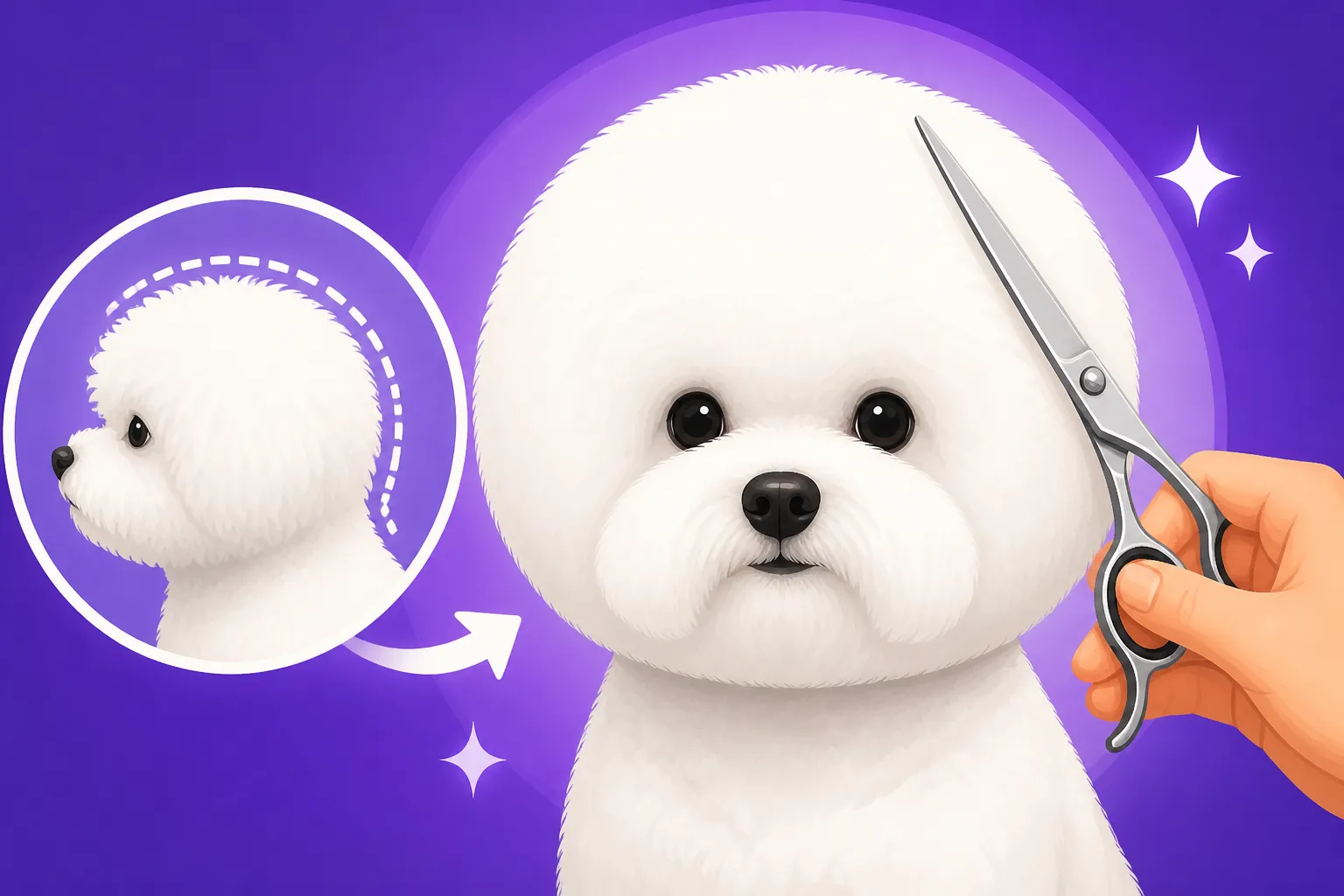
How the Round Head Is Scissored on a Bichon Frise
That iconic, perfectly rounded Bichon Frise head can feel like the Holy Grail for many owners and even experienced groomers. It's not just about trimming hair; it's about sculpting a fluffy cloud that perfectly frames their sweet, dark eyes. Many folks get frustrated trying to achieve that symmetrical, balanced look, often ending up with a lopsided or boxy shape that just doesn't quite capture the breed's charm. This comprehensive guide will walk you through everything you need to know, from understanding the ideal shape to the tools and techniques for creating that unmistakable powder puff head, helping you confidently tackle this intricate part of your Bichon's groom.
The Signature Bichon Frise Head: Understanding the Ideal Shape
Before you even pick up a pair of scissors, it’s crucial to understand what the ideal Bichon Frise head should look like. This isn't just about personal preference; there's a recognized breed standard that describes this distinctive look, often referred to as a "powder puff" or "round" head. Without a clear picture in your mind, it's easy to get lost in the fluff.
What Makes the Bichon Head So Distinctive
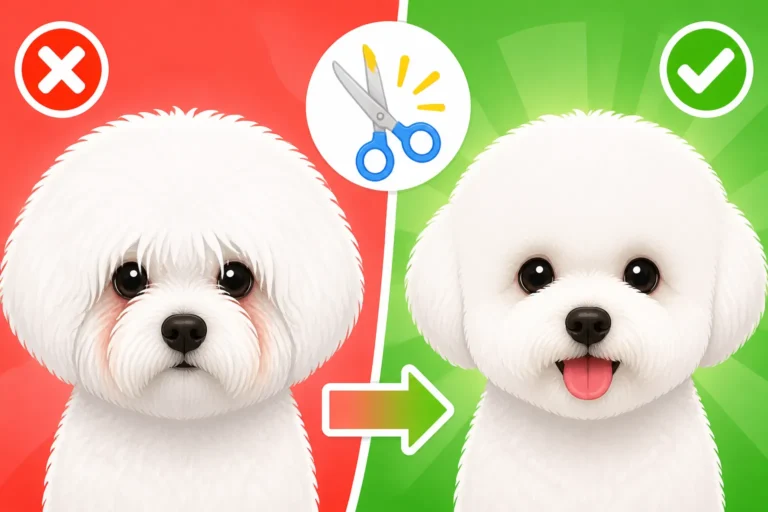
The Bichon Frise head is famous for its soft, round appearance, blending seamlessly into the neck and body. It's meant to be proportionate to the dog's overall size, neither too large nor too small, giving a charming, inquisitive expression. Think of a perfect circle, but one that flows and softens, rather than a hard, defined edge. The goal is to emphasize their happy, intelligent eyes and give them that whimsical, cloud-like quality. Anything too angular, too flat, or too narrow can throw off the entire look and lose that quintessential Bichon charm. It’s truly an art form, aiming for a balance that highlights their bright, dark eyes and sets off their cheerful demeanor. The Powder Puff Outline a Bichon Frise Is Scissored Into goes into more detail about the overall breed standard for grooming.
The Role of Proportion and Balance
Proportion is absolutely key when scissoring the Bichon head. The head should appear roughly as wide as it is long, and when viewed from the front, it should present a soft, round outline. The hair on top of the head needs to transition smoothly down to the cheeks and then into the neck. There shouldn't be any abrupt lines or "steps" in the coat. Imagine drawing an invisible circle around your dog's head; the hair should fill out this circle evenly. The ears should almost disappear into this fluffy sphere, and the hair around the muzzle should contribute to the roundness without obscuring their nose or making their face look heavy. This balance ensures the head doesn't look too heavy or too small for their body, creating a harmonious and aesthetically pleasing silhouette. This requires a keen eye and often means stepping back frequently to assess your work from different angles.
Essential Tools for Sculpting the Perfect Head
Achieving that signature Bichon head requires more than just enthusiasm; it demands the right tools. Investing in quality equipment not only makes the job easier but also contributes significantly to the final, polished look. Trying to make do with dull or incorrect tools will only lead to frustration and a less-than-ideal outcome.
Scissor Selection: Straight, Curved, and Thinning Shears
For the Bichon head, you'll need a combination of scissors, each serving a specific purpose:
- Straight Shears: These are your primary workhorses for removing bulk and establishing the initial shape. Look for a pair that's sharp and comfortable in your hand. They're excellent for the top of the head, the sides, and blending the neck.
- Curved Shears: These are absolute game-changers for creating the roundness. The gentle curve helps you follow the natural contours of the head and face, making it much easier to achieve that soft, spherical shape around the crown, cheeks, and chin. Using curved shears around the top of the head and under the jawline can create those seamless, fluffy curves that are so characteristic of the Bichon.
- Thinning Shears (Blenders): Often overlooked by home groomers, thinning shears are invaluable for softening lines, blending different lengths of coat, and removing a little bit of bulk without leaving noticeable cut marks. They are perfect for touch-ups around the eyes, blending the ears into the head, and giving a really natural, polished finish.
Always ensure your scissors are sharp. Dull scissors will pull the hair, cause discomfort, and lead to a choppy, uneven cut. You can find a wide variety of grooming shears on platforms like Chewy or Amazon, often in sets that include all three types.
Combs, Brushes, and Drying Equipment
Beyond scissors, a few other tools are non-negotiable for a professional-looking Bichon head:
- Slicker Brush: Essential for thoroughly fluffing the coat before and during scissoring. It helps remove tangles and ensures all the hair is standing out evenly, allowing for a precise cut.
- Metal Comb: Used to check your work, ensure there are no mats, and lift the hair for an even trim. A fine-toothed end is great for around the eyes, while the wider-toothed end works for general coat assessment.
- High-Velocity Dryer: While not strictly for scissoring, proper drying is paramount. A high-velocity dryer, followed by brush drying, ensures the coat is completely straight and fluffy. If the coat is even slightly damp or curly when you start scissoring, it will spring back unevenly, leading to a lopsided look. Getting the coat perfectly straight and fluffy is half the battle when aiming for that powder puff effect.
- Grooming Table with Arm: A non-slip grooming table and an arm with a noose are incredibly helpful, especially if your Bichon isn't keen on standing still. It keeps them secure and at a comfortable height, allowing you to focus on the intricate work. Teaching a Bichon Frise to Hold Still on a Table is a great resource if you're struggling with this aspect.
Preparing Your Bichon's Coat for Scissoring
You can have the best scissors in the world, but if your Bichon’s coat isn’t properly prepared, you’ll never achieve that perfect, round head. The Bichon coat is unique – a double coat with a soft undercoat and coarser outer coat – and it demands specific care to stand up correctly for scissoring.
The Importance of a Thorough Bath
A clean coat is the foundation of any good groom. Dirt, oil, and product residue weigh the hair down, making it impossible to achieve the airy, fluffy texture needed for scissoring.
- Shampooing: Use a good quality whitening or brightening shampoo specifically formulated for white coats. This will help lift out any yellowing or staining, which is particularly common around the face. Be sure to lather thoroughly, getting right down to the skin, and then rinse, rinse, rinse! Any shampoo left behind can irritate the skin and make the coat sticky. Consider a second shampoo if your Bichon is particularly dirty.
- Conditioning: Follow with a good conditioner. This helps to detangle, adds moisture, and makes the coat more manageable. Again, rinse thoroughly until the water runs clear and there’s no slippery residue left on the coat. Many Bichon Frise owners find that a good conditioning treatment helps to prevent matting, especially in the fine hair around the face and ears. Keeping a White Bichon Frise Actually White offers more tips on maintaining that pristine coat.
Fluff Drying: The Key to the Powder Puff
This step is arguably the most critical for the Bichon head. A properly fluff-dried coat will stand out from the body, making it easy to sculpt. A poorly dried coat will lie flat, clump, or curl, making scissoring a guessing game.
- Towel Dry First: Gently squeeze out as much excess water as possible with a clean, absorbent towel. Avoid vigorous rubbing, as this can cause tangles.
- High-Velocity Dryer: Start with a high-velocity dryer to remove most of the moisture. Keep the nozzle moving constantly to avoid 'burning' the skin. This step helps to separate the hairs, laying the groundwork for that fluffy texture.
- Brush Drying: Once the coat is damp rather than wet, switch to a stand dryer or a regular handheld dryer with a slicker brush. Systematically dry sections of hair while brushing upwards and outwards, against the grain of the coat. The goal is to get every single strand of hair standing perfectly straight and dry, from root to tip. Pay special attention to the head, face, and ears, ensuring they are completely stretched and fluffy. If any part of the coat is left with a natural wave or curl, your scissored line will be uneven once it relaxes. This meticulous drying process is what truly creates the "powder puff" effect.
The Art of Scissoring: Step-by-Step for the Head
Now that your Bichon’s coat is perfectly clean, dry, and fluffed, it’s time for the main event: scissoring that beautiful round head. Take your time, work in small increments, and remember that you can always take more hair off, but you can’t put it back on!
Establishing the Initial Shape: Top of the Head and Forehead
Start by picturing that perfect circle. You'll begin by setting the length and general outline.
- Top of the Head: Using your straight shears, begin shaping the top of the head. Comb all the hair on top of the head straight up. Holding your scissors parallel to the floor, trim a flat plane across the very top. This establishes your desired height. Don't go too short here, as you'll be blending downwards. Gradually round the corners of this flat plane with your straight or curved shears to begin the circular shape. Always comb the hair up and out, then snip. Take small bits at a time.
- Forehead: Comb the hair on the forehead straight forward. Using your straight shears, or preferably curved shears, round this area to blend seamlessly into the top of the head and down towards the eyes. The hair over the eyes should be long enough to contribute to the roundness but short enough not to obstruct vision or fall into their eyes. Many groomers trim a subtle visor-like fringe here that curves with the brow bone, contributing to the overall roundness of the face. Remember, the goal is a soft, continuous curve.
Shaping the Cheeks, Chin, and Ears
These areas are crucial for achieving the full, round look and blending it into the neck.
- Cheeks: Comb the hair on the cheeks straight out. Using your curved shears, follow the natural curve of the cheekbones, scissoring in a rounded fashion towards the jawline. You want to create a full, fluffy cheek that contributes to the overall circular outline when viewed from the front. Avoid flattening this area, as it will make the head look narrow. Blend this seamlessly into the chin area.
- Chin and Under the Jaw: Gently lift your Bichon's chin. Comb the hair straight down and out. Use your curved shears to create a soft, rounded line under the jaw, making sure to connect the cheek lines. You want enough hair to give fullness but not so much that it looks like a beard. This area needs to blend into the neck without any hard lines. It’s often best to trim this slightly shorter than the cheeks to keep the area clean and prevent matting from drool or food.
- Ears: The Bichon's ears should be almost completely hidden within the fluffy head. Comb the ear leather and surrounding hair straight out. Use your straight or curved shears to blend the hair on the ears into the overall round shape of the head. The hair on the edges of the ears can be left slightly longer to maintain the soft outline, but any straggly bits should be trimmed. The aim is to make the ears disappear into the cloud of hair, becoming part of the seamless round shape. You'll often use thinning shears here to soften the blend and remove any bulk, especially around the ear canal opening.
Blending and Refining for the Perfect Finish
Once the major shaping is done, it's time for the meticulous blending and refining.
- Blending the Lines: Comb the entire head again, checking for any missed spots or uneven lines. Use your thinning shears to soften any harsh transitions between different sections you've cut, particularly where the top of the head meets the cheeks, and where the ears blend in. This creates that seamless, natural powder puff look. Step back frequently to view your Bichon from all angles – front, side, and even overhead – to ensure symmetry and evenness.
- Around the Eyes and Muzzle: Carefully trim any stray hairs around the eyes that might poke or irritate. Use a small, blunt-tipped scissor or thinning shears for safety. The hair around the muzzle should be kept clean and tidy, trimmed so that it contributes to the roundness without appearing heavy or interfering with eating and drinking. Again, use curved shears or thinning shears to create soft curves here. Remember to constantly brush the hair back up and out to check your work. Don't forget to clean up any excess hair that grows between the paw pads, as this can impact their gait and traction.
- Final Inspection: Once you think you’re done, give your Bichon a quick shake or let them move around a bit, then re-comb the head and look for any hairs that spring out of place. These are your final touch-up areas. It’s amazing what a quick shake can reveal!
Common Challenges and Troubleshooting for the Bichon Head
Even with the best instructions, you're bound to encounter some challenges when scissoring a Bichon's head. It's a skill that takes practice, patience, and a bit of troubleshooting. Don't get discouraged if your first few attempts aren't perfect – that's entirely normal!
Dealing with Unevenness and Asymmetry
One of the most common frustrations is ending up with a lopsided or uneven head. It happens to the best of us!
- Step Back and Reassess: When you notice unevenness, the worst thing you can do is keep snipping haphazardly. Step away from your dog, take a deep breath, and look at the head from different angles – eye-level, from above, from the front, and from each side. Sometimes holding your dog’s head in a neutral position, looking straight ahead, can help you spot imbalances.
- Comb and Lift: Use your metal comb to lift all the hair on the uneven side, then compare it to the more symmetrical side. Often, it's just a matter of a few longer strands throwing off the illusion.
- Small Snips: Instead of big cuts, take very small snips with your straight or curved shears to bring the longer side down. Remember the golden rule: you can always take more off, but you can’t put it back! Thinning shears can also be your best friend here, as they allow for subtle adjustments without creating harsh lines. If you're struggling, it might be worth watching some online grooming tutorials for visual guidance on correcting asymmetry.
Managing Cowlicks and Difficult Coat Textures
Bichon coats, while generally uniform, can have tricky areas, especially cowlicks or areas where the hair grows in different directions. These can make achieving a smooth, round surface incredibly difficult.
- Strategic Drying: Prevention starts during drying. When fluff-drying, pay extra attention to cowlicks. Use your slicker brush and the high-velocity dryer to really stretch and straighten the hair in these stubborn spots, forcing it to lie in the direction you want it to for scissoring.
- Work Against the Grain (Carefully): For cowlicks, you might need to comb the hair against its natural growth pattern and then snip, allowing it to fall back into place shorter. Then, comb it with the grain and make another small trim. This technique helps blend the area.
- Thinning Shears for Softness: If a cowlick is creating a noticeable bump or an unblendable area, thinning shears are your secret weapon. They can remove bulk and soften the transition without making the area look choppy. Use them sparingly and in different directions to diffuse the issue. Sometimes, understanding Whether a Bichon Frise Coat Is Curly or Wavy can help predict where these textural challenges might arise.
Maintaining the Bichon Head Between Full Grooms
Achieving that perfect Bichon head is only half the battle; maintaining it between those 6-8 week full grooming sessions is essential. Daily care can significantly extend the life of your sculpted masterpiece and make the next grooming appointment much easier for everyone involved.
Daily Brushing and Combing
Regular brushing is the cornerstone of Bichon coat maintenance, especially on the head. The hair around the face and ears is prone to matting due to moisture from eating, drinking, and tear stains.
- Routine: Dedicate 5-10 minutes each day to brushing and combing your Bichon's head. Use a slicker brush to fluff the hair, then follow with a metal comb to ensure there are no tangles working their way down to the skin. Pay particular attention behind the ears, under the chin, and around the muzzle, as these are prime matting spots.
- Preventing Matting: Mats can quickly pull the coat flat, ruining the round shape you worked so hard to achieve. If you find a small mat, gently work it out with your fingers, a dematting comb, or a mat splitter before brushing. Never try to brush through a large mat as it will cause pain and coat damage. How Long Brushing a Bichon Frise Takes highlights the dedication needed for this breed's coat.
Spot Cleaning and Eye Care
Bichons are famous for their pristine white coats, but their faces can often tell a different story with tear stains and food remnants.
- Tear Stain Management: Regularly wipe the hair around your Bichon's eyes with a damp cloth or a specialized tear stain wipe. This helps prevent the moisture from staining the hair reddish-brown. For stubborn stains, there are various products available, but consistency is key. Understanding What Causes a Bichon Frise's Tear Stains can help you tackle this issue effectively.
- Muzzle Cleaning: After every meal, quickly wipe your Bichon's muzzle clean. Food bits left in the fluffy hair can not only cause staining but also lead to mats and unpleasant odors. A quick wipe with a damp cloth is all it takes to keep this area fresh and clean.
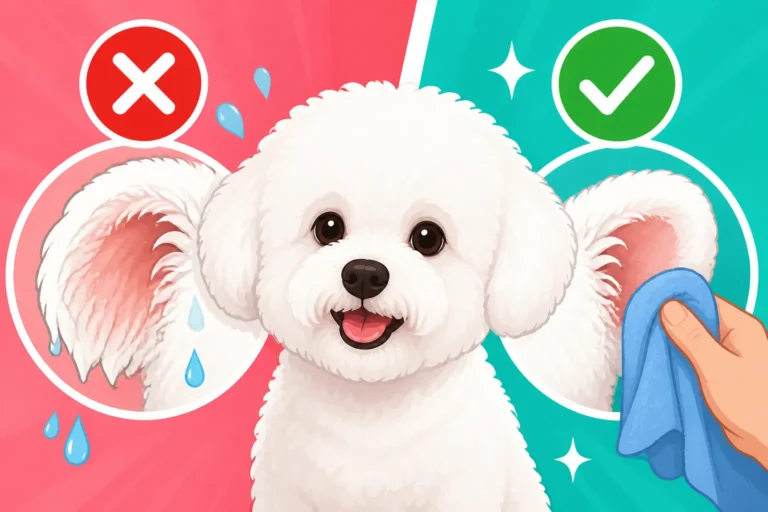
- Ear Care: While not directly part of the scissored head outline, healthy ears are part of a well-groomed Bichon. Regularly check the ears for redness, odor, or excess wax, and clean them as needed with a veterinarian-approved ear cleaner. If your Bichon's ears are bothering them, they might be more resistant to head grooming. The Ears a Bichon Frise Needs Cleaned Every Week provides a detailed guide on ear hygiene.
Touch-Ups and When to See a Professional Groomer
You don't need to do a full head groom every week, but occasional touch-ups can keep the shape looking crisp.
- Minor Trims: If you notice a few stray hairs poking out that are disrupting the perfect roundness, a quick snip with your thinning shears can do wonders. You can also trim the hair around the eyes if it starts to grow long enough to interfere with vision. These small maintenance trims can greatly extend the time between professional appointments.
- Professional Help: Don't hesitate to reach out to a professional groomer if you're feeling overwhelmed or if the coat has become too matted or uneven for you to comfortably manage. They have the expertise, specialized tools, and often a fresh perspective to get your Bichon looking their best. Many professional groomers can perform a "face trim" or "tidy-up" between full grooms at a reduced cost. Whether you buy specialized grooming tools from Chewy or a new pair of scissors from Amazon, consistent effort makes all the difference.
Comparative Grooming Styles for the Bichon Frise Head
While the classic round "powder puff" head is the hallmark of the Bichon Frise breed standard, some owners opt for variations that suit their lifestyle, the dog's coat texture, or simply personal preference. Understanding these different styles can help you communicate with your groomer or adjust your home grooming approach.
The Classic Powder Puff Head vs. Pet Trim Variations
The distinction between a show-style powder puff and more practical pet trims often comes down to length and maintenance.
- The Classic Powder Puff: As detailed earlier, this is the iconic, perfectly symmetrical, fluffy spherical head, achieved through meticulous scissoring. It requires a significant amount of coat length, precise technique, and consistent at-home maintenance to prevent matting and preserve the shape. This is the look you see in the show ring and often what people envision when they think of a Bichon Frise. The Powder Puff Outline the Bichon Frise Standard Describes really digs into what this means.
- Practical Pet Trim Variations: For many pet owners, the full powder puff can be a lot of work. Pet trims often involve shortening the hair on the head to reduce maintenance, while still aiming for a soft, rounded appearance.
- Shorter Round Head: The overall round shape is still there, but the hair is simply cut shorter. This means less brushing and less prone to matting from tear stains or food. It’s still rounded and neat, but less voluminous.
- Modified Puppy Cut: Some owners opt for an even shorter, easier-to-maintain "puppy cut" style on the head, where the hair is clipped or scissored uniformly short all over, including the head. While it loses some of the distinct Bichon character, it's a very low-maintenance option for dogs that dislike grooming or owners with limited time. The key is to still ensure the face is framed softly and not clipped too harshly.
Tools and Techniques for Different Head Styles
The tools you use might shift slightly depending on the desired head style.
- For the Classic Powder Puff: As discussed, a full range of straight, curved, and thinning shears are essential. The technique relies heavily on scissoring, carefully shaping each section to achieve maximum fluff and seamless curves. The emphasis is on building volume and then sculpting it.
- For Shorter Pet Trims: While scissoring is still used for the finish, clippers may be introduced, especially for the top of the head or cheeks, before softening with scissors.
- Clippers with Guard Combs: For a shorter, uniform length, a clipper with an appropriate guard comb (e.g., a 1/2 inch or 3/4 inch comb) can be used on the top and sides of the head. This removes bulk quickly and provides a consistent base length.
- Scissoring for Softness: Even with clippers, scissors (especially thinning shears and curved shears) are crucial for softening the lines, blending the clipped areas, and creating that rounded, soft facial frame. You wouldn't want sharp clipper lines on a Bichon's head! Whether a Bichon Frise Can Be Clipped Instead explores this topic in more detail.
- Face Trims: Regardless of the body trim, many Bichon owners still want a neatly scissored face. A groomer might use a clipper on the body but then switch to hand scissoring for the head to retain that classic appeal.
No matter which style you choose, the underlying principles of starting with a clean, fluff-dried coat and working symmetrically remain paramount.
Overcoming Behavioral Challenges During Head Grooming
Head grooming is often the most intricate and potentially anxiety-inducing part of the grooming process for a Bichon Frise. Their face is a sensitive area, and previous negative experiences or discomfort can make them resistant. Patience and positive reinforcement are absolutely vital.
Addressing Fear and Discomfort Around the Face
Many dogs are naturally wary of scissors, combs, and dryers near their eyes, ears, and mouth.
- Start Young and Slowly: If you have a puppy, start acclimating them to face handling and grooming tools from a very young age. Short, positive sessions are key. Even a few seconds of gently touching their face with a comb, followed by a treat, can build a positive association.
- Positive Reinforcement: Make head grooming a positive experience. Use plenty of praise, calming words, and high-value treats (like those from Ollie, if your vet approves them for your dog’s specific dietary needs). Reward calm behavior, even if it's just for a moment of stillness.
- Desensitization: If your Bichon is already fearful, you'll need to desensitize them to the tools. Let them sniff and investigate the closed scissors and combs. Touch the tools to their body, then their head, without actually grooming. Gradually increase the duration and intensity, always pairing it with treats.
- Safe Handling: Always be gentle. Support their head and chin firmly but kindly. Never pull their hair or poke them with tools. Use blunt-nosed scissors around the eyes for extra safety. If your dog is moving unpredictably, take a break. It’s better to have an unfinished groom than an injured dog.
Managing Wiggles and Lack of Cooperation
A squirming Bichon makes precise scissoring impossible and dangerous.
- Short, Frequent Sessions: Instead of trying to do the entire head at once, break it down into very short, manageable sessions, perhaps just a few minutes at a time. This is especially true for puppies or dogs new to grooming.
- Calm Energy: Dogs pick up on our stress. If you’re tense, your Bichon will be too. Approach grooming with a calm, confident, and positive attitude.
- Grooming Table and Restraint: A non-slip grooming table with a grooming arm and loop can be immensely helpful for keeping your Bichon still and safe. The loop isn't meant to choke them but to gently encourage them to stand or sit in position. Never leave your dog unattended on a grooming table.
- Breaks: If your Bichon gets overly stressed or uncooperative, take a short break. A five-minute cuddle or a quick potty break can sometimes reset their mood, allowing you to return to grooming with a calmer dog. If resistance persists, it might be worth consulting with a professional groomer or a dog trainer experienced in cooperative care to help teach your Bichon to accept grooming more readily. Whether a Bichon Frise Needs Sedation for Grooming is a good read if you're concerned about extreme anxiety during grooming.
Table of Scissor Types for Bichon Frise Head Grooming
To summarize the utility of different scissor types for that perfect Bichon head:
| Scissor Type | Primary Use | Key Benefit | Areas of Application |
|---|---|---|---|
| Straight Shears | Removing bulk, establishing initial length | Straight, clean cuts, good for general shaping | Top of head, sides, blending into neck |
| Curved Shears | Creating roundness, following contours | Natural curves, soft lines | Crown, cheeks, chin, around ears |
| Thinning Shears | Softening lines, blending, removing small bulk | No harsh cut marks, natural finish, diffusing issues | Blending all areas, around eyes, softening edges |
| Small Blunted | Safety trimming small, delicate areas | Reduced risk of injury | Around eyes, corners of mouth |
This table helps illustrate why having a variety of shears is beneficial for achieving a truly professional-looking Bichon Frise head.
Disclaimer
This article is for general informational purposes only and does not constitute professional advice. Laws, prices and regulations vary by location and change over time. Consult a qualified professional for guidance on your specific situation.