The Stone That Comes Back a Year After Bichon Frise Surgery
There’s almost nothing more disheartening for a Bichon Frise parent than going through the emotional and financial rollercoaster of bladder stone surgery, only for the vet to tell you, sometimes just a year later, that the stones are back. It feels like a punch to the gut, like all your hard work and hope have been undone. This guide is here to help you understand why this happens, what to look for, and how to navigate the complex journey of recurrent bladder stones in your beloved Bichon Frise.
The Frustrating Reality of Recurrent Bladder Stones
When your sweet Bichon Frise is diagnosed with bladder stones, it's a huge shock. You navigate the diagnostics, the scary surgery, and the delicate recovery, all with the promise that things will get better. Then, the unthinkable happens: the stones return. This isn't just bad luck; it's a frustrating, often heartbreaking reality for many Bichon Frise owners, leaving them feeling exhausted and overwhelmed. The breed's inherent predisposition makes this battle a long-term commitment, not a one-off event.
Why Bichons Are Prone to Recurrence
Bichon Frises, bless their fluffy hearts, are genetically predisposed to forming calcium oxalate bladder stones. It's not a flaw in your care; it's just how they're wired. Studies show that Bichons form stones twenty times as often as some other breeds, and this isn't something you can easily change. Their metabolic makeup leads to higher levels of calcium and oxalate in their urine, creating the perfect storm for stone formation. This makes them prime candidates for the problem to crop up again, even after successful removal.
It’s crucial to understand that even with the best post-surgical care – strict diet, increased water intake, and regular monitoring – the underlying genetic predisposition remains. You might be doing everything perfectly, following every vet instruction to the letter, and still, those tiny crystals can start to aggregate again. This isn't a reflection of your failure, but rather the tenacity of this particular health challenge in the breed. The biological process that leads to stone formation is deeply ingrained, making prevention a constant, vigilant effort rather than a simple cure.
Think of it like this: your Bichon's bladder is like a small chemistry lab, and sometimes, despite all your efforts to balance the reagents, the conditions just lean towards crystal formation. The structure of their urinary tract, combined with their unique metabolism, means that even microscopic crystals that were missed during surgery or that formed shortly after can act as a nidus for new stones to grow. This is why the problem seems to come back with such stubborn persistence, defying all your efforts to keep your furry friend healthy and comfortable.
The Disheartening Timeline of Return
It's common for stones to return within a year, sometimes even sooner, after initial surgery. The heartbreaking truth is that many Bichon Frises will experience a recurrence, with statistics suggesting that over a third of Bichon Frises recur within a year, and most will experience recurrence by three years. This isn't just a physical challenge for your dog; it's an immense emotional burden for you, the owner, who has invested so much hope into the first procedure.
This rapid return of stones can be incredibly disheartening. You might feel a sense of betrayal by the problem itself, wondering if the surgery even helped at all. The reality is that the surgery removed the existing problem, but it didn't change the propensity for new stones to form. The year mark often catches owners off guard because they've finally settled back into a routine, thinking the worst is behind them. The feeling of dread returning with those subtle signs of urinary discomfort is something no pet parent wants to experience.
The recurring nature of these stones also highlights the importance of consistent, long-term preventative measures. It's not just about what you do in the weeks after surgery, but the lifestyle changes you commit to for the rest of your Bichon's life. This long-term vigilance can feel overwhelming, especially when you're already dealing with the immediate stress of a recurrence. It’s a marathon, not a sprint, and understanding this from the outset can help you prepare for the journey ahead, even when it feels incredibly unfair.
Understanding Calcium Oxalate Stones in Bichons
Calcium oxalate stones are the most common type of bladder stone found in Bichon Frises, and they behave differently from other types of stones. Knowing what you're up against is the first step in effective management. These aren't just any stones; they have a particular composition that makes them especially challenging.
The Specifics of Oxalate Formation
Unlike struvite stones, which can often be dissolved with a special diet and antibiotics if a bacterial infection is present, calcium oxalate stones do not dissolve. Once they form, they're there for good and typically require physical removal, usually through surgery. This fact alone makes them particularly frustrating for owners, as there's no easy dietary fix to make them disappear.
The formation of these stones is complex, involving various factors. High levels of calcium and oxalate in the urine, coupled with urine pH levels that favor crystallization, contribute significantly. Imagine tiny sharp crystals forming in a saturated solution within the bladder, slowly growing and agglomerating into larger stones. This process is often silent in its early stages, meaning by the time you notice symptoms, the stones can already be quite substantial.
Furthermore, certain urinary proteins and inhibitors can also play a role. In a healthy urinary tract, there are natural compounds that help prevent crystals from clumping together. In dogs prone to oxalate stones, these protective mechanisms might not be working as efficiently, allowing crystals to form more readily. This means the battle isn't just about reducing precursors but also enhancing the natural defenses within the bladder, a difficult task given the genetic predisposition of Bichons.
How a Bichon Frise's Metabolism Contributes
A Bichon Frise's unique metabolism plays a significant, often unfair, role in their susceptibility to calcium oxalate stones. Their bodies tend to excrete more calcium and oxalate into their urine compared to other breeds, creating a highly concentrated environment ripe for crystal formation. This isn't due to dietary indiscretion alone; it's a fundamental aspect of their physiology.
Diet, while crucial for management, isn't always the sole culprit. Even on a perfectly balanced, appropriate diet, a Bichon's body might still process calcium and oxalate in a way that encourages stone formation. This can be incredibly frustrating for owners who meticulously measure food and avoid all forbidden treats, only to find stones returning. The genetic component means that prevention isn't just about what goes in their mouth, but how their body processes everything.
For instance, some Bichons might have a predisposition for hypercalciuria (excess calcium in urine) or hyperoxaluria (excess oxalate in urine) due to genetic factors, independent of their diet. This intrinsic metabolic imbalance means that managing calcium oxalate stones in a Bichon Frise is less about correcting a mistake and more about mitigating a powerful genetic tendency. It requires a comprehensive approach that considers not just diet, but also hydration, frequent urination, and regular monitoring to stay ahead of the problem.
Recognizing the Signs of Recurrence
The signs of recurring bladder stones can be sneaky, sometimes mimicking a simple urinary tract infection, which can delay diagnosis. As a vigilant Bichon parent, knowing what to look for is paramount, especially since early detection can make a significant difference in management and your dog's comfort.
Subtle Clues and Overt Symptoms
Initially, the signs might be very subtle. You might notice your Bichon Frise licking their genital area more often, or perhaps a slight change in their urination habits. They might start asking to go out more frequently, or you might find small, accidental puddles indoors, even if they were perfectly house-trained. These are often the first, quiet whispers of a problem brewing, easily mistaken for a minor irritation or even a behavioral regression.
As the stones grow or if more crystals form, the symptoms become more overt and concerning. You might see straining to urinate, or your dog might only produce a few drops at a time. The urine itself might appear cloudy, discolored, or even contain visible blood. These are classic signs that your Bichon has stones and is experiencing significant discomfort. If you see blood in a Bichon Frise's urine, it often means stones are present, causing irritation and damage to the bladder lining.
It’s easy to dismiss these early signs, especially if your dog seems otherwise happy and energetic. However, for a Bichon Frise with a history of stones, any deviation from their normal urination pattern warrants immediate attention. Don’t wait for the symptoms to become severe. A quick check-up with your vet could catch a small stone before it becomes a large, painful problem, or worse, leads to a blockage.
The Urgency of a Blocked Bichon Frise
The most severe and life-threatening complication of bladder stones, especially in male Bichons, is a complete urinary blockage. Male dogs have a narrower urethra, making them more susceptible to stones getting lodged and preventing any urine from passing. Spotting a blocked Bichon Frise in time is critical because this is a medical emergency that can quickly turn fatal if not addressed immediately.
If your Bichon Frise is straining intensely, crying out in pain, or repeatedly trying to urinate with no success, or if their abdomen appears distended and painful, these are signs of a potential blockage. This isn't just discomfort; it's an excruciating, life-threatening situation. Toxins build up rapidly in the bloodstream when urine cannot exit the body, leading to kidney failure and death within a day or two.
This is why vigilance is so important. A straining Bichon Frise is an emergency, full stop. Don't ever hesitate to rush to an emergency veterinary clinic if you suspect your dog is blocked. Time is of the essence, and swift action can save their life. This is one of those moments where it’s always better to be overly cautious than to wait and regret it.
Diagnostic Steps When Stones Return
When those familiar, dreaded symptoms resurface, it's natural to feel a wave of anxiety. But your vet has a clear pathway to confirm the presence of new stones and guide you towards the next steps. Early and accurate diagnosis is key to minimizing discomfort and preventing severe complications.
Confirming the Presence and Type of Stones
The first step, just like the initial diagnosis, will involve a thorough veterinary examination and typically, a urine test. Your vet will look for signs of infection, blood, or crystals in the urine, which can point towards stones. However, a urine test alone cannot definitively confirm stones, as sometimes crystals are present without actual stones forming. Whether a Bichon Frise should be urine tested yearly is a debate, but certainly, if symptoms appear, it's a vital first step.
To truly confirm the presence of stones, imaging is essential. This usually means X-rays and/or an ultrasound. Calcium oxalate stones are typically radiopaque, meaning they show up clearly on X-rays. An ultrasound can also provide valuable information about the bladder wall, the size and number of stones, and whether any smaller stones are present that might be missed on an X-ray. This combination of diagnostics helps your vet get a complete picture of what's happening inside your Bichon's bladder.
Sometimes, especially if the initial stone analysis was not performed, or if there's any doubt about the type of stone, your vet might recommend a more advanced diagnostic called a "contrast study" or even a "retrograde urethrogram" if a urethral blockage is suspected. While these are more invasive, they provide incredible detail. The goal is always to gather as much information as possible to formulate the most effective treatment plan, especially since recurrent stones mean the stakes are even higher.
The Importance of Comprehensive Imaging
After a Bichon Frise has had stone surgery, routine follow-up imaging is often recommended to catch new stones early. This proactive approach can feel like an extra burden, both financially and emotionally, but it's a critical tool in managing a breed so prone to recurrence. How a vet confirms stones in a Bichon Frise usually involves a combination of these imaging techniques.
Annual or biannual X-rays or ultrasounds can show if small stones are beginning to form before they cause significant clinical signs or grow large enough to cause a blockage. This is particularly important because, as we've discussed, calcium oxalate stones don't dissolve. Catching them when they are tiny might open up options for less invasive removal techniques, or at least allow for planned surgery rather than an emergency.
Many vets will recommend that a Bichon Frise should be X-rayed yearly, especially those with a history of stone formation. This vigilance is a cornerstone of long-term management. While it might seem excessive, imagine the relief of catching a tiny stone that can be managed before it causes excruciating pain or a life-threatening emergency. This proactive approach is a testament to your commitment to your Bichon’s ongoing health and well-being.
Managing Recurrence: Beyond the First Surgery
When stones return, the treatment plan often builds upon what was learned from the first episode, but with an intensified focus on long-term prevention. It's about breaking the cycle and giving your Bichon the best chance at a comfortable, stone-free life.
Surgical Options for Repeat Cases
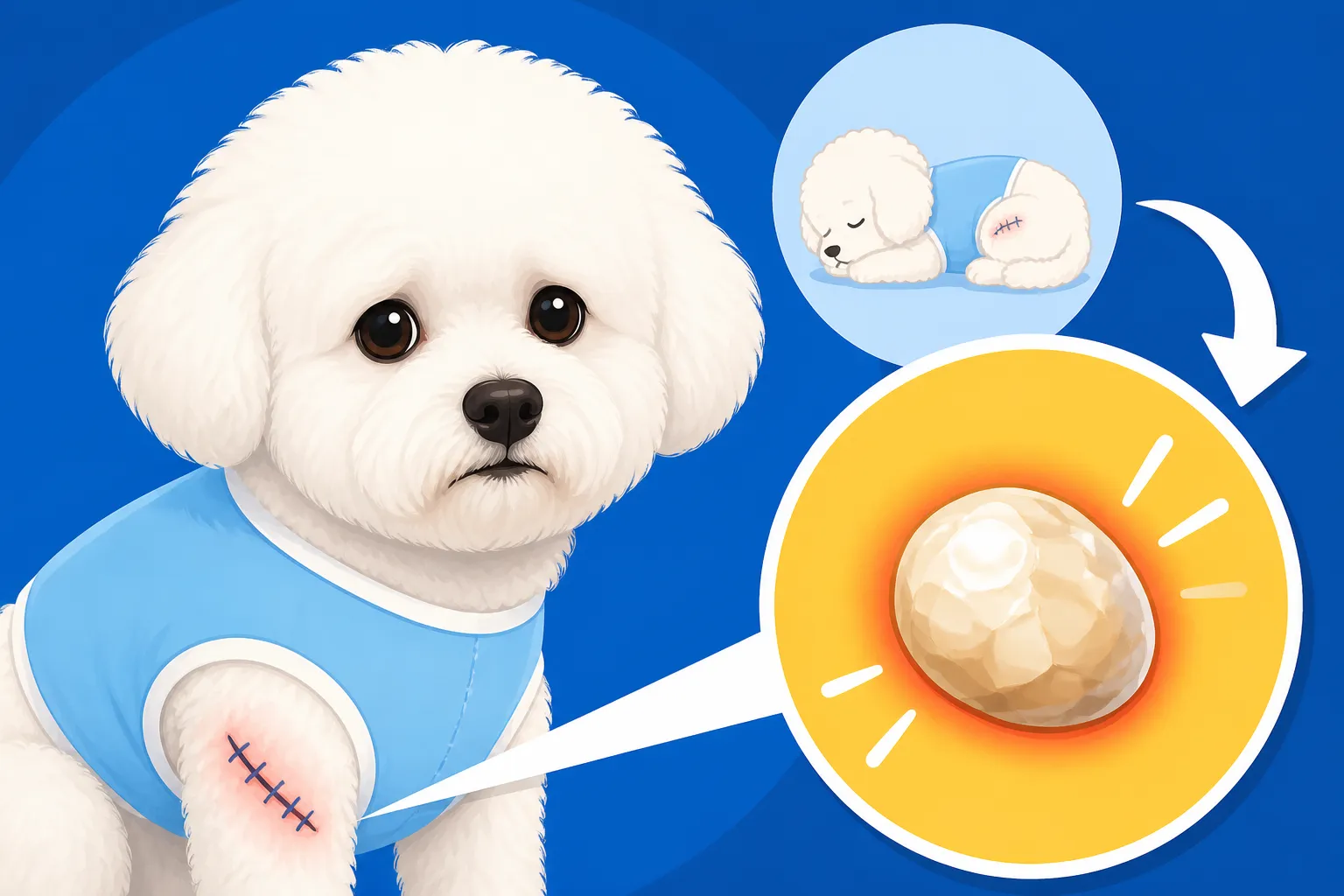
For calcium oxalate stones that have recurred, surgery remains the primary method of removal. Just like the first time, a cystotomy, which involves surgically opening the bladder to remove the stones, is the most common procedure. While no owner wants their dog to undergo surgery multiple times, sometimes it's the only way to alleviate pain and prevent a blockage. What stone surgery involves on a Bichon Frise is typically straightforward, but the recovery still requires careful attention.
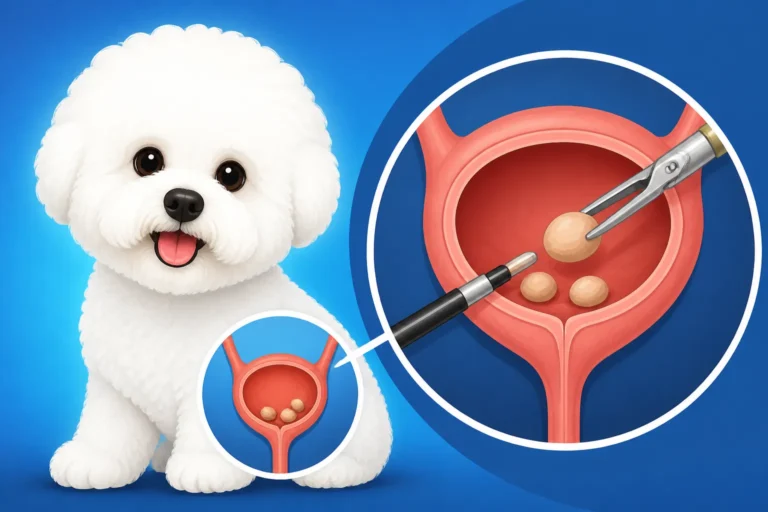
In some cases, especially if stones are small and located in a position accessible via endoscopy, a less invasive procedure called cystoscopy might be an option. This involves inserting a tiny camera and instruments into the urethra and bladder to retrieve small stones. It's less invasive, with a quicker recovery time, but it's not suitable for all sizes or numbers of stones. Your vet will evaluate if this is a viable option for your Bichon.
For male Bichons who experience recurrent urethral blockages, a more drastic surgical procedure called a urethrostomy might be considered. This involves creating a new, permanent, wider opening for urination, usually behind the scrotum. This is typically a last resort, as it's a major surgery with its own set of potential complications, but it can be life-saving for dogs with chronic, life-threatening blockages. Whether a urethrostomy is ever done on a Bichon Frise depends on the severity and frequency of urethral obstructions.
Non-Surgical Strategies and Their Limitations
Unfortunately, for calcium oxalate stones, non-surgical dissolution is not an option. This is a critical point that can sometimes be misunderstood by owners. Unlike struvite stones, which can dissolve with a specialized diet, oxalate stones are resistant to this approach. This means dietary management is solely for prevention of new stones, not for dissolving existing ones.
However, if the stones are extremely small, sometimes a procedure called urohydropropulsion can be attempted. This involves flushing the bladder with sterile fluid under pressure to try and "hydro-expel" tiny stones through the urethra while the dog is sedated or anesthetized. This is only viable for very small stones and requires the dog to be cooperative and the urethra wide enough for the stones to pass without causing trauma. It’s certainly less invasive than a full cystotomy, but its applicability is limited.
For larger or numerous stones, surgery truly remains the gold standard. The non-surgical "strategies" for existing calcium oxalate stones are primarily limited to careful monitoring and attempting to flush very small stones. This stark reality underscores why prevention is so critical after the first surgery, as once these stones take root, getting rid of them usually requires a trip to the operating room.
Lifelong Prevention: The Cornerstones of Care
Once your Bichon Frise has had calcium oxalate stones, preventing their recurrence becomes a lifelong commitment. This isn't just a temporary change; it's a fundamental shift in how you care for your dog. Consistency and diligence are your greatest allies.
The Indispensable Role of Diet
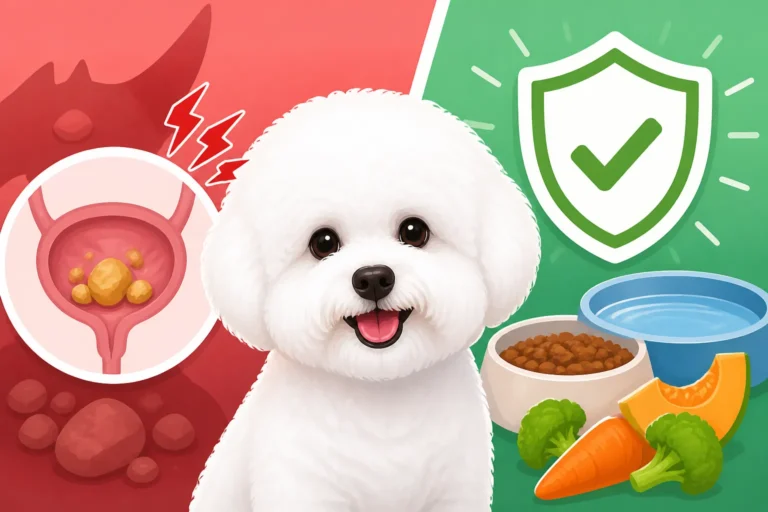
The single most crucial aspect of preventing recurrent calcium oxalate stones in a Bichon Frise is a strict, prescription urinary diet. This isn't just fancy kibble; these diets are specifically formulated to alter urine chemistry in a way that discourages crystal formation. The diet a Bichon Frise stays on for life is often one of these veterinary-exclusive formulas. Brands like Hill's Prescription Diet c/d Multicare, Royal Canin Urinary SO, and Purina Pro Plan Veterinary Diets UR Urinary are commonly prescribed.
These diets work by controlling mineral levels, particularly calcium and phosphorus, and by promoting a urine pH that is less favorable for oxalate crystallization (usually a slightly alkaline pH of 6.5-7.5). They also often contain ingredients that encourage increased water intake, which helps dilute the urine, making it harder for crystals to form. Whether a Bichon Frise ever comes off the stone diet is a resounding "no" for those prone to recurrence – this is a permanent lifestyle change.
It cannot be stressed enough: one treat can restart a Bichon Frise stone. Even a tiny piece of cheese, a table scrap, or a non-prescription treat can throw off the delicate balance achieved by the prescription diet. This is incredibly hard for owners, especially with a dog as cute and persuasive as a Bichon, but adherence to the diet is absolute. You'll need to find treats that are specifically formulated for urinary health or are vet-approved, such as certain low-oxalate vegetables in very small quantities (e.g., green beans).
Maximizing Water Intake and Urination Frequency
Dilute urine is less likely to form crystals. Therefore, getting enough water into a Bichon Frise is paramount. Encourage drinking by ensuring fresh water is always available, using multiple water bowls, and considering a pet water fountain (many dogs prefer the running water). Adding a little water to their prescription kibble can also help increase their daily intake. Whether diluting urine prevents Bichon Frise stones is a definite yes – it’s a simple, yet powerful, preventative measure.
Beyond just drinking more, frequent urination is key. The longer urine sits in the bladder, the more opportunity crystals have to form and aggregate. Encouraging frequent bathroom breaks helps flush out these potential crystal builders before they can cause trouble. This means more trips outside, even if it's just a quick potty break. For a breed that can sometimes be hard to housetrain, establishing a consistent and frequent potty schedule is doubly important.
This might mean waking up a little earlier, taking them out right before bed, and during the day, aiming for a trip outside every 2-4 hours, depending on their individual needs and water intake. Whether frequent urination protects a Bichon Frise is unequivocally true. It’s a proactive physical flush that complements the dietary management, reducing the concentration of stone-forming compounds and minimizing their residence time in the bladder.
Regular Monitoring and Proactive Measures
Even with strict diet and hydration, regular monitoring is essential. This includes periodic urine tests to check pH, specific gravity (a measure of urine concentration), and to look for crystals. Your vet might also recommend regular blood work to check kidney function and calcium levels. These tests provide invaluable insights into how well the preventative measures are working and can alert you to potential issues before they become severe.
As previously mentioned, regular imaging, such as X-rays or ultrasounds, is also crucial. Whether a Bichon Frise needs urine pH monitored at home can be discussed with your vet, but professional monitoring is non-negotiable. Catching tiny stones early means you can intervene with planned, less stressful procedures rather than emergency surgery. These proactive measures might seem tedious or expensive, but they are an investment in your Bichon's long-term health and comfort.
Consider this integrated approach as a partnership with your vet. They provide the expertise and tools, and you provide the consistent daily care and vigilance. This teamwork is what truly keeps a Bichon Frise with a history of stones as healthy and happy as possible. Remember, a stitch in time saves nine, and early detection can prevent significant pain and financial burden down the line.
Here's a quick overview of key preventative measures:
| Prevention Strategy | Key Actions | Rationale |
|---|---|---|
| Prescription Diet | Feed vet-prescribed urinary diet exclusively. Avoid all unapproved treats and table scraps. | Controls mineral levels, optimizes urine pH, discourages crystal formation. |
| Increased Water Intake | Provide constant fresh water, multiple bowls, pet fountain. Add water to food. Encourage drinking. | Dilutes stone-forming minerals, reduces crystal concentration in urine. |
| Frequent Urination | Take outside every 2-4 hours. Do not allow holding urine for extended periods. | Flushes out crystals before they can aggregate into stones. |
| Regular Vet Checks | Scheduled urine tests and imaging (X-rays/ultrasounds) as recommended by your vet. | Monitors urine health, detects new stones early, adjusts plan as needed. |
| Medication (if needed) | Adhere to any vet-prescribed medications to alter urine pH or reduce calcium/oxalate excretion. | Targeted intervention for specific metabolic imbalances. |
The Emotional and Financial Toll of Recurrence
Dealing with recurrent bladder stones in your Bichon Frise isn't just a medical challenge; it's a significant emotional and financial strain. It's okay to acknowledge how tough this journey can be.
Coping with the Stress and Worry
The emotional toll of a recurring health issue for a beloved pet is immense. You might experience guilt, frustration, or even anger that despite all your efforts, the problem has returned. The constant worry about another blockage, another surgery, or your dog's discomfort can be exhausting. It's a heavy burden to carry, and many Bichon Frise owners feel isolated in this struggle.
It’s important to lean on your support system – your family, friends, and especially your veterinary team. They understand the gravity of the situation and can provide both medical guidance and empathetic support. Joining online forums or support groups for owners of Bichons with recurrent stones can also be incredibly validating, helping you realize you’re not alone and offering a space to share tips and experiences.
Give yourself permission to feel these emotions. It's a natural response to caring so deeply for your pet. Remember that your Bichon relies on you, and while the journey is tough, your dedication makes a profound difference in their quality of life. Celebrate the small victories, like a clear urine test or a few months without symptoms, and acknowledge your own resilience in navigating this complex health challenge.
Navigating Costs and Insurance Considerations
Let's be real: recurrent stone surgeries and ongoing preventative care aren't cheap. What one Bichon Frise stone surgery costs and what three cost can be astronomical. From initial diagnostics and consultations to surgery, post-operative care, and lifelong prescription diets, the expenses add up quickly, creating significant financial stress for pet parents. This is where pet insurance can truly be a lifesaver.
Many owners find themselves asking whether insurance still covers a Bichon Frise's second stone. The answer depends heavily on your specific policy and when you enrolled. Typically, if the initial stone condition was covered, subsequent recurrences will also be covered, as long as the policy was in effect before the first diagnosis. However, if you only get insurance after the first stone, recurrence would likely be considered a pre-existing condition and excluded. This highlights the importance of getting pet insurance early in your dog's life.
Providers like Healthy Paws offer comprehensive coverage that can help mitigate the financial impact of chronic conditions like recurrent bladder stones. Having a good pet insurance plan from Healthy Paws can provide immense peace of mind, knowing that a significant portion of your vet bills for diagnostics, surgeries, and even emergency care for blockages will be reimbursed. Before your dog needs it, it’s worth researching different plans and understanding their exclusions and reimbursement rates. While it’s an upfront cost, it can prevent devastating financial choices down the line, ensuring your Bichon gets the best possible care without you breaking the bank. For a Bichon Frise owner dealing with recurring stones, the ongoing costs of special food, regular urine tests, and potential repeat surgeries can be daunting, and a reliable insurance partner like Healthy Paws can make a world of difference.
Living with a Bichon Prone to Stones
Accepting that your Bichon Frise is prone to bladder stones means embracing a lifestyle of proactive care and continuous vigilance. It’s a commitment, but it’s one made out of love for your furry companion.
Creating a Stone-Safe Environment
Beyond diet and hydration, you can adjust your home environment to support your Bichon's urinary health. Ensure easy, constant access to fresh water. If your dog is particular, experiment with different bowl materials (stainless steel, ceramic) or even filtered water. Consider placing multiple water bowls around the house, especially in areas your Bichon frequents.
For frequent urination, establish a consistent potty schedule. If you work long hours, arrange for a dog walker or consider doggy daycare to ensure your Bichon gets enough opportunities to relieve themselves. If your Bichon is sensitive to weather, provide a covered outdoor area or even explore an indoor potty solution like a grass patch or litter box (though outdoor potty breaks are generally preferred for more complete emptying). The goal is to make it as easy and appealing as possible for them to urinate whenever they need to.
Also, be mindful of environmental factors that might stress your dog, as stress can sometimes exacerbate health issues. A calm, predictable routine can contribute to overall well-being. Regular, moderate exercise is also beneficial for overall health and can encourage good hydration and urinary habits. It's about optimizing every aspect of their daily life to support a healthy urinary system.
The Importance of a Strong Vet Partnership
Managing recurrent bladder stones truly requires a team effort between you and your veterinarian. This isn’t a battle you fight alone. Regular check-ups, open communication, and trust in your vet’s expertise are paramount. Don't hesitate to ask questions, voice your concerns, or seek clarification on any aspect of your Bichon's care plan.
Your vet will guide you through the monitoring schedule, interpret diagnostic results, and help you make informed decisions about future treatments. They are your primary resource for understanding the nuances of your Bichon's specific case, including any potential changes to their prescription diet or medication. This ongoing dialogue ensures that the care plan remains tailored and effective as your dog ages and their needs evolve.
It’s also wise to ensure your vet is familiar with the specific challenges of Bichon Frises and their predisposition to calcium oxalate stones. If you ever feel uncertain, a second opinion from a veterinary internal medicine specialist can offer additional insights and strategies. Ultimately, a strong, collaborative relationship with a knowledgeable vet is your Bichon's best defense against the relentless return of these frustrating stones, ensuring they receive the most current and compassionate care possible.
Disclaimer
This article provides general information and is not a substitute for professional veterinary advice. Always consult with a qualified veterinarian for any health concerns or before making any decisions about your pet's medical care.