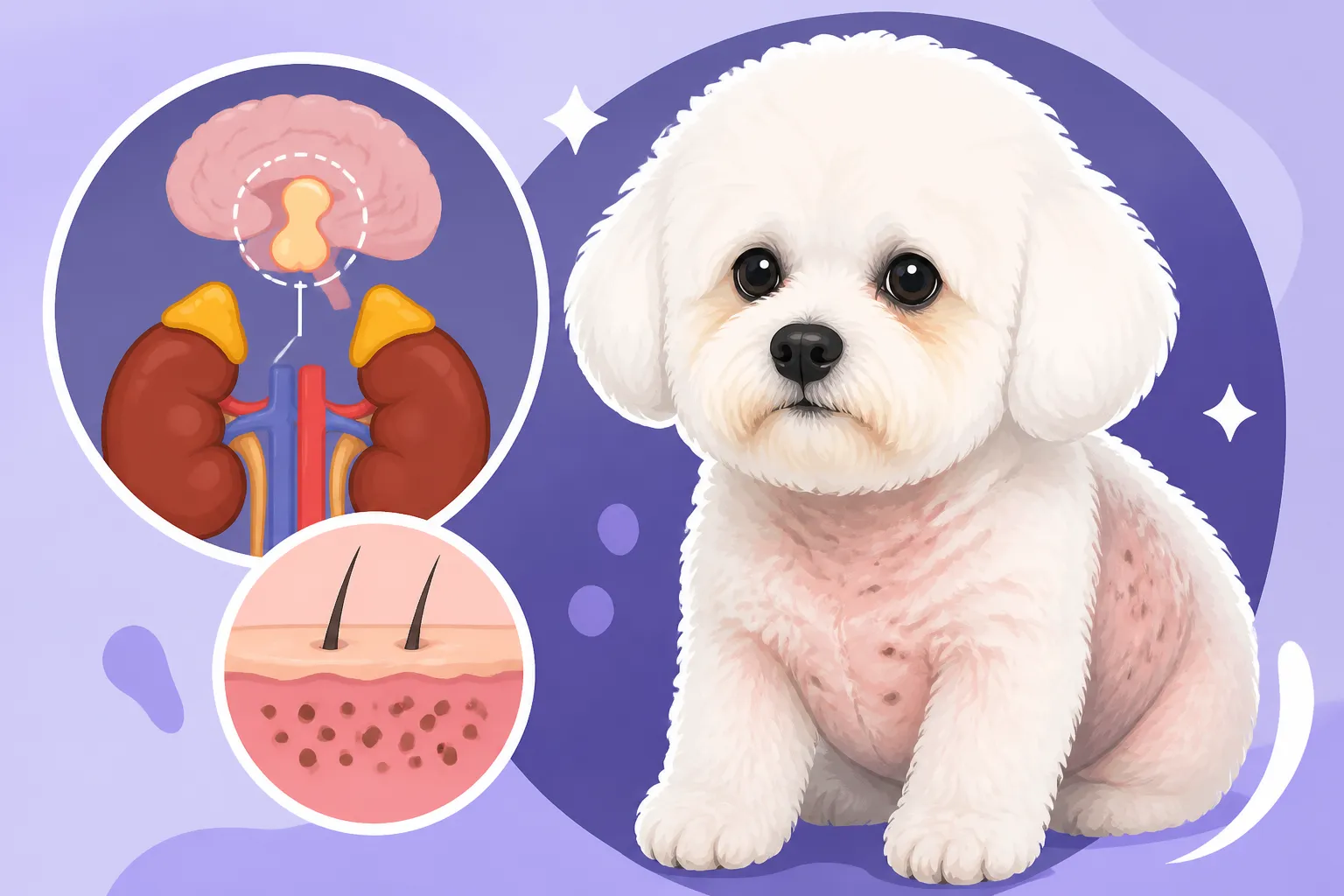
Cushing’s Disease in a Bichon Frise Past Seven
It’s incredibly disheartening when your beloved Bichon Frise, who's been a vibrant part of your family for years, starts showing changes. As they gracefully move into their senior years, it's easy to dismiss subtle shifts in their behavior or appearance as "just old age." But sometimes, these seemingly innocent signs can point to something more serious, like Cushing's disease. This comprehensive guide is here to walk you through understanding, recognizing, and managing Cushing's disease in your Bichon Frise once they've passed that seven-year mark, offering clarity and support during a confusing time.
Understanding Cushing's Disease in Older Bichons
Cushing's disease, or hyperadrenocorticism, is a condition where your dog's body produces too much cortisol, a stress hormone. While it can occur at any age, it's far more commonly diagnosed in middle-aged to older dogs, typically those over seven years old. For Bichon Frises, who are already prone to a few specific health challenges, recognizing this condition becomes even more crucial as they age. It's not just a benign part of getting older; it's a treatable disease that, left unmanaged, can significantly impact their quality of life.
The Basics of Cushing's Syndrome
To really understand Cushing's, we need to talk a little bit about the adrenal glands. These two tiny glands, located near your dog's kidneys, are responsible for producing several hormones, including cortisol. Cortisol plays a vital role in the body, helping with metabolism, reducing inflammation, and responding to stress. However, when there's an overproduction of cortisol, it throws the entire system out of whack, leading to the various symptoms we associate with Cushing's.
There are two main types of naturally occurring Cushing's disease in dogs. The vast majority, about 80-85% of cases, are what we call pituitary-dependent hyperadrenocorticism (PDH). This means a benign tumor (adenoma) on the pituitary gland, located at the base of the brain, is overproducing a hormone called ACTH. This excess ACTH then signals the adrenal glands to produce too much cortisol. The other, less common type, is adrenal-dependent hyperadrenocorticism (ADH), where a tumor directly on one of the adrenal glands is producing too much cortisol. This distinction is important because it can influence treatment options, especially if surgery is considered. Knowing What Pituitary Cushing's Does to a Bichon Frise is the first step in comprehending the cascade of effects.
Why Age Matters for Cushing's in Bichons
The reason we see Cushing's more often in older dogs, including our beloved Bichon Frises, isn't fully understood, but it's thought to be partly due to the increased likelihood of benign tumors forming in the pituitary or adrenal glands over time. Just like humans, as dogs age, their bodies become more susceptible to certain cellular changes. For Bichons, specifically, while they don't have a higher breed predisposition compared to some others like Poodles or Dachshunds, they still represent a significant portion of the small-breed population seen by vets, making them frequent patients for this diagnosis.
Beyond the biological predisposition, the aging process itself can make diagnosing Cushing's trickier. Many of the early signs, such as increased thirst or a slight decrease in energy, can easily be attributed to simply getting older. This overlap often leads to delays in diagnosis, as owners naturally assume their senior pet is just slowing down. Understanding the nuances of The Age Cushing's Appears in a Bichon Frise can help owners be more vigilant. Moreover, older Bichons may have other co-existing health issues, like diabetes or kidney disease, which can further complicate the clinical picture and make Cushing's harder to spot, or even exacerbate its symptoms.
Recognizing the Subtle Signs of Cushing's
Spotting Cushing's disease in your Bichon Frise, especially when they are past seven years old, can be like trying to find a needle in a haystack. The symptoms often creep up slowly and can be incredibly subtle, easily mistaken for the natural process of aging or other common senior dog ailments. However, knowing what to look for and understanding the progression can make all the difference. Many owners often express frustration that their vet didn't spot it sooner, but truthfully, these signs are tricky even for professionals without specific testing.
Common Physical Manifestations
One of the most classic, yet often overlooked, signs of Cushing's is an increase in thirst and urination. You might notice your Bichon's water bowl is empty more frequently, or they're asking to go outside for potty breaks far more often, including waking you up in the middle of the night. This isn't just a slight change; it's a significant, noticeable increase. Owners often report their dog drinking "constantly," which is a key indicator. If you're wondering Whether a Cushing's Bichon Frise Drinks Constantly, the answer is often a resounding yes.
Another hallmark symptom is changes in their skin and coat. Your Bichon, known for its glorious white fluff, might start to develop thinning hair, particularly on their body and flanks, leaving them with a "rat tail" or bald patches. The texture of their remaining coat might feel different, coarser or duller. Their skin can also become thinner, more fragile, and prone to bruising, or develop dark spots (hyperpigmentation). Sometimes, they can get recurrent skin infections due to the compromised skin barrier. Many owners become concerned Whether a Cushing's Bichon Frise Loses Its Coat and mistake it for allergies or poor grooming.
Beyond these, a "pot-bellied" appearance is a very common physical change. Despite sometimes eating less, their belly might appear distended and pendulous due to weakened abdominal muscles and a redistribution of fat. This can be quite alarming for owners who are used to their Bichon's trim physique. You might also notice muscle weakness, leading to a reluctance to jump, climb stairs, or even stand for extended periods, making grooming a real challenge. For more general information on symptoms, you might find "The Signs of Cushing's in a Bichon Frise" helpful.
Behavioral Changes to Watch For
It's not just physical changes that signal Cushing's; behavioral shifts can be just as telling. Your normally cheerful and energetic Bichon might start to seem lethargic, sleeping more during the day and less interested in playtime or walks. This decreased energy can be particularly heartbreaking for owners who cherish their Bichon's lively spirit. They might also seem more restless at night, pacing or panting, even when the house is cool.
Another behavioral sign is an increased appetite. Despite the pot-bellied appearance, your Bichon might act perpetually hungry, begging for food more often or even attempting to steal food off counters—a behavior they may never have exhibited before. This insatiable hunger can be a direct result of the elevated cortisol levels affecting their metabolism. Some dogs with Cushing's can also display increased anxiety or even aggression, although these are less common and typically secondary to discomfort or other underlying issues. It's a tough pill to swallow when your sweet companion seems to be changing right before your eyes.
Differentiating from Normal Aging
Here's where it gets really tricky and often frustrating for pet parents: many of these signs can overlap with what we consider normal aging in dogs. A senior Bichon might naturally drink a little more, sleep more, or have a slightly less robust coat. The key difference lies in the degree and progression of these symptoms. With Cushing's, these changes tend to be more pronounced and progressive than typical age-related shifts.
For example, a senior Bichon might drink a bit more, but a Cushingoid Bichon will be drinking excessively, leading to constant potty demands. A normally active Bichon might slow down with age, but a Cushingoid Bichon might show significant muscle weakness and reluctance to move. It’s not just getting old; it’s an acceleration of these symptoms that begins to truly impact their quality of life. The pot-bellied appearance is a particularly strong indicator that usually doesn't happen with normal aging. If you're concerned Whether a Pot Belly Means Cushing's in a Bichon Frise, it's certainly a sign to take seriously. Keeping a careful log of your Bichon's habits can be invaluable for your vet to see the larger picture.
Here's a quick comparison table to help you distinguish between Cushing's symptoms and typical aging:
| Symptom | Typical Aging (Senior Bichon) | Cushing's Disease (Older Bichon) |
|---|---|---|
| Thirst & Urination | Slight increase, occasional accidents | Excessive drinking, constant urination, nighttime accidents |
| Energy Level | Gradual decrease, longer naps | Marked lethargy, restlessness at night, muscle weakness |
| Coat & Skin | Mild thinning, some graying | Significant hair loss (especially body/flanks), thin skin, bruising, recurrent infections |
| Abdominal Appearance | May gain some weight around middle | Distinct pot-bellied appearance due to muscle weakness & fat redistribution |
| Appetite | May decrease slightly or remain stable | Increased, insatiable hunger, food-seeking behavior |
| Panting | Only after exercise or in heat | Frequent, excessive panting, even at rest or in cool environments |
Diagnosing Cushing's: A Journey of Tests
Getting a definitive diagnosis for Cushing's disease in your Bichon Frise can feel like a frustrating and expensive detective mission. There's no single, straightforward test that immediately confirms the condition, which often leaves owners feeling exasperated. It requires a series of specific blood tests and sometimes imaging, all of which your vet will interpret in light of your Bichon's clinical signs and age. Patience and persistence are key here, as ruling out other conditions is just as important as confirming Cushing's. It's a journey, not a sprint, and your vet's guidance is invaluable.
Initial Screening and Bloodwork
When you first bring your concerns to your veterinarian, they'll likely start with a thorough physical examination and routine bloodwork, including a complete blood count (CBC) and a biochemistry panel. While these tests won't diagnose Cushing's directly, they can provide important clues and help rule out other conditions that might mimic Cushing's symptoms, like diabetes or kidney disease. For instance, an elevated alkaline phosphatase (ALP) enzyme level is a common finding in dogs with Cushing's, although it can also be raised by other liver issues or even certain medications.
Your vet might also recommend a urinalysis. Dogs with Cushing's often have dilute urine, meaning it's less concentrated, due to the increased water intake. They might also show signs of a urinary tract infection, which can be common in Cushingoid dogs whose immune systems are suppressed by excess cortisol. These initial tests help paint a broader picture of your Bichon's overall health and guide your vet toward or away from a Cushing's diagnosis. It's an essential first step in understanding How Cushing's Is Diagnosed in a Bichon Frise.
The ACTH Stimulation Test and Low Dose Dexamethasone Suppression Test
Once initial bloodwork suggests a possibility of Cushing's, your vet will move on to more specific diagnostic tests designed to evaluate the adrenal glands' function. The two most common are the ACTH (adrenocorticotropic hormone) stimulation test and the low-dose dexamethasone suppression test (LDDST).
The ACTH stimulation test involves taking a baseline blood sample, then injecting your Bichon with synthetic ACTH, and taking another blood sample an hour or two later. This test measures how well the adrenal glands respond to the hormone that normally stimulates cortisol production. If the post-ACTH cortisol levels are excessively high, it strongly suggests Cushing's. It's a relatively quick test, and while it doesn't differentiate between pituitary-dependent and adrenal-dependent forms, it's very good at diagnosing iatrogenic Cushing's (caused by steroid medication) and is generally used to monitor treatment efficacy.
The low-dose dexamethasone suppression test (LDDST) is often considered the gold standard for diagnosing Cushing's disease. This test involves taking a baseline blood sample, administering a small dose of dexamethasone (a synthetic steroid), and then taking blood samples at 4 and 8 hours post-injection. In a healthy dog, the dexamethasone should suppress cortisol production. In a dog with Cushing's, the cortisol levels remain high. This test is highly sensitive for Cushing's and can sometimes help differentiate between pituitary-dependent and adrenal-dependent forms, as pituitary-dependent cases may show some suppression at 4 hours but then escape suppression at 8 hours, whereas adrenal tumors typically show no suppression at all.
These tests can be a bit of a marathon, requiring multiple vet visits or extended stays at the clinic. It's important to remember that false positives and negatives can occur, especially if your Bichon is stressed or has other concurrent illnesses, which highlights the need for a vet experienced in diagnosing this condition in small breeds.
Imaging for Cushing's in Bichons
In addition to blood tests, imaging can play a critical role, especially if an adrenal tumor is suspected or if the LDDST results are ambiguous. An abdominal ultrasound is a common next step. This non-invasive procedure allows your vet to visualize the adrenal glands. If one adrenal gland is significantly enlarged and the other is atrophied (shrunken), it points strongly to an adrenal-dependent tumor. If both adrenal glands are enlarged, it’s more indicative of pituitary-dependent Cushing's, as they are both being overstimulated by the pituitary gland.
For more complex cases, or if surgery is being considered for an adrenal tumor, advanced imaging like a CT scan or MRI might be recommended. These provide much more detailed images and can help determine the size, location, and invasiveness of any tumors, which is crucial for surgical planning. However, these are specialized procedures and typically require referral to a veterinary specialist clinic. While these diagnostic steps can be costly and emotionally taxing, they are essential to get an accurate picture and decide on the best course of action for your precious Bichon. It's wise to consider pet insurance from providers like Healthy Paws that can help with these unexpected diagnostic and treatment expenses.
Managing Cushing's: Treatment Options and Expectations
Receiving a Cushing's diagnosis for your senior Bichon Frise can feel overwhelming, but the good news is that the condition is manageable. The goal of treatment isn't necessarily a "cure" for the underlying cause, especially with pituitary-dependent Cushing's, but rather to reduce the excessive cortisol production and alleviate the symptoms, thereby improving your Bichon's quality of life. Understanding the available options and what to realistically expect from each is vital for every owner.
Medication Management: Trilostane and Other Options
For the vast majority of Bichons with pituitary-dependent Cushing's, medical management is the primary approach. The most commonly prescribed medication is trilostane (often sold under brand names like Vetoryl). Trilostane works by temporarily inhibiting an enzyme involved in cortisol production within the adrenal glands, effectively reducing the amount of cortisol circulating in the body. It’s given orally, usually once or twice a day, and the dosage is carefully adjusted based on your dog's response and regular monitoring. Many owners wonder Whether Trilostane Works on a Bichon Frise, and for most, it is highly effective in controlling symptoms.
Another medication that used to be more common but is now less frequently used due to potential side effects is mitotane (Lysodren). Mitotane actually destroys part of the adrenal cortex, the outer layer of the adrenal gland that produces cortisol. While effective, it requires very careful monitoring due to the risk of over-suppression and potential for permanent adrenal damage. Your vet will discuss which medication is best suited for your Bichon, taking into account their overall health, the severity of symptoms, and your ability to commit to the necessary monitoring. It's a commitment that requires diligence, but the results in improving your Bichon's comfort are often profound.
Surgical Considerations for Adrenal Tumors
If your Bichon Frise is diagnosed with adrenal-dependent Cushing's, meaning a tumor on one of the adrenal glands is the culprit, surgical removal of the affected adrenal gland (adrenalectomy) might be an option. This can potentially offer a complete cure if the tumor is benign and hasn't spread. However, it's a major, complex surgery with significant risks, including hemorrhage, pancreatitis, and complications related to the sudden drop in cortisol post-surgery.
Not all adrenal tumors are good candidates for surgery. The size, location, whether it's invasive, and your Bichon's overall health and age will all play a role in the decision-making process. If the tumor is malignant (cancerous) or has metastasized (spread to other parts of the body), surgery might not be recommended, or its benefits might be limited. In such cases, or if surgery is not feasible for other reasons, medical management with trilostane might still be pursued to alleviate symptoms, even though it won't remove the tumor itself. Discussing these complex choices with a veterinary surgeon and an internal medicine specialist is crucial to determine the best path forward.
Lifestyle Adjustments and Supportive Care
Regardless of the primary treatment chosen, supportive care and lifestyle adjustments are incredibly important for a Bichon Frise with Cushing's. Keeping them comfortable and addressing any secondary issues can greatly enhance their well-being. This includes managing any skin infections with appropriate shampoos or antibiotics, providing a comfortable resting area, and ensuring easy access to water.
Given the muscle weakness and pot-bellied appearance, gentle, regular exercise is still important to maintain muscle tone without overexerting them. Monitoring their food intake to prevent excessive weight gain, especially since many Cushingoid dogs have an increased appetite, is also key. Your vet might recommend a specific diet to support overall health or manage other conditions. It's all about creating an environment that minimizes stress and maximizes comfort, allowing your Bichon to live their best possible life despite the diagnosis. This holistic approach is essential when Caring for a Bichon Frise Past Eleven, as their needs become more specialized.
Living with a Bichon Frise with Cushing's
Living with a Bichon Frise diagnosed with Cushing's disease is truly a marathon, not a sprint. It's a chronic condition that requires ongoing commitment, vigilance, and a close partnership with your veterinarian. The initial adjustment can be daunting, but with time and consistency, many owners find a rhythm that works well for them and their furry companion. The aim is to achieve a good quality of life, recognizing that "normal" might look a little different now.
Regular Monitoring and Vet Visits
Once your Bichon starts treatment, regular monitoring is absolutely essential. This isn't a "set it and forget it" kind of medication. Your vet will schedule frequent check-ups, often starting every 2-4 weeks after initiating or adjusting medication, and then typically every 3-6 months once stable. These visits will involve physical exams, discussion of any changes in symptoms at home, and crucial blood tests, most commonly the ACTH stimulation test.
The ACTH stimulation test is used during monitoring to ensure the medication dose is correct. We're looking for cortisol levels that fall within a specific "therapeutic range" after the test—not too high (meaning the dose might need to be increased) and not too low (meaning the dose might need to be decreased, as too little cortisol can be life-threatening). It's a delicate balancing act. Don't be surprised if the dosage needs to be adjusted several times throughout your Bichon's life. This rigorous monitoring is vital for safety and efficacy. Understanding What Monitoring Cushing's Costs on a Bichon Frise is important for financial planning, and this is where pet insurance, like policies from Healthy Paws, can really make a difference by covering these recurring diagnostic costs.
Diet and Exercise for a Cushingoid Bichon
While there isn't a specific "Cushing's diet," nutritional support is a critical component of managing the condition. Dogs with Cushing's often have an increased appetite, so managing their food intake to prevent excessive weight gain is important. Obesity can exacerbate other health issues and put extra strain on their joints and cardiovascular system. Your vet might recommend a high-quality, easily digestible diet that is moderate in fat and fiber.
Exercise should be tailored to your Bichon's individual energy levels and physical condition. Given the potential for muscle weakness, strenuous exercise should be avoided. Instead, focus on short, gentle walks several times a day. This helps maintain muscle tone, prevents boredom, and supports overall well-being without causing undue stress or fatigue. Observe your Bichon closely for any signs of discomfort or overexertion and adjust their activity level accordingly. The goal is consistent, low-impact movement rather than intense bursts.
The Emotional Toll on Owners and Pets
It's easy to focus on the medical aspects, but we can't ignore the emotional toll Cushing's disease takes on both the pet and the owner. Watching your once-vibrant Bichon decline, even subtly, and then navigating the complexities of diagnosis and treatment, can be incredibly stressful and emotionally draining. The constant vigilance for symptoms, the frequent vet visits, and the financial burden can all add up.
Many owners feel guilt, sadness, or frustration. It’s okay to acknowledge these feelings. Your Bichon, too, might experience periods of discomfort or anxiety, particularly during diagnostic testing or if symptoms are not well-controlled. Patience, empathy, and consistent positive reinforcement are crucial for them. Remember that you are doing everything you can to help them, and your love and dedication are the most important things you can offer. Support groups or online communities for owners of Cushingoid dogs can provide a valuable outlet for sharing experiences and receiving emotional support.
Potential Complications and Prognosis
While modern treatments have dramatically improved the outlook for Bichon Frises with Cushing's, it's important to be aware of potential complications and have a realistic understanding of the prognosis. Cushing's is a complex disease that can predispose dogs to other health issues if not well-managed. However, with consistent care and monitoring, many Bichons can enjoy a good quality of life for an extended period after diagnosis.
Increased Risks for Other Health Issues
The elevated cortisol levels in dogs with Cushing's disease can have widespread effects on their body, increasing their susceptibility to several other health problems. One of the most common complications is recurrent urinary tract infections (UTIs) due to diluted urine and a suppressed immune system. These infections might be "silent," meaning your Bichon doesn't show obvious signs, making regular urine checks important.
Cushing's also increases the risk of developing diabetes mellitus. The excess cortisol interferes with insulin's effectiveness, leading to high blood sugar. It's a double whammy for some dogs, requiring management of both conditions. Additionally, dogs with Cushing's can be more prone to skin infections, pancreatitis, and even blood clots (thromboembolism), which can be very serious. Their weakened muscles and thinning skin also make them more vulnerable to injuries. Your vet will monitor for these complications during routine check-ups and discuss preventative measures. This means you might be managing multiple health issues, which adds to the complexity of The Stone That Comes Back a Year After Bichon Frise Surgery or Diabetes in a Bichon Frise if those conditions also arise.
Understanding the Long-Term Outlook
The prognosis for a Bichon Frise with Cushing's disease varies depending on several factors, including the type of Cushing's, whether it's diagnosed early, and how consistently and effectively it's managed. For pituitary-dependent Cushing's, which is most common, medical management typically allows dogs to live for several years after diagnosis, often with a good quality of life. The average survival time with treatment for PDH is around two to three years, but many dogs live longer, especially if managed diligently. The question of Whether a Cushing's Bichon Frise Lives Long often depends on these factors.
For adrenal-dependent tumors, if the tumor is benign and successfully removed surgically, the prognosis can be excellent, potentially curative. However, if the tumor is malignant or cannot be removed, the prognosis is often guarded. It's crucial to remember that Cushing's is a progressive disease, and even with treatment, underlying health issues or the potential for tumor growth can eventually impact your Bichon's health. The goal is always to maximize their comfort and happiness for as long as possible.
When to Re-evaluate Treatment and Quality of Life
There may come a time when, despite your best efforts and consistent treatment, your Bichon Frise's quality of life starts to decline significantly. This can be due to the progression of Cushing's itself, the development of severe complications, or other age-related conditions. This is an incredibly difficult decision point for any pet owner, but it's important to have honest conversations with your vet throughout your Bichon's journey.
Signs that it might be time to re-evaluate could include persistent discomfort, severe lethargy, loss of appetite, intractable infections, or an inability to control urination despite medication. Your vet can help you assess your Bichon's overall quality of life using objective measures and help you understand when further treatment may be causing more stress than benefit. This is never an easy conversation, but it's a compassionate one, ensuring your beloved Bichon's well-being remains at the forefront.
Support and Resources for Bichon Frise Owners
Navigating a diagnosis of Cushing's disease in your senior Bichon Frise can feel isolating, but you are absolutely not alone. There's a vast network of support and resources available, from online communities to pet insurance options, all designed to help you through this challenging journey. Leaning on these resources can provide both practical advice and much-needed emotional solace.
Connecting with Other Owners
One of the most valuable resources you can tap into is the experience of other pet owners who have walked a similar path. Online forums and social media groups dedicated to Cushing's disease in dogs or Bichon Frise health can be incredibly supportive. Here, you can ask questions, share your frustrations, celebrate small victories, and gain insights from people who truly understand what you're going through. Just a quick search for "Cushing's disease in dogs support group" will likely bring up several active communities where you can connect.
These communities are often treasure troves of practical tips, from managing medication schedules to finding creative ways to encourage water intake. While it's vital to always follow your vet's medical advice, hearing real-world experiences from others can be immensely helpful and provide a sense of camaraderie. The shared experience can be comforting, reminding you that you're part of a larger community of dedicated pet parents.
Financial Planning and Insurance Considerations
The cost of diagnosing and managing Cushing's disease can be substantial, and this is a reality many owners grapple with. Between the diagnostic tests, ongoing medication, and regular monitoring, expenses can quickly add up. For example, What Cushing's Medication Costs a Bichon Frise Owner Monthly can range significantly, often hundreds of dollars, and that's before factoring in vet visits and follow-up tests. It’s a legitimate concern that adds another layer of stress to an already emotional situation.
This is where pet insurance can be an invaluable tool. If you have a policy that covers chronic conditions, it can significantly alleviate the financial burden. Providers like Healthy Paws are known for their comprehensive coverage, and while pre-existing conditions typically aren't covered, if you had a policy in place before the Cushing's diagnosis, it could make a huge difference in managing the long-term costs. It’s always worth reviewing your policy or considering one for future unforeseen health issues, especially as your Bichon enters their senior years. Having that financial safety net can empower you to make treatment decisions based purely on your Bichon's best interest, rather than worrying about the strain on your wallet. A reliable pet insurance plan, from a company such as Healthy Paws, allows you to focus on your pet's health rather than the unexpected expenses that come with a chronic condition like Cushing's. Investing in a good policy from Healthy Paws early in your pet's life can provide peace of mind down the road.
Disclaimer
This article is intended for informational purposes only and does not constitute veterinary medical advice. Always consult with a qualified veterinarian for any health concerns or before making any decisions about your pet's medical care.