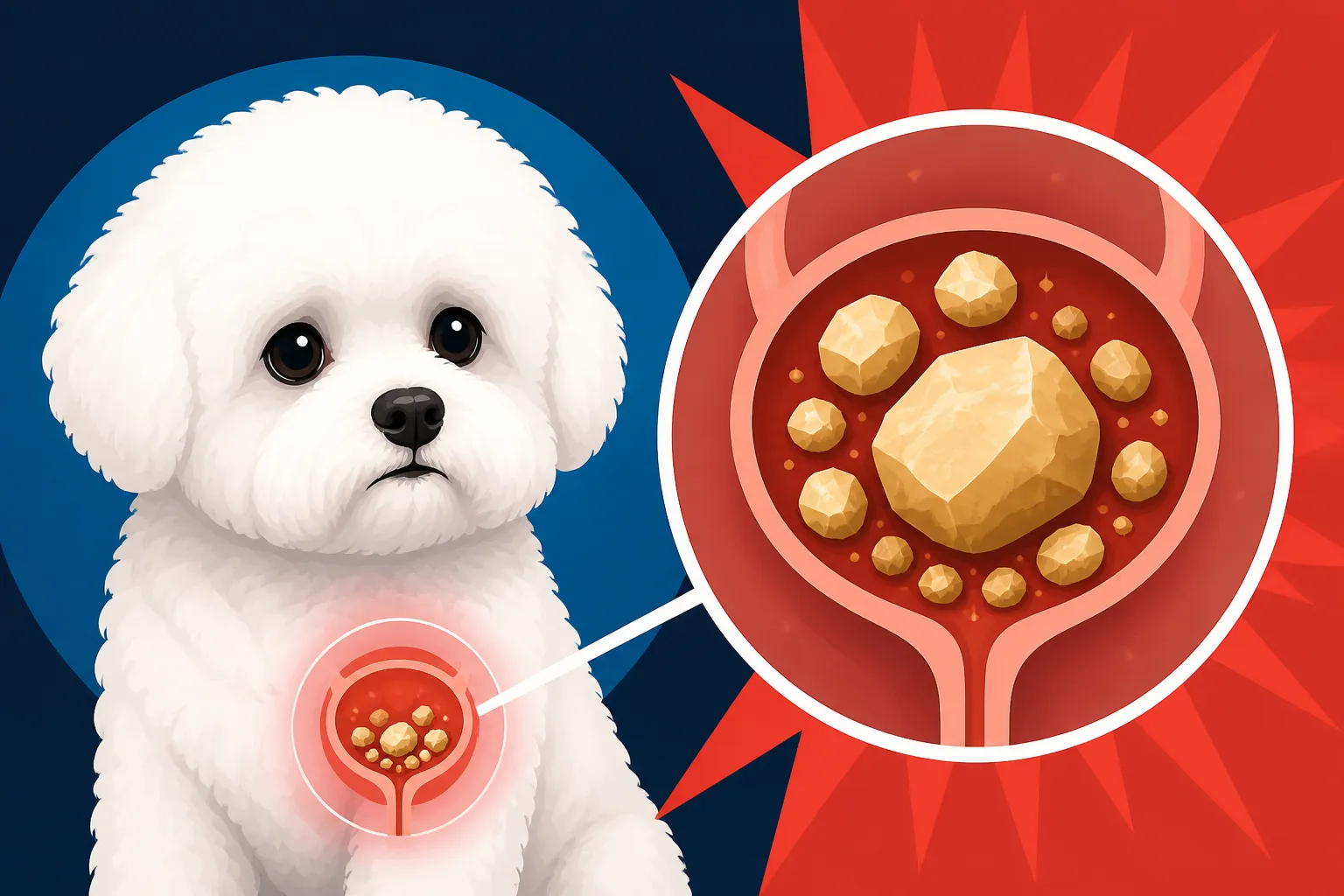
Why a Bichon Frise Forms Stones Twenty Times as Often
It's incredibly frustrating and heartbreaking to learn that your beloved Bichon Frise might be predisposed to a painful and recurring health issue like bladder stones. Many owners feel blindsided by this reality, often after an emergency vet visit or multiple surgeries. This comprehensive guide is here to shed light on why Bichon Frises form bladder stones an astonishing twenty times more often than other breeds, helping you understand the underlying causes and what proactive steps you can take.
The Alarming Reality of Bichon Bladder Stones
Discovering your cherished Bichon Frise has bladder stones can be a truly upsetting experience. For many owners, it comes as a shock, often accompanied by urgent vet visits, diagnostic tests, and the prospect of surgery. What makes this even more daunting for Bichon owners is the stark statistical reality: this breed is significantly more prone to developing these painful concretions than almost any other.
Understanding the Twenty-Fold Risk
When we talk about Bichon Frises forming bladder stones "twenty times as often," it's not an exaggeration; it's a sobering statistic that highlights a profound breed-specific vulnerability. This isn't just about a slight increase in risk; it's an inherent predisposition that places Bichons in a high-risk category from a young age. Imagine walking into a room where twenty other dog breeds are present, and your Bichon is, statistically speaking, the one most likely to develop this particular ailment. This elevated risk means that bladder stones aren't an anomaly in a Bichon's life; they are a genuine concern that every owner should be acutely aware of, even if their dog has never shown symptoms. It deeply impacts how we approach their diet, hydration, and routine veterinary care, making proactive prevention not just a good idea, but an absolute necessity.
The implications of this heightened risk are far-reaching. It means that even with diligent care, some Bichons will still develop stones. This isn't a reflection of poor ownership; it's a testament to the strong genetic and metabolic factors at play within the breed. Owners often feel a deep sense of guilt or confusion, wondering what they did wrong. The answer, more often than not, is nothing. Understanding this inherent vulnerability helps shift the focus from blame to proactive management and vigilance, preparing owners for the unique challenges that come with loving a Bichon Frise.
The Emotional and Financial Toll on Owners
Beyond the physical discomfort and pain your Bichon experiences, the journey of dealing with bladder stones takes a significant emotional and financial toll on owners. The constant worry, the fear of recurrence, and the stress of managing a chronic condition can be overwhelming. Each time your Bichon strains to urinate, passes blood, or seems uncomfortable, your heart sinks, wondering if the stones have returned. This emotional burden is real and can feel isolating, especially if you're not connected with other Bichon owners who understand this specific struggle.
Financially, the costs associated with bladder stones can accumulate rapidly, creating an unexpected strain on household budgets. Diagnosing stones often involves urinalysis, X-rays, and possibly ultrasounds. If stones are present, surgery (cystotomy) is frequently required, followed by post-operative care, medication, and specialized prescription diets. These costs can run into thousands of dollars for a single episode, and the reality for many Bichon owners is that stones often recur, sometimes multiple times over their dog's lifespan. Having a reliable pet insurance plan, such as one from Healthy Paws, can be an absolute lifesaver in these situations, helping to mitigate the financial shock and allow you to make the best decisions for your dog's health without undue monetary pressure. Without insurance, owners might face difficult choices, highlighting the importance of understanding these potential costs upfront.
Unpacking the Breed-Specific Predisposition: Calcium Oxalate Stones
While there are several types of bladder stones, for Bichon Frises, one type stands out as the predominant and most troublesome: calcium oxalate stones. Understanding this specific type is crucial because its formation and management differ significantly from other stone types.
The Dominant Stone Type in Bichons
Calcium oxalate stones are, unfortunately, the bane of many Bichon Frise owners' existence. These are the stones that contribute overwhelmingly to the breed's twenty-fold higher risk. Unlike some other stone types, like struvite stones, calcium oxalate stones cannot be dissolved through dietary changes or medication. Once they form, they typically require surgical removal. This fact alone makes them particularly challenging to manage and incredibly frustrating for owners. When your vet tells you your Bichon has calcium oxalate stones, it almost always means planning for a surgical procedure to alleviate the pain and prevent a life-threatening blockage.
Imagine tiny, jagged crystals forming and aggregating within your dog's bladder, irritating the lining and growing larger over time. That's essentially what happens with calcium oxalate stones. They can be rough, spiky, and cause significant discomfort, bleeding, and even obstruct the urethra, especially in male Bichons, which is a life-threatening emergency. Knowing that this is the primary type of stone affecting Bichons directs all preventative and treatment efforts. If you're looking for more in-depth information on the specific nature of these stones, you can learn all about "What a Calcium Oxalate Stone Is in a Bichon Frise". This knowledge empowers owners to work closely with their veterinarians on targeted prevention strategies, rather than generic approaches that might not be effective for this particular stone composition.
The Genetic Component and Inherited Risk
The predisposition of Bichon Frises to calcium oxalate stones is not merely a coincidence; it's deeply rooted in the breed's genetics. Research indicates a strong hereditary component, meaning certain Bichons are genetically programmed to be more susceptible to forming these stones. This inherited risk can be incredibly frustrating for owners who do everything right – feed a good diet, ensure proper hydration, and provide frequent potty breaks – only to find their dog still develops stones. It underscores the point that while lifestyle factors play a role, genetics load the gun.
Breeders have a crucial role to play in addressing this issue. Responsible breeders are increasingly aware of the genetic link and strive to make informed breeding decisions, but it's a complex challenge given the prevalence. If you’re considering a Bichon puppy, it’s always wise to ask about the health history of the parent dogs and their lines, specifically inquiring about any history of bladder stones. Understanding "Whether a Bichon Frise's Stone Risk Is Inherited" is key for potential owners. While it's not always possible to completely eliminate the risk, being aware of it can help you prepare for lifelong management. This genetic factor is a primary driver behind why the Bichon Frise tops the stone risk list, and it's a conversation that needs to happen more openly within the breed community to improve the health of future generations.
Metabolic Peculiarities of the Bichon Frise
Beyond just genetics, the very way a Bichon Frise's body processes certain compounds can make them a walking target for calcium oxalate stones. It's not just about what they eat, but how their unique metabolism handles it.
Hypercalciuria and Hyperoxaluria Tendencies
The primary culprits in calcium oxalate stone formation are, as the name suggests, calcium and oxalate. In many Bichon Frises, there’s an unfortunate metabolic tendency to excrete higher-than-normal levels of these substances in their urine. This condition is known as hypercalciuria (excess calcium in urine) and hyperoxaluria (excess oxalate in urine). Think of it this way: their bodies are naturally dumping more of the raw materials for stone formation into their bladder, where they can then combine and crystallize. It’s like having a factory that produces more building blocks for stones, even if the diet isn't excessively high in these elements.
This metabolic quirk is often why dietary management alone, without understanding the underlying physiological tendency, can feel like an uphill battle. Owners might meticulously control their dog's diet, only to find stones recurring. It’s a powerful reminder that their bodies are working against them in a way other breeds don't experience. This inherent physiological difference is a major reason for the dramatic increase in stone formation frequency in Bichons, highlighting that prevention strategies need to be highly specific and rigorously followed, targeting these elevated levels to minimize the risk of crystal precipitation.
Urine pH and Concentration Factors
The environment within the bladder plays a crucial role in whether crystals form and grow into stones. Two key factors are urine pH and concentration. For calcium oxalate stones, a more acidic urine pH (lower numbers) tends to promote their formation. Many Bichon Frises naturally have urine that is on the more acidic side, inadvertently providing an ideal breeding ground for these crystals. While diet can influence pH, their baseline metabolic processes contribute significantly.
Even more critical is urine concentration. When urine is highly concentrated, it means there's less water and a higher density of dissolved minerals and waste products, including calcium and oxalate. Imagine trying to dissolve sugar in a small amount of water versus a large amount – the smaller amount will reach saturation much faster, and crystals will form. If a Bichon Frise isn't consistently taking in enough fluids or isn't urinating frequently enough, their urine becomes more concentrated, exponentially increasing the risk of crystal aggregation. This is why encouraging water intake and frequent urination are paramount. You might be wondering, "Whether Diluting Urine Prevents Bichon Frise Stones?" The answer is a resounding yes, making hydration a cornerstone of preventative care for this predisposed breed. It's a constant effort to keep that urine dilute, thereby reducing the chances of those pesky crystals deciding to make themselves at home.
Lifestyle, Diet, and Environmental Triggers
While genetics may lay the groundwork, the day-to-day choices we make for our Bichons, especially regarding what goes into their bowl and how often they relieve themselves, are critical in managing or exacerbating their stone risk. These are the factors within our direct control that can either protect them or inadvertently contribute to the problem.
The Critical Role of Diet in Prevention
For a Bichon Frise prone to calcium oxalate stones, diet isn't just about nutrition; it's a medical intervention. The wrong diet can significantly increase the risk of stone formation, while the right one can be a powerful preventative tool. General "healthy" dog foods often don't cut it, as they aren't formulated with the specific needs of a stone-forming dog in mind. High oxalate foods, for example, can contribute to the problem. Common ingredients like spinach, sweet potatoes, and even certain types of nuts or legumes can be problematic in large quantities for a predisposed Bichon.
The cornerstone of dietary prevention for calcium oxalate stones is typically a prescription urinary diet. Brands like Royal Canin Urinary SO, Hill's Prescription Diet c/d Multicare, or Purina Pro Plan Veterinary Diets UR Urinary are specifically formulated to create a urinary environment that discourages stone formation. These diets are carefully balanced to control mineral levels (like calcium and phosphorus), adjust urine pH to be less acidic, and often contain ingredients that promote increased water intake. It's crucial that once a vet prescribes such a diet, it's adhered to strictly. Even small deviations, like giving regular treats or table scraps, can undermine the entire preventative effort, making the investment in specialized food futile. This is truly the foundation of managing the condition for life.
Hydration: A Constant Battle
Getting enough water into a Bichon Frise is not just a general health recommendation; it's a critical, daily battle against stone formation. Dilute urine is less likely to allow crystals to form and aggregate. Think of it like trying to make rock candy: you need a super-saturated solution for crystals to grow. If the solution (urine) is always dilute, crystals have a much harder time forming. For many Bichons, simply having a water bowl available isn't enough; owners need to be proactive.
Strategies for increasing water intake include using ceramic or stainless steel bowls (some dogs dislike plastic), offering multiple water stations around the house, and investing in a pet water fountain, which many dogs find more appealing due to the fresh, flowing water. Integrating wet food into their diet, or even adding warm water to their kibble, can significantly boost their daily fluid intake. These small, consistent efforts can make a monumental difference in preventing stone recurrence. Understanding the importance of "Getting Enough Water Into a Bichon Frise" is paramount for any owner facing this challenge, turning a simple routine into a powerful preventative measure.
The Impact of Infrequent Urination
Frequency of urination is another unsung hero in the fight against bladder stones. Just as diluted urine is beneficial, urine that is regularly flushed from the bladder is less likely to allow crystals to settle and begin forming stones. If a Bichon holds its urine for extended periods – perhaps due to an owner's long work hours, inconsistent potty breaks, or simply personal preference – the urine sits in the bladder, becoming more concentrated over time. This stagnant, concentrated urine provides an ideal opportunity for calcium oxalate crystals to form and bond together.
Encouraging frequent potty breaks, at least every 4-6 hours, and ideally more often for puppies or older dogs, is vital. This means being mindful of your schedule and potentially arranging for a dog walker or friend to let your Bichon out during the day if you're away for long stretches. The goal is to keep the urinary system flowing, preventing any 'sitting time' for crystals to form. Many owners find themselves asking "Whether Frequent Urination Protects a Bichon Frise", and the answer is a definitive yes. It's a simple, yet profoundly effective, piece of the complex puzzle of stone prevention.
Diagnostic and Monitoring Protocols for Early Detection
Given the Bichon Frise's extremely high predisposition to bladder stones, a proactive approach to diagnostics and monitoring isn't just recommended; it's essential for their long-term health and comfort. Early detection can prevent painful blockages and more invasive surgeries down the line.
Why Regular Urine Testing is Non-Negotiable
For Bichon Frise owners, routine urinalysis is one of the most powerful and cost-effective tools for early detection and prevention. It's not enough to wait for symptoms like straining or blood in the urine, as stones can often develop silently for a period. A comprehensive urinalysis checks several key indicators: urine pH, specific gravity (which tells you how concentrated the urine is), the presence of blood, protein, bacteria (which can lead to some stone types, though not typically calcium oxalate directly), and most importantly, the presence of crystals.
Finding calcium oxalate crystals in a Bichon's urine, even without visible stones on imaging, is a red flag that indicates their body is creating the conditions for stone formation. This allows your vet to intervene with dietary changes and increased hydration strategies before full-blown stones develop. Many vets recommend a urinalysis at least once, if not twice, a year for at-risk breeds like the Bichon Frise. If you've ever wondered, "Whether a Bichon Frise Should Be Urine Tested Yearly", the answer for this breed is a resounding yes, potentially even more often if they've had stones before. This simple, non-invasive test provides invaluable insight into your dog's urinary health and helps guide preventative care.
The Power of Annual Imaging
While urinalysis is fantastic for detecting crystals, it doesn't tell the whole story. Calcium oxalate stones are often radiopaque, meaning they show up clearly on X-rays. This makes annual abdominal X-rays a crucial component of a comprehensive monitoring plan for Bichons, particularly if they have a history of stones or crystal formation. An X-ray can detect even small stones that might not be causing obvious symptoms yet, allowing for intervention before they grow large enough to cause significant pain or a blockage.
In some cases, especially if small stones are suspected but not clearly seen on X-ray, or if your vet needs a more detailed view of the bladder wall or urethra, an ultrasound may be recommended. Ultrasound provides a real-time, detailed view of the bladder contents, allowing the veterinarian to see the size, shape, and even the number of stones. It's also excellent for detecting sludge or sediment that might precede stone formation. The combination of regular urinalysis and annual imaging – whether X-rays or ultrasound – creates a robust early warning system. For more details on how imaging helps, you can explore "Whether an Ultrasound Finds a Bichon Frise's Stones". This proactive approach minimizes suffering and can save your Bichon from emergency situations and more complex surgeries.
Managing Recurrence and Long-Term Strategies
For Bichon Frise owners, the battle against bladder stones isn't usually a one-and-done affair. Due to their inherent predisposition, recurrence is a significant concern. Therefore, a comprehensive, lifelong strategy is crucial for maintaining their urinary health and comfort.
Post-Surgery Care and Lifestyle Adjustments
If your Bichon Frise has had surgery to remove bladder stones, the post-operative period is just the beginning of a long-term commitment to prevention. The immediate care involves pain management, antibiotics to prevent infection, and often, a period of restricted activity to allow surgical sites to heal. However, the true challenge begins once they're recovered from the initial surgery. Without stringent preventative measures, the chances of stones returning are alarmingly high. Many owners grapple with the devastating reality of "The Stone That Comes Back a Year After Bichon Frise Surgery".
The cornerstone of post-operative prevention is strict adherence to a prescription urinary diet specifically formulated for calcium oxalate prevention. This isn't a temporary measure; it's a permanent lifestyle change. Every single meal, every treat, must conform to this diet. Even a tiny piece of unauthorized food can upset the delicate balance in their urine. Alongside diet, consistently encouraging high water intake is non-negotiable, employing all the strategies discussed earlier like water fountains and wet food. Regular, frequent potty breaks are also vital to ensure the bladder is flushed often, preventing crystal accumulation. Your veterinarian will also likely recommend follow-up urinalyses and imaging to monitor for any signs of recurrence. This diligent care is essential for giving your Bichon the best chance at a stone-free life after surgery.
The Commitment to a Lifetime Prevention Plan
Managing bladder stones in a Bichon Frise is not a short-term fix; it's a lifelong commitment that requires unwavering dedication from the owner. This commitment means consistently feeding the prescription diet, ensuring adequate hydration, providing frequent opportunities to urinate, and adhering to a strict schedule of veterinary check-ups, including regular urinalysis and imaging. It's a journey that can feel demanding, but it's vital for your dog's quality of life.
This lifelong prevention plan also comes with ongoing financial considerations. The cost of prescription urinary food, which is typically more expensive than regular kibble, will be a recurring expense. Routine vet visits, urinalyses, and annual X-rays or ultrasounds also add up over time. This is where comprehensive pet insurance, such as a plan from Healthy Paws, can offer invaluable support, helping to cover the costs of these necessary preventative measures and treatments, should recurrence occur. It helps ensure that financial constraints don't dictate the level of care your beloved Bichon receives. The question often arises, "Whether a Bichon Frise Ever Comes Off the Stone Diet?" For calcium oxalate stone formers, the answer is almost always a firm no; this diet is for life to manage their inherent predisposition.
| Stone Type | Common in Bichons? | Dissolvable by Diet? | Primary Management | Key Prevention Strategies |
|---|---|---|---|---|
| Calcium Oxalate | Yes, highly | No | Surgery | Prescription diet (low calcium/oxalate, moderate pH), increased water intake, frequent urination |
| Struvite | Less common | Yes | Antibiotics, special diet | UTI prevention, acidifying diet |
| Urate | Rare (more in Dalmatians/Bulldogs) | Sometimes | Diet, medication | Low purine diet, increased water intake, alkalizing agents |
| Cystine | Rare | Sometimes | Diet, medication | Low protein diet, increased water intake, alkalizing agents |
Debunking Myths and Understanding Misconceptions
When dealing with a condition as complex and recurring as bladder stones in Bichon Frises, misinformation can be just as harmful as the condition itself. It's important for owners to understand what truly helps and what might inadvertently cause more harm.
The Truth About Supplements and Home Remedies
The internet is rife with suggestions for supplements and home remedies claiming to prevent or cure bladder stones in dogs. While the desire to find a simple, natural solution is completely understandable, especially when facing recurring issues, it's crucial to approach these with extreme caution and always consult your veterinarian. For calcium oxalate stones, many common supplements, particularly those containing Vitamin C (ascorbic acid), can actually be detrimental. Vitamin C is metabolized into oxalate, which directly contributes to the formation of calcium oxalate stones. So, instead of helping, it can inadvertently worsen the very problem you're trying to prevent. If you've ever wondered, "Whether Vitamin C Is Bad for a Bichon Frise", the answer in the context of oxalate stones is a definitive yes.
Similarly, "natural" diets or homemade food regimens, while well-intentioned, can be incredibly difficult to balance correctly for a stone-prone Bichon. They often lack the precise mineral control and pH-modifying properties of veterinarian-prescribed therapeutic diets. Relying on unproven remedies or supplements without veterinary guidance can delay effective treatment, allow stones to grow larger, and potentially lead to life-threatening complications. Always discuss any supplement or dietary change with your vet, especially for a breed with such a specific metabolic vulnerability.
Why You Can't "Train Away" Stone Symptoms
One of the most heartbreaking misconceptions arises when a previously housetrained Bichon starts having accidents indoors, strains to urinate, or needs to go out with unusual frequency. Owners, perhaps exasperated by the breed's reputation for being difficult to housetrain, might attribute these changes to behavioral issues or a regression in training. They might even try to "train" the dog out of these behaviors, unaware that they are witnessing critical symptoms of an underlying medical problem.
It's vital to recognize that a sudden change in urination habits – increased frequency, straining, accidents, or even blood in the urine – is always a medical emergency or at least a reason for immediate veterinary attention, especially in a Bichon Frise. These are classic signs of bladder irritation, infection, or the presence of stones. Trying to correct these with behavioral training without addressing the root medical cause is not only ineffective but also prolongs your dog's discomfort and allows the condition to worsen. If your Bichon is showing these signs, don't delay; schedule a vet visit immediately. Understanding "Whether a Bichon Frise Urgency Problem Looks Like Bad Training" can prevent unnecessary suffering and lead to prompt, appropriate medical intervention.
Breeder Responsibility and Future Outlook
The prevalence of bladder stones in Bichon Frises isn't just a challenge for individual owners; it's a breed-wide issue that calls for collective responsibility, particularly from those involved in breeding. Addressing this inherent vulnerability is crucial for the future health of the breed.
The Ethical Imperative for Screening
Given the strong genetic component in calcium oxalate stone formation in Bichon Frises, responsible breeding practices are paramount. Ethical breeders understand that their role extends beyond producing beautiful puppies; it involves actively working to improve the health and longevity of the breed. This includes screening parent dogs for known breed-specific health issues. While directly screening for bladder stones can be challenging, tracking the urinary health history of breeding lines is an essential step.
Breeders should be transparent about any history of bladder stones in their dogs' pedigrees and actively seek to breed away from individuals who have consistently produced stone-forming offspring. This requires meticulous record-keeping and open communication with puppy buyers and other breeders. For potential puppy owners, asking direct questions about urinary health history in the parent dogs and their ancestors is completely appropriate. You can ask if the breeder knows "Whether a Bichon Frise Breeder Screens for Stones" or if they track stone history in their lines. While it's a complex trait, a commitment to reducing the genetic predisposition can make a significant difference over generations, ultimately easing the burden on future Bichon Frises and their loving families.
Hope for the Future: Research and Advancements
While the prospect of managing bladder stones in a Bichon Frise can feel daunting, there is genuine hope on the horizon thanks to ongoing veterinary research and advancements. Scientists and veterinarians are continuously working to better understand the genetic markers associated with stone formation, which could eventually lead to more targeted screening tests for breeders and earlier identification of at-risk puppies. The development of even more specialized prescription diets, improved diagnostic techniques, and less invasive treatment options are also areas of active investigation.
Furthermore, increased awareness among owners and veterinary professionals means that Bichons are often diagnosed earlier, and preventative strategies are implemented more consistently. The collaborative efforts between pet owners, veterinarians, and researchers contribute to a growing body of knowledge that helps to refine existing protocols and develop new ones. While we may not be able to eliminate the predisposition entirely in the near future, the commitment to improving the health outcomes for Bichon Frises is strong, offering a promising outlook for managing this challenging condition.
Disclaimer
Please remember that the information provided in this guide is for informational purposes only and does not constitute veterinary medical advice. Always consult with a qualified veterinarian for any health concerns or before making any decisions about your Bichon Frise's medical care, diet, or treatment plan.