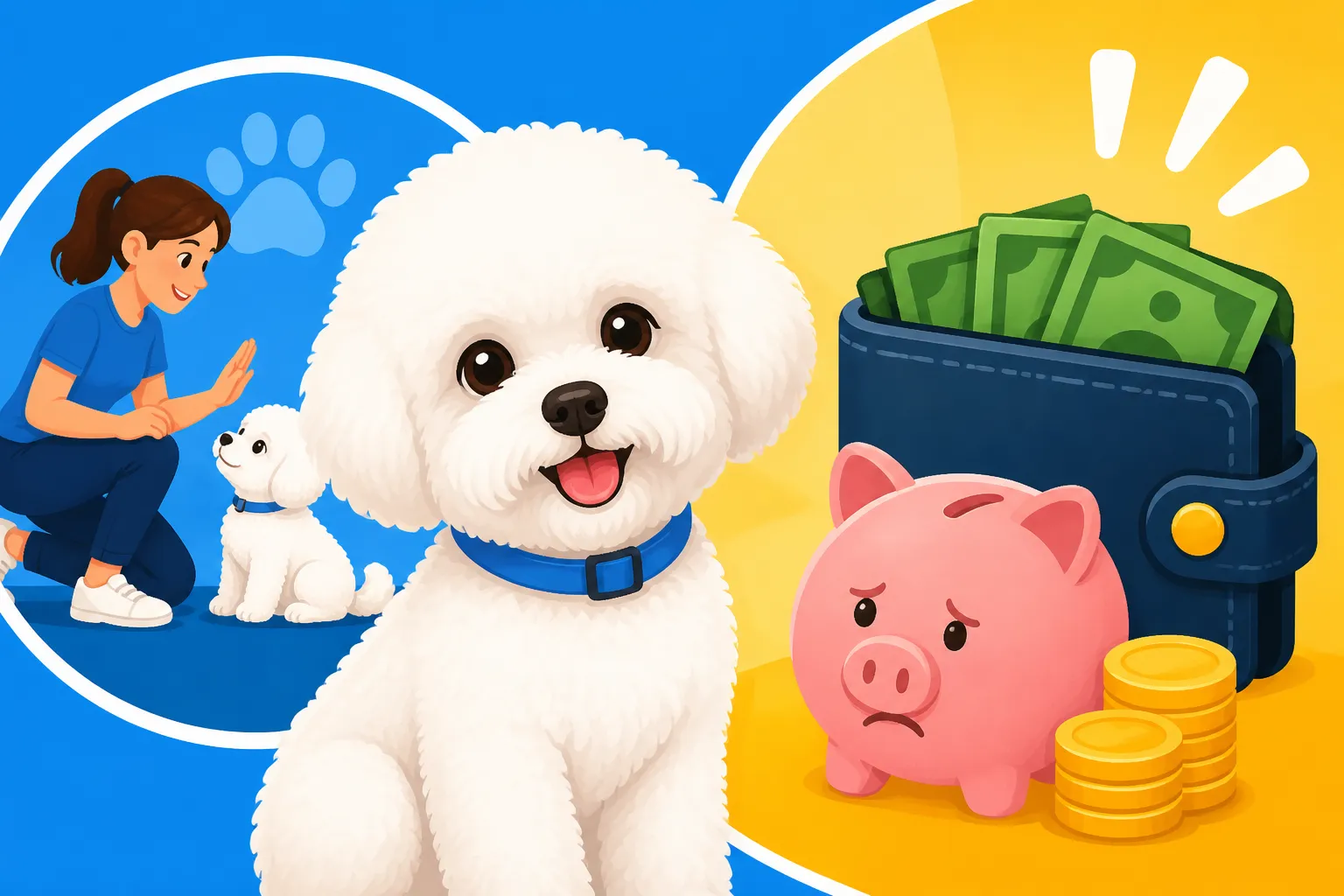
What Puppy Class Costs a Bichon Frise Owner
Bringing home a fluffy, playful Bichon Frise puppy is an incredibly exciting time, full of dreams of cuddles and happy memories. But as the initial euphoria settles, the practicalities of puppy ownership start to emerge, and one of the big questions often revolves around training: specifically, what puppy class costs a Bichon Frise owner. This guide is here to shed light on those expenses, helping you understand the value and prepare your budget for this vital step in your Bichon's development.
Why Puppy Classes Are a Smart Investment for Your Bichon Frise
It’s easy to think, "My Bichon is so small and cute, surely they don't need formal training right away?" But trust me, those early weeks and months are absolutely critical for shaping your puppy into a well-adjusted, confident adult. Puppy classes offer far more than just teaching "sit" and "stay." They are a foundational experience that pays dividends throughout your dog's entire life.
Essential Socialization Opportunities
One of the most profound benefits of a good puppy class is the structured socialization it provides. Your Bichon Frise needs to learn how to interact politely and fearlessly with other puppies of various breeds, sizes, and energy levels. Without this crucial exposure during their critical socialization window (roughly 3-16 weeks), they can develop fear-based behaviors towards other dogs, leading to anxiety or aggression later on. A puppy class allows them to build confidence in a safe, controlled environment, learning appropriate play and communication.
Imagine your Bichon, a breed known for its merry temperament, being able to confidently greet other dogs at the park without fear or excessive barking. This doesn't happen by accident. Classes help them understand dog-to-dog etiquette, ensuring they grow up to be the kind of dog everyone enjoys being around, and that can make such a difference in your daily life. It’s an investment in their mental well-being and your peace of mind.
Early Behavioral Guidance and Prevention
Beyond socialization, puppy classes are invaluable for nipping common behavioral issues in the bud. Bichon Frises can be notoriously hard to housetrain, and early intervention with consistent guidance from an experienced trainer can make all the difference. You'll learn how to identify potential problems like nipping, jumping, or excessive barking – behaviors that might seem cute in a tiny puppy but become a real headache in an adult dog.
A good trainer will provide you with the tools and techniques to establish good habits from the start. They’ll teach you how to manage puppy energy, set boundaries, and use positive reinforcement effectively. Think of it as learning a new language – the language of "dog" – so you and your Bichon can understand each other better. This proactive approach can save you countless hours of frustration, and potentially much higher costs, dealing with ingrained behavioral problems down the line. It's truly a case where an ounce of prevention is worth a pound of cure.
Building a Stronger Bond with Your Puppy
Participating in puppy class isn't just about training your dog; it's about training you as an owner. You'll learn how to communicate clearly with your Bichon, how to motivate them, and how to address their specific needs. This shared learning experience is incredibly powerful for strengthening the bond between you and your new family member. When you both understand the expectations and how to work together, trust and respect blossom.
This bonding goes beyond just commands. It's about developing a deeper understanding of your Bichon's personality, their learning style, and what makes them tick. The confidence you gain from successfully navigating training challenges together will empower you in all aspects of your life with your dog. You’ll be better equipped to handle new situations, keep them safe, and ensure they live a happy, fulfilling life by your side. A strong bond built on mutual understanding makes everything smoother, from vet visits to long walks in the park. You might also want to look into The First Year With a Bichon Frise Puppy for more comprehensive early care tips.
Breaking Down the Costs: What to Expect for Bichon Frise Puppy Classes
The cost of puppy classes can vary quite a bit, depending on where you live, the type of facility, the instructor's experience, and the class structure. It’s not a one-size-fits-all situation, and understanding these variables will help you budget effectively.
Typical Price Ranges and What Influences Them
Generally, you can expect to pay anywhere from a modest sum to a more significant investment for a basic puppy class series. These classes are typically structured as a 4-8 week course, with one session per week.
Here’s a breakdown of factors that influence the price:
- Location: City centers or affluent areas tend to have higher prices than rural or suburban locations, reflecting the overhead costs of the facility and the local cost of living.
- Facility Type: Community centers or local dog clubs often offer more budget-friendly options compared to upscale private training academies that might boast state-of-the-art equipment and smaller class sizes.
- Instructor Experience and Certifications: Highly certified or nationally recognized trainers, especially those with specialized accreditations in positive reinforcement or behavior, will naturally charge more for their expertise. Their experience can be invaluable, particularly if your Bichon Frise presents with early signs of unique behavioral quirks.
- Class Size: Smaller class sizes mean more individualized attention from the trainer, which can be a huge benefit for a breed like the Bichon Frise, known for being sensitive and sometimes easily distracted. Larger classes might be cheaper per head but offer less personal interaction.
- Curriculum and Inclusions: Some basic classes cover only fundamental commands and socialization. Others might include extra perks like handouts, online resources, a "graduation" photo, or even a follow-up consultation.
When you're comparing options, don't just look at the sticker price. Consider the overall value proposition. A slightly more expensive class with a highly recommended trainer and a small class size could be a much better investment in the long run than a cheaper, overcrowded one where you and your Bichon get lost in the shuffle.
What Your Puppy Class Fee Typically Includes
When you sign up for a puppy class, you're usually paying for a package deal that covers several essential elements designed to give you and your Bichon the best start.
- Structured Weekly Sessions: The core of the cost covers the actual class time. These sessions are usually 45-60 minutes long and focus on a mix of controlled play, basic obedience cues (like sit, down, stay, come, leave it), leash manners, and handling exercises. The consistent schedule helps build routine for your puppy and provides you with ongoing support. The trainer will usually demonstrate techniques and then guide you through practicing with your own dog.
- Trainer Expertise and Guidance: You're also paying for the professional knowledge of the instructor. They are there to answer your questions, troubleshoot common puppy problems (like jumping or nipping), and provide personalized advice. This direct access to an expert is invaluable. For example, if you're struggling with housetraining, a trainer can offer specific strategies, which can be incredibly helpful given Whether Bichon Frises Really Are Hard to Housetrain. They might even suggest specific training treats available at stores like Chewy that your Bichon Frise finds irresistible, making training more effective.
- Socialization Opportunities: As mentioned, a huge component is the supervised interaction with other puppies. This is done safely and gently, with trainers ensuring positive experiences to prevent any negative associations. It's often the highlight for many puppies, allowing them to burn off energy and learn social cues in a positive environment.
- Educational Materials: Many classes provide handouts, a workbook, or access to online resources that reinforce what you learn in class. These materials can be a great reference as you continue practicing at home between sessions and beyond. Some programs even use specific high-value treats like those from Ollie to capture a puppy's attention effectively, and these materials might list recommended brands or types of treats.
- Vaccination Requirements: Reputable puppy classes will require proof of age-appropriate vaccinations and parasite control for all attendees. This is a critical factor in protecting your Bichon Frise, especially given their smaller size, from common puppy illnesses. While this isn't a direct "cost" of the class, it's a non-negotiable prerequisite that ensures a safe learning environment for all.
Here's a general table outlining what you might expect regarding costs for a typical 6-week puppy class:
| Factor | Low End (Community/Volunteer) | Mid Range (Independent Trainer) | High End (Private Academy/Specialist) |
|---|---|---|---|
| Price Range (6-week course) | ~$100 – $180 | ~$180 – $350 | ~$350 – $600+ |
| Class Size | Larger (8-12 puppies) | Medium (6-8 puppies) | Smaller (4-6 puppies) |
| Instructor Experience | Enthusiast/Certified | Certified/Experienced | Highly Certified/Behaviorist |
| Key Inclusions | Basic commands, play, handouts | All of above + troubleshooting | All of above + advanced topics, online portal, specialized focus |
| Focus | General obedience, basic socialization | Strong emphasis on foundation skills, problem-solving | Tailored approach, addressing specific breed/individual needs |
Note: These are estimated ranges and can fluctuate based on region, demand, and specific offerings.
Beyond the Classroom: Other Training Considerations and Savings
Puppy class is a fantastic starting point, but the training journey with your Bichon Frise doesn't end when the course does. There are always ways to continue learning, reinforce good habits, and manage your budget effectively.
Maximizing Your Investment in Puppy Class
To get the most bang for your buck, active participation is key. Don't just show up to class; engage with the trainer, ask questions, and practice the exercises at home daily. Consistency is the magic word in dog training, especially for a Bichon Frise. Set aside short, frequent training sessions (5-10 minutes, several times a day) rather than one long, overwhelming session. This keeps your puppy engaged and prevents them from getting bored or frustrated.
Make sure you're using high-value treats and praise to motivate your Bichon. Experiment to find what truly excites them. Some Bichons might work for a tiny piece of cheese, others for a special toy. Brands like Ollie offer nutrient-rich, fresh food options that can be portioned out into highly motivating training treats. Also, remember that a tired puppy is a good puppy! Ensure your Bichon gets enough appropriate exercise before class so they're ready to focus. This will help them learn How Fast a Bichon Frise Learns a New Cue.
Alternative Training Options and How They Compare
While puppy classes are excellent, they're not the only path. Different options might suit your lifestyle or your Bichon's specific needs better.
- Online Training Programs: The internet is brimming with online courses, many taught by highly reputable trainers. These can range from free YouTube tutorials to comprehensive paid programs. They offer flexibility, allowing you to train at your own pace and schedule, and are often more budget-friendly. However, they lack the hands-on feedback of a live instructor and the crucial in-person socialization with other dogs and people. This means you'd need to find other ways to ensure your Bichon gets sufficient Whether an Undersocialized Bichon Frise Recovers and exposure to the world.
- Private Training Sessions: If your Bichon Frise has specific behavioral challenges, or if you simply prefer one-on-one attention, private sessions are an excellent choice. A professional trainer will come to your home or meet in a neutral location, offering highly customized guidance. This is often the most expensive option per hour, but the personalized attention can yield faster results for particular issues. They can also help with things like Whether a Crate Training Works on a Bichon Frise in your home environment.
- Breed-Specific Clubs and Workshops: Some Bichon Frise clubs or local kennel clubs offer workshops or informal training groups. These can be great for connecting with other Bichon owners, sharing tips, and getting breed-specific advice. They might focus on areas like grooming acceptance – Teaching a Bichon Frise to Stand for an Hour of Scissoring – or specific behavioral traits of the breed.
When considering these alternatives, remember that socialization and exposure to different sights, sounds, and experiences are non-negotiable for a well-rounded puppy. If you opt for private or online training, make a conscious effort to arrange safe, positive interactions for your Bichon.
Budgeting for the Long-Term and Unexpected Costs
Training isn't a one-and-done expense. As your Bichon Frise grows, you might consider advanced obedience, agility, or therapy dog training. Factor these potential future investments into your overall pet budget. Remember that the initial cost of a Bichon Frise puppy from a reputable breeder can be significant, as detailed in What a Bichon Frise Puppy Costs From a Real Breeder, and that's just the beginning.
It's also wise to consider pet insurance from providers like Healthy Paws early on. While it won't cover training fees, it can provide invaluable financial protection against unexpected veterinary emergencies or chronic health conditions that Bichons can sometimes face, such as bladder stones (mentioned in Whether a Bichon Frise Should Be Screened Before Its First Stone). Having insurance in place can free up your budget for ongoing training and enrichment, allowing you to prioritize your dog's well-being without constant financial stress. Also, don't forget ongoing expenses like quality food, toys (available on Chewy), and regular grooming. The more you plan ahead, the smoother your journey with your beloved Bichon Frise will be.
Disclaimer
This article is for general informational purposes only and does not constitute professional advice. Laws, prices and regulations vary by location and change over time. Consult a qualified professional for guidance on your specific situation.