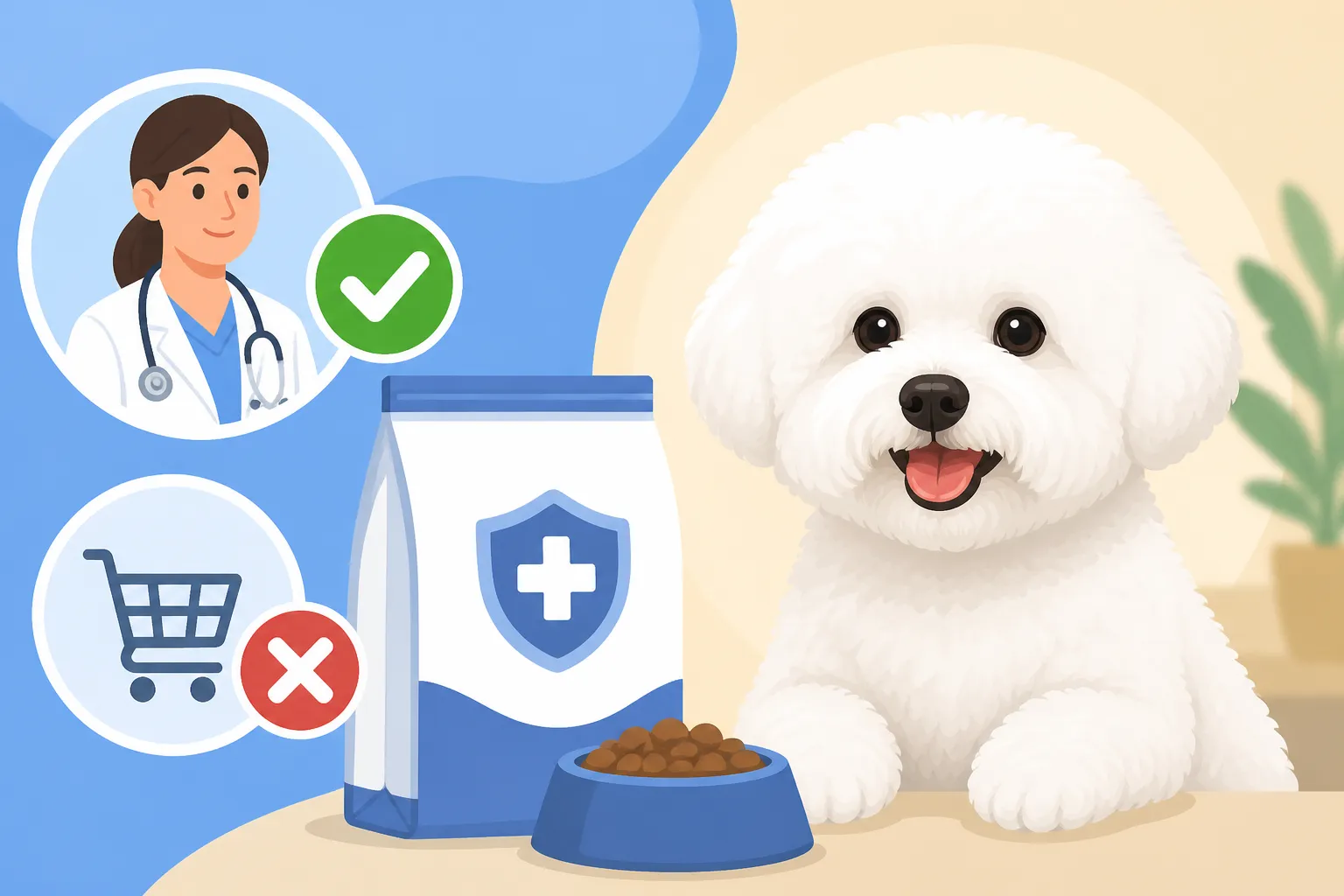
Whether Prescription Food Needs a Vet Authorization
It's a common moment of confusion for Bichon Frise parents: you've been told your beloved fluffball needs a special diet for their bladder stones, sensitive skin, or managing diabetes, only to find you can't just pick it up off the shelf. That "prescription" label isn't just for show – it truly means your vet needs to authorize the purchase. This guide will walk you through why this authorization is crucial for your Bichon's health, how to navigate the process, and what to expect when purchasing these vital foods.
Understanding Prescription Diets for Your Bichon Frise
When your vet recommends a "prescription diet," it's not simply a premium kibble with a fancy name. These foods are specifically formulated to manage or treat particular medical conditions in dogs, and they're designed with a scientific precision that goes far beyond what you'd find in an over-the-counter pet food. For a breed like the Bichon Frise, known for certain predispositions, these diets can be truly life-changing, and sometimes, life-saving.
More Than Just "Special Food": The Science Behind It
Think of prescription diets as a form of medical treatment delivered through food. Unlike regular dog food, which aims for general health and nutrition, prescription diets are engineered with precise levels of nutrients, minerals, and other compounds to address a specific ailment. For example, a urinary diet for a Bichon Frise prone to calcium oxalate stones will have carefully controlled levels of magnesium, calcium, and phosphorus, along with ingredients designed to modify urine pH and encourage increased water intake to dilute the urine. The Diet a Bichon Frise Stays On for Life often involves these very specialized formulations.
Similarly, if your Bichon Frise struggles with severe allergies, a prescription diet might feature hydrolyzed proteins, where the protein molecules have been broken down so finely that your dog's immune system doesn't recognize them as allergens. This can be a game-changer for reducing chronic itching and discomfort. These aren't just minor tweaks; they are significant dietary interventions that require a deep understanding of veterinary science. The manufacturers invest heavily in research and clinical trials to prove the efficacy of these diets in managing the targeted conditions.
Common Conditions Requiring Prescription Food in Bichons
Bichon Frises, unfortunately, are susceptible to a few health issues that often necessitate a prescription diet. One of the most prominent is the formation of bladder stones, particularly calcium oxalate stones. These diets are formulated to prevent their recurrence, often for the dog's entire life once they've had an episode. Why a Bichon Frise Forms Stones Twenty Times as Often explains just how common this is in the breed.
Beyond urinary health, many Bichons suffer from environmental or food allergies that manifest as itchy skin and ear infections. What Atopic Dermatitis Does to a Bichon Frise describes the chronic discomfort these dogs face. While some allergies can be managed with medication or environmental changes, specific prescription diets with novel or hydrolyzed protein sources are frequently a cornerstone of treatment. Gastrointestinal sensitivities, kidney disease, liver disease, and even conditions like diabetes can also require specialized prescription foods to support organ function and maintain overall health.
Why a Vet's Authorization is Essential
The requirement for a veterinary authorization isn't a bureaucratic hurdle designed to inconvenience you. It's a critical safeguard for your Bichon Frise's well-being, ensuring that the right medical intervention is applied safely and effectively. Without this oversight, serious health complications could arise.
Protecting Your Bichon's Health
Prescription diets are powerful tools, but like any medical treatment, they must be used correctly. Feeding the wrong prescription diet, or feeding a prescription diet when one isn't actually needed, can be detrimental. For instance, a urinary diet formulated to dissolve one type of stone might actually promote the formation of another type if the diagnosis is incorrect. What a Calcium Oxalate Stone Is in a Bichon Frise and how it differs from other stones is crucial knowledge when prescribing these diets.
Your veterinarian performs diagnostic tests, evaluates your Bichon's overall health, and makes an informed decision about the most appropriate diet. They understand the intricacies of each formula and how it interacts with your dog's specific physiology and condition. Without their authorization, there's no guarantee that the food you're purchasing is suitable, or even safe, for your pet's unique needs. This medical supervision ensures that the diet is a beneficial part of their treatment plan, not a shot in the dark.
Legal and Ethical Considerations
In many places, veterinary prescription diets are regulated similarly to pharmaceuticals. This means that their distribution is controlled to ensure they are prescribed and used under professional guidance. Pet food manufacturers work closely with veterinary professionals to develop and market these specialized formulas, and part of that agreement often involves restricting sales to those with a vet's approval.
Ethically, veterinarians have a responsibility to oversee the medical care of their patients, and diet often plays a huge role in that. Allowing unregulated access to these specialized foods would undermine their ability to provide comprehensive care and protect animal health. It prevents well-meaning owners from inadvertently harming their pets by misdiagnosing or attempting to manage complex conditions with inappropriate diets bought without professional consultation.
How to Obtain and Maintain a Prescription Authorization
Getting the authorization for your Bichon Frise's prescription food is a straightforward process, but it hinges on consistent veterinary care. It's not a one-time thing; regular check-ups are often needed to ensure the diet is still appropriate and effective.
The Vet Visit and Diagnosis
The journey to prescription food always begins with a thorough veterinary examination and diagnosis. If your Bichon is showing symptoms like frequent urination, straining to pee, excessive itching, or digestive upset, your vet will perform a series of tests. This might include urine analysis, blood work, allergy testing, or imaging like X-rays or ultrasound to confirm conditions such as bladder stones. How a Vet Confirms Stones in a Bichon Frise outlines some of these diagnostic steps.
Once a definitive diagnosis is made, and your vet determines that a specific prescription diet is the best course of action, they will discuss the dietary options with you. This consultation is your opportunity to ask questions, understand the rationale behind the diet, and learn about the long-term management plan.
The Authorization Process
After your vet has prescribed the specific diet, they will provide the necessary authorization. This usually takes one of a few forms:
- Direct from Clinic: Many veterinary clinics stock popular prescription diets. You can simply purchase the food directly from them, as they already have your Bichon's medical records on file.
- Written Prescription: Your vet might provide you with a written prescription, much like one for medication, which you can then take to a pet store that carries prescription diets or an online retailer.
- Direct Communication with Retailer: Often, if you order online from a reputable retailer like Chewy, they will have a system to contact your veterinary clinic directly to verify the prescription. You provide them with your vet's contact information, and they handle the rest, getting approval for the specific food and quantity.
Regardless of the method, the core principle is the same: your vet's explicit approval is required before the food can be dispensed.
Renewing Your Authorization
It's crucial to understand that a prescription authorization isn't usually a lifetime pass. For chronic conditions, your Bichon Frise will likely need regular follow-up appointments. For instance, if your Bichon is on a urinary diet, your vet might recommend yearly (or even more frequent) urine tests or X-rays to monitor for stone recurrence and ensure the diet is still working effectively. Whether a Bichon Frise Should Be Urine Tested Yearly is a common recommendation for dogs with a stone history.
Based on these re-evaluations, your vet will renew the authorization for the prescription food. This ensures that any changes in your Bichon's condition are caught early, and the dietary plan can be adjusted if needed. Think of it as an ongoing conversation between you, your vet, and your Bichon's nutritional needs.
Navigating Purchases with Authorization
Once you have your vet's authorization, you have several options for purchasing your Bichon Frise's prescription food. Each method has its pros and cons, but the key is understanding how the authorization process integrates with your chosen retailer.
Buying from Your Vet's Office
Many veterinary clinics carry a selection of prescription diets directly in their office. This can be incredibly convenient, especially if you need the food immediately after a diagnosis or prefer to pick it up during a routine check-up.
- Pros:
- Immediate Access: No waiting for shipping or external verification.
- Expert Advice on Hand: You can ask any last-minute questions directly to your vet or veterinary technician.
- Supports Your Clinic: Purchasing directly helps support the practice that provides your Bichon's care.
- Cons:
- Limited Stock: Clinics might not carry every brand or formula, or the larger bag sizes you might prefer.
- Price: Prices can sometimes be higher than online retailers due to clinic overheads.
- Convenience: Clinic hours might not always align with your schedule.
Online Retailers and the Authorization Process
For many pet parents, online retailers have become a popular choice for purchasing prescription diets due to competitive pricing and home delivery. Stores like Chewy have streamlined the process for prescription foods.
When you place an order for a prescription diet on a site like Chewy, you'll be prompted to provide your veterinarian's contact information. Chewy's system then directly contacts your vet's office to verify the prescription. This typically involves a quick phone call or fax between the retailer and the clinic. Once your vet confirms the details and grants approval, your order is processed and shipped. This system generally works very smoothly, but it does mean a slight delay for the initial verification. It’s always a good idea to let your vet know you'll be ordering online so they can expect the call.
Custom and Fresh Food Services and Prescription Needs
It's important to clearly distinguish between medically prescribed veterinary diets and customized fresh food services. While many fresh food companies, such as Ollie, offer fantastic, high-quality nutrition tailored to a pet's general needs, they typically do not provide "prescription diets" in the veterinary sense. Services like Ollie focus on creating balanced, human-grade meals that can be customized for weight management, allergies (general sensitivities, not specific medical conditions requiring hydrolyzed protein), or age.
However, if your Bichon Frise has a medical condition requiring a prescription diet, you must prioritize that specific diet prescribed by your vet. While you might discuss general nutritional support with services like Ollie for a healthy dog, they are not a substitute for a vet-authorized prescription formula. Always consult your veterinarian if you're considering supplementing or switching your Bichon to any new food, especially if they have underlying health issues. Whether a Bichon Frise Must Stay on the Diet Forever is a question many owners face, and the answer is almost always yes for prescription diets.
Here's a quick comparison of purchasing options:
| Feature | Buying from Vet's Office | Buying from Online Retailer (e.g., Chewy) |
|---|---|---|
| Authorization Process | Automatic (vet has records) | Retailer contacts vet for verification |
| Speed of Access | Immediate (if in stock) | 2-5 days for verification + shipping |
| Product Variety | Limited to clinic's stock | Broader selection of brands and sizes |
| Pricing | Generally higher | Often competitive, look for sales/subscriptions |
| Convenience | Pick-up during clinic hours | Home delivery |
| Direct Vet Support | Yes, on-site | Indirect (vet communicates with retailer) |
| Returns/Exchanges | Clinic policy | Retailer policy (often generous for pet food) |
Conclusion
The requirement for a veterinary authorization for prescription food for your Bichon Frise is a testament to the specialized nature of these diets and the critical role they play in managing your pet's health. It ensures that your furry friend receives the exact nutritional therapy they need, based on a professional diagnosis and ongoing medical oversight. While it might add an extra step to your purchasing routine, it's a vital one that ultimately safeguards your Bichon's well-being and is an integral part of their long-term care plan. Always work closely with your veterinarian to ensure your Bichon Frise is on the right track nutritionally.
Disclaimer
This article is for general informational purposes only and does not constitute professional advice. Laws, prices and regulations vary by location and change over time. Consult a qualified professional for guidance on your specific situation.