Whether a Bichon Frise Needs a Dog Walker
Balancing a busy life with the needs of your beloved Bichon Frise can feel like a constant juggle, and one common question that pops up for many owners is whether bringing in a dog walker is truly necessary. It's a valid concern, especially when you want the very best for your fluffy companion but face the realities of work schedules, commitments, or even personal limitations. This guide will delve deep into the daily requirements of a Bichon Frise, explore situations where a dog walker can be a game-changer, and help you decide if it's the right solution for your specific household and the happiness of your furry friend.
The Core Needs of a Bichon Frise
Don't let their small size and sweet demeanor fool you; Bichon Frises, like all dogs, have fundamental needs that must be met consistently to ensure their physical health and emotional well-being. Understanding these core requirements is the first step in deciding whether a dog walker fits into your routine.
Exercise Requirements
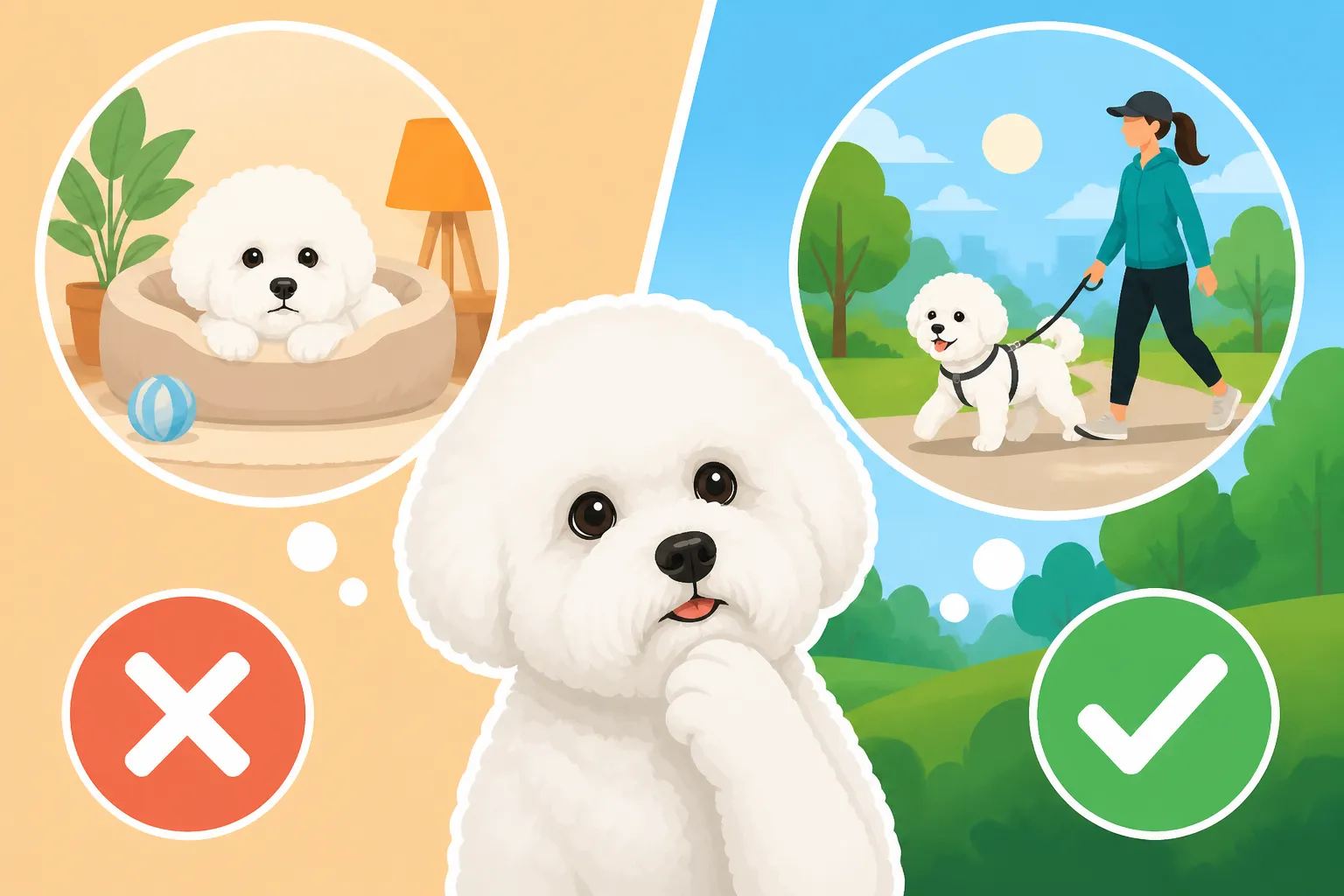
While a Bichon Frise isn't going to be joining you on a marathon, they definitely aren't content being couch potatoes all day. These lively little dogs have a surprising amount of energy, often expressed in bursts of enthusiastic play or what's affectionately known as "the Bichon Blitz" – those sudden, frantic dashes around the house. They thrive on regular, moderate exercise. This isn't just about physical health; it's about burning off excess energy that, if left unchecked, can lead to boredom and destructive behaviors.
Think about it: a quick dash in the yard might satisfy a momentary urge, but it doesn't replace the mental stimulation and physical workout of a good walk. A 20-30 minute walk, ideally twice a day, is usually sufficient for an adult Bichon. This allows them to stretch their legs, sniff new scents (which is incredibly enriching for dogs!), and explore their surroundings. Without this regular outlet, you might find your Bichon becoming restless, nippy, or even developing unwanted habits. For a deeper dive into their bursts of energy, you might want to read about The Bichon Blitz and What It Means.
Potty Break Frequency
This is often where the "dog walker" question truly hits home for many Bichon Frise owners. These little furballs have notoriously small bladders, meaning they need frequent opportunities to relieve themselves. Puppies, especially, need to go out every couple of hours, sometimes even more often, as they learn bladder control. An adult Bichon can typically hold it longer, perhaps 4-6 hours during the day, but asking them to go much longer than that can lead to discomfort, accidents, and even potential health issues like urinary tract infections. It can also completely derail any progress you've made with their housetraining.
Imagine your little Bichon holding it for 8, 9, or even 10 hours while you're at work. It's simply not fair to them, and it puts immense strain on their tiny bodies. Regular potty breaks are non-negotiable for their health and your sanity when it comes to keeping your home clean. If you're struggling with consistent training, you might find some useful tips in The Toilet Routine That Finally Works on a Bichon Frise. And remember, if you have a male Bichon, they also tend to mark their territory, which means even more frequent stops might be desired, especially in new environments.
Mental Stimulation and Socialization
Exercise and potty breaks cover the physical aspects, but a Bichon Frise also needs mental stimulation and social interaction. They are intelligent, curious dogs who love to learn and engage with their world. A walk isn't just about moving their legs; it's about seeing new sights, hearing different sounds, and smelling a multitude of intriguing scents. These experiences enrich their lives and prevent boredom.
Socialization is also key. While some Bichons are perfectly happy as "only children," many benefit from exposure to other dogs and people in a controlled, positive environment. A dog walker can provide this by taking them to a local park (if appropriate and safe for small dogs), or simply encountering other leashed dogs and friendly strangers on their route. This helps them remain well-adjusted, confident, and less prone to issues like excessive barking or fearfulness when meeting new people or pets. Engaging their minds with new experiences can also stave off behavioral issues that stem from boredom. For more on their cognitive abilities, consider Whether a Bichon Frise Learns Tricks.
When a Dog Walker Becomes a Lifesaver
For many Bichon Frise owners, a dog walker isn't a luxury; it's a practical necessity that dramatically improves their dog's quality of life and helps maintain a harmonious household. There are several common scenarios where professional help makes all the difference.
Long Workdays and Commutes
This is perhaps the most obvious and frequent reason owners consider a dog walker. In today's demanding work environment, an 8-hour workday often stretches into 9 or 10 hours once commute times are factored in. Add in an early start or a late meeting, and suddenly your Bichon is home alone for a significant portion of the day. As we discussed, a Bichon Frise cannot comfortably hold their bladder for such extended periods, and they certainly don't get the exercise or mental stimulation they need.
A midday dog walker breaks up this long stretch of solitude. They provide that much-needed potty break, a refreshing walk, and some human interaction. This isn't just about preventing accidents indoors; it's about preventing loneliness and boredom, which can manifest as Whether a Bichon Frise Cries When You Leave or engaging in destructive behaviors like chewing furniture or excessive barking. Having someone reliably there in the middle of the day can be a tremendous relief, knowing your little companion isn't suffering. It makes the difference between a dog eagerly awaiting your return and one who's stressed and uncomfortable.
Managing Puppy Needs
Bringing home a Bichon Frise puppy is an incredibly joyful, but also incredibly demanding, experience. Puppies have even smaller bladders than adult dogs and need to go out constantly – sometimes every hour or two, especially after waking up, eating, or playing. If you're working full-time, managing these frequent potty breaks is virtually impossible without external help.
A dog walker or a dedicated pet sitter during the puppy phase can be invaluable. They can come in multiple times a day to reinforce positive housetraining habits, take your puppy out for short, frequent potty breaks, and provide crucial socialization during their critical developmental window. This consistent routine is paramount for success. Without it, you're looking at a house full of accidents and a much longer, more frustrating housetraining journey. For a comprehensive look at what to expect, consider The First Year With a Bichon Frise Puppy. This early support can truly set your Bichon up for a lifetime of good habits and happiness.
Supporting Senior Bichons or Those with Health Needs
As our beloved Bichons age, their needs can change dramatically. Senior Bichon Frises might need more frequent, shorter potty breaks due to aging bladders or conditions like arthritis that make holding it uncomfortable. They might also have less stamina for long walks, but still benefit immensely from gentle, regular outdoor excursions. A dog walker can tailor their visits to these specific needs, ensuring your senior dog gets appropriate exercise and relief without overexertion. For information on when your dog reaches this stage, you might find The Age a Bichon Frise Counts as Senior helpful.
Furthermore, Bichons can be prone to certain health issues, such as bladder stones (which can impact urinary urgency) or conditions like diabetes or Cushing's disease, which increase thirst and urination. Managing an Insulin Dependent Bichon Frise is a prime example where frequent outdoor access is crucial. If your Bichon is recovering from surgery, like stone removal, they might need extra trips outside or very gentle, controlled walks. A dedicated dog walker who understands these nuances can provide specialized care, ensuring your dog's health needs are met while you're away. They can also often administer medications or follow specific instructions from your vet, giving you peace of mind.
Weighing the Pros and Cons of a Dog Walker
Deciding to hire a dog walker is a big step, and like any important decision concerning your pet, it comes with a set of advantages and potential drawbacks. It's essential to consider both sides of the coin to ensure it's the right choice for your Bichon and your lifestyle.
Advantages of Professional Help
The benefits of a reliable dog walker extend far beyond just providing potty breaks.
- Consistent Routine and Reduced Accidents: A walker ensures your Bichon gets out regularly, preventing discomfort and accidents indoors, which also reinforces positive housetraining. This consistency is key, especially for smaller breeds like the Bichon with their tiny bladders.
- Physical Exercise and Mental Stimulation: Daily walks provide necessary physical activity to keep your Bichon fit and healthy. More importantly, they offer mental enrichment through new sights, sounds, and smells, combating boredom and potential destructive behaviors. This can be vital for their overall well-being.
- Reduced Separation Anxiety: For dogs prone to anxiety when left alone, a midday visit from a walker can break up the solitude, provide companionship, and offer a positive distraction. This human interaction can significantly reduce stress and loneliness.
- Socialization Opportunities: Depending on the service, a dog walker might introduce your Bichon to other friendly dogs or people, fostering positive social skills and confidence. This exposure can be beneficial for a well-rounded temperament.
- Peace of Mind for Owners: Knowing your Bichon is being cared for, getting their needs met, and receiving attention while you're at work or away provides immense peace of mind. This allows you to focus on your responsibilities without constant worry about your pet.
- Flexibility for Unforeseen Events: If you have a sudden late meeting, an unexpected errand, or even fall ill, having an established dog walker means you have a reliable backup plan. You won't have to scramble to find someone last-minute, reducing stress for both you and your Bichon.
Potential Downsides to Consider
While the advantages are many, there are also aspects to consider carefully before committing to a dog walker.
- Cost: This is often the primary concern for many owners. Dog walking services vary widely in price depending on location, duration, and whether it's a solo walk or group outing. Over time, these costs can add up significantly. It's important to budget for this, just as you would for food or grooming. To understand the broader financial picture, you might want to look into What a Bichon Frise Costs a Year to Keep.
- Trust and Security: Inviting someone into your home to care for your cherished pet requires a high level of trust. You need to be confident in their reliability, honesty, and ability to handle your dog safely. This often means thorough vetting, background checks, and reference calls.
- Inconsistent Care or Walkers: Some larger dog walking services might send different walkers each time, which can be unsettling for a sensitive Bichon who thrives on routine and familiarity. A change in walker could mean inconsistent handling or a less personal connection.
- Risk of Injury or Illness: While rare with professional walkers, there's always a small risk of injury (e.g., getting into a tussle with another dog, encountering wildlife) or exposure to illness from other dogs in a group setting. Reputable walkers usually take precautions, but no situation is entirely risk-free.
- Finding the Right Fit: It can take time and effort to find a dog walker who genuinely connects with your Bichon, understands their unique personality, and adheres to your specific instructions. It's not a one-size-fits-all situation.
| Aspect | Advantages of a Dog Walker | Potential Downsides of a Dog Walker |
|---|---|---|
| Bichon's Well-being | Consistent potty breaks, sufficient exercise, reduced anxiety, mental stimulation, socialization | Potential for inconsistent care, risk of injury/illness (rare) |
| Owner's Convenience | Peace of mind, flexibility for busy schedules, reliable backup | Significant recurring cost, time required to find trusted walker |
| Home & Security | Prevents indoor accidents, enhances security with regular visits | Requires high level of trust for home access, potential for security concerns |
| Health | Support for senior/special needs, prevents holding bladder too long | Exposure to elements/other dogs, might not follow specific health protocols perfectly |
Finding the Right Dog Walker for Your Bichon
Once you've decided a dog walker is the right choice for your Bichon Frise, the next crucial step is finding the perfect person or service. This isn't a decision to be rushed; a good match will ensure your dog's happiness and your peace of mind.
What to Look For in a Dog Walker
Finding a reliable and compassionate dog walker means doing your homework. You're not just hiring someone to walk your dog; you're entrusting them with a beloved family member and access to your home.
- Experience and Training: Look for walkers with previous experience, especially with small breeds like Bichons. Ask if they have any certifications in pet first aid or CPR. A walker who knows how to handle common situations and emergencies is invaluable.
- References and Reviews: Always ask for references from current clients and check online reviews. Websites like Rover or Wag often have client testimonials, but a personal recommendation from a friend or neighbor can be even better. Don't hesitate to call references and ask detailed questions about their experiences.
- Insurance and Bonding: A professional dog walker should be insured and bonded. Insurance protects them (and you) in case of an accident, while bonding protects against theft. This is a non-negotiable for professional services.
- Clear Communication: The best walkers are excellent communicators. They should be responsive to your calls and texts, provide updates during or after walks, and be open to discussing your Bichon's specific needs or any concerns you have. Many use apps to track walks, provide GPS routes, and send photo updates.
- Personal Interview and Trial Walk: Before committing, arrange a meeting with the potential walker and your Bichon Frise. Observe their interaction. Does your dog seem comfortable and happy with them? Ask questions about their walking style, how they handle leash reactivity (if applicable), and their emergency protocols. A trial walk or two with you present can also be very insightful.
- Emergency Protocols: Discuss what they would do in an emergency. Do they know your vet's contact information? Do they have a plan for unexpected weather or a sudden illness? A responsible walker will have clear procedures in place.
- Flexibility and Reliability: Assess their availability and whether it aligns with your schedule. Punctuality and consistency are key. You want someone who will show up on time, every time.
Brands like Healthy Paws (pet insurance) can be a good consideration here, especially if you're worried about unexpected vet bills from potential incidents during walks (though a good walker will aim to prevent these, accidents can happen). Having a solid insurance plan provides an extra layer of financial security, even if your walker is insured.
Alternative Solutions and Considerations
While a dedicated dog walker is often the ideal solution, it might not be feasible for everyone. Don't worry, there are other options to consider to ensure your Bichon's needs are met.
- Pet-Friendly Workplaces or Flex-Time: If your workplace allows, bringing your Bichon to work a few days a week can solve the problem entirely. Alternatively, negotiating flexible hours or working from home can give you the opportunity to provide those midday breaks yourself. This is an ideal scenario for many Whether a Bichon Frise Suits a Full Time Worker.
- Family, Friends, or Neighbors: A trusted network of family, friends, or neighbors who are willing and able to pop in for a midday visit can be a cost-effective and reliable alternative. Just ensure they understand your Bichon's specific needs and are consistent.
- Doggy Daycare: For social Bichons who enjoy the company of other dogs, doggy daycare can be a fantastic option. It provides constant supervision, exercise, and socialization. However, it's typically an all-day commitment and can be more expensive than a daily walk, plus it might not suit all Bichons, especially very timid ones.
- Automated Feeders and Water Fountains: While these don't replace human interaction or potty breaks, they can help manage feeding schedules if you're running late. Chewy offers a wide variety of these products, including automatic feeders and pet cameras that allow you to check in on your Bichon while you're away. For specialized diets, remember that services like Ollie deliver fresh, pre-portioned meals, which can simplify mealtime if a walker is coming in, ensuring your Bichon gets the right food on schedule.
- Potty Pads or Indoor Relief Areas: For very short periods or in emergencies, potty pads or an indoor grass patch can provide a temporary solution, but they should never be a long-term replacement for outdoor walks and proper bladder relief, especially for a Bichon who needs outdoor stimulation.
Ultimately, whether a Bichon Frise needs a dog walker depends on your individual circumstances, your dog's specific needs, and your ability to meet those needs consistently. If you have a busy schedule and your Bichon is home alone for more than 4-6 hours regularly, a dog walker is not just a convenience—it's often a necessity for their health, happiness, and well-being. Investing in a good dog walker is investing in your Bichon's quality of life.
Disclaimer
This article is for general informational purposes only and does not constitute professional advice. Laws, prices and regulations vary by location and change over time. Consult a qualified professional for guidance on your specific situation.