Whether a Bichon Frise Has an Undercoat
One of the most common questions new Bichon Frise owners, or even seasoned ones, often grapple with is understanding their beloved pup's unique coat. It's not like many other breeds, and this can lead to a lot of confusion, especially when it comes to grooming and potential allergies. This guide is here to unravel the mystery of the Bichon Frise coat, specifically addressing whether they have an undercoat and what that means for you and your fluffy companion.
The Truth About the Bichon Frise Coat: Do They Have an Undercoat?
Let's clear up a common misconception right from the start, because it's crucial for truly understanding your Bichon's grooming needs and their renowned "hypoallergenic" qualities. Many people assume that a dense, fluffy coat like the Bichon's must have an undercoat, much like a German Shepherd or a Golden Retriever. However, that's simply not the case. The Bichon Frise, in fact, does not possess a traditional undercoat.
What Constitutes a Single Coat?
Instead of having two distinct layers – a soft, insulating undercoat and a coarser, protective outer coat (known as a double coat) – the Bichon Frise has what's called a single coat. This means their entire coat is made up of one type of hair, often described as a soft, velvety texture with corkscrew curls. These curls are dense and springy, which gives them that iconic powder puff look and feel. Think of it more like human hair, which also typically grows in a single layer, rather than a thick sheep's wool or a dense dog's double coat. This single layer is why their hair behaves so differently from double-coated breeds.
Dispelling the Double-Coat Myth for Bichons
The myth of the Bichon having an undercoat often stems from the sheer volume and density of their hair. When you run your fingers through a well-groomed Bichon's coat, it feels incredibly thick and lush, easily leading one to believe there's a hidden layer. However, this density is due to the individual hairs growing close together and curling tightly, creating a plush, springy cushion rather than distinct layers. This single-coat characteristic is a defining feature of the breed and directly impacts everything from how they shed to how they react to different climates and, most importantly, how you need to groom them. It's this unique structure that contributes to their low-shedding nature, which is a huge plus for many families.
Understanding the Bichon Frise's Unique Coat Structure and Why It Matters
Now that we know Bichons have a single coat, let's dive into why this distinction is so important. It's not just a technicality; it genuinely affects how you care for your dog, especially regarding shedding, allergies, and the constant battle against mats.
The Impact on Shedding and Allergies
One of the biggest reasons people seek out Bichon Frises is their reputation for being "hypoallergenic." This isn't because they don't shed at all – all dogs shed hair and dander to some extent – but rather how they shed. With a single, curly coat, the loose hairs tend to get caught within the surrounding curls instead of falling out onto your furniture and floor. This trapping of shed hair is what significantly reduces the amount of dander and hair released into the environment, making them a much better choice for individuals with allergies. For many people, living with a Bichon Frise means far fewer sniffles and itchy eyes than with a double-coated breed. It's a game-changer for those who love dogs but struggle with typical allergens.
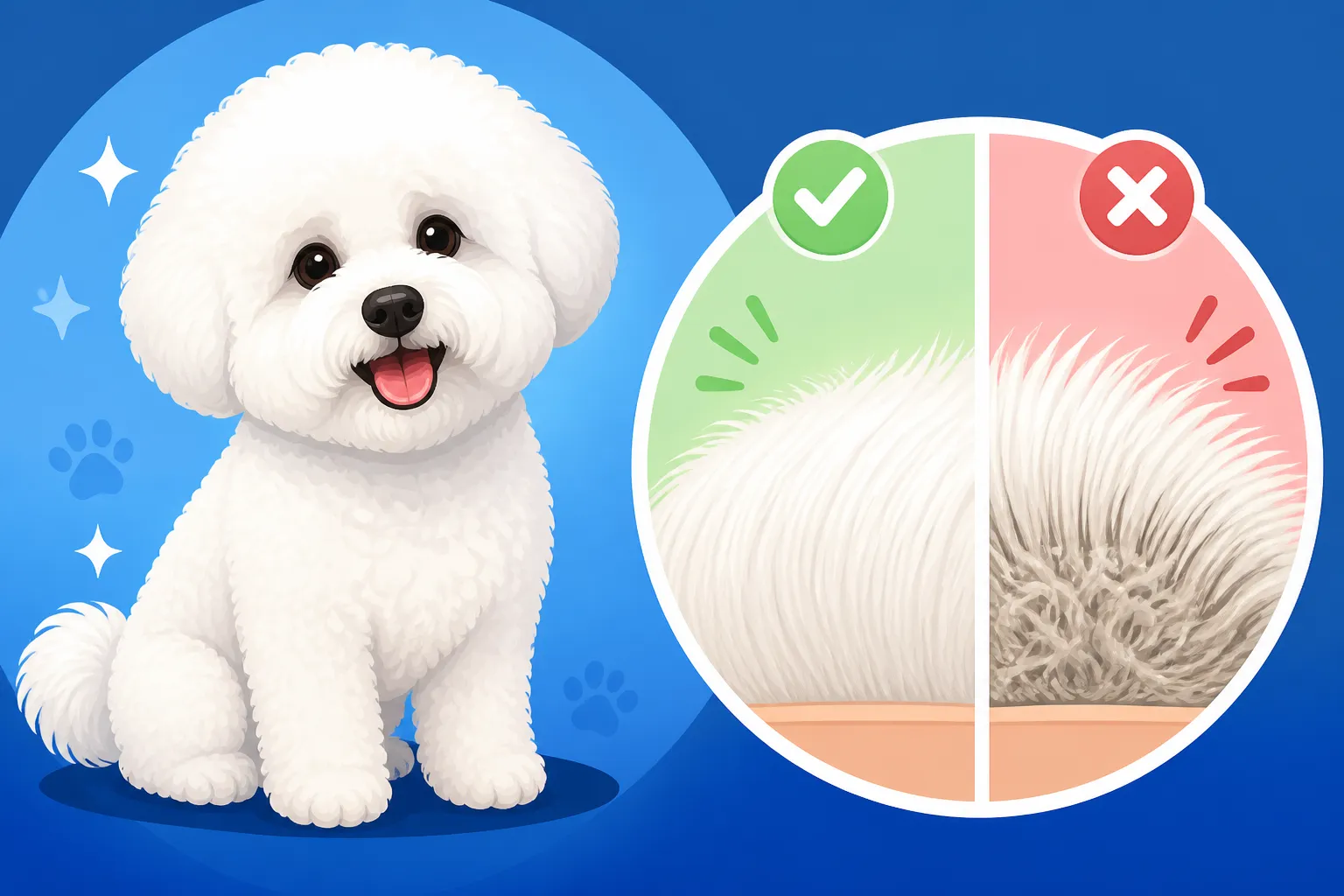
However, this trapped hair comes with its own set of challenges. Because the shed hair doesn't just fall away, it has nowhere to go but deeper into the coat, intertwining with the live hair. This creates a prime environment for matting, which is probably the biggest grooming challenge for Bichon owners. If that shed hair isn't brushed out regularly, it can quickly form tight, painful mats that pull at the skin. It’s a trade-off: less shedding in your home means more vigilant grooming on your part to keep their coat healthy and comfortable. You'll quickly learn that a lack of shedding outwardly does not mean a lack of shedding inwardly.
How the Single Coat Influences Grooming Needs
The single, curly coat of a Bichon Frise dictates a very specific grooming routine. Unlike dogs with smooth coats that might only need a quick brush, or double-coated breeds that benefit from specialized deshedding tools, the Bichon requires consistent, thorough brushing and regular professional trims. The density of their curls means that brushing only the surface simply won't cut it. You need to get deep down to the skin to separate those curls and remove any trapped, shed hair. If you don't, even a few days of neglect can lead to small tangles quickly escalating into severe mats, especially in high-friction areas like behind the ears, under the legs, and around the collar. This is why tools like a good slicker brush and a metal comb are absolutely essential.
Imagine trying to comb out long, curly human hair that hasn't seen a brush in a week – that's what your Bichon experiences if regular brushing is skipped. The curly nature of their hair means that when it's wet, it tightens, making mats even harder to remove and potentially shrinking them tighter. This is why thorough brushing before bathing is critical. You might think you're saving time by just throwing them in the tub, but if there's any matting, the water will cement those knots, turning a minor issue into a major problem that often requires shaving. It's a common mistake, and one that often leads to frustration for both owner and groomer. Knowing How Many Weeks Between Bichon Frise Grooms is key to staying on top of this.
Practical Implications for Grooming Your Bichon Frise's Single Coat
Understanding the "why" behind their coat structure naturally leads to the "how" of their care. Grooming a Bichon Frise isn't just about making them look cute; it's vital for their health and comfort. Neglecting their coat can lead to skin infections, pain, and costly trips to the groomer or vet.
Essential Grooming Tools for a Bichon's Coat
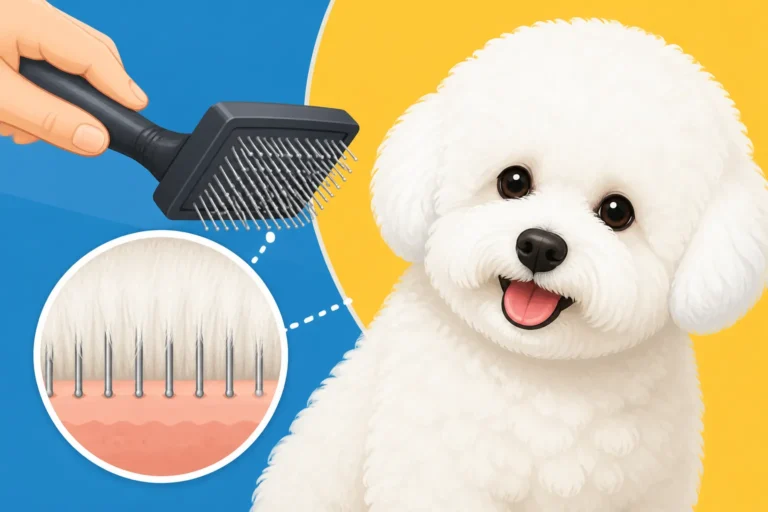
To properly care for your Bichon's single, curly coat, you'll need a specific arsenal of tools. Forget those cheap plastic brushes; they just won't cut through the dense curls effectively. You'll need:
- A high-quality slicker brush: This is your primary weapon against mats. Look for one with fine, bent wire bristles that can penetrate the dense coat without scratching the skin. Brands like Chris Christensen or Activet are often recommended by professional groomers, though you can find many good options on platforms like Amazon or Chewy.
- A sturdy metal comb: This is crucial for checking your work after brushing. The comb should have both wide and fine teeth. Use it to ensure you've brushed all the way down to the skin. If the comb snags, you've missed a mat.
- Detangling spray: A good detangling spray can make brushing much easier, especially when working through stubborn knots or just trying to gently separate the curls.
- Blunt-nosed scissors: For carefully trimming hair away from the eyes and sanitary areas between professional grooms.
- Nail clippers or grinder: Regular nail trims are a must for any dog, and Bichons are no exception.
Investing in quality tools, perhaps from an online retailer like Amazon or Chewy, will make the grooming process smoother and more effective, saving you time and your Bichon discomfort in the long run. If you want to know Which Brush Suits a Bichon Frise, there are many great resources available.
The Art of Line Brushing
Because the Bichon's coat is so dense and curly, you can't just brush over the top. You need to learn the technique of "line brushing," which ensures you get every single strand. This involves systematically brushing the coat in sections, working your way through layer by layer.
Here's a simplified breakdown:
- Start by misting a section of coat with a detangling spray.
- Use one hand to hold up a section of hair, exposing the skin line.
- With your slicker brush, brush downwards from the skin, through the hair, letting a little more hair fall into your brush stroke with each pass.
- Work in small sections, moving across the body, then down.
- Once you've brushed a section, follow up with your metal comb. If the comb glides through from root to tip, you've done a good job. If it snags, go back with the slicker brush.
This methodical approach is essential to prevent Whether Loose Hair Trapped in the Coat Causes Mats. It takes time and patience, but it's the only way to ensure your Bichon's coat stays healthy and mat-free. It's often a frustration for new owners just how much time How Long Brushing a Bichon Frise Takes each week.
Managing a Bichon Frise Coat: Shedding, Allergies, and Maintenance
The daily reality of living with a Bichon Frise means ongoing coat management. It's a commitment, but one that's incredibly rewarding when you see your fluffy friend happy and comfortable.
Regular Grooming Schedule and Professional Help
While daily or every-other-day brushing is crucial, regular professional grooming is equally important for a Bichon Frise. A professional groomer can give your Bichon the signature "powder puff" trim, handle tricky areas, and catch any potential skin or coat issues you might miss. Most Bichon Frises need a full groom every 4-6 weeks to maintain their coat length and prevent matting. Anything longer than that, especially if you're not brushing diligently at home, can lead to serious matting that may require a painful shave down.
It's tempting to try and stretch out professional grooms, but doing so can be a false economy. A groomer might charge extra for dematting, or even refuse to demat a severely matted dog, recommending a full shave for their comfort. This can be heartbreaking for owners, but sometimes it's the kindest option. Understanding that Whether a Matted Bichon Frise Must Be Shaved can be a difficult reality to face.
Here’s a rough guide to a typical grooming schedule:
| Activity | Frequency | Purpose |
|---|---|---|
| Line Brushing | Daily or every other day | Removes shed hair, prevents mats |
| Ear Cleaning | Weekly | Prevents infections, removes wax/debris |
| Eye Area Wiping | Daily | Reduces tear stains, keeps eyes clean |
| Nail Trimming | Every 2-4 weeks | Prevents discomfort and posture problems |
| Professional Full Groom | Every 4-6 weeks | Haircut, bath, blow-dry, comprehensive checkup |
| Medicated Bath (if needed) | As advised by vet/groomer | Addresses skin issues |
Considerations for Skin Health
Because the Bichon's dense coat holds moisture easily and can become matted, their skin can be prone to issues if not properly cared for. Mats can trap moisture, dirt, and bacteria, leading to skin irritation and infections. Regular grooming helps air circulate to the skin, keeping it healthy. If your Bichon has sensitive skin or allergies, your groomer might recommend specific shampoos or conditioners, often available through vet clinics or specialty pet stores and some might even be found on Amazon. It's also vital to ensure that after bathing, your Bichon is thoroughly dried. Leaving a Bichon to air dry, especially with its dense curls, can encourage matting and create a damp environment ripe for skin problems. What a Bichon Frise Needs Every Day definitely includes attention to their coat and skin.
Another important aspect is cleanliness around the eyes and mouth. Bichons are prone to tear staining due to their lighter coats. While not directly related to the presence of an undercoat, managing these stains is part of overall coat maintenance. Daily wiping of the eye area can help prevent tear stains from setting in and irritating the delicate skin around their eyes.
Ultimately, while the lack of an undercoat makes Bichons a fantastic choice for allergy sufferers and means less hair on your couch, it puts the onus squarely on you, the owner, to maintain their beautiful coat. It's a labor of love, but the payoff is a happy, healthy, and wonderfully fluffy companion.
Disclaimer
This article is for general informational purposes only and does not constitute professional advice. Laws, prices and regulations vary by location and change over time. Consult a qualified professional for guidance on your specific situation.