Whether a Bichon Frise Earns a Canine Good Citizen Title
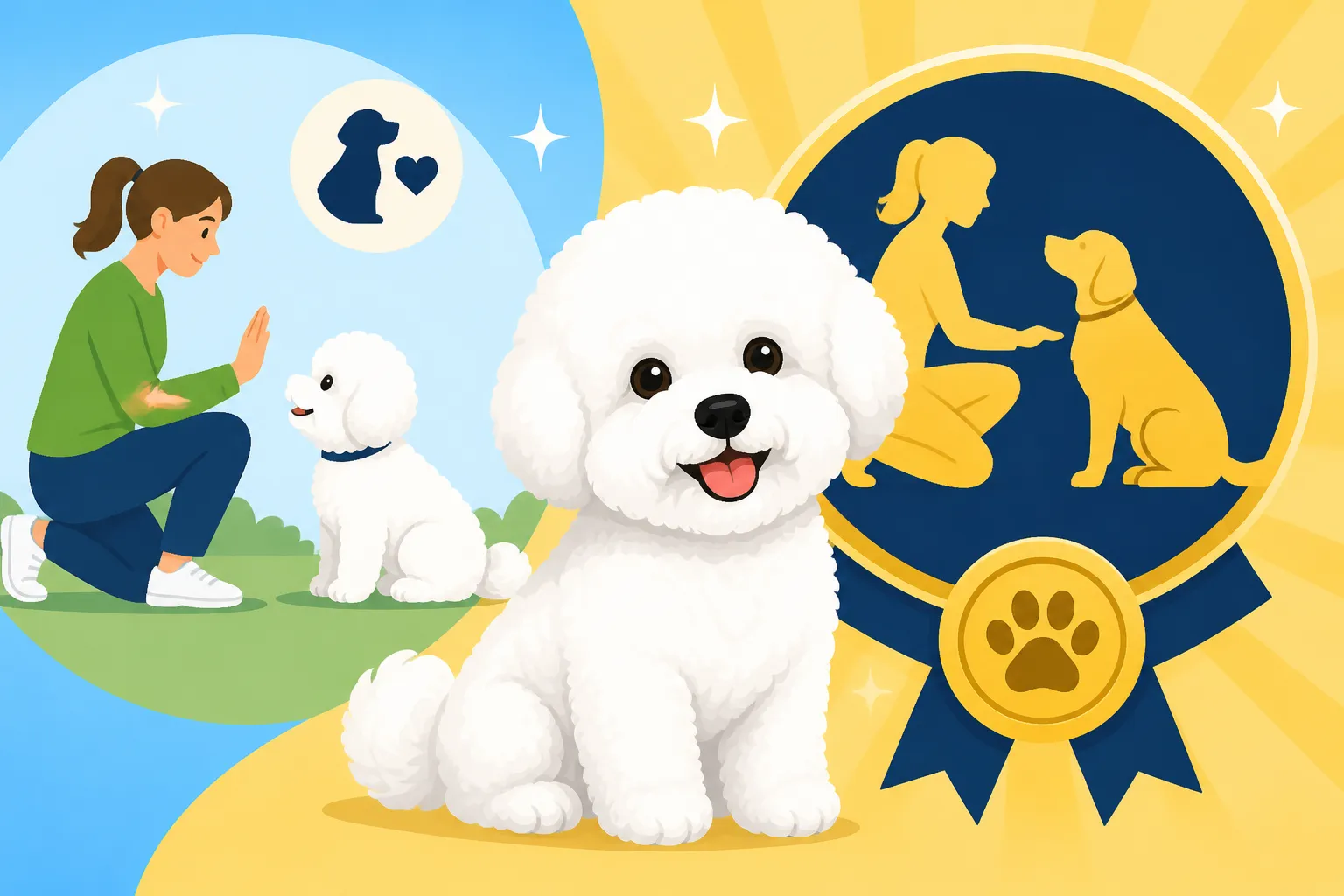
It's a common misconception that smaller dogs, especially our fluffy Bichon Frise companions, are just for cuddles and don't quite measure up to the "serious" training often associated with bigger breeds. But if you've ever wondered if your cheerful little cloud could earn a Canine Good Citizen (CGC) title, you're not alone, and the answer is a resounding yes! This guide will dive into what the CGC title means, why your Bichon is more than capable, and how to successfully prepare them for this rewarding achievement.
Understanding the Canine Good Citizen Title
The Canine Good Citizen program, often simply called CGC, is a certification program established by the American Kennel Club (AKC) to promote responsible dog ownership and to celebrate dogs who have been trained to be well-behaved members of the community. It's not about complex tricks or competitive obedience; it's about practical manners and a solid foundation of good behavior in everyday situations. Think of it as a diploma for polite pups.
What the CGC Test Entails
The CGC test consists of ten specific behaviors that demonstrate a dog's good manners and a responsible owner's commitment to training. These aren't just parlor tricks; they're essential skills for any dog living happily and harmoniously in human society. From greeting strangers politely to walking calmly on a leash, each item is designed to show that your dog is a welcome addition wherever they go.
The ten items are:
- Accepting a Friendly Stranger: Your dog should allow a stranger to approach and speak to you, exhibiting polite behavior without jumping or shyness.
- Sitting Politely for Petting: Your dog should allow a friendly stranger to pet them without jumping up, mouthing, or shying away.
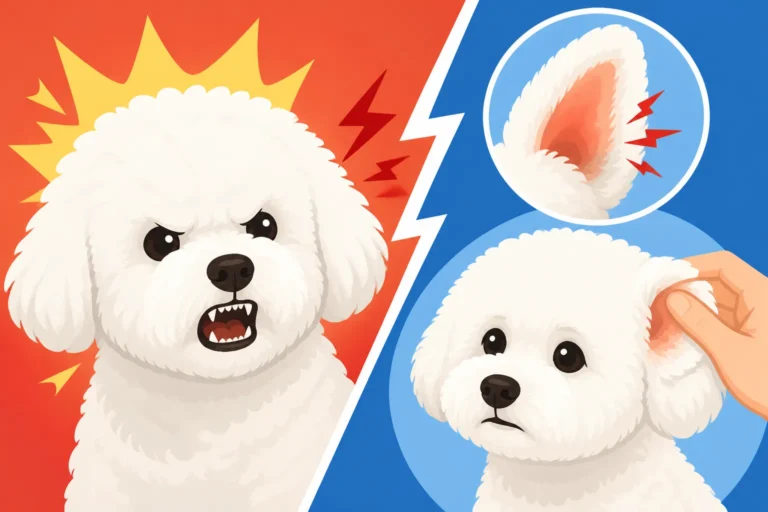
- Appearance and Grooming: The dog must allow someone (the evaluator) to check their ears and feet and brush them briefly, demonstrating they are comfortable with handling. This is particularly important for a Bichon Frise, whose extensive grooming needs mean they spend a lot of time being handled.
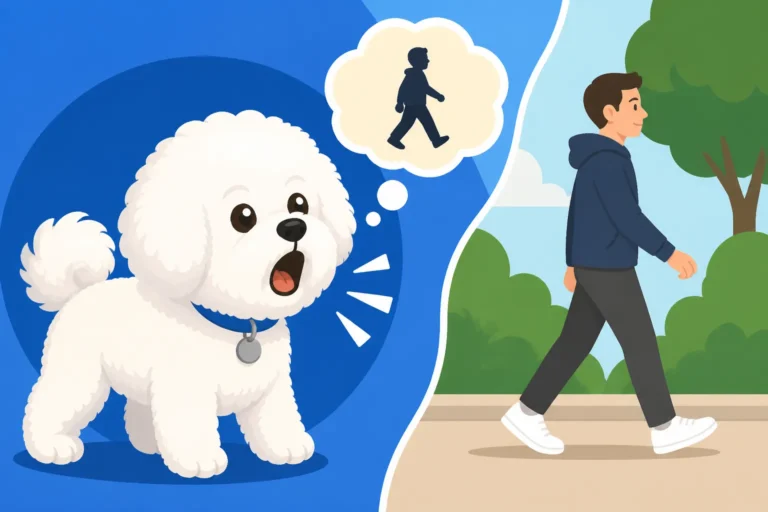
- Out for a Walk (Walking on a Loose Leash): Your dog should walk on a loose leash, without pulling, alongside you, making turns and stopping.
- Walking Through a Crowd: The dog and handler navigate a small group of people, demonstrating polite movement without becoming distracted or disruptive.
- Sit & Down on Command/Staying in Place: Your dog should perform a "sit" and a "down" on command and stay in position when asked, showing self-control.
- Coming When Called: A reliable recall is crucial for safety and control, and your dog will be tested on coming promptly when you call them.
- Reaction to Another Dog: Your dog should show polite, calm behavior when encountering another dog and handler team, without barking, lunging, or excessive excitement.
- Reactions to Distractions: This tests how your dog responds to sudden, common distractions (like a dropped object or a jogger) without fear or aggression.
- Supervised Separation: Your dog must tolerate being left alone with the evaluator for three minutes while you are out of sight, demonstrating confidence and self-control.
Why the CGC Matters for Bichon Frise Owners
Earning a CGC isn't just about a certificate; it's about building a stronger bond with your Bichon and ensuring they are a well-adjusted, confident dog. It opens doors to more opportunities for your pup, such as visiting pet-friendly establishments or even qualifying for therapy dog work down the line. Plus, it gives you immense pride to show off your Bichon's good manners! It proves that small dogs are not merely accessories but capable, intelligent companions. Many dog parks and even some apartment complexes look favorably upon CGC-certified dogs.
Why Your Bichon Frise is an Excellent Candidate for CGC
Despite their small stature and famously charming personalities, Bichon Frises possess many inherent qualities that make them fantastic candidates for the Canine Good Citizen program. Their intelligence, desire to please, and generally cheerful disposition are all huge assets in training.
Intelligence and Eagerness to Please
Bichons are smart cookies! They pick up new cues quickly, especially when motivated. While they can sometimes be perceived as stubborn, this often stems from a lack of consistent, positive reinforcement training rather than a true inability to learn. They thrive on attention and praise, and genuinely enjoy interacting with their human companions. This eagerness to please, when properly channeled, is a powerful motivator for learning the behaviors required for CGC. They respond well to reward-based training, making it a joyful experience for both of you.
Consider how quickly they learn routines or recognize specific words. This cognitive ability translates directly into trainability. You might be surprised at How Fast a Bichon Frise Learns a New Cue when you put your mind to it.
Adaptable and Sociable Nature
Bichons were bred to be companions, and this shows in their adaptable and sociable nature. They generally love meeting new people and other dogs, which is a big advantage for items like "Accepting a Friendly Stranger" and "Reaction to Another Dog." While some individuals might be a bit shy or overly enthusiastic, their foundational desire for positive interaction means these behaviors can be shaped with consistent exposure and training. Their merry temperament, as described in the breed standard, lends itself well to public politeness.
They’re often quite flexible with changes in environment, as long as they feel secure with their person. This adaptability helps them handle the varied locations where a CGC test might be held, such as a park or a community hall, rather than just their familiar home environment. This kind of flexibility is key to passing the distraction-heavy parts of the test.
Overcoming Common Bichon Frise Training Challenges for CGC
Even with their wonderful qualities, Bichons can present a few unique training challenges. Addressing these specific areas proactively will set your Bichon Frise up for success in the CGC program and make the training journey smoother.
Housetraining Hurdles
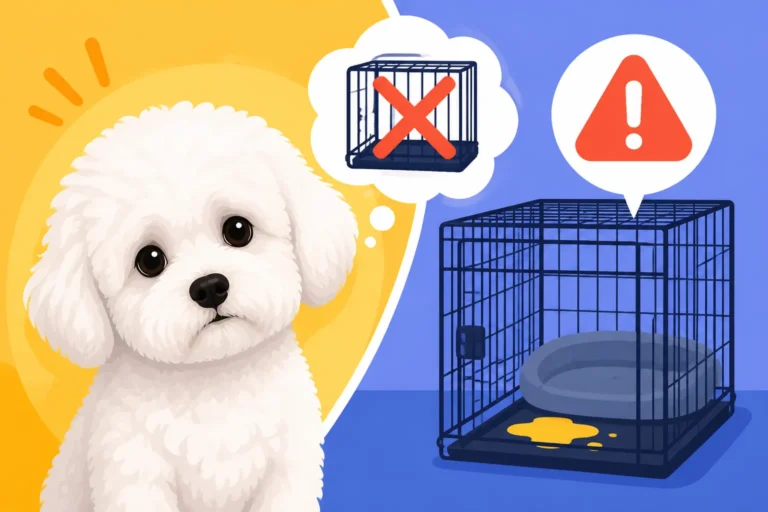
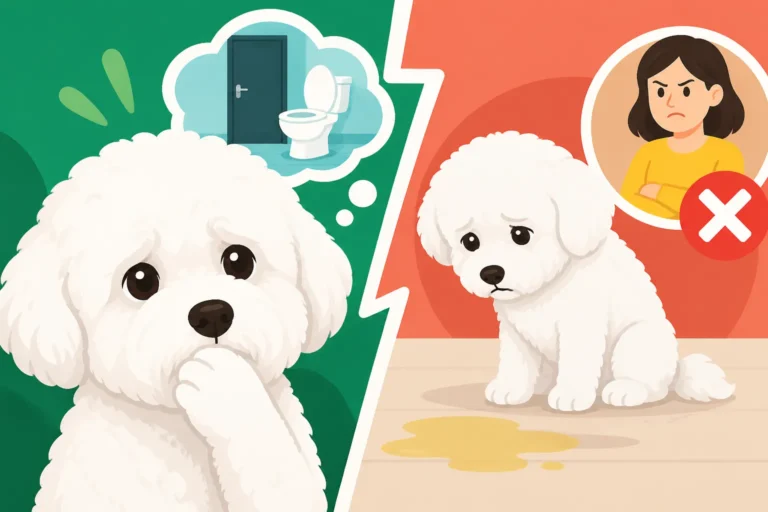
One of the most talked-about challenges with Bichons is housetraining. While not directly a CGC test item, a well-housetrained dog is a more confident and less stressed dog, which positively impacts all other training. Owners often lament that their Bichon is Whether Bichon Frises Really Are Hard to Housetrain. This can often be due to their smaller bladder capacity and a natural dislike for going out in inclement weather.
Solution: Consistency is absolutely key. Establish a strict toilet routine, taking your Bichon out frequently, especially after waking, eating, and playing. Celebrate every success like it's the best thing since sliced bread! Crate training can be incredibly effective, helping your dog learn to hold it for longer periods. If accidents persist, it's always wise to rule out any underlying medical issues, such as a urinary tract infection or even bladder stones, which Bichons are prone to. Sometimes, what looks like a training issue is actually a health problem.
Grooming Tolerance and Handling
Bichons require significant grooming to maintain their beautiful coat, and this can be a hurdle if they aren't accustomed to extensive handling from a young age. The CGC test includes an "Appearance and Grooming" component, where the evaluator will briefly check ears and feet and brush your dog. For a Bichon who squirms or protests, this can be a stumbling block.
Solution: Start early and make grooming a positive experience. Practice handling your Bichon's paws, ears, and mouth regularly, associating it with tasty treats and gentle praise. Use soft brushes and positive reinforcement. Even if you send your Bichon to a professional groomer, daily at-home desensitization to being touched and brushed is vital. Think of it as practice for the test, but also as a necessary part of their well-being. Getting your Bichon to Teaching a Bichon Frise to Stand for an Hour of Scissoring is a long-term goal, but starting with short, positive sessions for the CGC requirement is entirely achievable. Investing in good grooming tools, perhaps found easily on Amazon, and making the experience fun can go a long way.
Managing Barking and Distractions
Bichons can sometimes be quite vocal, especially when alerting you to visitors or reacting to things outside the window. While the CGC test won't penalize a single bark, excessive vocalization or an inability to focus amidst distractions can hinder success. Their natural merriness can sometimes translate into over-excitement, making tasks like "Walking Through a Crowd" or "Reactions to Distractions" more challenging.
Solution: Proactive training to manage barking and improve focus is essential. Teach a "quiet" cue by rewarding silence. Practice in increasingly distracting environments. Start in your quiet home, then move to a slightly busier park, gradually introducing more stimuli. High-value treats are your secret weapon here. For dogs who get easily excited or distracted, keeping training sessions Whether Short Sessions Suit a Bichon Frise and engaging is more effective. You can find excellent training treats and long-lasting chews to aid focus on platforms like Amazon.
Steps to Prepare Your Bichon Frise for the CGC Test
Preparing your Bichon Frise for the Canine Good Citizen test is a journey that strengthens your bond and enhances their polite behavior. It involves consistent training, exposure to various environments, and building confidence in both of you.
Foundation Training and Socialization
Before you even think about the specific CGC items, ensure your Bichon has a solid foundation in basic obedience and good socialization. This means teaching reliable "sit," "stay," "come," and "down" commands, along with leash manners. Early and positive socialization to different people, places, sounds, and other dogs is crucial. A well-socialized Bichon is less likely to be fearful or reactive during the test. For those needing a structured approach, online puppy and dog training programs, like those offered by BAXTER & Bella, can provide excellent guidance and curriculum for building these foundational skills, right from the comfort of your home.
Practicing Each Test Item
Once the foundation is strong, break down each of the ten CGC test items and practice them individually. Don't try to tackle everything at once. Focus on one or two items per training session, gradually increasing the difficulty and distractions.
Example scenarios for practice:
- Accepting a Friendly Stranger: Have friends or family members pretend to be the evaluator. They approach, greet you, and ignore your dog briefly, then greet your dog politely. Reward calm behavior.
- Walking on a Loose Leash: Practice walking in different areas – your neighborhood, a quiet park, and then gradually busier spots. Use a comfortable harness for better control and to protect your Bichon's delicate neck. For ideas, check out Whether a Bichon Frise Should Wear a Harness Not a Collar.
- Coming When Called: Start in a quiet, enclosed area. Make coming to you the most exciting thing in the world, with enthusiastic praise and high-value treats. Gradually introduce distractions.
Building Confidence with Controlled Exposure
The CGC test environment can be new and stimulating for your dog. Expose your Bichon to a variety of safe, controlled environments where they can practice their skills. This might include:
- Public Parks: Practice walking on a loose leash and encountering other dogs and people.
- Pet-Friendly Stores: Many stores welcome well-behaved dogs, offering opportunities to practice "Walking Through a Crowd" and "Sit Politely for Petting."
- Training Classes: Enrolling in a local obedience or CGC preparation class is invaluable. The structured environment and guidance from an instructor can help fine-tune behaviors and address specific challenges. It also provides a neutral ground to practice "Reaction to Another Dog" and "Supervised Separation."
Regular outings will help build your Bichon's confidence in new surroundings. Remember, What a Bichon Frise Will Work For is often praise and treats, so come prepared!
The Role of Consistency and Positive Reinforcement
Throughout the training process, consistency is your best friend. Everyone in the household should use the same commands and expectations. Positive reinforcement – rewarding desired behaviors with treats, praise, or toys – is far more effective for Bichons than punishment. They thrive on encouragement and will be more enthusiastic learners if training is a fun and rewarding experience. If you find yourself hitting a wall, remember that a qualified, positive reinforcement trainer can offer tailored advice and support.
Sample CGC Test Items & Bichon Frise Considerations
Here's a quick look at how a Bichon Frise typically fares with each CGC test item and where you might need to put in extra practice.
| CGC Test Item | Bichon Frise Natural Tendency | Training Focus Area |
|---|---|---|
| 1. Accepting a Friendly Stranger | Generally friendly, may jump if over-excited | Polite greetings, "four on the floor" rule, preventing jumping |
| 2. Sitting Politely for Petting | Loves attention, may lean in or attempt to lick | Maintain a calm sit, accept petting without excessive wiggling or mouthing |
| 3. Appearance and Grooming | Accustomed to handling (ears, feet), but can resist | Desensitize to unfamiliar hands, make grooming positive, practice brief checks |
| 4. Out for a Walk (Loose Leash) | Can pull if excited or distracted by smells | Consistent loose leash walking, focus exercises, using a comfortable harness |
| 5. Walking Through a Crowd | Sociable, but may seek attention from people | Maintain focus on handler, ignore distractions, walk politely alongside |
| 6. Sit & Down on Command/Stay | Learns quickly, can have short attention span | Build duration for "stay," practice in varied environments, use high-value rewards |
| 7. Coming When Called | Generally good, but can be distracted by smells | High-value rewards for recall, practice in increasingly distracting areas |
| 8. Reaction to Another Dog | Generally friendly, may bark or get over-excited | Calm greetings, "leave it" command, focus on handler when other dogs pass |
| 9. Reactions to Distractions | Can be startled by sudden noises/movements | Gradual exposure to various sounds/sights, reward calm curiosity, ignore startling things |
| 10. Supervised Separation | Can be prone to separation anxiety if not trained | Practice short, positive separations, build confidence being alone, crate training |
With dedication and positive reinforcement, your Bichon Frise can absolutely shine in the Canine Good Citizen program. It’s a wonderful way to showcase their intelligence and make them even more cherished members of your family and community.
Disclaimer
This article is for general informational purposes only and does not constitute professional advice. Laws, prices and regulations vary by location and change over time. Consult a qualified professional for guidance on your specific situation.