Whether a Bichon Frise Licks Its Paws Raw
It's incredibly frustrating, not to mention heartbreaking, when you see your sweet Bichon Frise constantly licking and chewing at their paws, sometimes to the point where they're red, inflamed, or even raw. This isn't just a quirky habit; it's a clear signal that something is bothering your furry friend, and it needs your attention. This comprehensive guide will walk you through the many reasons why your Bichon might be suffering from raw, irritated paws and, more importantly, what you can do to bring them relief.
Understanding Why Bichon Frises Lick Their Paws Raw
When you see your Bichon Frise incessantly licking, gnawing, or chewing at their paws, it's not simply an act of boredom or grooming. This behavior often stems from an underlying issue that causes discomfort or irritation. Ignoring it can lead to worse problems, so understanding the root cause is the first step toward helping your beloved companion.
The Instinct Behind Licking
Dogs, including our charming Bichons, naturally use their mouths and tongues to explore their world, groom themselves, and address minor irritations. A quick lick here and there is perfectly normal, a part of their self-care routine. They might lick their paws after a walk to clean them, or perhaps gently groom themselves when settling down for a nap. This kind of licking is usually brief, gentle, and doesn't cause any redness, swelling, or hair loss. It's just what dogs do to keep themselves tidy.
However, when this natural behavior escalates into prolonged, repetitive, or aggressive licking, it signals a problem. It becomes an obsessive act driven by discomfort rather than routine cleaning. Think of it like a persistent itch that you just can't scratch enough – for a dog, licking is their primary way to try and alleviate that sensation. They are attempting to soothe an irritation, reduce pain, or even clean away something that is bothering them deeply. The challenge for us as owners is figuring out exactly what is causing that intense need to lick.
When Licking Becomes a Problem
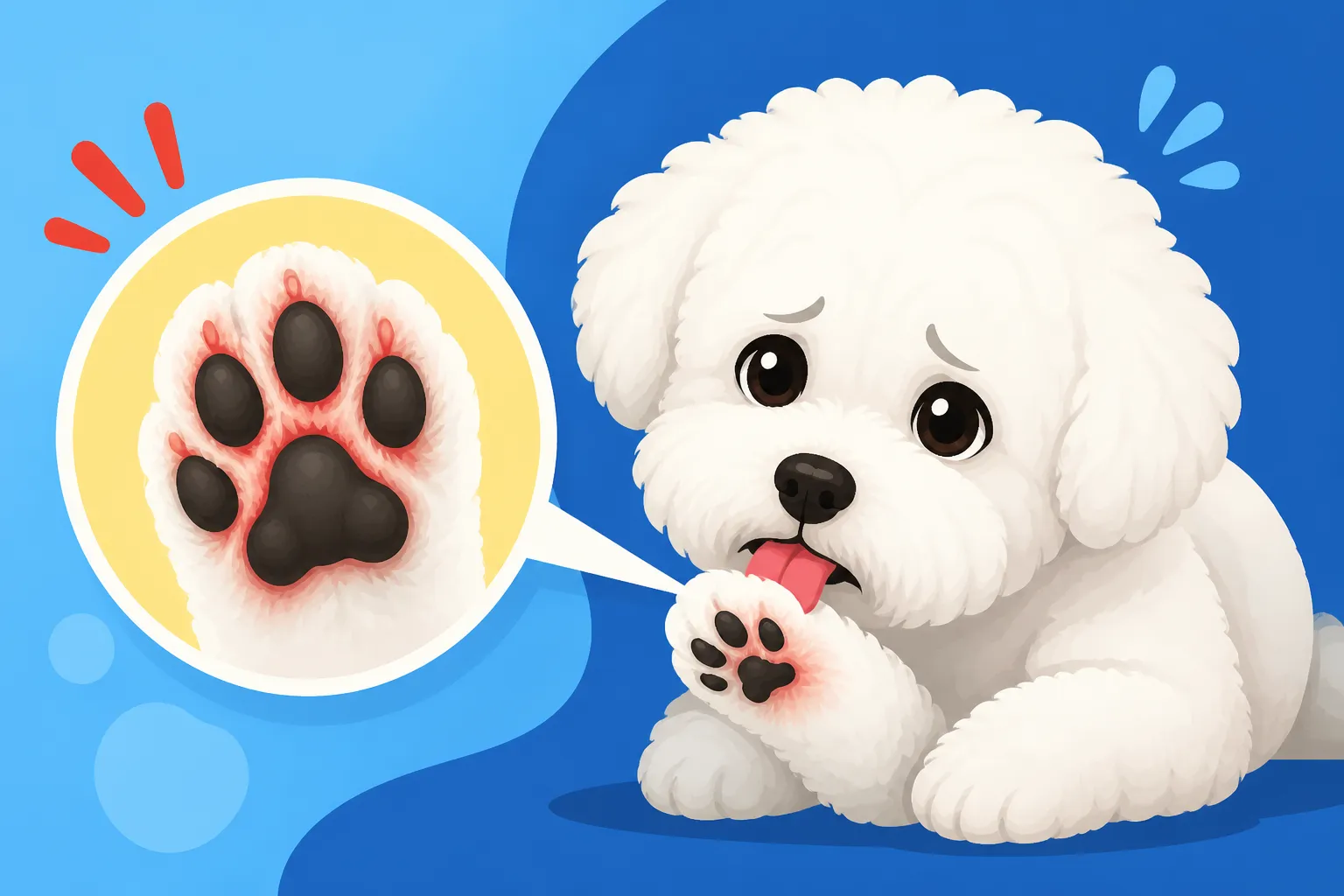
You'll know paw licking has crossed the line from normal grooming to a concerning issue when it starts to cause visible damage or significantly impacts your dog's daily life. If your Bichon's paws look red, inflamed, swollen, or you notice hair loss on the tops or bottoms of their feet, it’s a big red flag. The fur between their toes might become matted with saliva, or the skin itself could develop sores, scabs, or even open wounds. Sometimes, the skin can thicken and become discolored, often taking on a brownish or reddish hue, especially in white-coated breeds like Bichons, due to porphyrin staining in the saliva reacting with the fur.
Beyond the visible signs, pay attention to the frequency and intensity of the licking. Is your Bichon doing it so often that it interrupts their sleep, play, or eating? Do they seem restless, anxious, or unable to settle down because of the compulsion to lick? These are all indicators that the problem is significant and warrants a closer look. Chronic paw licking can open the door to secondary bacterial or yeast infections, creating a vicious cycle where the licking causes infection, which causes more itching, leading to more licking. It’s a miserable situation for any dog, and it certainly is for our sensitive Bichons.
Common Health Issues That Lead to Paw Licking
When a Bichon Frise is constantly licking their paws raw, often the culprit isn't simple boredom but a deeper medical issue. These can range from irritating environmental allergies to painful injuries or hidden infections. It's crucial to consult with your veterinarian to pinpoint the exact cause, as effective treatment hinges on an accurate diagnosis.
Allergies: The Usual Suspect
For Bichon Frise owners, allergies are often at the top of the list when it comes to persistent paw licking. Our fluffy companions are, unfortunately, quite prone to developing various types of allergies.
One of the most common is The Atopic Skin a Bichon Frise Is Born With, also known as atopic dermatitis. This is an inherited predisposition to develop environmental allergies, much like hay fever in humans. Dogs with atopy can react to common allergens such as pollen from trees, grasses, and weeds, dust mites, and even mold spores. When these allergens come into contact with their skin, especially on areas like their paws, belly, and face, it triggers an intense itch. Since their paws are constantly in contact with the ground and all the allergens that come with it, they become prime targets for this allergic reaction. A Bichon might lick its paws raw as an attempt to alleviate the deep, irritating itch caused by these environmental triggers.
Food allergies are another significant, albeit less common, cause. While often presenting with digestive upset, food allergies can manifest as skin irritation, including intense paw licking. Certain protein sources, like chicken, beef, dairy, or wheat, can trigger an allergic response. If your vet suspects a food allergy, they might recommend an elimination diet to identify the specific ingredient causing the problem. This involves feeding a novel protein or hydrolyzed protein diet for several weeks to see if the symptoms improve. You might find it useful to read about Whether a Bichon Frise's Itching Is Food or Pollen to help differentiate between these two common allergy types. The itching can be so relentless that your Bichon feels compelled to chew and lick until their paws are severely damaged.
Infections: Yeast, Bacteria, and Fungus
Even if the initial cause of licking is an allergy or irritation, the constant moisture and trauma from licking create a perfect breeding ground for secondary infections. These infections then add to the discomfort, creating a vicious cycle of itch-scratch (or itch-lick, in this case).
Yeast infections, primarily caused by Malassezia pachydermatis, are incredibly common in Bichons with moist, irritated skin, especially between their toes and in their ear canals. If your Bichon's paws smell like Fritos or stale corn chips, or if the skin looks reddish-brown and greasy, a yeast infection is very likely. This organism thrives in warm, damp environments, and constant paw licking provides just that. The yeast itself is incredibly itchy, driving your dog to lick even more, exacerbating the problem and often leading to thick, discolored skin. You might also notice your Bichon getting Recurrent Ear Infections in a Bichon Frise, as yeast often affects both areas simultaneously.
Bacterial infections, also known as pyoderma, can also take hold when the skin barrier is compromised by incessant licking. Small cuts, abrasions, or raw spots become entry points for common skin bacteria, often Staphylococcus. These infections can manifest as pustules, scabs, redness, and a general inflamed appearance. They are often painful as well as itchy, adding another layer of misery for your dog. Your veterinarian will likely need to prescribe antibiotics, either topical or oral, to clear up these secondary infections. A proper diagnosis, often involving skin scrapes or cytology, is essential to determine whether yeast, bacteria, or both are contributing to the issue.
Pain and Injury
Sometimes, the simplest explanation is the right one: your Bichon's paw licking might be directly related to pain or a physical injury. Unlike widespread itching from allergies, pain-related licking often targets a very specific spot on one or two paws.
Consider what might have happened during a walk or playtime. Your dog could have stepped on a thorn, a sharp piece of glass, or even a bee. A small cut or puncture wound, though difficult to spot in their thick fur, can cause intense localized pain that prompts continuous licking. A broken nail, a splinted pad, or even a strained toe joint can also be the source of discomfort. Overly long nails, for example, can put pressure on the nail bed, causing pain with every step and leading to licking.
Beyond acute injuries, chronic conditions like arthritis can also lead to paw licking. While arthritis usually affects larger joints, small breeds like Bichons can develop it in their paws or even have painful conditions like luxating patellas (slipping kneecaps) that alter their gait, putting unusual stress on their feet. Even something as subtle as a tiny cyst between the toes can be extremely bothersome. If your Bichon is suddenly favoring a paw, limping, or licking one paw far more than the others, a physical injury or localized pain should be investigated immediately by your vet. They might need to perform a thorough examination, including palpation and potentially X-rays, to rule out any musculoskeletal issues.
Environmental Triggers and Behavioral Causes
While health issues are primary drivers of paw licking, external factors in their environment and even their emotional state can significantly contribute to, or even solely cause, a Bichon Frise to lick their paws raw. It's a complex puzzle, and sometimes looking beyond the strictly medical helps complete the picture.
Irritants and Allergens in the Environment
Even without a diagnosed 'allergy,' a Bichon's delicate skin can react strongly to common environmental irritants. Think about what their paws come into contact with daily. Sidewalks treated with harsh de-icing salts in winter can be incredibly irritating and even burn paw pads. Cleaning chemicals used on floors, certain fertilizers or pesticides on lawns, or even rough terrain can cause direct irritation. Your Bichon might be licking to remove the offending substance or soothe the resulting sting.
Beyond chemical irritants, mechanical irritants like burrs, foxtails, or even tiny pebbles can get lodged between their toes, causing immense discomfort. Because Bichons have such fluffy feet, these foreign objects can be easily hidden, leading to prolonged, focused licking as they try to dislodge them. Regular paw checks and a good rinse after walks, especially if you live in an area with lots of outdoor debris, can go a long way in preventing this. Consider Whether a Bichon Frise's Paws Need Rinsing after walks, particularly during allergy season or after exposure to potentially irritating surfaces. Sometimes, a quick rinse can prevent a minor irritation from escalating into a raw, licked-up mess.
Anxiety and Boredom
It’s easy to jump to medical conclusions, but sometimes, a Bichon's obsessive paw licking stems from their emotional or mental state. These intelligent and sensitive little dogs thrive on companionship and stimulation.
Boredom can be a surprisingly powerful trigger. If your Bichon is left alone for long periods without adequate mental or physical enrichment, they might develop compulsive behaviors as a way to self-soothe or simply occupy themselves. Licking their paws can provide a tactile sensation and a temporary distraction from their under-stimulated environment. It's a bit like a person biting their nails when bored or nervous. Ensure your Bichon gets plenty of playtime, walks, and puzzle toys to keep their mind engaged. Even interactive toys that dispense treats can make a huge difference in breaking these habits.
Anxiety is another major player. Bichons can be prone to separation anxiety, generalized anxiety, or even fear-related anxiety from loud noises or unfamiliar situations. When stressed, dogs can displace their anxiety into repetitive behaviors. Paw licking releases endorphins, which can provide a temporary calming effect, thereby reinforcing the behavior. A Bichon that is anxious might lick their paws before you leave for work, during a thunderstorm, or even after a stressful vet visit. If you suspect anxiety is at play, observe when the licking occurs and consider strategies to reduce their stress, which could include behavioral training, creating a safe space, or, in severe cases, veterinary consultation for anxiety medication. Addressing the underlying stress is key to stopping the compulsive behavior.
Grooming-Related Issues
Our beautiful Bichons are famous for their cloud-like white coats, but this comes with significant grooming responsibilities. Neglecting proper paw grooming can inadvertently lead to painful paw licking.
Overgrown hair between the paw pads is a common issue. This excess fur can collect moisture, dirt, debris, and even tiny ice balls in winter, creating an uncomfortable and irritating environment. When this hair becomes matted, it can pull on the delicate skin between the pads, causing pain and making walking uncomfortable. A Bichon will instinctively try to lick and chew at these mats to relieve the discomfort, often making the problem worse by introducing moisture and bacteria. Regular trimming of the hair between the paw pads is essential to prevent this.
Furthermore, improper grooming, such as using harsh shampoos or not rinsing thoroughly, can leave behind residue that irritates their sensitive skin. Even dull clippers or accidental nicks during home grooming can create a minor injury that your Bichon then licks obsessively. It’s vital to use gentle, dog-specific shampoos, like Which Shampoo Suits an Itchy Bichon Frise, and ensure a complete rinse to prevent any residue buildup. If you’re not confident with paw grooming, a professional groomer can keep their paw pads tidy and prevent many of these irritation issues. Regular grooming isn’t just about looking good; it's a vital part of preventative health for a Bichon Frise.
| Common Causes of Paw Licking | Key Signs to Look For | Potential Solutions |
|---|---|---|
| Allergies | Redness, itching all over, chewing, skin discoloration (pink/brown), seasonal patterns | Allergy medication, hypoallergenic diet, environmental control, regular paw cleaning |
| Infections (Yeast/Bacterial) | Yeasty smell (Fritos), greasy or discolored skin, pustules, scabs, severe redness | Antifungal/antibacterial medication (topical/oral), medicated shampoos, regular cleaning |
| Pain/Injury | Limping, favoring one paw, sudden onset of licking, visible cuts, thorns, swollen area | Vet exam, wound care, pain medication, foreign object removal, rest |
| Environmental Irritants | Licking after outdoor exposure, visible debris, dry/cracked pads, redness | Booties, thorough paw rinsing, avoiding irritants, paw balm |
| Anxiety/Boredom | Licking when alone, during storms, restless behavior, no physical signs of irritation | Increased mental/physical exercise, enrichment toys, behavioral training, anti-anxiety aids |
| Grooming Issues | Matted hair between pads, overgrown nails, post-grooming irritation | Regular professional grooming, proper home grooming tools, gentle shampoos |
Effective Strategies to Stop Paw Licking
Bringing relief to your Bichon Frise from incessant paw licking requires a multi-pronged approach. It’s rarely a quick fix and often involves working closely with your veterinarian, making changes at home, and sometimes, long-term management.
Working with Your Veterinarian
The very first step, and arguably the most crucial, is to get a professional veterinary diagnosis. Because paw licking can stem from so many different causes—allergies, infections, pain, anxiety—self-diagnosing can lead to ineffective treatments and prolonged suffering for your dog. Your vet will conduct a thorough physical examination, paying close attention to the paws, skin, ears, and overall health.
They might perform diagnostic tests such as:
- Skin Cytology: Taking a swab or impression from the affected area to examine under a microscope for yeast or bacteria. This is a quick and non-invasive way to identify common infections.
- Skin Scrapes: Looking for microscopic parasites like mites, which can cause intense itching.
- Fungal Cultures: If ringworm is suspected, a culture can confirm it.
- Blood Tests: To check for underlying systemic issues or to assess general health.
- X-rays: If an injury or arthritis is suspected, X-rays can help visualize bone and joint problems.
Based on the diagnosis, your vet will recommend a tailored treatment plan. This could involve antibiotics or antifungals for infections, anti-inflammatory medications or pain relievers for injuries, or specific allergy management strategies. For allergies, this might include prescription medications like Apoquel or Cytopoint, or even a referral to a veterinary dermatologist for advanced testing and immunotherapy. Be prepared for follow-up visits, as managing chronic conditions often requires adjustments to treatment over time. Early and accurate diagnosis is key to providing your Bichon with lasting comfort.
At-Home Management and Prevention
Beyond veterinary care, there's a lot you can do at home to manage and prevent paw licking. These strategies complement medical treatments and create a more comfortable environment for your Bichon.
Maintain Excellent Paw Hygiene: Regularly check your Bichon’s paws for any foreign objects like thorns, burrs, or small pieces of debris, especially after walks. Trim the hair between their paw pads regularly to prevent matting and moisture retention. Keep their nails trimmed short to avoid discomfort. If your Bichon is prone to allergies or has sensitive skin, consider giving them regular medicated baths to control infections, using a veterinarian-recommended shampoo. Always ensure you rinse thoroughly, as shampoo residue can be irritating.
Protect Their Paws: During walks, especially in areas with potential irritants like salted sidewalks in winter or chemically treated lawns, consider using dog booties. These provide a physical barrier and protect sensitive paw pads. After outdoor excursions, simply wiping down or rinsing your Bichon’s paws can remove allergens and irritants before they have a chance to cause a reaction.
Address Boredom and Anxiety: Ensure your Bichon gets adequate mental and physical exercise daily. Regular walks, interactive playtime, and puzzle toys can help alleviate boredom. If anxiety is a factor, create a calm environment for them, provide a safe den, and consider using calming aids like pheromone diffusers. Sometimes, consulting with a professional dog trainer or behaviorist can offer tailored strategies for managing anxiety-related licking. For Bichons with seasonal allergies, keeping them indoors during peak pollen times and using air purifiers can also make a difference.
Considering Pet Insurance
The unfortunate reality of chronic health issues like severe allergies, recurrent infections, or unforeseen injuries that lead to raw paws is that they can quickly become expensive. Multiple vet visits, diagnostic tests, specialized medications, and potentially ongoing treatments can really add up. This is where pet insurance can be a real lifesaver for your budget and peace of mind.
A good pet insurance policy, such as one from Healthy Paws, can help cover a significant portion of these veterinary costs. When you're dealing with a condition that might require lifelong management, like atopic dermatitis or recurrent yeast infections, knowing that you have financial support can ease the burden and allow you to make the best treatment decisions for your Bichon without undue stress about the cost. For instance, if your vet recommends immunotherapy for severe allergies, which can be pricey, having pet insurance can make that critical treatment more accessible.
It's important to understand the specifics of your policy, including deductibles, reimbursement rates, and any exclusions for pre-existing conditions. Most policies, like those from Healthy Paws, won't cover conditions diagnosed before the policy starts or during a waiting period. Therefore, enrolling your Bichon Frise when they are young and healthy is usually the best strategy. This way, if they develop allergies or other chronic issues later in life that cause paw licking, these conditions will typically be covered. Pet insurance essentially provides a financial safety net, allowing you to focus on your Bichon's health rather than worrying about the unexpected bills that often come with persistent paw problems.
Disclaimer
This article is for general informational purposes only and does not constitute professional advice. Laws, prices and regulations vary by location and change over time. Consult a qualified professional for guidance on your specific situation.