Whether Stairs Damage a Bichon Frise’s Knees
It’s a common worry for Bichon Frise parents: those tiny, springy legs bounding up and down the stairs. You watch them, heart in your mouth, wondering if each jump or descent is doing more harm than good to their delicate knees. This guide will explore exactly how stairs can impact your Bichon Frise's joint health, focusing on common predispositions and offering actionable steps to safeguard their precious mobility for years to come.
Understanding Patellar Luxation in Bichon Frises
One of the most significant concerns for Bichon Frise owners regarding joint health is patellar luxation, or "slipping kneecaps." This condition is unfortunately common in small breeds like our beloved Bichons, and understanding it is the first step to protecting your furry friend.
What Exactly Is a Slipping Kneecap?
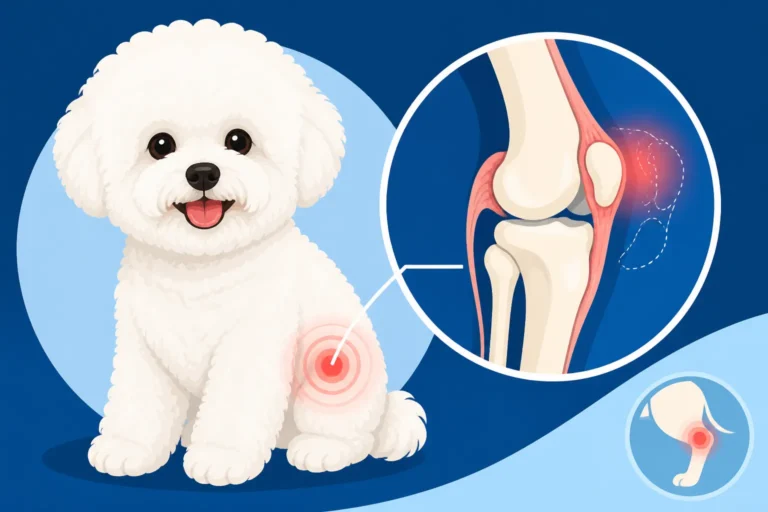
Imagine your kneecap, or patella, as a small bone that sits in a groove at the end of the thigh bone (femur). When the leg moves, the patella should glide smoothly up and down this groove. In a dog with patellar luxation, this kneecap occasionally, or even constantly, slips out of that groove. It can slip to the inside (medial luxation, which is most common in Bichons) or, less frequently, to the outside (lateral luxation) of the leg. This slipping can cause pain, lameness, and a characteristic "skip" in their step that often looks like they're briefly holding one leg up. If you've ever seen your Bichon take a sudden hop or yelp when walking, it might be a sign that their knee has briefly slipped out of place. This "skip" is often the first obvious symptom that owners notice. You can learn more about The Skip That Means a Bichon Frise's Knee Has Gone to help identify this particular movement.
This condition is primarily genetic, meaning Bichons are often born with anatomical abnormalities that predispose them to it. These might include a shallow femoral groove, a misplaced patellar ligament, or slight deformities in the leg bones themselves. While some dogs might show signs early, for others, it might not become apparent until they are older or after an injury.
The Grading System for Patellar Luxation
Vets use a grading system to describe the severity of patellar luxation, from Grade 1 to Grade 4. This helps determine the best course of action and the long-term prognosis for your dog.
- Grade 1: The kneecap can be manually luxated (pushed out of place) but immediately returns to its normal position. Your dog might show no clinical signs, or only occasionally skip a step.
- Grade 2: The kneecap luxates spontaneously (slips out on its own) and remains luxated until the leg is extended or the dog takes a few steps. You'll likely notice more frequent skipping or lameness. This is often the stage where owners become seriously concerned.
- Grade 3: The kneecap is luxated most of the time but can be manually returned to its normal position. It will immediately luxate again once the manual pressure is released. Dogs with Grade 3 luxation usually have a persistent limp and may develop arthritis over time.
- Grade 4: The kneecap is permanently luxated and cannot be manually returned to its normal position. This is the most severe grade, often involving significant skeletal deformities, and can lead to severe lameness and discomfort. Dogs with Grade 4 luxation often walk with a crouched gait.
Understanding these grades is crucial because they directly influence how stairs, and daily activity in general, impact your dog. A dog with a higher grade luxation will be much more vulnerable to further injury and discomfort from activities that stress the knee joint. For many Bichon Frises, unfortunately, this condition can even affect Whether Both of a Bichon Frise's Knees Go, meaning both hind legs could be compromised.
How Stairs Exacerbate Knee Problems
While patellar luxation is often inherited, environmental factors and activities can certainly worsen the condition or contribute to injuries. Stairs are high on that list for small breeds like the Bichon Frise due to their unique anatomy and how they navigate these obstacles.
The Repetitive Stress Factor
Think about the mechanics of a small dog going up and down stairs. Each step, particularly the downward motion, puts significant stress on their knee joints. For a tiny Bichon, what looks like a small step to us is a considerable jump for them, requiring a powerful push-off or a jarring landing. This repetitive motion, day in and day out, can gradually wear down cartilage, strain ligaments, and irritate an already unstable kneecap.
Dogs with even a mild, unnoticeable Grade 1 luxation can find this constant stress pushes their kneecap to slip more frequently, slowly progressing the condition. For a dog already struggling with Slipping Kneecaps in a Bichon Frise, every stair climb becomes a risk of pain or further displacement. Imagine trying to walk down a steep flight of stairs if your knee occasionally locked up – that’s akin to what some Bichons experience. It's not just the height, but the angle and the uneven surface that contribute to this repetitive stress.
The Dangers of Jumping Off Stairs
Perhaps even more damaging than climbing is the act of jumping down stairs. Bichon Frises, with their zest for life and often boundless energy (known as the "Bichon Blitz"), might launch themselves down several steps at once, especially if they're excited to greet someone or chase a toy. This impact landing can be incredibly harsh on their small joints.
When a Bichon jumps down, the force of their landing is absorbed primarily by their front legs, but their hind legs also bear a substantial amount of stress upon impact and twisting motions. This sudden jolt can forcefully dislodge a patella that might otherwise stay in place. Over time, these impacts can lead to acute injuries, ligament tears, or significantly worsen pre-existing luxation. It’s a common scenario for owners to report that their dog seemed fine until a specific incident involving a jump or fall. We often advise pet parents about Whether a Bichon Frise Should Jump Off Furniture for similar reasons – impacts are a big no-no for these delicate joints.
Other Environmental Factors to Consider
Beyond stairs, other household elements can inadvertently contribute to knee issues. Slippery floors, for instance, can cause a Bichon to splay out their legs, putting unnatural strain on their hips and knees as they try to gain traction. This is why addressing Whether Slippery Floors Hurt a Bichon Frise is just as important as managing stair access. Similarly, obesity adds extra weight and pressure to all joints, including the knees, making them more susceptible to injury and worsening existing conditions. Ensuring your Bichon maintains a healthy weight is a critical preventative measure.
Protecting Your Bichon Frise's Knees
While you can't change your Bichon Frise's genetics, there's a lot you can do as a responsible owner to minimize the impact of stairs and other environmental factors on their knee health. Proactive measures can make a significant difference in preventing or slowing the progression of patellar luxation.
Limiting Stair Access and Providing Alternatives
The most direct way to prevent stair-related damage is to limit their use, especially for puppies and older dogs, or those already diagnosed with luxation.
- Physical Barriers: Use baby gates to block access to stairs, particularly when you can't supervise your dog directly. This is especially crucial at night or when you leave the house. Consistency is key; if stairs are sometimes accessible, your Bichon won't understand why they can't always use them.
- Pet Ramps and Steps: Invest in high-quality pet ramps or steps designed for small dogs. Place them beside couches, beds, and even up to a few stairs if you have a short flight. Teach your Bichon how to use them with positive reinforcement and tasty treats. This allows them to access elevated areas safely without jumping or straining. This is also useful for preventing impacts from Whether a Bichon Frise Should Jump Off Furniture.
- Carrying Your Bichon: For short flights of stairs, simply carrying your Bichon can be the safest option. While they might resist at first, teaching them to be carried up and down stairs from a young age can be beneficial. Just ensure you're supporting their body properly, especially their hindquarters, to avoid accidental drops or twists.
Maintaining Optimal Weight and Muscle Tone
A healthy weight is paramount for joint health in any dog, but especially for breeds prone to conditions like patellar luxation. Every extra pound puts additional strain on those small knee joints, accelerating wear and tear and increasing the likelihood of luxation.
- Balanced Diet: Feed your Bichon a high-quality, balanced diet appropriate for their age, activity level, and any specific health needs. Avoid overfeeding and limit treats, or choose low-calorie options. Discuss your dog's ideal weight with your vet.
- Regular, Appropriate Exercise: While over-exercising or high-impact activities should be avoided, consistent, moderate exercise is vital for building and maintaining strong muscles around the knee joint. Strong quadriceps and hamstring muscles can help stabilize the patella. Short, frequent walks on flat, even surfaces are ideal. Avoid strenuous activities like long hikes on uneven terrain, intense fetch sessions with sudden stops and starts, or jumping sports, especially if your Bichon has any degree of luxation. Activities like swimming can be excellent as they provide low-impact muscle building.
- Consult Your Vet for Exercise Plans: Before starting any new exercise regimen, particularly if your Bichon has a diagnosed knee issue, consult your veterinarian or a certified canine physical therapist. They can recommend specific exercises and routines tailored to your dog's needs, helping to strengthen supporting muscles without putting undue stress on the joints.
Supportive Supplements and Regular Vet Care
Supplements and consistent veterinary oversight also play a crucial role in managing and preventing knee issues.
- Joint Supplements: Many owners find that joint supplements containing ingredients like glucosamine, chondroitin, and MSM can support cartilage health and reduce inflammation. Omega-3 fatty acids are also beneficial for their anti-inflammatory properties. Always talk to your vet before starting any supplements, as they can recommend the best products and dosages for your individual Bichon. You can read more about Whether Joint Supplements Help a Bichon Frise.
- Routine Veterinary Check-ups: Regular veterinary examinations are essential. Your vet can monitor your Bichon's gait, palpate their knees for any signs of instability, and assess their overall joint health. Early detection of patellar luxation or other orthopedic issues allows for earlier intervention, potentially delaying or mitigating more severe problems. Your vet can also advise you on preventative care, including appropriate exercise levels and dietary recommendations.
- Considering Pet Insurance: Given the genetic predisposition to conditions like patellar luxation in Bichon Frises, considering pet insurance like Healthy Paws from a young age can be a wise financial decision. If your Bichon ever needs surgery for a luxating patella, the costs can be substantial, and having a good policy in place before any symptoms appear can provide invaluable peace of mind. Many owners find that insuring their Bichon Frise from eight weeks, before any pre-existing conditions can be noted, offers the best coverage.
When to Seek Veterinary Attention
It's natural to worry about your Bichon Frise's health, and knee issues can be particularly concerning because they affect mobility and quality of life. Knowing when to simply monitor and when to get professional help is crucial.
Recognizing the Signs of Trouble
Bichon Frises are generally good at hiding pain, but there are several signs that should prompt a call to your veterinarian regarding their knees.
- Intermittent Lameness or Skipping: This is the classic sign. You might notice your Bichon taking a few steps, suddenly holding up a hind leg for a step or two, then putting it back down as if nothing happened. This "skip" can be subtle at first, becoming more frequent as the condition progresses.
- Reluctance to Jump or Play: If your usually playful Bichon starts hesitating before jumping onto the couch, into the car, or avoids playing games they once loved, it could indicate discomfort in their knees. They might also show reluctance to climb stairs, or seem unusually slow doing so.
- Pain Response: Sometimes, you might notice a yelp or a whimper if their kneecap slips while they're walking or moving. If you gently touch or try to manipulate their knee and they react with pain, that's a clear signal to see the vet.
- Changes in Gait: Observe their walking pattern. Are they walking with a crouched stance? Is one leg consistently held out to the side? Do their hips seem unusually swayed? These can all be indicators of underlying joint pain.
- Swelling or Heat: While not as common with patellar luxation itself, any swelling or warmth around the knee joint could indicate inflammation or another injury, and warrants immediate veterinary attention.
- Loss of Muscle Mass: Over time, if a leg is painful or used less, the muscles in that leg can begin to atrophy, appearing thinner than the other. This can be a subtle but important sign of chronic discomfort.
Don't wait if you notice these signs. Early diagnosis of conditions like The Age a Bichon Frise's Kneecap First Slips can allow for proactive management and better long-term outcomes.
Diagnostic Steps and Treatment Options
When you bring your Bichon to the vet with concerns about their knees, they will perform a thorough orthopedic examination. This usually involves:
- Palpation: The vet will carefully feel your dog's knees, gently flexing and extending the joint, attempting to manually luxate the patella to assess its stability and grade any luxation present.
- Gait Analysis: They will observe your dog walking to identify any lameness, skipping, or abnormal movements.
- X-rays: Radiographs are often taken to evaluate the bone structure of the hind legs, assess the depth of the femoral groove, check for signs of arthritis, and rule out other orthopedic conditions like Legg-Calve-Perthes disease or hip dysplasia.
- Consultation with an Orthopedic Specialist: In more complex cases, your primary veterinarian might recommend a referral to a board-certified veterinary orthopedic surgeon for further evaluation and specialized imaging.
Depending on the grade of luxation and your dog's symptoms, treatment options vary.
- Conservative Management: For Grade 1 and sometimes Grade 2 luxations that cause minimal or intermittent symptoms, conservative management is often recommended. This involves strict weight management, controlled exercise, physical therapy, and joint supplements. Pain medication or anti-inflammatory drugs may be prescribed during painful flare-ups. This approach aims to strengthen the muscles supporting the knee and manage pain without surgery.
- Surgical Correction: For Grade 2 luxations causing persistent lameness, and typically for Grade 3 and 4 luxations, surgery is often the best course of action to prevent further damage and improve quality of life. The type of surgery depends on the specific anatomical issues causing the luxation. Common surgical techniques include deepening the femoral groove (trochleoplasty), realigning the patellar ligament (tibial crest transposition), or tightening/loosening surrounding joint capsules. Your vet will discuss Which Patella Grade Needs Surgery in a Bichon Frise and the specifics of the procedure with you. While surgery can be daunting, it often provides excellent results. Recovery involves a period of restricted activity and physical rehabilitation.
Pet insurance providers like Healthy Paws can be incredibly helpful here, as they typically cover eligible surgeries and related rehabilitation costs for accidental injuries or illnesses, provided the condition isn't pre-existing. It's a lifesaver for many families facing significant vet bills for conditions that require advanced intervention.
| Patellar Luxation Grade | Typical Symptoms | Treatment Approach (General) | Prognosis (Post-Treatment) |
|---|---|---|---|
| Grade 1 | Occasional skip, often asymptomatic | Conservative (weight, exercise, meds) | Good, minimal intervention often needed |
| Grade 2 | More frequent skipping, intermittent lameness | Conservative, potentially surgical | Good with proper management/surgery |
| Grade 3 | Consistent lameness, kneecap often out | Surgical correction highly recommended | Good to excellent with surgery |
| Grade 4 | Persistent lameness, severe deformity | Surgical correction essential | Guarded, more complex surgery, variable |
Remember, your Bichon Frise relies on you to advocate for their health. Being vigilant, understanding their predispositions, and working closely with your veterinarian are the best ways to ensure they live a long, happy, and pain-free life.
Disclaimer
The information provided in this article is for general informational purposes only and is not a substitute for professional veterinary advice. Always consult with a qualified veterinarian for any health concerns or before making any decisions about your pet's health or treatment plan.