The Age Atopic Dermatitis Starts in a Bichon Frise
It's incredibly disheartening to watch your beloved Bichon Frise incessantly scratch, lick, and rub, often leaving their delicate skin red and irritated. This persistent itch, which can sometimes appear seemingly out of nowhere, is a classic sign of atopic dermatitis, a common and often frustrating condition for many Bichon owners. Understanding when this genetic skin issue typically begins can help you identify the problem early and get your furry friend the relief they desperately need. This guide will walk you through the usual age of onset, the tell-tale signs, and how to approach diagnosis and management.
Understanding Atopic Dermatitis in Bichon Frises
When we talk about atopic dermatitis in Bichon Frises, we're delving into a topic that touches many hearts and causes a lot of worry for pet parents. It’s more than just a passing itch; it’s a chronic, often lifelong, battle for comfort that stems from deep within their genetic makeup.
What Atopic Dermatitis Actually Is
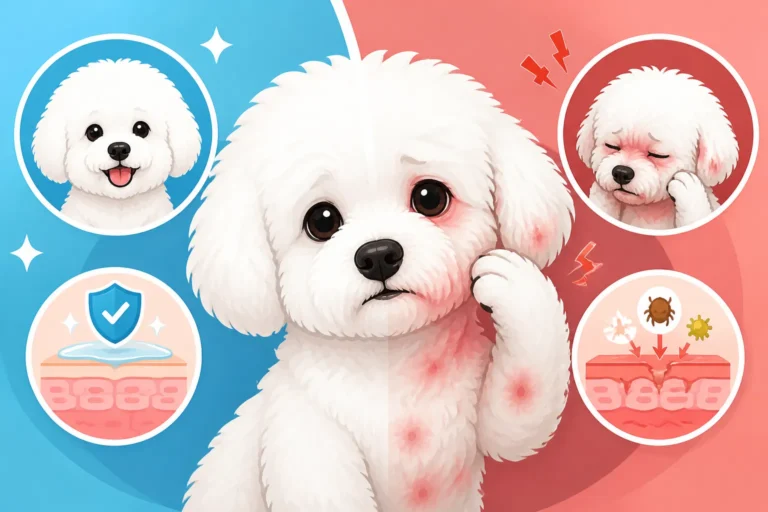
Atopic dermatitis is essentially a chronic, inflammatory skin disease that causes intense itching, redness, and discomfort. Think of it as your dog's immune system overreacting to common, otherwise harmless, environmental allergens. These aren't necessarily things they eat, but rather substances floating around in the air or found in their immediate environment, such as pollens from trees, grasses, and weeds, dust mites that live in our homes, or even molds. Unlike a sudden allergic reaction, atopy is a persistent, underlying sensitivity that can wax and wane.
For a Bichon Frise, this means their skin can become a battleground. Their immune system mistakenly identifies these everyday allergens as threats, launching an inflammatory response that primarily manifests on the skin. This leads to that relentless itching, which can be truly distressing to witness. It's crucial to understand that this isn't a problem of poor hygiene or a simple rash; it's a complex, inherited condition that requires careful, ongoing management. When left unchecked, this inflammation can break down the skin barrier, making them even more susceptible to secondary infections, which only compounds the problem and intensifies the misery for your little cloud of fluff.
Why Bichon Frises Are So Prone
It's a sad truth that certain breeds, and our lovely Bichon Frises are definitely among them, have a genetic predisposition to developing atopic dermatitis. It's almost as if their DNA contains a blueprint for a faulty skin barrier and an overzealous immune system. This inherited susceptibility means that while not every Bichon will develop atopy, they are significantly more likely to than many other breeds. It’s part of "The Atopic Skin a Bichon Frise Is Born With", making early awareness for owners incredibly important.
This genetic vulnerability often manifests as a compromised skin barrier. Imagine your skin as a protective wall; in Bichons with atopy, this wall might have tiny cracks and weaknesses, allowing allergens to penetrate more easily and trigger that immune response. This makes them more sensitive to environmental triggers that other dogs might brush off without a second thought. This inherent flaw also explains why they often suffer from issues like recurrent ear infections, which are often just another manifestation of their underlying allergic skin disease. The ears are simply another part of the skin, and when the skin barrier is weak and inflamed, it creates a perfect breeding ground for yeast and bacteria, leading to those frustrating, endless ear issues.
The Difference Between Atopy and Other Allergies
It’s easy to lump all skin issues under the umbrella of "allergies," but there are critical distinctions, especially when it comes to atopic dermatitis. The primary difference lies in the source of the allergen and how the body reacts. Atopic dermatitis is overwhelmingly triggered by environmental allergens – things your Bichon inhales or absorbs through their skin, like pollen, dust mites, or mold spores. This means it often has seasonal patterns or is persistent if indoor allergens are the culprits.
In contrast, food allergies, while they can also cause skin symptoms (and even overlap with atopy), typically involve an adverse reaction to a protein source in their diet. With food allergies, you might see more gastrointestinal signs alongside the itching, like vomiting or diarrhea, though skin issues are often the primary complaint. Another type, contact dermatitis, happens when the skin directly touches an irritating substance, like certain cleaning products or plants. For Bichons, atopic dermatitis is far more common than true contact dermatitis, which is rarer. Understanding this distinction is vital because the diagnostic approach and treatment plan will vary significantly depending on the type of allergy. Your vet will need to perform a thorough examination and potentially undertake diagnostic tests to pinpoint the exact cause of your Bichon's itching, ruling out other possibilities like fleas or mites before confirming atopy. This methodical approach is key to finding the right solution, as trying to treat an environmental allergy with a food trial, for example, will just lead to continued frustration.
The Typical Onset Age of Atopic Dermatitis in Bichon Frises
One of the most common questions from concerned owners is, "When does this usually start?" It's a valid query, as understanding the typical timeline can help you prepare and recognize the signs early.
When Symptoms Usually Begin to Show
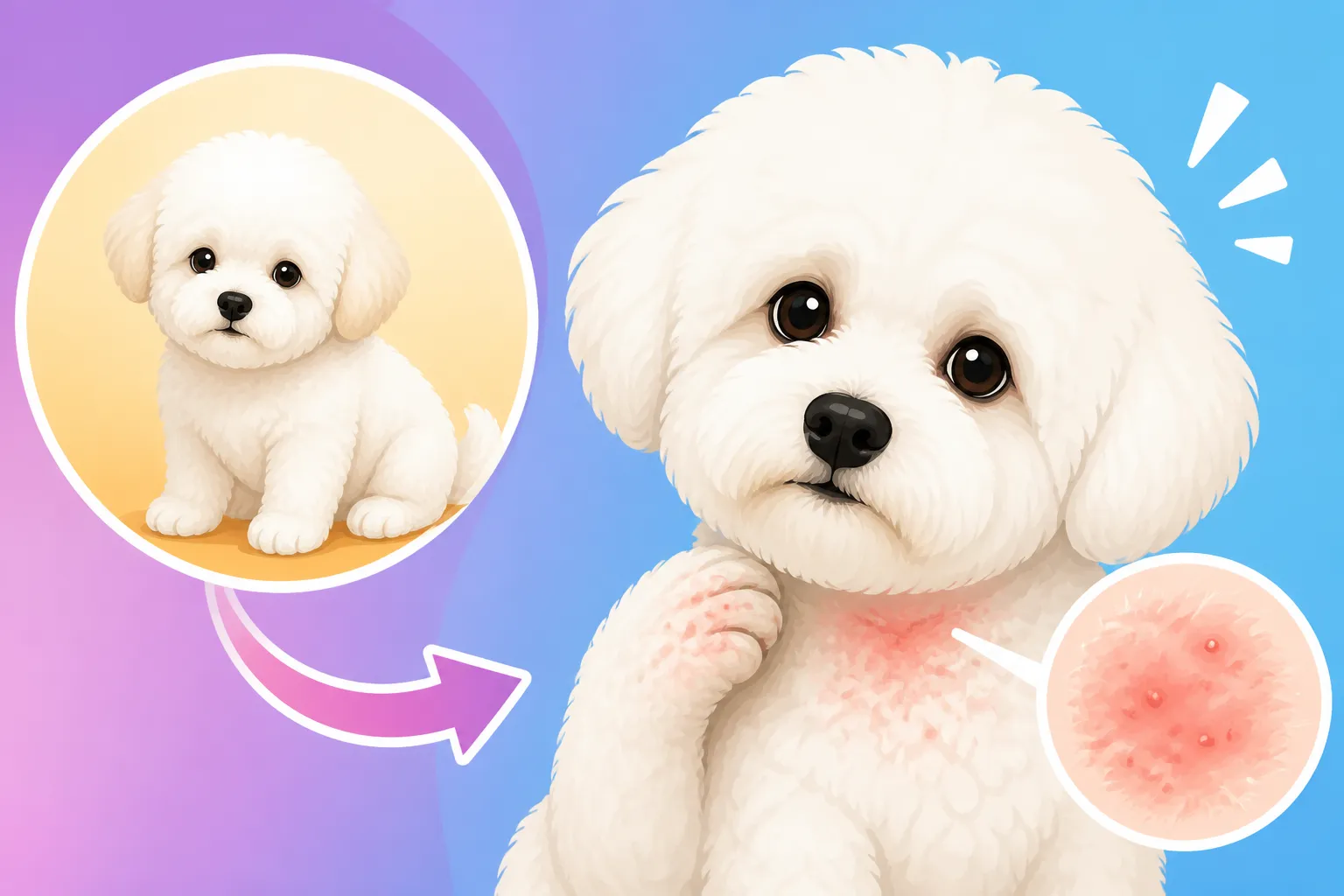
For most Bichon Frises genetically predisposed to atopic dermatitis, symptoms don't usually appear right out of the puppy gate. It's a condition that typically develops with time and repeated exposure to allergens. You'll often start to notice the tell-tale signs when your Bichon is between six months and three years of age. This age range is generally accepted in veterinary dermatology as the most common period for the initial presentation of atopic dermatitis.
It’s not often seen in very young puppies, as their immune systems are still developing and they haven't had enough sustained exposure to environmental allergens to become truly sensitized. However, once they reach that several-month mark and beyond, their bodies have had ample opportunity to encounter pollens, dust mites, and other environmental triggers, leading to the development of those allergic sensitivities. While most cases fall within this window, it's not unheard of for a Bichon to develop symptoms a little earlier, say around four or five months, or even later, sometimes not until they are five or six years old. These later-onset cases can sometimes be misdiagnosed or attributed to other issues initially, simply because they fall outside the most common age range. Owners might mistakenly think, "He's never had allergies before, so it can't be atopy now."
Early Warning Signs to Watch For
Recognizing the early signs of atopic dermatitis in your Bichon Frise can make a huge difference in their comfort and long-term health. These initial symptoms can be subtle and easily dismissed, but learning to spot them is crucial. Often, the very first thing you'll notice is excessive licking or chewing. Your Bichon might focus on their paws, the inside of their thighs, their belly, or even the base of their tail. This isn't just a casual groom; it's persistent, often frantic licking that can lead to wet, stained fur and eventually raw, inflamed skin.
Another common early sign is persistent face rubbing. You might catch them rubbing their face on the carpet, furniture, or even your leg. This often indicates itchiness around their muzzle, eyes, or ears. And speaking of ears, Recurrent Ear Infections in a Bichon Frise are incredibly common in atopic dogs, often being one of the first and most frustrating manifestations of their underlying skin condition. You might notice head shaking, pawing at their ears, or a foul odor coming from the ear canal. The skin itself might start to appear slightly red or irritated, especially in areas like the armpits, groin, or between the toes. These initial signs might come and go, making it easy to think it's just a temporary irritation, but if you see these patterns emerging, it's definitely time to consult your veterinarian.
Factors That Can Influence Onset
While genetics lay the groundwork for atopic dermatitis in Bichon Frises, several environmental and lifestyle factors can play a significant role in when and how severely symptoms first appear. The most obvious influence is environmental exposure. If your Bichon puppy experiences their first spring pollen season at a critical developmental stage, or moves to a home with a high dust mite population, these initial exposures can trigger the onset of symptoms if they are predisposed. Think of it like a cumulative effect; the more they are exposed to allergens their body is sensitive to, the more likely the immune system is to ramp up its response.
Beyond specific allergens, broader environmental conditions matter. Living in a humid climate might exacerbate skin issues, while different geographical locations will have varying pollen calendars. Stress, even in subtle forms like changes in routine, a new pet, or even just being left alone more often, can sometimes trigger or worsen allergy flare-ups by impacting the immune system. While diet isn't typically the cause of atopic dermatitis, a poor-quality diet or ingredients a dog is mildly sensitive to can sometimes put extra strain on their system, potentially lowering their overall immune threshold and making them more reactive to environmental allergens. Whether a Bichon Frise's Itching Is Food or Pollen is a critical distinction your vet will help you make during diagnosis.
Managing and Diagnosing Atopic Dermatitis in Younger Bichon Frises
Dealing with an itchy Bichon, especially a young one, can feel like navigating a maze. Getting a clear diagnosis and starting effective management early are your best tools.
Getting a Proper Diagnosis
The journey to diagnosing atopic dermatitis can sometimes be a long and winding road, often leaving owners feeling frustrated and helpless. The first and most crucial step is always a thorough veterinary examination. Your vet needs to systematically rule out other common causes of itching, which can mimic atopy. This "exclusion diagnosis" often involves testing for fleas, mites (like sarcoptic mange), and bacterial or yeast infections, which are often secondary invaders on already irritated skin. Sometimes, a diet trial is recommended to rule out food allergies, which, as mentioned, can present with similar skin symptoms. This strict dietary change, typically over 8-12 weeks, helps determine if certain food proteins are contributing to the problem.
Once other causes have been eliminated, and if your Bichon’s clinical signs strongly point to environmental allergies, your vet might suggest allergy testing. There are two main types: intradermal allergy testing, which involves injecting tiny amounts of common allergens under the skin to observe reactions, usually performed by a veterinary dermatologist, and serum allergy testing, a blood test that measures antibodies to various allergens. While these tests don't definitively diagnose atopic dermatitis (which is primarily a clinical diagnosis based on history and ruling out other conditions), they can identify the specific environmental allergens your Bichon is reacting to, which is vital for guiding immunotherapy. Be prepared for potentially multiple vet visits and tests; it's a process, but a necessary one to get to the root of the problem. Many pet parents find that investing in good pet insurance, like Healthy Paws, early on can really help with the costs of these diagnostic workups and ongoing treatments for chronic conditions.
Initial Management Strategies
Once atopic dermatitis is suspected or diagnosed, the goal is to manage the symptoms and improve your Bichon’s quality of life. For younger Bichons, initial management often focuses on controlling the itch and supporting their compromised skin barrier before jumping to more aggressive treatments. Topical treatments are a fantastic first line of defense. Medicated shampoos, such as those containing chlorhexidine for bacterial control or miconazole for yeast, can help reduce secondary infections and provide temporary relief. Mousses, sprays, and wipes can be used between baths or for targeted application on specific itchy spots like paws or skin folds. Whether Medicated Baths Control a Bichon Frise's Infections is a key question for owners learning about atopy care.
Over-the-counter antihistamines, like diphenhydramine or cetirizine, are sometimes tried, but their effectiveness for true canine atopy is often limited. However, some dogs do get mild relief, and it might be worth discussing with your vet. Omega-3 fatty acid supplements (EPA and DHA) are also highly recommended. These fatty acids help to improve the integrity of the skin barrier and have natural anti-inflammatory properties, which can reduce the severity of allergic reactions. Finally, environmental control plays a huge role. Regular vacuuming with a HEPA filter, washing your Bichon’s bedding frequently in hot water, and using air purifiers can significantly reduce exposure to indoor allergens like dust mites. If outdoor pollens are an issue, wiping your Bichon’s paws and coat after walks can help minimize bringing allergens into the house.
Long-Term Treatment Options
For many Bichon Frises with atopic dermatitis, long-term management is essential to keep their symptoms under control and prevent severe flare-ups. Once the immediate itch is managed and secondary infections are cleared, your vet will likely discuss more proactive, long-term strategies. One of the most effective, though not instant, approaches is immunotherapy. Based on the results of allergy testing, a custom-made vaccine (either injections or oral drops) is formulated to desensitize your Bichon to the specific allergens they react to. This is a commitment, requiring daily or weekly administration for many months, but it aims to reprogram their immune system and can significantly reduce medication needs over time. Whether Immunotherapy Shots Work on a Bichon Frise is a common question, and for many, they truly do.
For faster, more reliable relief, newer medications have revolutionized atopy management. Apoquel (oclacitinib) is an oral medication that works by targeting specific pathways involved in the itch and inflammation response, providing rapid relief without the steroid side effects. Whether a Bichon Frise Can Take Apoquel Instead of steroids is a frequent query, and for many, it's a fantastic alternative. Another excellent option is Cytopoint (lokivetmab), an injectable antibody therapy that specifically targets and neutralizes a key protein responsible for sending the itch signal. This injection provides relief for 4-8 weeks with very few side effects. What Cytopoint Injections Cost for a Bichon Frise is a consideration for owners, but the long-lasting relief can be invaluable. Oral corticosteroids (prednisone, prednisolone) are powerful anti-inflammatories that can quickly halt severe allergic reactions, but they come with significant side effects (increased thirst, urination, appetite, panting, and long-term risks) and are typically reserved for short-term control of severe flares, rather than daily use. Often, a combination of these treatments, along with diligent topical care and environmental control, provides the best outcome for a Bichon with atopic dermatitis. It's a journey, not a sprint, and finding the right balance for your individual dog takes time and collaboration with your vet.
Living with Atopic Dermatitis in Your Bichon Frise
Having a Bichon Frise with atopic dermatitis is a commitment, but with consistent care and a loving approach, they can still live a wonderful, comfortable life. It’s all about creating a supportive environment and staying on top of their specific needs.
Creating a Daily Routine for Skin Health
Managing atopic dermatitis effectively largely depends on establishing a consistent daily and weekly routine. It's not just about medication; it's about holistic skin care. Regular bathing with appropriate shampoos is paramount. Your vet will likely recommend specific medicated or hypoallergenic shampoos that help to remove allergens from the coat, soothe the skin, and control secondary infections. The frequency will vary depending on your Bichon's needs, but often it's once or twice a week during flare-ups, and less frequently during calmer periods. Whether a Bichon Frise Needs Allergy Testing is a conversation you will have with your vet to tailor these routines.
Beyond baths, daily paw wiping with a damp cloth or specialized wipe after outdoor excursions is a must, especially if pollen is a trigger. This helps to prevent allergens from being tracked into the house and absorbed through the paw pads. Ear cleaning, often on a weekly basis, is also crucial, as the ears are frequently affected by atopy. How Often a Bichon Frise's Ears Should Be Cleaned is a discussion you should have with your vet, who can recommend appropriate cleaners. Maintaining a clean home environment by frequent vacuuming, dusting, and washing bedding will reduce exposure to dust mites and other indoor allergens. This diligent routine, though time-consuming, is your best defense against flare-ups and provides consistent comfort for your Bichon.
The Emotional and Financial Toll on Owners
Let's be real: living with a dog suffering from chronic atopic dermatitis isn't just physically taxing for your Bichon; it can be incredibly draining for you as an owner, both emotionally and financially. Seeing your furry companion constantly scratching, rubbing, and showing signs of discomfort can be heartbreaking. There's the guilt of not being able to make it completely disappear, the frustration of trying multiple treatments, and the worry about their long-term health. It's a journey filled with ups and downs, good days and bad days, and it's perfectly normal to feel overwhelmed sometimes.
Then there's the financial aspect. Atopy is a lifelong condition, and the costs associated with managing it can quickly add up. Between regular vet visits, diagnostic tests, specialized shampoos, medicated wipes, prescription medications like Apoquel or Cytopoint, and potentially immunotherapy, the bills can become substantial. What Allergy Medication Costs a Bichon Frise Owner and What a Bichon Frise's Lifetime Grooming and Vet Bill Compares To are serious considerations. This is precisely where pet insurance can be a true lifesaver. Companies like Healthy Paws can significantly ease the financial burden of managing a chronic condition like atopic dermatitis, helping you focus on your Bichon's well-being without constant stress over expenses. Many owners find the peace of mind offered by such coverage to be invaluable when dealing with a condition that requires ongoing care.
Prognosis and Quality of Life
While atopic dermatitis is a chronic, lifelong condition for most Bichon Frises, it's absolutely not a death sentence, nor does it mean your dog is destined for a life of misery. With proper diagnosis and consistent, proactive management, Bichons with atopy can lead happy, comfortable, and fulfilling lives. The key is understanding that "management" doesn't necessarily mean "cure." Instead, the goal is to reduce the frequency and severity of flare-ups, control secondary infections, and keep the itching to a minimum, allowing your Bichon to enjoy their daily activities without constant discomfort.
Early diagnosis and intervention are critical. Identifying the condition when your Bichon is young, as soon as those initial symptoms between 6 months and 3 years appear, allows you to implement strategies that can prevent chronic skin changes, thickening of the skin, and severe secondary infections that become harder to treat. Your vet will work with you to create a personalized treatment plan that might involve a combination of medications, topical therapies, dietary support, and environmental controls. This multi-modal approach ensures that all aspects of the condition are addressed. While there will undoubtedly be good days and bad days, knowing that you're doing everything possible to keep your Bichon comfortable and happy makes all the difference. Many atopic Bichons go on to live full, joyful lives, proving that this condition, while challenging, is entirely manageable.
| Characteristic | Atopic Dermatitis | Food Allergy | Contact Dermatitis |
|---|---|---|---|
| Typical Onset Age | 6 months to 3 years | Any age, often young | Any age |
| Primary Cause | Environmental allergens (pollen, dust mites) | Dietary proteins | Direct skin contact with irritant |
| Main Symptoms | Persistent itching, licking paws, face rubbing, recurrent ear infections, red skin | Itching, skin lesions, sometimes GI upset (vomiting, diarrhea) | Localized redness, itching, blisters where skin touched irritant |
| Seasonality | Often seasonal (pollen), or year-round (dust mites) | Non-seasonal | Depends on exposure |
| Common Areas Affected | Paws, face, ears, armpits, groin, belly | Paws, ears, groin, face, tail base | Area of contact |
| Diagnosis | Exclusion of other causes, clinical signs, allergy testing | Elimination diet trial | Patch testing, history of exposure |
| Management | Allergen avoidance, medication (Apoquel, Cytopoint, steroids), immunotherapy, topical care | Strict hypoallergenic diet, novel protein diet | Avoidance of irritant, topical steroids |
Disclaimer
The information provided in this article is for general informational purposes only and is not intended as a substitute for professional veterinary advice, diagnosis, or treatment. Always seek the advice of your veterinarian or other qualified animal health provider with any questions you may have regarding a medical condition. Never disregard professional veterinary advice or delay in seeking it because of something you have read in this article.