Whether a Bichon Frise Wants to Be Carried
It’s a scenario so many Bichon Frise parents find themselves in: you want to go for a nice walk, enjoy the fresh air, but your sweet, fluffy companion seems to prefer being nestled in your arms rather than putting paw to pavement. It’s easy to feel like you’re doing something wrong or that your Bichon is just being stubborn, but understanding the underlying reasons can help you encourage a more independent, confident walker. This guide will delve into why your Bichon might be seeking comfort in your arms and how you can foster a love for walking.
Understanding Your Bichon's Desire to Be Carried
When your Bichon Frise nudges your leg with an expectant gaze or simply stops dead in their tracks, refusing to move unless scooped up, it can be perplexing. Is it simply a preference for snuggles, or is there more to this charming, yet sometimes frustrating, behavior? Often, it's a mix of their natural instincts, learned behaviors, and even their physical comfort.
The Instinctual Side: Safety and Security
Bichon Frises are small dogs, and while they carry themselves with immense self-confidence, the world can sometimes feel overwhelming to a little pup. Imagine navigating a busy street or a bustling park from a few inches off the ground; the sounds are louder, the shadows are bigger, and the feet are endless! For some Bichons, being carried provides a sense of immediate security and an elevated vantage point, which can reduce anxiety.
It’s not unlike a toddler wanting to be held in a crowd – it’s a natural response to feeling vulnerable. They might feel safer from potential threats, real or imagined, like larger dogs, strange noises, or even unfamiliar surfaces. This isn't necessarily a sign of fear, but rather a preference for a controlled, safe environment, especially when they're puppies. During The First Year With a Bichon Frise Puppy, establishing positive experiences on the ground is crucial for building their confidence in the big wide world.
Learned Behavior: When Carrying Becomes a Habit
Let's be honest, who can resist a fluffy Bichon looking up at them with those big, dark eyes? It’s incredibly easy to give in and pick them up, and before you know it, a pattern is established. If every time your Bichon stops walking or starts to whine, they get picked up, they quickly learn that this behavior yields the desired outcome: a free ride in your arms. This isn't malice on their part; it's simply smart dog behavior. They've discovered a very effective way to get what they want.
This learned behavior can start subtly. Perhaps it was initially for convenience, like carrying them across a muddy patch or past a particularly intimidating dog. Over time, that convenience morphs into an expectation. It's important to recognize that you, as the loving pet parent, often inadvertently reinforce this behavior. Breaking the cycle requires consistency and a clear understanding of what you want your Bichon to do instead.
Physical Comfort and Environmental Factors
Sometimes, the desire to be carried isn't about avoidance or manipulation, but genuine discomfort. Hot pavement, rough terrain, sharp pebbles, or even cold, wet grass can be unpleasant for sensitive paws. Consider the delicate pads on their feet; they’re not built for long treks over asphalt in the midday sun. Environmental factors play a huge role. A particularly windy day might make them feel unsteady, or constant loud traffic could be genuinely upsetting.
Another physical aspect could be their small stature. While Bichons are sturdy, their little legs might tire more quickly than a larger dog's, especially on longer walks. They might simply be seeking a rest, and your arms offer the ultimate comfortable perch. It’s also worth considering if there's any underlying discomfort or pain. If your Bichon suddenly starts refusing to walk when they previously enjoyed it, a vet check-up is always a good idea to rule out issues like Slipping Kneecaps in a Bichon Frise or paw injuries.
The Downsides of Constant Carrying
While carrying your Bichon might seem harmless and even sweet, making it a regular habit can have several unintended consequences for their behavior, physical health, and overall development. It's about finding a balance between nurturing their need for security and encouraging their independence.
Behavioral Implications: The "Spoiled" Factor
When a Bichon is consistently carried, they can develop what some might call a "spoiled" attitude, though it's more accurately described as a lack of confidence in their own abilities and an over-reliance on their human. This can manifest in several ways:
- Increased Anxiety: Instead of building resilience by facing the world on their own terms, they learn that the only way to feel safe is in your arms. This can actually increase anxiety when they are on the ground, making them more prone to barking, whining, or freezing.
- Socialization Challenges: A dog that's always carried misses out on crucial interactions with other dogs and people at ground level. They don't learn proper dog-to-dog etiquette, how to navigate busy environments, or how to greet strangers politely. This can lead to fear-based aggression or excessive shyness later on.
- Housetraining Issues: Believe it or not, carrying can sometimes impact housetraining. If a dog is constantly picked up and moved to a designated potty spot, they might not learn to signal their needs or take initiative to find an appropriate place themselves. This is particularly relevant given Why a Bichon Frise Is Famously Hard to Housetrain.
You want your Bichon to be a well-adjusted, confident member of your family, and part of that involves experiencing the world on their own four paws.
Impact on Physical Health and Development
Regular physical activity is vital for a dog's health, regardless of their size. Constant carrying deprives your Bichon of essential exercise, which can have several negative consequences:
- Weight Gain: A Bichon that doesn't walk much is at a higher risk of becoming overweight or obese. This extra weight puts strain on their joints, especially those prone to conditions like patellar luxation, and contributes to other health problems like diabetes or heart disease. Regular, moderate exercise is key for maintaining a healthy weight and overall well-being.
- Muscle Weakness: Walking, running, and exploring use a wide range of muscles, strengthening their legs, core, and back. If these muscles aren't regularly engaged, they can weaken, making them even less inclined (or able) to walk independently over time. Strong muscles also help support their joints, potentially reducing the severity of issues like Slipping Kneecaps in a Bichon Frise.
- Bone Density: Just like in humans, weight-bearing exercise helps maintain healthy bone density in dogs. Consistent carrying limits this crucial aspect of physical health.
For all these reasons, encouraging your Bichon to walk is an investment in their long-term health and vitality. After all, you want them to enjoy The Fourteen to Fifteen Years a Bichon Frise Lives as actively and happily as possible.
Missing Out on Important Canine Experiences
A significant part of being a dog is exploring the world through their senses, especially their nose. When a Bichon is carried, they miss out on a wealth of sensory information that is crucial for their mental stimulation and overall happiness.
Dogs "read" the world through scent. Every lamp post, patch of grass, and pebble tells a story. Sniffing is a natural and incredibly enriching activity for dogs, providing mental exercise and a connection to their environment. A Bichon held in your arms doesn't get to engage in this vital behavior. They miss out on the smells of other dogs, wildlife, and the myriad of interesting scents that make a walk truly fulfilling for a canine.
Furthermore, walking offers opportunities for problem-solving, decision-making (within safe limits, of course), and building confidence in navigating different terrains and situations. These experiences contribute to a well-rounded, mentally stimulated dog. A carried dog, while physically close to you, is mentally disconnected from the world in a way that can lead to boredom or under-stimulation.
Encouraging Your Bichon Frise to Embrace Walking
So, you’ve realized that carrying your Bichon everywhere isn't the best long-term solution. Now what? The good news is that with patience, consistency, and positive reinforcement, you can absolutely encourage your Bichon to become a more enthusiastic walker. It's all about making walking a fun and rewarding experience for them.
Positive Reinforcement and Engaging Training
The key to changing any behavior is to make the desired behavior more rewarding than the undesirable one. For walking, this means using treats, praise, and exciting toys to reward every step they take independently.
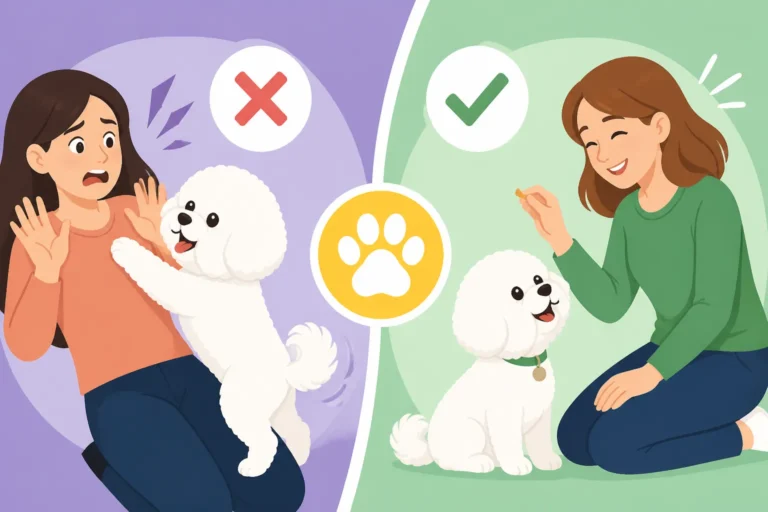
- Start Small: Don't expect your Bichon to go from being carried to walking a mile overnight. Begin with very short distances, even just a few feet outside your door. The moment they walk happily, lavish them with praise and a high-value treat. Gradually increase the distance as they gain confidence.
- Make it a Game: Turn walking into an adventure! Use enthusiastic language, play peek-a-boo around trees, and celebrate every successful exploration. If your Bichon freezes, don't drag them. Instead, kneel down, call them in a happy voice, and use a treat or a favorite toy to lure them forward. The BAXTER & Bella online puppy school offers fantastic resources and positive reinforcement techniques that can be adapted for leash training at any age. Their approach focuses on building a strong, positive relationship, which is vital for encouraging a hesitant walker.
- Consistency is Crucial: Everyone in the household needs to be on the same page. If one person carries the Bichon whenever they resist, it undoes all the positive training. Establish clear rules and stick to them. This might mean enduring a few minutes of whining or resistance at first, but it will pay off in the long run.
Remember, the goal is to make walking a positive association, not a chore or something to be endured.
Creating a Safe and Stimulating Walking Environment
The environment itself can greatly influence your Bichon's willingness to walk. By consciously choosing appropriate locations and taking precautions, you can set them up for success.
- Choose Calm Routes: Initially, avoid overly busy streets, loud construction zones, or areas with a lot of large, boisterous dogs. Opt for quiet parks, residential streets during off-peak hours, or even your own backyard if it’s large enough. The less overwhelming the environment, the more likely your Bichon is to feel secure enough to explore.
- Protect Their Paws: As we discussed, paw discomfort can be a major deterrent. In summer, walk during cooler parts of the day (early morning or late evening) to avoid hot pavement. In winter, be mindful of icy sidewalks, rock salt, or cold temperatures. Consider dog booties for extreme weather or rough terrain, which you can easily find on platforms like Amazon. Regular paw balm can also help keep their pads healthy and resilient.
- Introduce New Experiences Gradually: Once your Bichon is confidently walking in familiar, calm areas, slowly introduce them to new sights and sounds. A new park, a slightly busier street – always keep initial exposures short and positive. Praise and reward bravery. This gradual exposure helps them generalize their confidence to various environments.
Essential Gear for Confident Walks
Having the right gear can make a world of difference in making walks enjoyable for both you and your Bichon.
- Harness, Not Collar: For a small dog like a Bichon Frise, a harness is almost always preferable to a collar for walking. Collars can put pressure on their delicate trachea, especially if they pull, leading to coughing or even potential injury. A well-fitting harness distributes pressure across their chest and shoulders, making it more comfortable and safer. Look for harnesses designed for small breeds, ensuring it doesn't chafe under the armpits. A topic like Whether a Bichon Frise Should Wear a Harness Not a Collar further details the benefits.
- Appropriate Leash: A standard 4-6 foot leash is ideal. Avoid retractable leashes, as they offer less control and can be dangerous, potentially allowing your small Bichon to dart into traffic or get tangled.
- Hydration and Treats: Always carry fresh water, especially on warmer days, and a portable bowl. Small, high-value treats are essential for positive reinforcement during your training sessions. Having these readily available can turn a reluctant pause into a quick training opportunity. Many excellent collapsible water bowls and treat pouches are available on Amazon.
- Poop Bags: A responsible pet parent always has them! It's not just polite, it's often legally required.
When Carrying a Bichon Frise Is Truly Appropriate
While the goal is to encourage your Bichon Frise to walk independently, there are definitely situations where carrying them is not only acceptable but recommended. It’s about being pragmatic and prioritizing their safety and well-being.
Navigating Crowds and Dangerous Situations
There are times when the ground can genuinely be a hazardous place for a tiny Bichon. In these instances, scooping them up is the responsible choice, not spoiling them.
- Busy City Streets: Crossing a busy intersection or walking through a crowded downtown area can be incredibly dangerous. Your Bichon could be accidentally stepped on, dart into traffic, or get tangled in a throng of legs. In such environments, carrying them provides an immediate and crucial layer of protection.
- Large, Unpredictable Dogs: While you want your Bichon to be well-socialized, not all dogs are friendly, and even a playful greeting from a large, energetic dog could accidentally injure a small Bichon. If you encounter an off-leash dog or one that seems overly boisterous, picking up your Bichon is a sensible safety measure.
- Unsafe Surfaces: Sometimes the ground itself poses a risk. Broken glass, sharp debris, fresh asphalt, or even heavily salted winter sidewalks can damage their paws. Carrying them over these patches is simply good pet parenting.
Think of it as intermittent carrying – a tool for safety, not a default mode of transport. This proactive approach ensures your little one stays safe in unpredictable situations.
Accommodating Age, Injury, or Illness
As our beloved Bichons age or face health challenges, their physical capabilities change. What was once an easy stroll might become a monumental effort, and carrying them becomes an act of compassion.
- Senior Bichons: An older Bichon Frise might develop arthritis, hip pain, or simply have less stamina. Caring for a Bichon Frise Past Eleven often involves adapting their routine. While short, gentle walks are still beneficial for their joints and mental health, longer excursions might require a mix of walking and being carried or even using a dog stroller. Observe your senior Bichon carefully for signs of fatigue or pain, such as lagging behind, limping, or excessive panting.
- Post-Surgery or Injury Recovery: If your Bichon is recovering from an injury or surgery, like What Stone Surgery Involves on a Bichon Frise, they will have specific restrictions on activity. Carrying them to the potty spot or for short bursts of fresh air might be necessary to prevent further injury and aid in healing. Always follow your vet's instructions precisely during recovery periods.
- Chronic Illness: Conditions like heart disease, severe respiratory issues, or advanced diabetes can significantly limit a Bichon's exercise tolerance. In these cases, your vet might recommend limited activity, making carrying a necessity for short outings.
In these situations, carrying is not about "spoiling" but about providing comfort, preventing pain, and ensuring they can still enjoy some fresh air and time with you without overexertion.
Short-Term Comfort in Specific Scenarios
Beyond safety and health, there are also scenarios where carrying your Bichon just makes practical sense or offers a moment of shared connection without undermining their independence.
- Veterinary Visits: A vet clinic can be a stressful place for many dogs. Carrying your Bichon into the waiting room can help them feel more secure and less exposed to other anxious or ill animals. Once in the exam room, they can be on the floor, but the initial entry can be made smoother by being held close.
- Quick Transitions: Need to dart into a pet-friendly store for a minute, or quickly move them from the car to the house? A quick pick-up and carry is often more efficient and safer than a full leash-up, especially if the area just outside the car is high-traffic.
- Bonding Moments: Sometimes, you just want to cuddle your fluffy friend! A gentle pick-up for a quick snuggle or a ride on your lap while you relax is a wonderful way to reinforce your bond, as long as it's not their only mode of being close to you. Bichons are often Whether a Bichon Frise Is a Lap Dog and thrive on close companionship. The key is balance – don't let it become a habit that replaces their walking, but rather complements it.
By understanding the "why" behind your Bichon's desire to be carried and implementing consistent, positive training, you can help them become a confident, happy walker who still enjoys a good cuddle when it’s truly appropriate.
Here's a quick guide to help decide when to walk versus when to carry:
| Situation | Best Approach | Rationale |
|---|---|---|
| Routine Neighborhood Walk | Walk | Promotes exercise, confidence, and mental stimulation. |
| Busy City Street / High Traffic | Carry | Ensures safety from being stepped on or darting into traffic. |
| Encountering Large, Unruly Dogs | Carry | Prevents accidental injury or negative interactions. |
| Short Distance in Quiet Area | Walk | Even short walks build stamina and positive habits. |
| Hot Pavement / Rough Terrain | Carry (or use booties) | Protects sensitive paw pads from injury or discomfort. |
| Elderly Dog / Injured Dog | Carry (or use stroller) | Provides comfort and prevents overexertion or further injury. |
| Entering a Busy Vet Clinic | Carry | Reduces stress and exposure to other animals in a confined space. |
| Dog Suddenly Stops & Refuses | Encourage Walking | Lure with treats/praise; avoid immediate carrying to prevent reinforcing refusal. |
| Quick Transition (Car to House) | Carry | Practical and quick for very short distances in potentially unsafe areas. |
Disclaimer
This article is for general informational purposes only and does not constitute professional advice. Laws, prices and regulations vary by location and change over time. Consult a qualified professional for guidance on your specific situation.