Slipping Kneecaps in a Bichon Frise
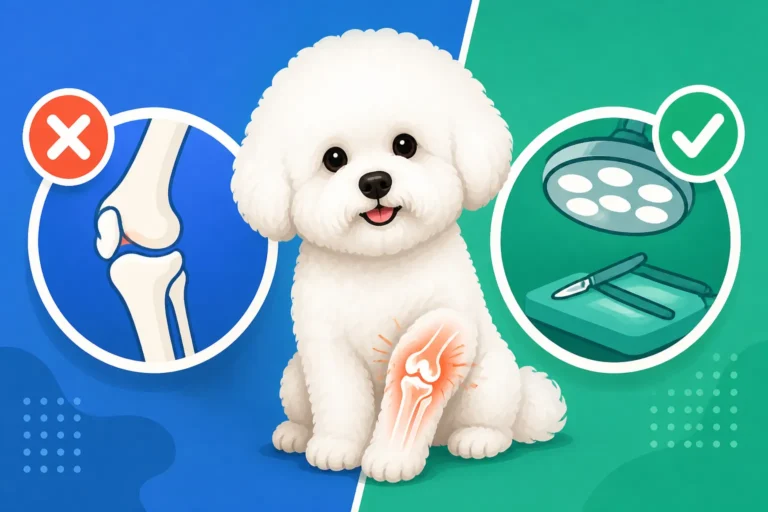
There's nothing quite like the joy of watching your Bichon Frise prance and play, their little cotton ball tails wagging with pure delight. But then, you see it – a sudden skip in their step, a brief moment where a back leg seems to hesitate or even lift entirely before they resume their joyful trot. This unsettling sight, often dismissed as just a quirky hop, can be a tell-tale sign of a common orthopedic issue in Bichon Frises: patellar luxation, or what we lovingly call a "slipping kneecap." It’s a frustrating and worrying experience for any dog parent, and understanding this condition is key to ensuring your furry friend continues to live a full, happy, and pain-free life. This comprehensive guide will walk you through everything you need to know about slipping kneecaps in Bichon Frises, from diagnosis to management and long-term care.
Understanding Patellar Luxation in Bichon Frises
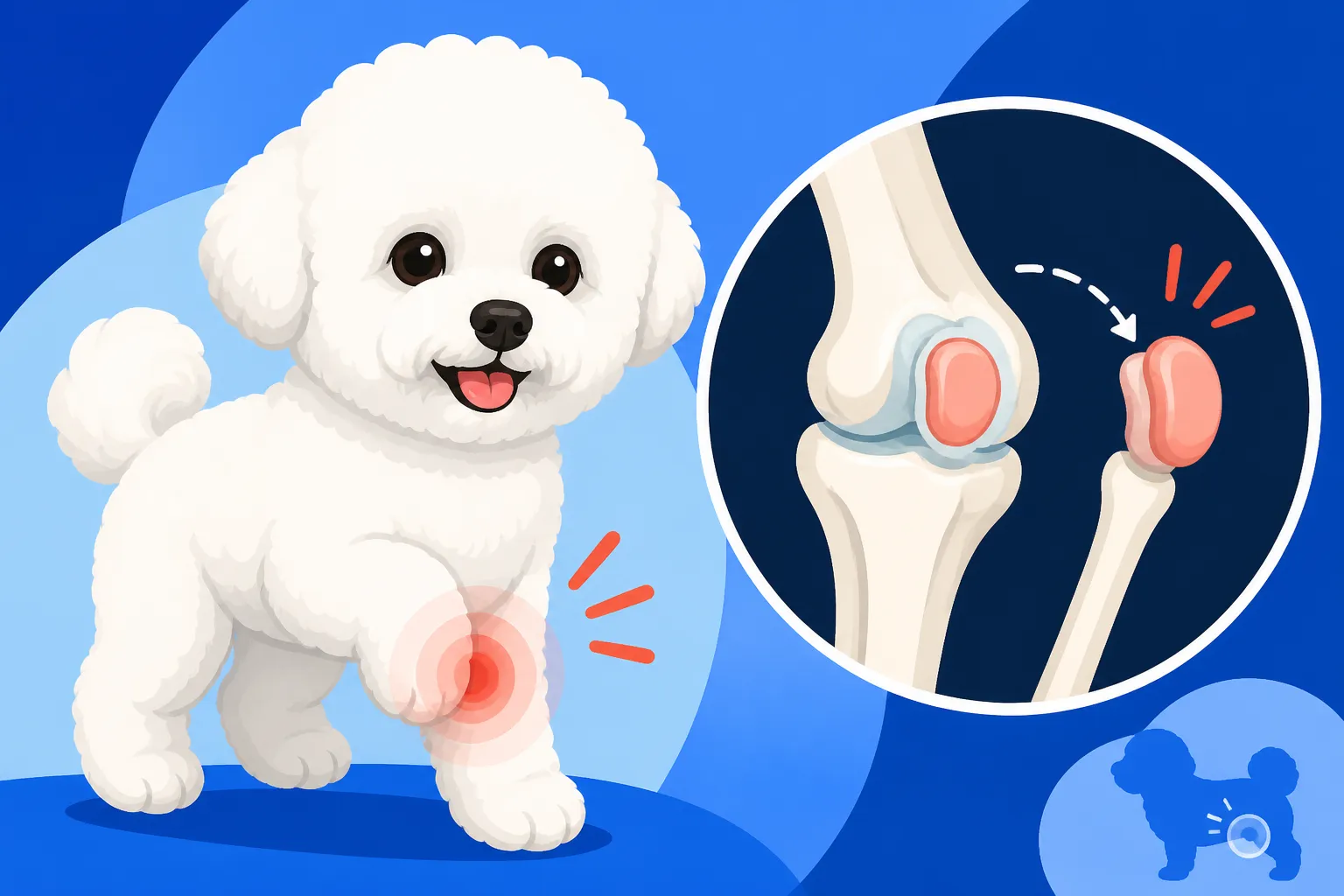
Patellar luxation might sound intimidating, but it simply refers to the kneecap (patella) slipping out of its normal groove on the thigh bone (femur). For Bichon Frises, this isn't just a minor inconvenience; it's a structural issue that can lead to discomfort, pain, and even more serious joint problems if left unaddressed. It's one of those conditions that, once you know about it, you start seeing the signs everywhere, and it’s natural to feel a pang of worry when you first notice your pup’s unusual gait.
What Exactly is a Slipping Kneecap?
To really grasp what's happening, let's talk a little about anatomy. Your Bichon Frise's kneecap, or patella, is a small bone embedded within the quadriceps tendon, sitting right in front of the knee joint. It slides up and down in a shallow groove on the end of the femur, called the trochlear groove, acting like a pulley system for the muscles that extend the leg. This smooth movement is essential for a Bichon to run, jump, and play without pain.
When a dog has patellar luxation, this kneecap slips out of that trochlear groove. It can slip either to the inside of the leg (medial luxation, which is far more common in small breeds like Bichon Frises) or to the outside (lateral luxation). This dislocation can be intermittent, meaning it pops out and then back in, or it can be permanent, staying out of place most or all of the time. Imagine trying to walk when your own kneecap keeps popping out of joint – it’s not only painful but also severely impacts mobility.
The instability caused by a slipping kneecap isn't just about the immediate discomfort. Over time, the constant friction and abnormal movement can wear down the cartilage, leading to inflammation, pain, and eventually, the development of degenerative joint disease or arthritis in a Bichon Frise at eleven. The muscles and ligaments around the knee can also stretch or tear, exacerbating the problem. Early intervention and understanding are truly critical to prevent these long-term consequences and maintain your Bichon's quality of life.
Why Bichon Frises Are Prone to This Condition
It’s disheartening to learn that some breeds are just predisposed to certain health issues, and unfortunately, patellar luxation is a common orthopedic problem in small breeds, with Bichon Frises topping the list. This isn't usually due to an injury but rather an inherited structural abnormality that affects the alignment of the bones in the hind leg. It's primarily a genetic condition, meaning it's passed down from parents to offspring.
The underlying issue often stems from a shallow trochlear groove or an abnormal alignment of the bones in the leg – specifically, the femur, tibia, and patella. If the femur is bowed or twisted, or the attachment point for the quadriceps muscle on the tibia is too far to the side, it creates a "pull" that forces the kneecap out of its groove. This misalignment can be present from birth, though signs might not become apparent until your Bichon Frise is a few months old or even into adulthood. Responsible breeders will often screen their breeding dogs for patellar luxation to try and reduce its incidence, but even with careful breeding, it can still pop up. Understanding this genetic predisposition helps us approach the condition with empathy and proactive care, rather than blaming an isolated incident.
Recognizing the Signs and Symptoms
One of the most challenging aspects of patellar luxation is that the signs can be quite subtle, especially in the early stages. Your Bichon Frise is naturally a stoic and playful breed, often trying to power through discomfort, which can make it hard for observant owners to catch the problem before it becomes more pronounced. You know your dog best, and paying close attention to their unique movements and behaviors is the first step in identifying a slipping kneecap.
The Classic "Skip" and Intermittent Lameness
The most well-known symptom of patellar luxation is the sudden "skip" or "hop" that your Bichon Frise might exhibit. This is often described as a moment where the dog will run along, then suddenly lift one back leg, take a few steps on three legs, and then just as abruptly, put the leg back down and carry on as if nothing happened. This sudden limp is the result of the kneecap slipping out of its groove, causing a momentary inability to extend the leg properly. Once the kneecap pops back into place, the dog regains full use of the leg, which is why the lameness is intermittent.
This "skip" can be very quick, almost like a hiccup in their gait, and might only happen occasionally at first. You might notice it most when your Bichon is playing vigorously, running, or changing direction quickly. The frequency and duration of these episodes tend to increase as the condition progresses. You might also notice The skip that means a Bichon Frise's knee has gone more after your dog has been resting and then gets up to move. It’s important not to dismiss these quick skips as just "being clumsy" or "playing," especially if they happen repeatedly, as they are a clear indicator that something isn't quite right with their knee joint.
Other Subtle Clues to Look For
Beyond the classic skip, there are other, more subtle signs that your Bichon Frise might be dealing with patellar luxation. Because Bichons are so eager to please and often mask discomfort, you really have to be an astute observer of their daily habits and movements. Any change in their usual activity level or demeanor warrants investigation, especially if you also notice an occasional skip.
One common sign is a reluctance to jump, especially onto furniture or into the car, or a hesitant manner when going up or down stairs. They might seek alternative ways to get to high places, like finding a stool or waiting for you to lift them, even if they used to jump effortlessly. Another clue could be a "bunny hopping" gait, where they use both hind legs simultaneously to propel themselves forward, almost like a rabbit. This is often a compensation mechanism to avoid fully extending one or both painful knees. You might also observe them holding a leg up for longer periods, or a general stiffness, especially after resting or first waking up. In more severe cases, your Bichon might even cry out if the kneecap slips and causes significant pain, or show sensitivity if you touch their knee area. Keep an eye out for any swelling around the joint, though this is less common with patellar luxation alone and might indicate secondary arthritis.
Diagnosing Patellar Luxation
If you've noticed any of the tell-tale signs, the next crucial step is to get a professional diagnosis from your veterinarian. Early diagnosis not only helps manage the pain and discomfort your Bichon Frise might be experiencing but also allows for proactive measures to prevent the condition from worsening or leading to secondary issues like severe arthritis. Don’t hesitate to bring up your concerns, no matter how minor the skips or changes in gait might seem to you – your vet relies on your observations.
Your Vet's Examination and Palpation
When you bring your Bichon Frise to the vet with concerns about a skipping leg, the first thing they’ll do is a thorough physical examination. This typically involves observing your dog's gait as they walk and trot, checking for any lameness, stiffness, or unusual movements. They'll also carefully palpate (feel) your Bichon's knees, gently manipulating the patella to see if it can be manually moved out of its groove. This manipulation is a key diagnostic step.
During this examination, your vet will assess the stability of the kneecap, the depth of the trochlear groove, and the overall alignment of the limb. They’ll also check for any signs of pain or discomfort when the joint is manipulated. Based on these findings, they can usually assign a grade to the patellar luxation, which is essential for determining the best course of treatment. This grading system provides a standardized way to describe the severity of the condition, ranging from Grade 1 (mild) to Grade 4 (severe). It’s a bit like giving a sprain or fracture a classification, helping everyone understand the extent of the problem.
Imaging and Further Diagnostics
While a physical examination is often sufficient for diagnosing patellar luxation, your vet may recommend additional imaging, particularly X-rays, to get a clearer picture of the skeletal structure of your Bichon Frise's legs. X-rays can help assess the alignment of the femur and tibia, the depth of the trochlear groove, and look for any concurrent issues like hip dysplasia or early signs of arthritis that might be contributing to the lameness. They can also confirm the absence of other orthopedic problems that might mimic patellar luxation symptoms.
In some cases, especially if surgery is being considered, more advanced imaging like a CT scan might be recommended. This provides a three-dimensional view of the bones and soft tissues, offering a highly detailed assessment of the anatomical abnormalities. While these additional diagnostics add to the overall cost, they are invaluable for surgical planning, ensuring that the veterinary surgeon has all the necessary information to perform the most effective corrective procedure. It’s all about building a complete picture so the treatment plan is as accurate and successful as possible for your beloved Bichon.
Grading System for Patellar Luxation
Understanding the grading system for patellar luxation is incredibly helpful for owners, as it directly impacts the recommended treatment path and prognosis. It's not just a numerical label; it’s a detailed description of how much the kneecap slips and how easily it can be moved. When your vet explains the grade, you'll have a much clearer idea of the severity of the condition and what lies ahead for your Bichon Frise.
The Four Grades of Luxation
Patellar luxation is classified into four grades, based on how often the kneecap dislocates and how easily it can be manually luxated and reduced (put back into place).
-
Grade 1: This is the mildest form. The patella can be manually luxated from its groove when the leg is extended, but it immediately returns to its normal position once released. Most of the time, your Bichon Frise will use the leg normally, perhaps with only an occasional skip that you might barely notice. There might be minimal discomfort, and often, dogs with Grade 1 luxation can live a full life with conservative management.
-
Grade 2: With Grade 2, the patella luxates more frequently, sometimes spontaneously when your dog moves, jumps, or turns, and sometimes it stays luxated for a longer period. It can be manually luxated and will typically remain luxated until it is manually replaced or your dog flexes and extends their knee, causing it to pop back in. The "skip" or lameness is more noticeable and frequent here. Over time, the trochlear groove might become shallower due to the repeated luxation, potentially leading to increased severity.
-
Grade 3: At this stage, the patella is luxated most of the time. It can be manually reduced into the trochlear groove, but it immediately luxates again once the manual pressure is released. Dogs with Grade 3 luxation often walk with a persistent crouched or bowed-leg stance, as they are constantly trying to compensate for the displaced kneecap. The lameness is more pronounced and consistent, and they might show more obvious signs of discomfort or pain.
-
Grade 4: This is the most severe form of patellar luxation. The patella is permanently luxated and cannot be manually reduced back into the trochlear groove. The trochlear groove itself is often very shallow or even non-existent, and there may be significant bone deformities in the femur and tibia. Dogs with Grade 4 luxation typically have a severely abnormal gait, often walking with a profound crouch, or being unable to extend their leg fully. This grade invariably requires surgical intervention to improve quality of life.
What Each Grade Means for Your Bichon Frise
The assigned grade for your Bichon Frise's patellar luxation isn't just a number; it’s a critical piece of information that guides the entire treatment strategy and helps set expectations for long-term care. It helps your veterinarian determine Which patella grade needs surgery in a Bichon Frise and which can be managed conservatively.
For Grade 1 luxation, conservative management is usually the first line of defense. This involves strategies like weight management, controlled exercise, and potentially joint supplements. The aim is to strengthen the surrounding muscles and minimize strain on the joint. Owners often ask Whether joint supplements help a Bichon Frise, and for mild cases, they can be a valuable part of a broader management plan. Regular monitoring of your Bichon's gait and comfort levels is crucial, as the condition could potentially progress over time.
For Grade 2 luxation, the decision between conservative management and surgery can be a bit more nuanced. If the luxation is infrequent and not causing significant pain or lameness, your vet might suggest a period of conservative management. However, if the skipping episodes are frequent, impacting their quality of life, or progressing, then surgical correction often becomes the recommended path. This is especially true if there's concern about the development of early arthritis. Grades 3 and 4 almost always require surgical intervention. These severe forms cause significant pain and mobility issues, and surgery is necessary to stabilize the kneecap, alleviate discomfort, and prevent further joint deterioration. Understanding that Whether a Bichon Frise's kneecap needs surgery often depends on the specific grade and clinical signs helps you navigate these important decisions with your vet.
| Grade | Description | Frequency of Luxation | Clinical Signs | Typical Treatment |
|---|---|---|---|---|
| Grade 1 | Patella can be manually luxated but reduces spontaneously. | Intermittent, often subtle skips. | Occasional skipping, no consistent lameness. | Conservative management (weight, exercise, supplements). |
| Grade 2 | Patella luxates spontaneously and remains luxated until manually reduced or leg movement. | More frequent, noticeable skips. | Intermittent lameness, may hold leg up, difficulty with stairs. | Conservative initially, often surgical if worsening or painful. |
| Grade 3 | Patella is luxated most of the time; can be manually reduced but re-luxates. | Persistent luxation with effort to reduce. | Consistent lameness, bowed-leg stance, noticeable pain. | Surgical correction usually recommended. |
| Grade 4 | Patella is permanently luxated and cannot be manually reduced. | Constant luxation. | Severe lameness, inability to extend leg, significant discomfort, skeletal deformities. | Surgical correction essential for quality of life. |
Treatment Options for Slipping Kneecaps
Once your Bichon Frise has been diagnosed with patellar luxation, the next step is to explore the available treatment options. This is a conversation you'll have with your veterinarian, taking into account the grade of luxation, your dog's age, overall health, and your family's lifestyle. There’s no one-size-fits-all approach, but rather a tailored plan designed to give your beloved companion the best possible outcome.
Conservative Management and Supportive Care
For Bichon Frises with Grade 1 and some Grade 2 patellar luxation, conservative management is often the first and most appropriate course of action. This approach focuses on minimizing symptoms and preventing progression without resorting to surgery. It’s all about creating an optimal environment for joint health and stability.
One of the most critical aspects of conservative management is weight management. Every extra pound your Bichon carries puts additional strain on their joints, exacerbating the instability of a slipping kneecap. Working with your vet to achieve and maintain a healthy weight is paramount. This usually involves a carefully controlled diet and consistent, moderate exercise. Speaking of exercise, it’s important to avoid high-impact activities like aggressive jumping or running on slippery surfaces, which can trigger luxation or put undue stress on the knee. Instead, focus on controlled walks on a leash and gentle play on soft surfaces. Many owners worry about Whether a Bichon Frise should jump off furniture, and the answer is generally no, especially with patellar luxation. Using pet stairs or ramps can help protect their joints from unnecessary impact. Physical therapy exercises, such as controlled leg movements to strengthen specific muscle groups around the knee, can also be incredibly beneficial. Additionally, many vets will recommend joint supplements containing ingredients like glucosamine, chondroitin, and omega-3 fatty acids, which can support cartilage health and reduce inflammation, helping to keep your Bichon as comfortable as possible.
Surgical Interventions
For Bichon Frises with higher grades of patellar luxation (Grade 2 that is causing significant issues, and almost all Grade 3 and 4 cases), surgical correction is typically the most effective long-term solution. The goal of surgery is to realign the components of the knee joint so that the patella can track properly within its groove, preventing further luxation. It can be a daunting decision, but for many dogs, it offers a dramatic improvement in quality of life.
Several surgical techniques may be used, often in combination, depending on the specific anatomical abnormalities present. One common procedure is trochlear deepening, where the shallow groove in the femur is carefully deepened to provide a more secure channel for the kneecap. Another frequent technique is tibial crest transposition, which involves moving the bony attachment point of the quadriceps tendon on the tibia to a more aligned position, redirecting the pull of the muscle so the patella stays in its groove. Soft tissue release and tightening, where ligaments and joint capsules are either cut or tightened, may also be performed to balance the tension around the kneecap. The specific surgical plan will be customized by an experienced veterinary orthopedic surgeon based on your Bichon's individual needs. While the thought of surgery is scary, it’s often the best way to address the underlying structural problem and prevent chronic pain and arthritis.
Post-Operative Care and Rehabilitation
Surgery is just the first step; the recovery period and subsequent rehabilitation are equally, if not more, important for a successful outcome. After surgery, your Bichon Frise will need a period of strict rest and activity restriction. This usually means confinement to a small area or crate, with leash-only potty breaks for several weeks. It's tough to keep an active Bichon calm, but it's essential to allow the tissues to heal properly. Pain management will be a critical part of their post-operative care, with your vet prescribing medications to keep them comfortable.
Once the initial healing phase is complete, rehabilitation exercises will gradually be introduced. This often involves gentle range-of-motion exercises, controlled walks, and eventually, more structured physical therapy. A certified canine rehabilitation therapist can be an invaluable resource, guiding you through exercises designed to rebuild muscle strength, improve joint flexibility, and restore normal gait. Hydrotherapy (underwater treadmill) is often particularly beneficial as it allows for exercise with reduced weight-bearing. The full recovery process can take several months, but with dedication and consistent effort, most Bichon Frises make an excellent recovery, regaining full function and enjoying a pain-free life. It’s a commitment, but seeing your furry friend running and playing without that tell-tale skip makes every effort worthwhile.
Living with a Bichon Frise with Patellar Luxation
Whether your Bichon Frise is undergoing conservative management or recovering from surgery, living with patellar luxation requires ongoing attention and adjustments to their daily routine. It's about being proactive and creating an environment that supports their joint health and minimizes the risk of re-injury or progression of the condition. Your Bichon relies on you to be their advocate and create a comfortable, safe home.
Environmental Modifications for a Safer Home
One of the easiest and most impactful things you can do for a Bichon Frise with slipping kneecaps is to modify their home environment. Think about all the ways their little legs interact with their surroundings throughout the day. High-impact activities and slippery surfaces are major culprits for exacerbating joint issues, and preventing falls or awkward jumps can make a huge difference in their comfort and long-term health.
Consider investing in pet ramps or stairs to help them access furniture, beds, and even the car. This eliminates the need for them to jump up or down, which puts immense strain on their knees. Many owners wonder Whether a Bichon Frise should jump off furniture at all, and the general consensus for dogs with patellar luxation is to avoid it entirely. Another critical modification involves flooring. Hardwood, tile, or laminate floors can be incredibly slick for small paws, leading to slips and falls that can cause the kneecap to luxate or even injure other joints. Placing non-slip rugs, runners, or carpet sections in high-traffic areas, especially where your Bichon loves to run and play, can provide much-needed traction. You might also consider dog booties with rubberized soles for extra grip indoors. Remember, Whether slippery floors hurt a Bichon Frise is a resounding yes, especially when their joints are already compromised. These small changes can significantly reduce the risk of accidents and contribute to your dog’s overall comfort and joint stability.
Long-Term Management and Preventative Measures
Living with patellar luxation is a marathon, not a sprint. Even after successful surgery or with diligent conservative management, ongoing care and preventative measures are essential to ensure your Bichon Frise maintains a good quality of life. This includes a combination of regular veterinary check-ups, appropriate exercise, and continued attention to their overall well-being.
Routine veterinary examinations are crucial to monitor the condition of their knees, assess for any signs of arthritis, and adjust their management plan as needed. Your vet might recommend yearly X-rays to check for degenerative changes, especially as your Bichon Frise ages. Maintaining an ideal body weight remains a lifelong commitment, as even a slight increase can add stress to their joints. Continue with a controlled exercise routine that avoids excessive jumping, twisting, or high-impact activities. Daily walks on varied, soft terrain are generally excellent. Many owners also find benefit in continuing joint supplements, such as glucosamine, chondroitin, and MSM, often combined with omega-3 fatty acids, which help support joint cartilage and reduce inflammation. Some specific prescription diets are also formulated to support joint health, so discuss these options with your vet. While we can't completely prevent all future issues, these long-term strategies can significantly slow the progression of arthritis and keep your Bichon Frise comfortable and active for many years to come.
Financial Considerations and Insurance
Hearing that your Bichon Frise has a slipping kneecap can be emotionally challenging, and then the practical realities of treatment costs often come into play. It's natural to feel overwhelmed by the potential expenses, but understanding these financial aspects beforehand can help you plan and make informed decisions about your pet's care.
Understanding the Costs of Diagnosis and Treatment
The costs associated with diagnosing and treating patellar luxation in a Bichon Frise can vary significantly depending on the severity of the condition, the type of treatment chosen (conservative vs. surgical), geographic location, and the specific veterinary clinic or specialist involved. Initial diagnostic visits, which include your vet's examination, palpation, and potentially X-rays, can range from a couple of hundred dollars to several hundred. If advanced imaging like a CT scan is required, these costs will be higher.
If conservative management is opted for, the ongoing expenses will typically include prescription joint supplements, potential pain medications, specialized diets, and regular check-ups. These costs add up over time but are generally less than surgical intervention. However, if surgery is deemed necessary, What knee surgery costs on a Bichon Frise can be substantial. A single knee surgery can easily range from $2,000 to $6,000 or even more, especially if performed by a board-certified orthopedic surgeon at a specialty clinic. This figure often includes the surgeon's fees, anesthesia, hospital stay, post-operative medications, and initial follow-up appointments. Keep in mind that Whether both of a Bichon Frise's knees go is a real possibility, meaning costs could double if bilateral surgery is required, either at the same time or staggered. Rehabilitation therapy, which is highly recommended for optimal recovery, will also add to the overall expense, with sessions often costing $50 to $150 each, potentially for several weeks or months.
Pet Insurance and Patellar Luxation
Given the potentially high costs associated with patellar luxation, many Bichon Frise owners wisely turn to pet insurance. Pet insurance can be a lifesaver, helping to cover a significant portion of veterinary bills for unexpected illnesses or accidents. However, it's crucial to understand how pet insurance typically handles conditions like patellar luxation, especially concerning pre-existing conditions.
Most pet insurance policies, including reputable providers like Healthy Paws, will not cover conditions that are considered "pre-existing." This means if your Bichon Frise shows signs or is diagnosed with patellar luxation before you enroll in a policy or during the policy's waiting period, any future treatment for that specific knee will likely be excluded from coverage. This is why getting pet insurance early in your dog's life, ideally when they are a puppy and before any health issues arise, is so incredibly important. If only one knee is affected and diagnosed, a good policy might still cover the other knee if it develops luxation later, provided the second knee was not showing signs at the time of enrollment. It's essential to carefully review policy details, understand waiting periods, and ask providers like Healthy Paws specific questions about how they handle orthopedic conditions. Researching What insuring a Bichon Frise runs monthly and factoring it into your budget from the start can provide immense peace of mind should a condition like patellar luxation arise.
Prognosis and Quality of Life
When faced with a diagnosis of patellar luxation, it's natural to worry about your Bichon Frise's future. Will they be in pain? Will they be able to run and play like they used to? The good news is that with appropriate treatment and dedicated care, the prognosis for most Bichon Frises with slipping kneecaps is quite positive, allowing them to lead long, active, and happy lives.
What to Expect After Treatment
The outcome after treatment for patellar luxation largely depends on the severity of the condition and the chosen treatment path. For Bichon Frises managed conservatively (Grade 1 and some Grade 2 cases), the goal is to control pain, prevent progression, and maintain good joint function. Many dogs do very well with careful management of weight, exercise, and supportive therapies, experiencing only occasional, mild symptoms that don't significantly impact their quality of life. Regular monitoring is key, as some cases may still progress and require surgical reconsideration later on.
For Bichon Frises who undergo surgical correction for Grade 2, 3, or 4 luxation, the prognosis is generally excellent, especially when the surgery is performed early before significant arthritis develops. Studies show high success rates, with 80-90% of dogs regaining normal or near-normal limb function. It's important to have realistic expectations for the recovery period, which can be several months, but the dedication to post-operative care and rehabilitation pays off immensely. While surgery aims to stabilize the joint, it does not completely eliminate the risk of developing some degree of arthritis later in life, particularly if the joint already had some wear and tear. Therefore, continued joint support and monitoring remain important even after a successful surgery. Potential complications, though rare, can include re-luxation, infection, or issues with surgical implants, which is why choosing an experienced veterinary surgeon is crucial.
Ensuring a Happy, Active Life for Your Bichon
Ultimately, the goal is to ensure your Bichon Frise enjoys the best possible quality of life, free from pain and able to participate in the activities they love. Even with patellar luxation, a fulfilling life is absolutely within reach. Beyond specific treatments, nurturing their joyful spirit is paramount.
Continue to engage them in appropriate, controlled exercise, which is vital for maintaining muscle strength and preventing stiffness. Daily walks, gentle play, and even swimming (if they enjoy it and it's safe) can be wonderful ways to keep them active without overstressing their knees. Mental stimulation through puzzle toys, training sessions, and interactive games is also essential for their well-being, especially during periods of restricted activity. Regular grooming is always important for a Bichon, and ensuring their nails are trimmed short can improve their grip and stability on various surfaces. Maintaining an ideal weight cannot be stressed enough, as it profoundly impacts joint health. Provide a comfortable, supportive bed to rest on, and ensure their home environment remains free of slipping hazards or tempting high jumps. By being vigilant, proactive, and showering your Bichon Frise with love and care, you can help them navigate the challenges of patellar luxation and enjoy many more years of joyful, tail-wagging adventures. After all, a Bichon Frise is sturdier than it looks, and with your help, they can truly thrive!
Disclaimer
This article is intended for informational purposes only and does not constitute medical advice. Always consult with a qualified veterinarian for any health concerns or before making any decisions about your pet's medical care. Individual outcomes may vary.