Whether Sun Yellows a Bichon Frise’s Coat
It's a familiar sight for many Bichon Frise owners: you adore that fluffy, cloud-like white coat, a hallmark of the breed, only to notice a subtle, unwelcome yellowing creeping in, especially after those glorious summer days spent outdoors. This can be incredibly disheartening, making you wonder if all your efforts to keep your beloved Bichon sparkling white are in vain. This comprehensive guide will explore the real reasons behind sun-induced yellowing in your Bichon's coat, delve into preventative strategies, and offer practical solutions for managing and even reversing existing discoloration, helping you keep your furry friend's pristine appearance intact.
The Sunny Side of the Bichon Frise Coat: Is Yellowing Inevitable?
Owning a Bichon Frise means embracing their iconic brilliant white coat. It's what makes them stand out, a fluffy beacon of joy in any room or park. But along with that beauty comes a unique set of challenges, and one of the most common—and often frustrating—is the tendency for their immaculate white fur to take on a yellowish tint. Is it just part of having a white dog? Or is there something specific about the sun that contributes to this perplexing color shift?
Understanding the Bichon's Pristine White Coat
The Bichon Frise standard calls for a pure white coat, resembling a cotton ball or a powder puff. This isn't just a preference; it's a defining characteristic of the breed. Their double coat consists of a soft, dense undercoat and coarser, curly guard hairs, which contribute to their buoyant, springy texture. Unlike many breeds, Bichons don't shed much, as their loose hairs tend to get caught in the curly coat, which is why regular grooming is so critical. This unique coat structure, however, also makes them highly susceptible to showing dirt, tears, saliva, and yes, environmental factors like the sun. Think of it like wearing a crisp white shirt – every little mark shows. When it comes to sun exposure, the very lightness of their coat means any discoloration becomes glaringly obvious.
Many Bichon owners spend countless hours brushing and bathing, striving to maintain that show-stopping white. They carefully select shampoos and conditioners, manage tear stains with diligent wiping, and try to keep their dogs away from muddy puddles. The commitment to their Bichon's immaculate appearance is a labor of love, a testament to how much they cherish their bright-eyed companions. But despite all these efforts, some find themselves battling a persistent yellowing that seems to defy their best attempts at prevention. This isn't a sign of neglect; it's a common challenge faced by nearly every owner of a white-coated breed.
The Frustration of Unwanted Color Changes
Imagine meticulously grooming your Bichon for a special outing, only to notice a distinct yellow tinge across their back, shoulders, or the top of their head – areas most exposed to sunlight. It's a truly disheartening moment. You might feel like you're doing something wrong, or that your dog is simply "dirty," even if you know they've just had a bath. This frustration is completely valid. It's especially tricky because while some yellowing can be due to simple dirt or residual shampoo, the sun presents a more insidious and pervasive cause.
The yellowing isn't just aesthetic; it can sometimes make a healthy, well-cared-for Bichon look less vibrant or even unhealthy to an unfamiliar eye. It can also be a source of constant worry, as owners try to figure out what combination of products or routines will finally make their Bichon's coat gleam white once more. This pursuit of the perfect white coat can become a significant part of a Bichon owner's daily life, constantly evaluating new products, adjusting outdoor schedules, and comparing notes with other owners. The good news is that understanding why the sun causes this yellowing is the first step toward effectively managing it, and you're not alone in this particular battle.
How Sunlight Interacts with Your Bichon's Fur
It’s easy to think of sunlight as just light and warmth, but it's a powerful force, especially when it comes to delicate white fur. Understanding the science behind how UV rays affect your Bichon's coat can shed a lot of light on why that pristine white starts to look more like a creamy yellow. It's not magic; it's chemistry, and knowing the mechanisms can empower you to protect your dog better.
UV Radiation and Hair Pigmentation
Just like human hair, dog fur is susceptible to damage from ultraviolet (UV) radiation. While Bichons are known for their pure white coats, this doesn't mean their hair is devoid of components that can react to the sun. Hair shafts, even white ones, contain keratin, a protein, and trace amounts of pigments. When UV rays hit these hair shafts, they can initiate a process called photo-oxidation. This is essentially a chemical reaction where light energy causes molecules in the hair to break down or change.
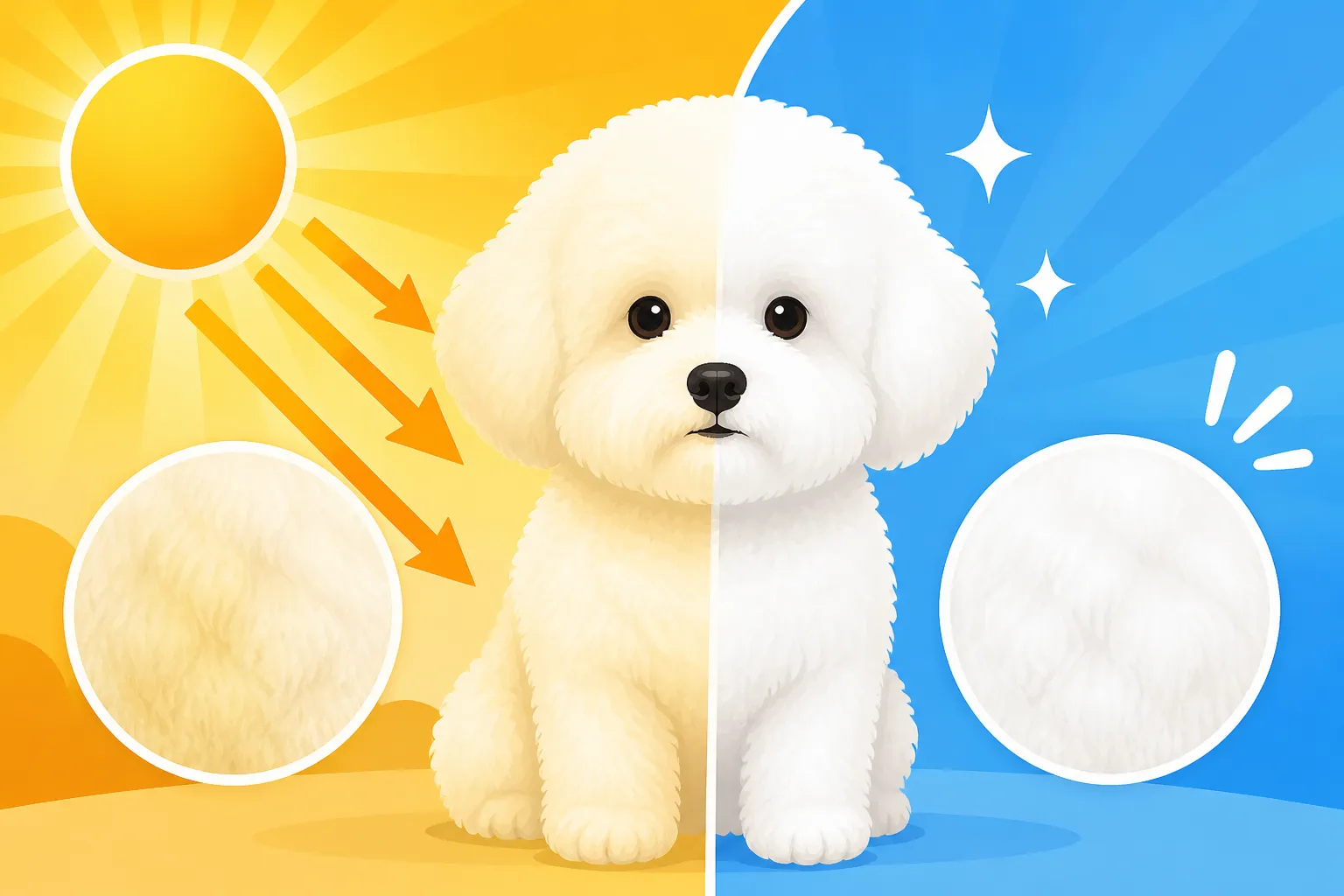
For white coats, this photo-oxidation can cause a breakdown of the amino acids within the keratin structure. These changes often result in a yellowish discoloration. It's a similar process to how white paper yellows over time when exposed to sunlight. The intensity of the sun, the duration of exposure, and the individual dog's coat characteristics can all influence the degree of yellowing. It’s not about dirt, but about the very structure of the hair changing. This is why even a perfectly clean Bichon can develop yellowing if they spend a lot of time basking in the sun.
The Role of Sebum and Environmental Factors
Beyond direct UV damage to the hair shaft itself, the sun also plays a role in how natural oils and environmental elements interact with the coat. Dogs produce sebum, a natural oil that protects their skin and conditions their fur. While essential for healthy skin and coat, when this sebum is exposed to sunlight, it can also undergo oxidation, turning yellow or even slightly orange. This oxidized oil then clings to the hair shafts, exacerbating the discoloration. Think of how cooking oil can yellow over time—the same principle applies here.
Furthermore, environmental factors present in the air, such as pollen, dust, and pollutants, can become trapped in the Bichon's dense coat. When these particles are then exposed to sunlight, especially in conjunction with oxidized sebum, they can become "baked" onto the hair, leading to further staining and yellowing. Consider a Bichon who loves rolling around in the freshly cut grass or sniffing through flowerbeds; these activities can deposit microscopic particles onto their coat, which then react with the sun. Even the minerals in tap water used for bathing can leave residue that, when exposed to the sun, can cause subtle discoloration. This complex interplay of UV, natural oils, and environmental debris makes maintaining that pristine white a continuous effort. Whether a Bichon Frise's Coat Goes Cream in Sun might describe a similar phenomenon, where the sun's effects transform pure white into a dingier hue.
Why White Coats Show Yellowing More
It might seem obvious, but the fundamental reason white coats show yellowing more than colored coats is simply contrast. If a dog has a black, brown, or even an apricot coat, a slight yellowish tint from sun exposure would either blend in or be largely unnoticeable against the existing pigmentation. However, on a canvas of pure white, even the slightest deviation in color, particularly a warm yellow hue, becomes glaringly apparent. It's like trying to hide a small mustard stain on a white tablecloth versus a patterned one; the white instantly highlights the imperfection.
Bichon Frises, with their genetically determined lack of significant pigmentation in their coat, don't have the natural protection that melanin-rich hair offers. Melanin, found in darker coats, helps absorb and scatter UV radiation, acting as a natural sunscreen. Without this, the white hair shafts are more vulnerable to the chemical changes induced by UV light. This inherent vulnerability, combined with the aesthetic demand for pure white, means that Bichon owners are often hyper-aware of any yellowish tinge, making it a prominent concern for the breed. This constant battle for brightness is why many owners are always on the lookout for products and routines that promise to keep their Bichon sparkling white, leading them to specialized whitening shampoos and diligent grooming practices. Keeping a White Bichon Frise Actually White is a challenge that every Bichon owner understands deeply.
Preventative Measures: Shielding Your Bichon from Sun-Induced Yellowing
While some degree of sun exposure is healthy for any dog, excessive or unprotected time in direct sunlight can certainly contribute to coat yellowing. The good news is that there are many proactive steps you can take to minimize this effect, safeguarding your Bichon's dazzling white coat. Prevention is often easier than trying to reverse significant staining, so incorporating these habits into your routine can make a big difference.
Limiting Direct Sun Exposure During Peak Hours
One of the most straightforward and effective ways to prevent sun-induced yellowing is to manage your Bichon's exposure to direct sunlight, particularly during the strongest hours of the day. This usually means avoiding outdoor activities between 10 AM and 4 PM, when UV radiation is at its peak. Think about your own habits: you probably wouldn't want to be out sunbathing without protection during these times, and the same principle applies to your furry friend's sensitive white coat.
Instead, schedule walks, playtime in the yard, or trips to the park for early mornings or late afternoons. Not only does this help protect their coat from yellowing, but it also reduces the risk of overheating and paw pad burns, which can be serious concerns for small, densely coated dogs like Bichons. If your Bichon absolutely must be outside during peak hours, ensure they have access to plenty of shade, whether it's under a tree, an umbrella, or a covered patio. Even small efforts, like ensuring their favorite sun-bathing spot indoors is filtered by sheer curtains, can make a difference over time. Remember, consistency is key; even brief, repeated exposures add up.
Protective Gear: Stylish Solutions for Sun Protection
For Bichons who love their outdoor adventures, or for those times when avoiding peak sun isn't possible, protective gear can be a game-changer. Just like humans wear hats and sunscreen, there are options for dogs! Dog-specific sun protective clothing is becoming more widely available, offering a physical barrier against UV rays. Look for lightweight, breathable fabrics with a high UPF (Ultraviolet Protection Factor) rating. These can include full-body suits, fashionable sun shirts, or even wide-brimmed hats designed for dogs.
You might be thinking, "A hat for my Bichon? Really?" But these items can be surprisingly effective, especially for protecting the top of the head and back—areas most prone to yellowing. When shopping, consider online retailers like Amazon or specialized pet boutiques where you can find a variety of styles and sizes. Introduce any new clothing gradually and make it a positive experience with treats and praise, so your Bichon associates it with good things. Beyond clothing, a pet-safe sunscreen can be applied to particularly vulnerable areas like the nose, ear tips, and any thinly coated spots, though always consult your vet before using a new product, especially on fur. This multi-layered approach provides robust protection for their precious white coat.
Nutritional Support for Coat Health
While external measures are crucial, supporting your Bichon's coat health from the inside out is equally important. A well-nourished dog with a healthy coat is often better equipped to resist environmental damage and maintain optimal color and condition. Diet plays a significant role in skin and coat quality, impacting everything from shine to resilience.
Ensure your Bichon is on a high-quality dog food that provides a balanced array of essential nutrients, particularly omega-3 and omega-6 fatty acids. These healthy fats are vital for skin barrier function and coat luster. You might find premium options on sites like Chewy, which often carry a wide range of specialized diets. Some owners even consider fresh food options, like those offered by Ollie, which can sometimes lead to noticeable improvements in coat quality due to their high-quality, whole ingredients. Discussing dietary supplements with your veterinarian, such as fish oil or specific skin and coat supplements, can also be beneficial. A healthy, strong hair shaft is less prone to damage and discoloration, including that caused by sun exposure. Hydration is another often-overlooked aspect; ensuring your Bichon drinks plenty of fresh water helps maintain overall health, which reflects in their coat. Whether Water Intake Changes a Bichon Frise's Risk is relevant not just for stones but for overall health, including coat vitality.
Managing Existing Yellowing: Cleaning and Conditioning Strategies
Even with the best preventative measures, some yellowing can still occur, or you might have adopted a Bichon with existing discoloration. The good news is that there are effective strategies to clean and condition the coat, working to lighten or remove yellow stains and restore that coveted bright white. This often involves a combination of specialized products and diligent grooming techniques.
Specialized Shampoos and Conditioners
When yellowing has set in, reaching for a specialized whitening shampoo is often the first line of defense. These aren't just regular shampoos; they are formulated with optical brighteners or gentle bleaching agents that work to counteract yellow tones. Some whitening shampoos contain blue or purple pigments, which, based on color theory, neutralize yellow and enhance white. Think of it like a purple shampoo for human blonde hair; it cancels out brassiness. When selecting a whitening shampoo, always look for products specifically designed for dogs and, if possible, for white coats. Brands available on platforms like Amazon or Chewy often have dedicated lines.
However, use these products judiciously. While effective, some can be harsh if used too frequently or left on for too long. Always follow the manufacturer's instructions, and consider doing a patch test first. After shampooing, a high-quality conditioner is essential. Whitening shampoos can sometimes be drying, so a good conditioner will help restore moisture to the coat, making it softer, more manageable, and less prone to future staining. Look for conditioners that are deeply moisturizing and ideally pH-balanced for dogs. Regular, thorough bathing with these specialized products can gradually lighten existing yellowing and help maintain the coat's brilliance. You might want to refer to Which Shampoo Keeps a Bichon Frise White for more specific product recommendations and usage tips.
The Importance of Regular Grooming and Brushing
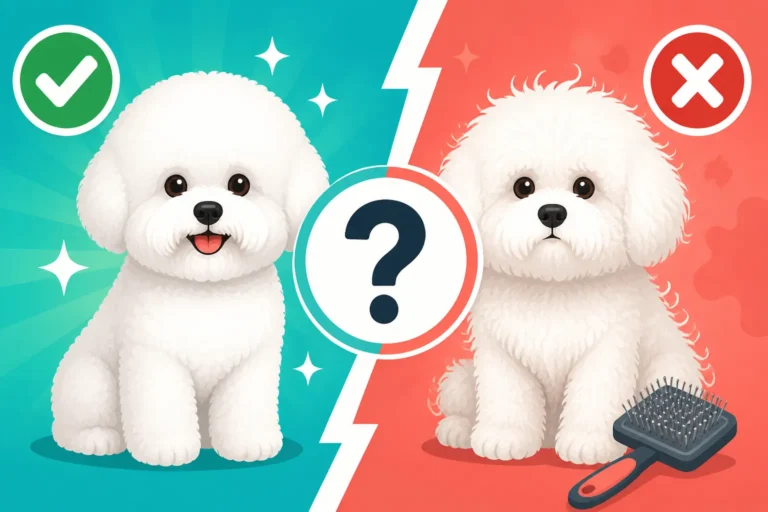
Beyond bathing, consistent daily grooming is non-negotiable for a Bichon Frise, especially when battling yellowing. Brushing serves multiple purposes: it helps remove loose hairs, dirt, and environmental debris that can contribute to staining, and it stimulates the natural oils that distribute through the coat, promoting health and shine. For a white coat prone to yellowing, brushing needs to be thorough and regular. Aim for at least once a day, or even twice, focusing on line brushing to ensure you reach the skin and untangle any potential mats.
Matted fur traps dirt, moisture, and debris against the skin, creating a perfect environment for discoloration and skin issues. A matted coat will yellow much faster and more deeply than a well-maintained one. Regular brushing, followed by combing, keeps the coat open, airy, and less likely to accumulate staining agents. It also prepares the coat for bathing, allowing shampoos and conditioners to penetrate more effectively. After outdoor adventures, a quick brush-down can remove any pollen or dust before it has a chance to settle and interact with the coat and sun. This daily ritual is more than just cosmetic; it’s fundamental to your Bichon’s coat and skin health. How Long Brushing a Bichon Frise Takes might give you an idea of the commitment involved.
Professional Grooming Interventions
Sometimes, the yellowing can be extensive, deeply set, or simply overwhelming for an owner to manage at home. This is where a professional groomer becomes an invaluable ally. Experienced groomers have access to professional-grade products and techniques that might not be available to the average pet owner. They can perform deep cleaning treatments, often using strong whitening shampoos and specialized conditioning masks, to tackle stubborn yellow stains.
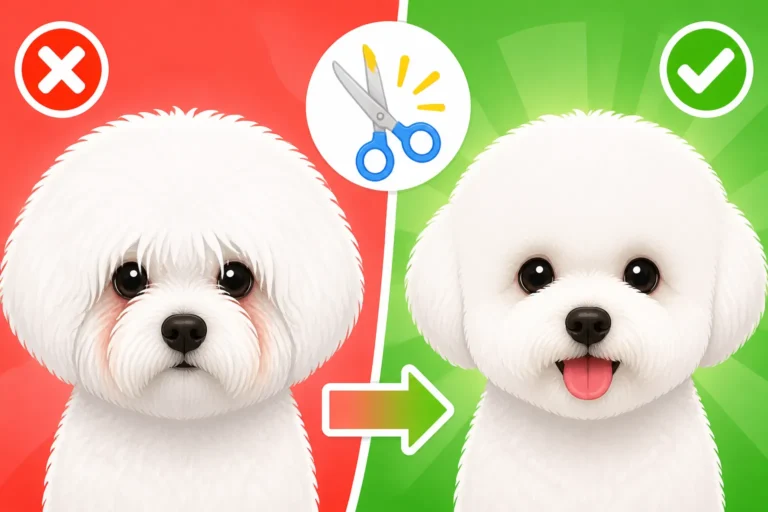
A professional groomer can also provide insights into your Bichon's coat type and suggest a tailored home grooming regimen. They can help identify areas that are particularly prone to staining and offer advice on how to keep those spots clean between visits. For instance, they might recommend a shorter cut around the face or sanitary areas to minimize the impact of tear or urine staining, which can sometimes appear yellow-brown and be confused with sun damage. While regular full grooms are essential for a Bichon How Often a Bichon Frise Needs a Full Groom, a groomer experienced with white-coated breeds understands the specific challenges of maintaining pristine whiteness and can offer targeted solutions that go beyond a standard trim. They might even suggest a "blueing" rinse, a temporary measure that uses cool-toned dyes to make the coat appear whiter by optically correcting yellow tones.
Distinguishing Sun Yellowing from Other Causes of Discoloration
While sun exposure is a common culprit for coat yellowing, it's crucial to understand that it's not the only reason your Bichon's pristine white fur might be taking on an unwanted hue. Many other factors can contribute to discoloration, and accurately identifying the cause is the first step toward effective treatment. Misdiagnosing the problem can lead to ineffective solutions and ongoing frustration.
Tear Stains, Saliva Stains, and Environmental Stains
One of the most frequent causes of discoloration, often mistaken for or compounded by sun yellowing, is staining from bodily fluids. Bichons are particularly prone to The Tear Stains Under a Bichon Frise's Eyes. These reddish-brown or rust-colored stains are caused by porphyrins, iron-containing molecules found in tears, which darken upon exposure to light and air. Similarly, saliva can cause staining around the mouth, paws (from licking), and sometimes even on the belly or inner thighs. Many Bichons are "paw lickers," and the constant moisture and enzymes in their saliva can create brown or yellow stains on their feet.
Beyond bodily fluids, environmental factors play a huge role. Rolling in dirt, walking through wet grass, or even contact with certain chemicals (like those in some fertilizers or household cleaners) can all leave residues that stain the white coat. Even playing with certain toys, especially those made of colored rubber or fabric, can transfer dyes to the fur. It's like a magnet for anything that can leave a mark! Differentiating these from sun yellowing involves observing the location and nature of the stains. Tear and saliva stains are usually localized around the eyes, mouth, and paws, while sun yellowing tends to be more diffuse across the back, head, and shoulders. Paying close attention to where the discoloration appears can help you narrow down the cause and decide on the most appropriate cleaning strategy.
Medical Conditions Affecting Coat Color
Less common, but important to consider, are underlying medical conditions that can cause changes in coat color. Certain health issues can affect a dog's metabolism, skin health, or hormone levels, which can, in turn, manifest as coat discoloration. For instance, skin infections, particularly yeast infections, can cause a reddish-brown or yellowish tint to the fur, often accompanied by itching, redness, or a distinct odor. These are often seen in skin folds or between paw pads.
Liver or kidney disease, though rare to show up as primary coat yellowing, can sometimes lead to overall dullness or subtle shifts in coat color due to metabolic imbalances. Certain medications, especially some antibiotics or topical treatments, can also temporarily alter coat color. If you notice yellowing accompanied by other symptoms like excessive itching, hair loss, lethargy, changes in appetite or thirst, or unusual skin lesions, it's crucial to consult your veterinarian. They can perform diagnostics to rule out any underlying health issues, ensuring that the discoloration isn't a symptom of a more serious problem. A healthy Bichon is a happy Bichon, and sometimes, a change in coat color is the first subtle hint that something deeper might be amiss.
The Impact of Diet on Coat Pigmentation
While diet is crucial for overall health and a shiny coat, its direct impact on yellowing (specifically) is a bit more nuanced than for, say, tear staining. However, a poor diet can contribute to a dull, unhealthy coat that is more susceptible to damage and staining from environmental factors, including the sun. If a Bichon's diet is lacking in essential nutrients, particularly quality proteins, vitamins, and fatty acids, their hair shafts can become weaker, more porous, and generally less resilient. This weakened structure might then absorb environmental pigments more readily or be more prone to the oxidative damage from UV rays.
Some owners also report that certain diets, particularly those high in artificial colors or low-quality ingredients, can exacerbate tear staining or even lead to general dullness. While it's not a direct cause of "sun yellowing," a healthy diet supports a robust coat that is better able to resist various forms of discoloration. Therefore, ensuring your Bichon is on a high-quality, balanced diet, potentially supplemented with beneficial omega fatty acids, is an excellent foundational step for maintaining optimal coat health and color. Consulting with your vet or a canine nutritionist about your Bichon's diet can help ensure they are getting all the necessary nutrients for a truly radiant white coat. The Diet a Bichon Frise Stays On for Life isn't just for specific medical conditions; it's about overall wellness.
No matter the cause, maintaining that iconic Bichon Frise white requires dedication, a keen eye, and a proactive approach. By understanding the various factors at play, you can create a comprehensive care routine that addresses not only sun yellowing but all forms of coat discoloration, ensuring your fluffy companion remains as brilliant as their personality.
Disclaimer
This article is for general informational purposes only and does not constitute professional advice. Laws, prices and regulations vary by location and change over time. Consult a qualified professional for guidance on your specific situation.